
Four Provinces, One Coastal Experience
Travel Canada’s Storied Atlantic Edge
A regional guide to New Brunswick, Newfoundland and Labrador, Nova Scotia, and Prince Edward Island.
This guide explores history, seasonal travel, cultural landmarks, festivals, and the coastal communities that shape Atlantic Canada.
In this Guide
What Surprises First-Time Visitors
Getting Around Atlantic Canada
When to Go: Seasonality at a Glance
Take a Deeper Look: New Brunswick
Take a Deeper Look: Newfoundland and Labrador
Take a Deeper Look: Nova Scotia
Take a Deeper Look: Prince Edward Island
Life After Sunset: Where to Stargaze
Music Traditions at the Heart of Atlantic Canada
Inter-Provincial Travel Ideas:
By Geography
By Theme
By Timeframe
Travel Essentials
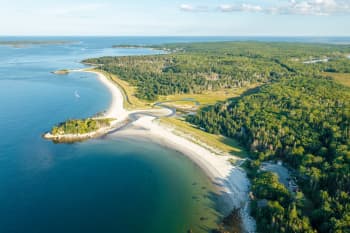
What Surprises First-Time Visitors to Atlantic Canada
- Distances are longer than they look on a map: Newfoundland & Labrador in particular rewards more time than most first-timers allow. A week can go by quickly when you factor in coastal roads, ferry crossings, and the tendency to stop often for the amazing coastal views.
- Weather can shift quickly and that’s part of the experience: Coastal fog, afternoon sun, and a passing squall can all happen in one day. Layers and a waterproof shell are worth more than checking the forecast.
- The quieter seasons are genuinely worth it: Many first-time visitors arrive in July and August. Those who return often come back in September or October for the harvest season, lighter crowds, and a different quality of light along the coast.
- Small towns close early, especially in the quieter seasons: Outside of major cities and towns, finding dinner at 8pm can be a challenge. Embrace the rhythm as earlier evenings leave more time for coastal walks and stargazing.
What is Atlantic Canada?
Atlantic Canada is a region made up of four eastern provinces of Canada: New Brunswick, Newfoundland and Labrador, Nova Scotia, and Prince Edward Island. While they are often grouped together, each province has its own geography, history, and cultural identity. What connects them is the Atlantic Ocean: its working harbours, coastal communities, food traditions, and a way of life shaped by weather, tides, and seasonal rhythms.
Travel in Atlantic Canada often begins in its capital cities and major urban hubs, which serve as natural gateways to the region. These centres offer easy access to museums, live music, historic districts, local restaurants, and year-round events without the congestion of larger major centres.
The region encompasses the Bay of Fundy’s dramatic tidal range and the rugged cliffs and fjords of Newfoundland and Labrador, as well as thousands of kilometres of coastline. Indigenous Peoples have lived in this region for thousands of years, and European settlement dates back to some of the earliest encounters in North America. That layered history remains visible today in archaeological sites, historic towns, living-history museums, music traditions, and foodways that continue to evolve.
Atlantic Canada is ideal for travellers who…
- are drawn to coastlines, working harbours, and landscapes shaped by the sea
- want to slow down in a region that rewards unhurried, curious travel
- are interested in food with a strong sense of place: fresh seafood, farm-to-table producers, and culinary traditions rooted in history
- enjoy combining natural scenery with cultural depth: music, history, Indigenous heritage, and living traditions
- are planning a first-time visit to eastern Canada and want something more intimate than a major city trip
Getting Around Atlantic Canada
For most travellers, a car is the most practical way to explore Atlantic Canada, especially when visiting rural areas, coastal communities and national parks. Public transportation between towns and provinces is limited, and many of the region’s most rewarding places best explored by car. Driving distances and travel times are often shaped by winding coastal roads, weather, and ferry schedules.
Rentals are available throughout the region and many companies allow travellers to rent a car in one city and return it in another, often for just a small fee.
Ferries:
As you'd imagine in a place shaped by water, ferry systems provide vital connections in the region.
Marine Atlantic operates year-round ferries between North Sydney, Nova Scotia and Port aux Basques, Newfoundland, with a seasonal route between North Sydney and Argentia (typically mid-June to late September).
Northumberland Ferries operates a seasonal ferry between Caribou, Nova Scotia and Wood Islands, Prince Edward Island, generally from May to mid-December. Prince Edward Island is also connected to New Brunswick by the Confederation Bridge, which is open year-round (a toll is charged by leaving PEI).
Bay Ferries runs a ferry across the Bay of Fundy between Saint John, New Brunswick, and Digby, Nova Scotia, providing a shorter alternative to driving around the bay.
Airports:
Regional airports make it possible to fly into one province and out of another, which works well for multi-province itineraries.
The most common airports include: Saint John Airport (New Brunswick), Greater Moncton Roméo LeBlanc International Airport, St. John’s International Airport (Newfoundland & Labrador), Deer Lake Regional Airport, Halifax Stanfield International Airport, and Charlottetown Alexander B. Campbell Airport.
Trains:
For train travel, VIA Rail operates the historic Ocean route between Montreal and Nova Scotia, with stops in New Brunswick.
Travellers should plan for a variety of weather conditions, particularly in coastal and northern areas, and confirm ferry schedules and reservations well in advance, as crossings and frequencies vary by season.
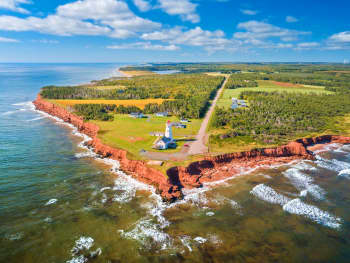
When to Go: Seasonality at a Glance
Atlantic Canada is a true four-season destination, with each season offering a different set of experiences for travellers to enjoy.
Spring
(April - June)
Spring is a transitional season. Shoulder-season pricing is common, and natural phenomena like iceberg viewing and early wildlife activity draw visitors. Weather can be variable, and some attractions may open later in the season, but spring rewards flexible travellers.
Summer
(Late June - August)
Summer is peak travel season across all four provinces. Beaches, festivals, coastal drives, historic sites, and outdoor activities are fully accessible. This is the best time for first-time visitors, though popular areas can be busy. Accommodations and transportation should be booked well in advance.
Fall
(September - October)
Fall is defined by the spectacular fall colours, harvest season, culinary festivals, and cooler temperatures suited to hiking and cycling. The area is less crowded after Labour Day, and many travellers consider this one of the most rewarding times to visit, particularly for food-focused and culture-driven trips.
Winter
(November - March)
Winter travel is quieter and more regional. Urban centres, cultural institutions, and winter outdoor activities remain active. For travellers seeking a slower pace, winter offers a different perspective on Atlantic life, one centred on community.
Take a Deeper Look:
New Brunswick
New Brunswick is defined by a mix of dramatic coastline, inland forests, and major river systems. The province is best known for the Bay of Fundy, shared with Nova Scotia, where the world’s highest tides shape daily rhythms and travel planning. But there is so much more to explore around the province. Coastal drives and access to quieter seaside communities are major draws, alongside inland experiences centred on rivers, forests, and vibrant, small cities.
Highlights
- Bay of Fundy coastline with the world’s highest tides and dramatic intertidal landscapes
- Well-defined coastal drives, including Fundy and Acadian routes, suited to self-guided road trips
- Strong Acadian cultural presence, particularly along the northeastern coast
- Living-history sites and national historic sites that explore Loyalist, Acadian, and Indigenous histories
- River valleys and forested inland regions offering a quieter travel experience
Good to Know
- Travel is easiest by car; many highlights are spread out across rural areas
- Along the Fundy Coast, weather patterns shift frequently, adding to the dynamic coastal atmosphere that makes the region so memorable to explore.
- Tides significantly affect access to beaches and coastal walks—timing matters
- Summer is the busiest season, but spring and fall offer fewer crowds and good value
- Many attractions operate seasonally, especially outside urban centres
Worth Discovering
The tidal bore on the Petitcodiac River runs right through Moncton. You can watch a wave travel upstream through the middle of a mid-sized city, which is genuinely strange and worth timing a stop around.
Take a Deeper Look:
Newfoundland and Labrador
Newfoundland and Labrador offers some of the most dramatic landscapes in Atlantic Canada, along with a strong sense of local culture and identity. The province includes both the island of Newfoundland and the mainland region of Labrador. Travel here is shaped by longer distances, variable weather, and a strong connection to coastal communities.
Highlights
- St. John’s and the Avalon Peninsula for cultural life, coastal hikes, and historic outport communities
- Bonavista Peninsula for lighthouses, sea cliffs, historic fishing towns, and strong wildlife viewing
- Gros Morne National Park, known for fjords, cliffs, and globally significant geological features
- The Viking Trail in the northwest, linking national historic and UNESCO-recognized sites
- Labrador’s rugged coastline, subarctic landscapes, and communities with deep Indigenous and maritime histories
Good to Know
- Distances are longer than they appear, particularly in Newfoundland’s western and northern regions
- Weather can be highly variable; flexibility is essential when planning
- Ferry schedules are a key part of trip logistics and should be checked in advance
- Wildlife viewing is seasonal and varies by region and timing
- Travel in Labrador requires advanced planning and travellers should allow more time to explore this vast and distinctive part of the province. Ferry reservations are recommended.
Set Your Clock
Newfoundland and Labrador runs in two time zones. The whole island of Newfoundland is 30 minutes ahead of Atlantic time, 90 minutes ahead of Eastern. Most of Labrador observes Atlantic Standard Time (AST) and Atlantic Daylight Time (ADT), except for the southeastern tip closest to Newfoundland Island.
Take a Deeper Look:
Nova Scotia
Nova Scotia is often the entry point for Atlantic Canada for passengers arriving by air. Halifax serves as the main urban centre and international gateway, while much of the province’s charm is found in picturesque coastal and rural communities. The province is known for its vibrant working harbours, historic towns, coastal drives, and thriving food and music scenes.
Highlights
- Compact geography with diverse regions, from coastal drives to agricultural valleys
- Halifax is an accessible urban hub with strong cultural and culinary scenes
- South Shore harbour towns with preserved historic streetscapes
- Bay of Fundy and Annapolis Valley for dramatic tides, farming communities, and wine production
- Cape Breton Island for coastal scenery, traditional music, and cultural routes
Good to Know
- The province is well-suited to road trips with manageable driving distances
- Summer and early fall are the busiest travel periods
- Coastal fog and changing weather are common in some regions
- Many festivals take place between June and October
Take Note
Alexander Graham Bell spent his later years on Cape Breton Island, establishing a research estate near Baddeck where he continued work on flight and hydrofoil technology. He is buried there alongside his wife, a detail that surprises most visitors who pass through.
Take a Deeper Look:
Prince Edward Island
Prince Edward Island is Canada’s smallest province and one of its most compact for travel. The island is known for sandy beaches, red sandstone cliffs, agricultural landscapes, and a strong farm-to-table food culture. Short driving distances make it easy to base in one area while exploring much of the island on day trips.
Highlights
- Short travel distances and easy-to-follow coastal routes
- North shore beaches and red sandstone cliffs
- Charlottetown as a walkable cultural and historic centre
- Strong food culture centred on seafood, farming, and local producers
- Seasonal festivals celebrating food, music, and harvest
Good to Know
- Summer is peak season; accommodations book early
- Weather can be cooler and windier than expected, even in summer
- Many attractions operate seasonally, particularly outside Charlottetown
- Fall offers a quieter experience with strong culinary programming
- In the winter, PEI is accessible by bridge or the Charlottetown Airport and offers a peaceful, slower-paced experience
More to Explore
The Singing Sands of Basin Head Provincial Park are one of the hidden surprises of Prince Edward Island. Walk across the dry beach and the sand itself makes music, a high-pitched squeak caused by the unusually high silica and quartz content. On an island where music has shaped community life for centuries, it feels less like a geological curiosity and more like something deeply rooted.
Life After Sunset
Where to Stargaze
Credit: Parks Canada / Nigel Fearon
Credit: Parks Canada / Nigel Fearon
As daylight fades across Atlantic Canada, something else becomes visible: a wide, uninterrupted night sky, made possible by low population density, long stretches of coastline, and sparsely lit rural regions. For travellers, this means reliable stargazing conditions in rural and coastal areas, often just steps from where you’re staying
Below, you’ll find eight destinations across Atlantic Canada where dark-sky conditions make stargazing a realistic part of the travel experience.
1. Mount Carleton Provincial Park
New Brunswick’s highest terrain offers a different night-sky experience, with elevation providing clearer air and longer viewing windows. Open areas near the mountain lakes and summits allow for expansive sky coverage, making the park especially popular during major meteor showers.
2. Fundy National Park
Fundy’s night skies vary dramatically between coast and forest. Inland areas offer sheltered, stable viewing, while coastal lookouts provide wide horizons once fog lifts. The park’s dramatic tides and weather patterns often clear skies unexpectedly, rewarding patience later in the evening.
3. Gros Morne National Park
Gros Morne’s night skies are shaped by scale. The park’s fjords, inland valleys, and exposed plateaus create wide horizons and long sightlines, particularly along the coast and in the Tablelands area. On clear nights, stars appear sharply defined, with little obstruction from terrain or trees, and the Milky Way is often visible in late summer and early fall.
4. Terra Nova National Park
As a designated Dark-Sky Preserve, Terra Nova actively protects nighttime conditions and offers some of the most consistent stargazing on the island. Inland lakes and forest clearings provide sheltered viewing areas, while coastal sections allow for expansive views over the ocean, where cloud cover often clears faster than inland.
5. Kejimkujik National Park
Kejimkujik’s inland location and broad lake system create calm, stable viewing conditions. Reflections off still water often enhance visibility, and the park’s open canoe routes and lakeside clearings make it easy to find unobstructed vantage points. Astronomy programs occasionally coincide with peak stargazing seasons.
6. Brier Island
Surrounded by the Bay of Fundy, Brier Island offers sweeping, ocean-level views of the sky. Weather systems move quickly through the area, often creating clear breaks after sunset. The island’s western exposure makes it particularly well suited to watching the sky deepen from twilight into full darkness.
7. Covehead
Set within Prince Edward Island National Park on the north shore, Covehead sits among sand dunes with open sightlines across the Gulf of St. Lawrence. The National Park's minimal light interference makes it one of the more reliably dark stretches of coastline on the Island, and the beach and harbour area quiet considerably after dusk. The lighthouse, one of the most photographed on PEI, provides a distinctive landmark as eyes adjust to the night sky above.
8. Greenwich - Prince Edward Island National Park
Greenwich’s dune systems and wetlands create natural viewing corridors once park traffic subsides. The flat landscape and open beaches allow stars to remain visible low on the horizon, and cooler night air often brings clearer conditions later in the evening.
Music Traditions at the Heart of Atlantic Canada
Music in Atlantic Canada is rooted in community, language, and place. Across the region, musical traditions grew out of everyday life, shaped by Indigenous, French, Acadian, Gaelic, Irish, and English influences. Rather than existing only on formal stages, music here remains closely tied to social life —kitchens, community halls, fishing villages, and local gatherings — passed down through families and communities and still encountered naturally by travellers who take the time to listen.
Below is a province-by-province guide to how music shows up across the region and where travellers are most likely to encounter it.
New Brunswick
In New Brunswick, music is central to Acadian culture and identity. For generations, songs and dances have helped preserve the French language and maintain community ties, particularly along the Acadian coast. Music here is closely linked to social gatherings and shared celebrations.
Visitors are likely to experience Acadian music at local festivals, cultural events, and community celebrations, where traditional folk music and dance are often performed alongside contemporary Acadian artists. These experiences tend to be participatory and community-focused rather than staged performances.
How to experience music in New Brunswick:
- Festival acadien de Caraquet (Caraquet, August): A major Acadian cultural event featuring traditional and contemporary Acadian music, dance, and language in public spaces.
- Acadian Peninsula community festivals: Smaller regional events where Acadian folk music is performed as part of local celebrations rather than formal concerts.
- Moncton cultural venues: A hub for music, blending traditional roots with modern interpretations.
Newfoundland and Labrador
Music in Newfoundland has long served as a way of recording lived experience. Traditional ballads, sea shanties, and folk songs often tell stories of fishing life, travel, hardship, and humour, passed down through families and communities over generations.
Today, travellers most often experience this tradition in local pubs, community venues, and folk festivals, where audience participation is common and music is shared as a social activity. These settings offer a window into how music continues to function as a form of collective memory and storytelling.
Music in Labrador reflects the region’s Indigenous cultures and its strong sense of community, with Inuit and Innu traditions playing a central role. Songs and drumming are often shared in community and cultural settings, where music is closely tied to language, storytelling, and seasonal gatherings.
How to experience music in Newfoundland and Labrador:
- Trails, Tales and Tunes Festival, Norris Point: Experience a unique blend of walks, culinary adventures, and entertainment. Enjoy fine talent presented in intimate venues throughout the picturesque town of Norris Point. (Gros Morne National Park, May 21 - May 30, 2027)
- St. John’s pubs: One of the most accessible places for travellers to experience traditional music, often with spontaneous participation.
- Outport communities: Smaller coastal communities where traditional songs and ballads continue to be shared at local gatherings and events.
Nova Scotia
Music in Nova Scotia reflects a convergence of cultures shaped by migration and community life. Gaelic traditions remain especially strong in Cape Breton, where fiddle music and step dancing are closely tied to language, family, and place. Acadian, African Nova Scotian and Mi’kmaq musical traditions also play an important role in the province’s cultural landscape.
Travellers most often encounter music in community halls, small venues, and pubs rather than formal concert spaces. In Cape Breton, live fiddle music and informal sessions are common, particularly during festivals in the fall, when performances take place in churches, halls, and gathering spaces across the island.
How to experience music in Nova Scotia:
- Celtic Colours International Festival (Cape Breton, October): Multi-venue festival held in community halls, churches, and small theatres across the island, rooted in Gaelic music and storytelling.
- Cape Breton Island community halls and pubs: Fiddle music and step dancing are often encountered at informal gatherings, especially in rural communities.
- Halifax pubs and small venues: A strong contemporary folk and roots scene shaped by traditional influences, with live music common year-round.
Prince Edward Island
Prince Edward Island’s music scene is robust year round, but live music and performance begin to pick up in the spring and continue steadily through the summer and early fall, becoming part of everyday Island life during the warmer months.
Ceilidhs, piping traditions, and theatrical productions all contribute to the Island’s cultural calendar. The summer and early fall also bring major festival events to the Island's north shore, where the Cavendish Beach Music Festival draws tens of thousands of country music fans each July, and Sommo Festival follows in September with a multi-genre lineup paired with local food and drink.
Travellers can encounter music at spring gatherings, summer festivals, and fall food-and-music events, as well as through theatre productions that incorporate music and storytelling. Performance venues across the Island, from historic playhouses to outdoor festival stages, make music easy to access throughout the travel season.
How to experience music on Prince Edward Island:
- Ceilidh at the Irish Hall (Spring–Fall): One of the clearest examples of PEI’s ceilidh tradition, where music, storytelling, and social gathering intersect.
- Highland Gathering Summerside: Hosted by the College of Piping, highlighting Scottish piping, dance, and Highland traditions each summer.
- Charlottetown Festival (Summer): Long-running theatre festival where music and performance are central to storytelling, reflecting PEI’s strong stage tradition.

Credit: Tourism Newfoundland & Labrador
Credit: Tourism Newfoundland & Labrador

Credit: Tourism New Brunswick
Credit: Tourism New Brunswick

Credit: Barrett & MacKay Photo
Credit: Barrett & MacKay Photo

Credit: Destination Cape Breton Association
Credit: Destination Cape Breton Association

Credit: Tourism PEI / Heather Ogg
Credit: Tourism PEI / Heather Ogg
Inter-Provincial Travel Ideas
Atlantic Canada rewards travellers who think beyond provincial borders. Coastal geography, ferry routes, shared ecosystems, and overlapping histories make it easy—and often more meaningful— to explore the region through connected journeys. The following inter-provincial travel ideas are organized by geography, theme, and trip length, offering flexible ways to experience multiple provinces in a single trip.
Landsby offers a range of Atlantic Canada itineraries across New Brunswick, Newfoundland and Labrador, Nova Scotia, and Prince Edward Island. With experienced travel advisors standing by, travellers can book existing journeys or work one-on-one to create customized, multi-province trips tailored to their interests, timing, and travel style.
By Geography
Natural Regions That Cross Provincial Borders
Credit: New Brunswick Tourism
Credit: New Brunswick Tourism
The Bay of Fundy Coast
New Brunswick + Nova Scotia
The Bay of Fundy forms a shared landscape between New Brunswick and Nova Scotia, defined by the highest tides in the world and a coastline shaped by erosion, sediment, and time. Travellers can experience this region from both sides of the bay, combining coastal hikes, fossil-rich shorelines, small fishing communities, and historic ports. Ferry crossings shorten travel time and allow for loop-style journeys that explore the bay from multiple perspectives.
Best for: geology, coastal hiking, tidal phenomena, historic ports.
Good to know: tide timing affects access to beaches and coastal walks on both sides of the bay.
Credit: Tourism PEI/Sander Meurs
Credit: Tourism PEI/Sander Meurs
The Gulf of St. Lawrence
Prince Edward Island + New Brunswick + Nova Scotia
The Gulf of St. Lawrence connects the northern shores of Prince Edward Island, northeastern New Brunswick, and northern Nova Scotia. This region is shaped by calmer waters, fishing traditions, Acadian culture, and wide sandy beaches. Travelling through the Gulf region highlights shared foodways, music traditions, and coastal livelihoods that transcend provincial lines.
Best for: beach travel, Acadian culture, seafood-focused trips
Good to know: summer is peak season across the Gulf; shoulder seasons are quieter but more limited in services
Credit: Barrett & MacKay Photo
Credit: Barrett & MacKay Photo
Nova Scotia + Newfoundland and Labrador + Prince Edward Island
Island and peninsula travel is central to the Atlantic Canadian experience. Prince Edward Island’s compact scale contrasts with the larger, more rugged peninsulas of Nova Scotia and Newfoundland & Labrador, yet all share a strong relationship to the sea. These regions are ideal for slow travel, scenic drives, and exploring coastal communities where geography shapes daily life.
Best for: scenic driving, coastal communities, regional character
Good to know: ferry schedules and weather conditions are key planning factors
By Theme
Travel Styles That Link Provinces
Credit: Acorn & Art Photography
Credit: Acorn & Art Photography
Coastal Heritage & Historic Communities
Newfoundland and Labrador + Nova Scotia + New Brunswick
This theme connects early Indigenous presence, European settlement, and maritime trade across provinces. Travellers can explore historic towns, national historic sites, and living-history museums that reflect different chapters of Atlantic Canada’s past, from early fishing economies to colonial ports and industrial development.
Best for: history-focused travel, museums, heritage landscapes
Good to know: many historic sites operate seasonally, especially in rural areas
Credit: New Brunswick Tourism
Credit: New Brunswick Tourism
Food, Farming, and the Sea
Prince Edward Island + Nova Scotia + New Brunswick
Atlantic Canada’s culinary identity is rooted in seafood, agriculture, and local production. This travel theme moves easily between provinces through seafood regions, farming communities, and coastal towns where food is closely tied to place. Seasonal festivals and markets offer natural anchors for planning. and coastal livelihoods that transcend provincial lines.
Best for: culinary travel, seasonal festivals, local producers
Good to know: harvest and food festivals are most common from late summer through fall
Credit: Gord Follett
Credit: Gord Follett
Wildlife and Big Landscapes
Newfoundland and Labrador + Nova Scotia + New Brunswick
Wildlife viewing and expansive scenery are shared strengths across the region, though they appear differently in each province. From whale migration routes and seabird colonies to forests, cliffs, and coastal headlands, this theme suits travellers interested in nature-based experiences and outdoor exploration.
Best for: wildlife viewing, hiking, photography
Good to know: wildlife sightings are seasonal and never guaranteed; flexibility improves chances
By Timeframe
How to Combine Provinces Based on Trip Length
Credit: Tourism PEI / Stephen DesRoches
Credit: Tourism PEI / Stephen DesRoches
Long Weekend
(3-4 Days)
Single province or tightly connected regions
A long weekend is best spent focusing on one province or on regions with short travel distances and minimal ferry time. Compact destinations and well-connected areas allow travellers to settle in without feeling rushed.
Common approaches include:
- Exploring Prince Edward Island, where short distances make day trips easy
- Focusing on southern New Brunswick or central Nova Scotia
- Urban-centred trips based in Halifax, Fredericton, Charlottetown, or St. John’s, with time to explore surrounding coastal areas
Credit: Tourism Nova Scotia / Photographer: Adam Hill
Credit: Tourism Nova Scotia / Photographer: Adam Hill
One Week
One province, or two closely linked provinces
A week allows travellers to explore one province in depth, or to combine two neighbouring provinces without spending most of the trip in transit.
Typical pairings include:
- New Brunswick + Prince Edward Island
- Nova Scotia + New Brunswick
- Nova Scotia + Prince Edward Island
For travellers focusing on Newfoundland and Labrador, one week works best when centred on:
- St. John's and the Avalon Peninsula, or
- Western Newfoundland, including Gros Morne National Park
Credit: Barrett & MacKay Photo | Tourism Newfoundland & Labrador
Credit: Barrett & MacKay Photo | Tourism Newfoundland & Labrador
Two Weeks or More
Two to four provinces
Two weeks or longer opens up the possibility of multi-province travel that includes Newfoundland and Labrador, alongside one or more Maritime provinces.
This timeframe supports:
- Combining Nova Scotia with Newfoundland and Labrador via ferry or flight
- A Maritime-focused trip (New Brunswick, Nova Scotia, Prince Edward Island) with deeper regional exploration
- A full Atlantic Canada journey that includes all four provinces, with careful pacing
Planning Considerations for Inter-Provincial Travel:
- Ferries and bridges shape routing and should be planned early
- Weather can affect driving and crossings across all provinces
- Travel times vary widely depending on road type and region
- Shoulder seasons offer value but may be impacted by seasonality of some services
Travel Essentials
Travel in Atlantic Canada is rewarding, but it benefits from thoughtful planning for the best experience. Distances, weather, and seasonal operations all shape the experience, particularly outside major towns and cities.
Weather and Packing
Atlantic Canada’s coastal climate is lively and ever-changing, shaped by the Atlantic Ocean itself. Fog, wind, and passing showers can roll in during any season, bringing cool sea air, shifting light, and the kind of atmosphere that gives the region its distinct coastal character.
Travellers who come prepared for the coastal conditions are rewarded with the region at its most vibrant, able to fully enjoy the wide range of experiences that make Atlantic Canada such a compelling place to explore.
How to prepare:
- Pack versatile layers you can easily add or remove
- Include a windproof and waterproof outer layer for coastal breezes
- Bring comfortable walking shoes suited to uneven terrain, boardwalks, and historic streets
- Add a hat and sunglasses – light can be bright and reflective near the water
- Keep a small daypack for extra layers during longer coastal walks or boat excursions
Seasonal Operations
Many attractions, museums, and accommodations operate on seasonal schedules.
- Summer offers the greatest access and choice
- Shoulder seasons provide value but availability may vary
- Winter travel is concentrated around urban centres and specific outdoor activities
Checking hours and availability in advance is especially important when travelling outside peak season.
Ferries and Road Travel
Ferries are an essential part of regional travel and can be affected by weather.
- Confirm schedules and crossing times well ahead of travel
- Allow flexibility in itineraries that rely on ferry connections
- Coastal roads may be slower than expected due to terrain and conditions
Wildlife and Outdoor Safety
Wildlife viewing is a highlight of Atlantic Canada, but it should always be approached responsibly.
- Sightings are seasonal and never guaranteed
- Follow posted guidelines at parks and coastal lookouts
- Keep safe distances from animals and cliffs
- Be cautious driving at dawn and dusk, as wildlife can be more active at that time.
Atlantic Canada is a region worth taking your time with. There is so much to experience, and the best trips tend to be the ones where you have room to explore at your own pace.
Our team of experts are here to help with pre-built and custom itineraries across all four provinces. Reach out and we’ll work with you to put together a trip that fits exactly how you’d like to experience Atlantic Canada.
