

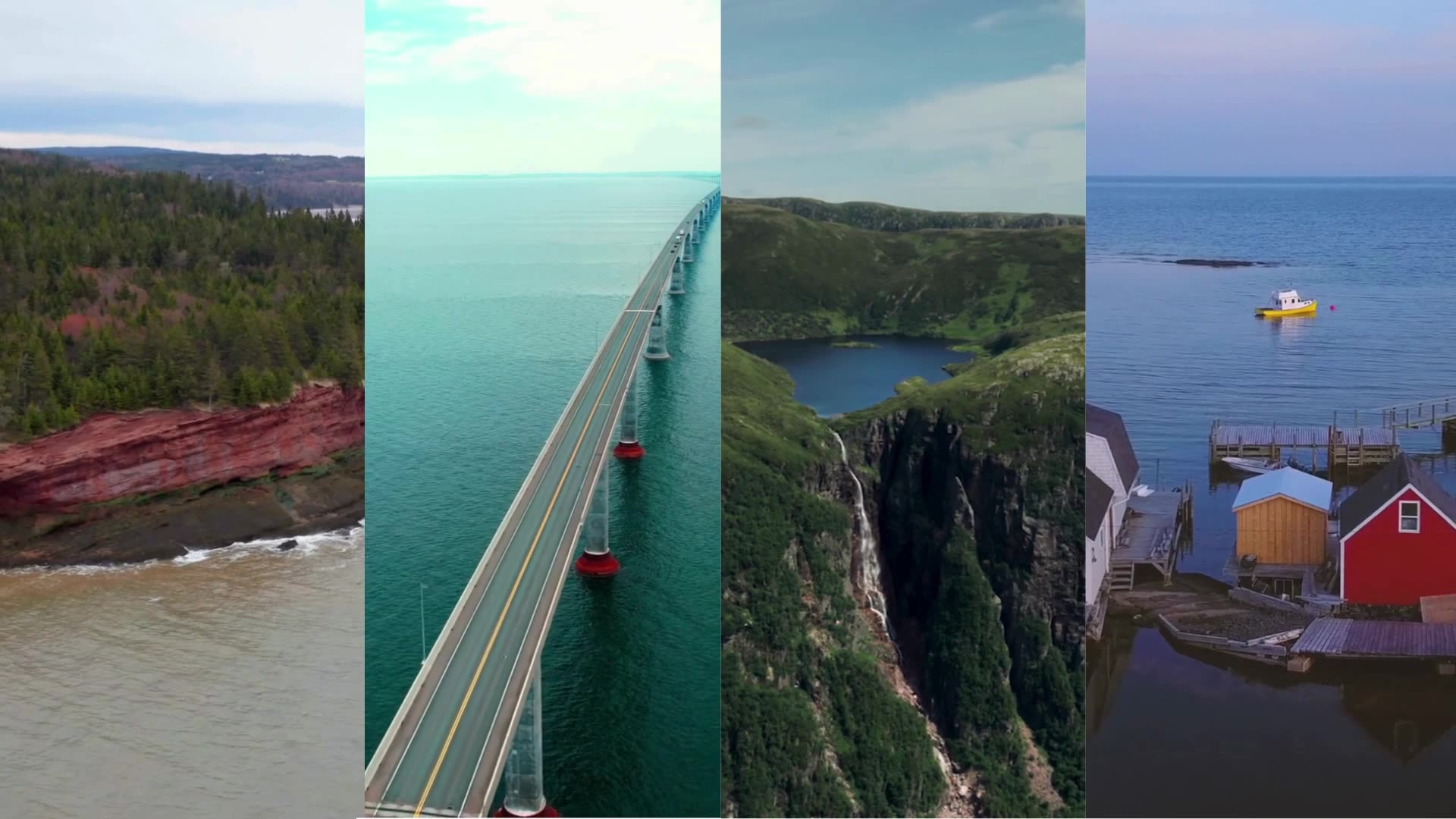
Four Provinces.
One Coastal Experience
Awaken Your Senses On Canada's Atlantic Edge

Mike Corey
Mike Corey
New
Brunswick
New Brunswick is defined by powerful tides, forested landscapes, and wide rivers. It’s best known for the Bay of Fundy, Acadian culture, and nature experiences that feel uncrowded and unhurried.
Dru Kennedy
Dru Kennedy
Newfoundland & Labrador
Newfoundland & Labrador stands out for its dramatic coastline and vast, untamed landscapes. It’s known for icebergs, wildlife, and a powerful sense of place shaped by story and tradition.
Tourism Nova Scotia / @katsteele86
Tourism Nova Scotia / @katsteele86
Nova
Scotia
Nova Scotia is home to historic towns, fishing villages, and some of Canada’s most scenic coastal drives. It’s known for the Cabot Trail, rich music and food traditions, and a deep maritime heritage.
Tourism PEI / Heather Ogg
Tourism PEI / Heather Ogg
Prince Edward Island
Prince Edward Island is small in size but rich in land-and-sea culture. It’s known for red-sand beaches, exceptional food culture, and an easygoing pace that invites slow travel.
Atlantic Canada is shaped by the meeting of land and sea. Across New Brunswick, Newfoundland & Labrador, Nova Scotia, and Prince Edward Island, rugged coastlines, powerful tides, and centuries-old cultures define the rhythm of travel.
This is a region where seafood is pulled from cold Atlantic waters, where coastal roads trace cliffs and coves, and where Indigenous Peoples continue to steward the land and sea, as they have done since time immemorial.
Travellers come for whale watching and iceberg season, historic villages and national parks, lighthouse sunsets and long, story-filled meals. Whether you’re planning a scenic road trip, a wildlife-focused adventure, or a slow journey rooted in place, Atlantic Canada rewards curiosity, patience, and respect for the landscapes that sustain it.
"We are a place of food, we are a place that produces food. It’s our primary industry here. We fish, we farm, so it’s just ingrained in us. And that percolates, it ripples and that makes it a great place to cook.”
Frequently Asked Questions
Q: What provinces are in Atlantic Canada?
Atlantic Canada includes New Brunswick, Newfoundland and Labrador, Nova Scotia, and Prince Edward Island. Together, they form Canada’s easternmost region, bound by the Atlantic Ocean and shaped by maritime history, fisheries, and coastal ecosystems.
Q: When is the best time to visit Atlantic Canada?
Atlantic Canada is rewarding year-round, with each season offering a different way to experience the region.
Summer (June–September) brings the warmest weather, festivals, whale watching, and long daylight hours, while spring and fall offer fewer crowds, changing landscapes, and strong culinary and cultural travel opportunities.
Winter is quieter but far from closed. Coastal towns, historic centres, and many accommodations remain open, offering snowshoeing, winter hiking, cultural festivals, cozy food-focused travel, and dramatic ocean scenery — ideal for travellers looking for space, value, and a slower pace.
New Brunswick
- Late spring–summer: Prime time for the Bay of Fundy tides, Hopewell Rocks, kayaking, and national parks
- Fall: Strong for foliage, river valleys, and uncrowded nature travel
- Winter: Well-suited to snowshoeing, cross-country skiing, winter festivals, and relaxed stays near historic towns and rivers
Newfoundland and Labrador
- Late spring–early summer: Best for iceberg viewing and early wildlife sightings
- Summer–early fall: Prime for hiking, coastal travel, festivals, and boat tours
- Winter: A slower season focused on culture, dramatic coastal scenery, and time spent in St. John’s, outport communities or in Gros Morne National Park.
Nova Scotia
- Summer–early fall: Best for the Cabot Trail, coastal drives, festivals, beaches, and whale watching
- September–October: Excellent for fall colour in Cape Breton and harvest-focused food travel
- Winter: A quieter season in Halifax and coastal towns, with music, museums, winter walks, and cozy stays that emphasize culture and food
Prince Edward Island
- Summer: Peak season for beaches, cycling, seafood, and coastal villages
- Late spring & early fall: Ideal for culinary travel, photography, and fewer crowds
- Winter: Quiet but atmospheric, with local food experiences, walking trails, and a strong sense of community life
Q: How do I get to Atlantic Canada?
Atlantic Canada is accessible by air, road, ferry, and train. Major gateways include Greater Moncton Roméo LeBlanc International Airport, Fredericton International Airport, Saint John Airport, Halifax Stanfield International Airport, St. John's International Airport, and Charlottetown Airport, with Halifax serving as the most common hub for multi-province itineraries.
Travellers can also arrive by rail on VIA Rail Canada’s Ocean train, which runs between Montréal and Halifax in approximately 24 hours, offering a slower, scenic way to enter the region. It is also straighforward and incredibly scenic to arrive by car through Quebec and Maine.
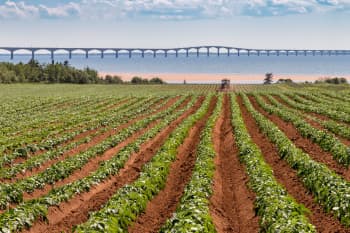
Prince Edward Island is connected to the mainland by the Confederation Bridge, with tolls collected when leaving the island.
Ferries also connect mainland Canada to Prince Edward Island as well as to Newfoundland & Labrador, and many travellers choose to combine flights, ferries, and road trips for flexibility and coastal access.
Q: Do I need a car to explore?
For most travellers, yes. Public transportation is limited outside cities. Car rentals are available in all major city hubs across the region and included in many self-drive itineraries.
Q: What should I know about tides, weather, and road conditions?
Atlantic Canada’s landscapes are dynamic, and a little planning goes a long way.
The Bay of Fundy experiences the highest tides in the world, which means coastal access can change dramatically throughout the day — checking tide charts is essential.
Coastal weather can shift quickly, especially near the ocean, with fog, wind, or sudden temperature changes even in summer. Dressing in layers and building flexibility into your itinerary helps you stay comfortable and make the most of changing conditions.
In rural and coastal areas, roads may be narrow and winding, and wildlife such as moose and deer are most active at dawn and dusk, making slower driving and daylight travel a smart choice.
Icebergs and coastal fog are seasonal features rather than guaranteed sights. Spring and early summer offer the best chances to see icebergs in Newfoundland & Labrador, while fog is most common along the coast in cooler months — part of the region’s atmosphere, but something to plan around when timing drives or boat tours.
Q: How long should I plan for a trip?
Trip length in Atlantic Canada depends on how much ground you want to cover and how slowly you’d like to travel.
A 7–8 day trip works well for exploring one province or pairing neighbouring regions, while 10–14 days allows for a deeper experience with time for coastal drives, small communities, and seasonal activities.
Travellers looking to experience the full region at a relaxed pace should plan three to four weeks, which allows time for ferries, weather flexibility, and meaningful stops along the way.
Still have questions? Contact a Landsby expert.
"Everyone I know has a couple of chunks of iceberg in their freezer. They'll break it out in the summertime, if they're having a party and all the guys are coming over."
Top Experiences & Highlights
The Fundy Coastline
Stretching across New Brunswick and Nova Scotia, the Bay of Fundy is shaped by the highest tides in the world, with water levels rising and falling by as much as 16 metres each day. This constant movement has carved cliffs, exposed ocean floors, nourished rich marine ecosystems, and sustained Indigenous and fishing communities for thousands of years, making the Fundy coast as much a cultural landscape as a natural one.
Hopewell Rocks Provincial Park
Visiting at low tide provides optimal exploration of the ocean floor, or explore by kayak during high tide for a true coastal experience.
Fundy National Park
Classic Bay of Fundy escape where you can hike through lush Acadian forest by morning and walk the ocean floor by afternoon.
Fundy Trail Provincial Park
Coastal parkway and wilderness corridor with sweeping cliffside lookouts, waterfalls, beaches, and a scenic drive hugging one of North America’s last undeveloped shorelines.
St. Martins Sea Caves
Iconic red sandstone sea caves you can walk to at low tide and paddle around at high tide, paired with a postcard‑perfect fishing village backdrop
Urban Fundy Experience in Saint John
An easy-to-access city base where you can pair historic streets, waterfront dining, and culture with quick excursions to see the power of the Bay of Fundy tides.
Birdwatching in the Fundy Isles
Offshore islands that double as a migratory superhighway, where secluded shorelines and rich coastal habitats offer prime viewing for seabirds and rare species.
Whale watching from St. Andrews
Laid-back seaside town that’s a launchpad for close-encounter cruises with minke, humpback, and fin whales in the nutrient-rich Bay of Fundy
Joggins Fossil Cliffs
Discover 300-million-year-old fossils along dramatic coastal cliffs at this UNESCO World Heritage Site.
Tidal Bore Rafting
Ride the surge of the Bay of Fundy’s powerful tides as they create standing waves on the Shubenacadie River.
Cliffs of Fundy Geopark
Explore striking coastal formations shaped by the world’s highest tides in this UNESCO Global Geopark, where geology and scenery meet along a rugged shoreline.
Cape Split
A rewarding coastal hike leading to dramatic cliff-edge views over the Bay of Fundy. One of the best vantage points to grasp the scale of the tides.
Burntcoat Head Park
Home to record-breaking tides. At low tide, visitors can walk on the ocean floor; hours later, the water returns dramatically.
Gros Morne & the Viking Trail
On Newfoundland & Labrador’s west coast, Gros Morne National Park and the Viking Trail offer one of Atlantic Canada’s most striking combinations of geology, history, and living culture. The route traces the edge of the Gulf of St. Lawrence across the Great Northern Peninsula, where fjords, exposed mantle rock, and coastal communities sit alongside ancient Indigenous presence and the remains of Norse exploration at L'Anse aux Meadows National Historic Site, the only known Viking settlement in North America.
Tablelands Geological Landscape
One of the few places on Earth where the Earth’s mantle is exposed at the surface, the Tablelands offer an otherworldly walking landscape and a powerful reminder of the deep geological forces that shaped the island.
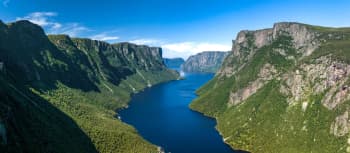
Western Brook Pond Fjord
Accessible by boat or trail, this landlocked fjord is defined by sheer cliffs, waterfalls, and stillness, offering a sense of scale and quiet that rewards unrushed travel.
Woody Point & Bonne Bay Communities
Small towns along Bonne Bay provide insight into everyday life on Newfoundland & Labrador’s west coast, with walking trails, local food, music, and community spaces that reflect the region’s living culture.
Indigenous History of the Great Northern Peninsula
Long before Norse arrival, the area was home to Indigenous peoples, including the Beothuk and earlier Maritime Archaic cultures. Interpretation at regional museums and parks helps place the Viking story within a much longer human history.
L’Anse aux Meadows & the Northern Tip
The Viking settlement at L’Anse aux Meadows National Historic Site marks a meeting point of cultures and landscapes, while nearby coastal routes and fishing communities highlight the ongoing relationship between people, sea, and weather.
Cape Breton Island & The Cabot Trail
Located on the northern tip of Nova Scotia, Cape Breton Island is defined by dramatic coastlines, highland plateaus, and a strong sense of cultural continuity.
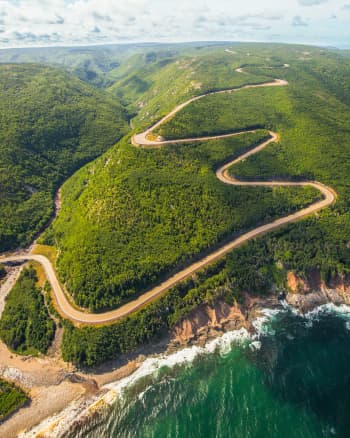
The Cabot Trail loops through the Cape Breton Highlands National Park, connecting fishing villages, Acadian and Gaelic communities, and Mi’kmaq lands, offering one of Canada’s most scenic — and most storied — coastal journeys.
Cape Breton Highlands National Park
A protected stretch of highland plateau where forest meets ocean. Roads rise and fall along cliff edges, with deep river valleys cutting inland and Atlantic views at nearly every turn.
Skyline Trail
An accessible coastal hike that gradually opens to a wide boardwalk overlook. From here, the Cabot Trail can be seen tracing the shoreline below.
Chéticamp
A working Acadian fishing village with a strong French identity. Expect colourful boats in the harbour, locally hooked rugs, seafood kitchens, and traditional fiddle music in the evenings.
Outdoor Activities
Whale watching in Pleasant Bay, kayaking the North River, and golfing at the world-renowned Highlands Links or Cabot Cliffs.
Prince Edward Island's North Shore
Along the northern edge of Prince Edward Island, the North Shore is shaped by red-sand beaches, shifting dunes, and the steady influence of the Gulf of St. Lawrence. This stretch of coast blends working farmland with fishing villages and protected natural areas, offering a softer, slower coastal experience rooted in food culture, storytelling, and a close connection between land and sea.
Greenwich Dunes Trail
A floating boardwalk leads through fragile dune systems shaped by wind and tide, offering one of the island’s most immersive ways to understand coastal ecology and conservation.
Lennox Island Mi’kmaq Cultural Experiences
The Lennox Island First Nation offers opportunities to learn about Mi’kmaq history, culture, and contemporary life through cultural interpretation, events, and storytelling rooted in land and sea relationships.
North Shore Food & Farm Connections
This region is closely tied to Prince Edward Island's agricultural heartland, where potatoes, mussels, oysters, and seasonal produce shape local menus, farmers’ markets, and small-scale culinary experiences.
Quiet Beaches Beyond Cavendish
East and west of Cavendish, long stretches of less-visited shoreline invite walking, beachcombing, birdwatching, and unstructured time by the water, especially outside peak summer weeks.
Small Villages & Coastal Roads
Short drives connect fishing harbours, craft studios, and local gathering places, revealing everyday island life beyond headline attractions and rewarding travellers who explore at a slower pace.
Urban Centres
Atlantic Canada’s cities are compact, character-driven, and closely connected to their surrounding landscapes.
Urban centres offer walkable downtowns, strong food scenes, and easy access to coastlines, rivers, and cultural sites. These centres work well as trip anchors — places to begin or end a journey, slow down between regions, or experience Atlantic Canada’s contemporary culture alongside its deep history.
Halifax, Nova Scotia
A lively harbour city with strong music, museum, and food scenes, Halifax balances naval history with a youthful energy and serves as the region’s main transportation hub.
St. John’s, Newfoundland and Labrador
Known for its colourful streets, coastal setting, and storytelling culture, St. John’s offers one of the most distinctive urban experiences in Canada, where nature and city life meet at the edge of the Atlantic.
Charlottetown, Prince Edward Island
Small, walkable, and deeply tied to Canadian history, Charlottetown pairs heritage architecture with a thriving culinary scene rooted in PEI’s land and sea.
Saint John, New Brunswick
Defined by tides, brick architecture, and industrial heritage, Saint John’s uptown core offers a strong sense of place and proximity to Fundy coastal landscapes.
Fredericton, New Brunswick
Set along the Wolastoq (Saint John River), Fredericton blends arts, green space, and a slower pace, with strong connections to river culture and nearby nature.
Moncton, New Brunswick
Moncton serves as the ideal “book‑end” hub between New Brunswick’s two distinct coastlines: a short drive to the dramatic Bay of Fundy on one side and the warm, island‑studded Acadian Coast on the other, making it an inviting base.
"We've lost our intimacy with the night sky and I'm trying to bring it back...There's is so much value in creating those types of memories and experiences."
Inspiring Itineraries
Design your own custom experience
"There's nothing more special than growing something and then eating it. You pull a carrot out of the ground, you take a tomato off a vine that wasn't under plastic, that was out in the elements and it's magic. "
Bookable Experiences in Atlantic Canada
Epic Rail Journey to the Maritimes
2-day train journey from Montreal to Halifax, Nova Scotia
Newfoundland & Labrador by Car
9 day road trip from Gros Morne National Park to St. John's
Halifax to the Highlands
8 days through Nova Scotia, exploring from Halifax to Cape Breton Island
Highlands & Islands
8 days in Prince Edward Island and Nova Scotia, including Cape Breton Island
Drive The Viking Trail
7 days exploring the dynamic history of western Newfoundland & Labrador
Wonders of the Bay of Fundy
7 days on both sides of the Bay of Fundy, exploring Nova Scotia and New Brunswick
French Flair & Coastal Charm
8 days through Quebec and Nova Scotia, connecting by train.
East Coast Icons
9 days through Nova Scotia, including three UNESCO sites and luxury lodge stays