
Paddling the Nahanni
Explore the 'Grand Canyon of the North'
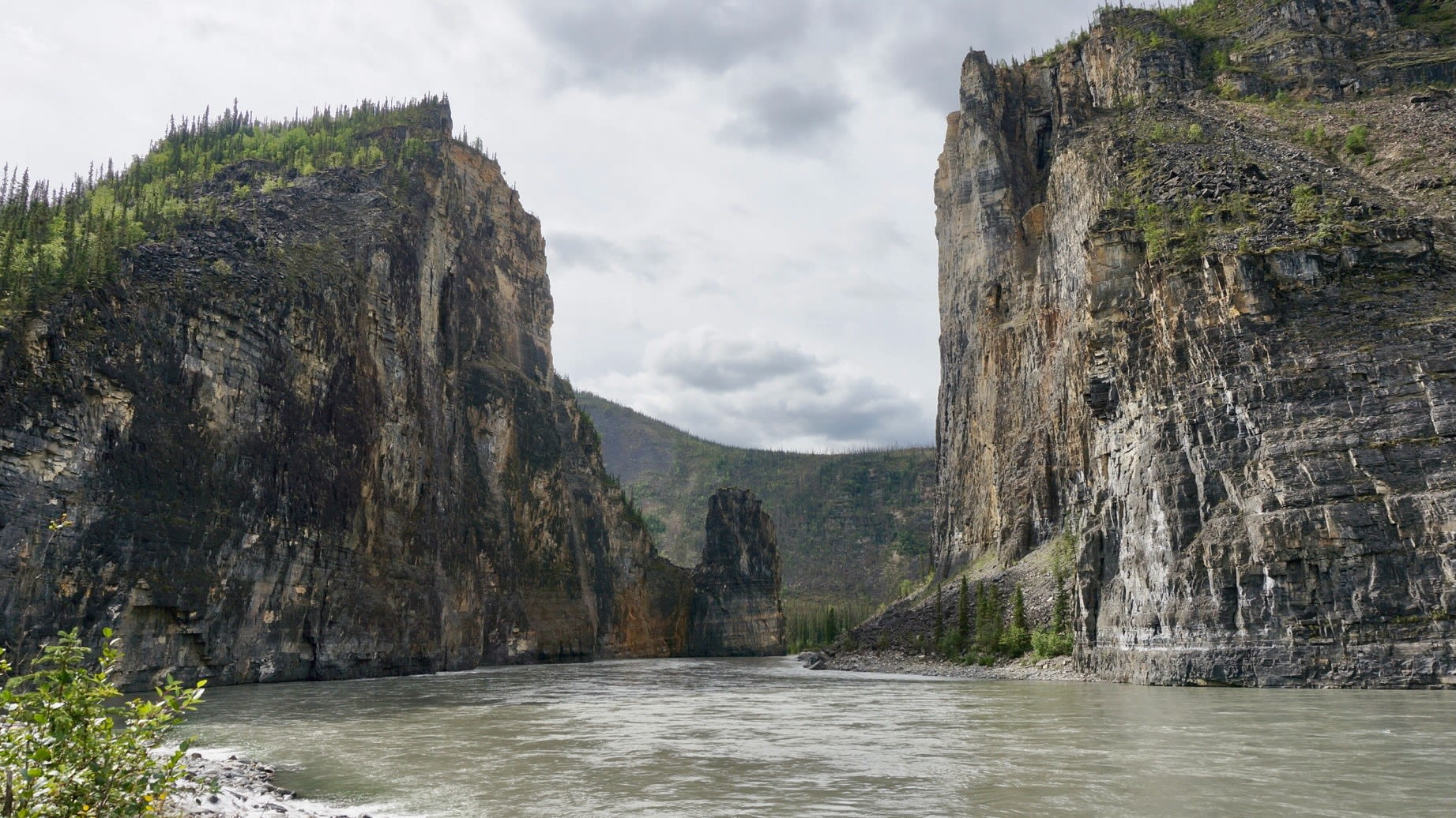

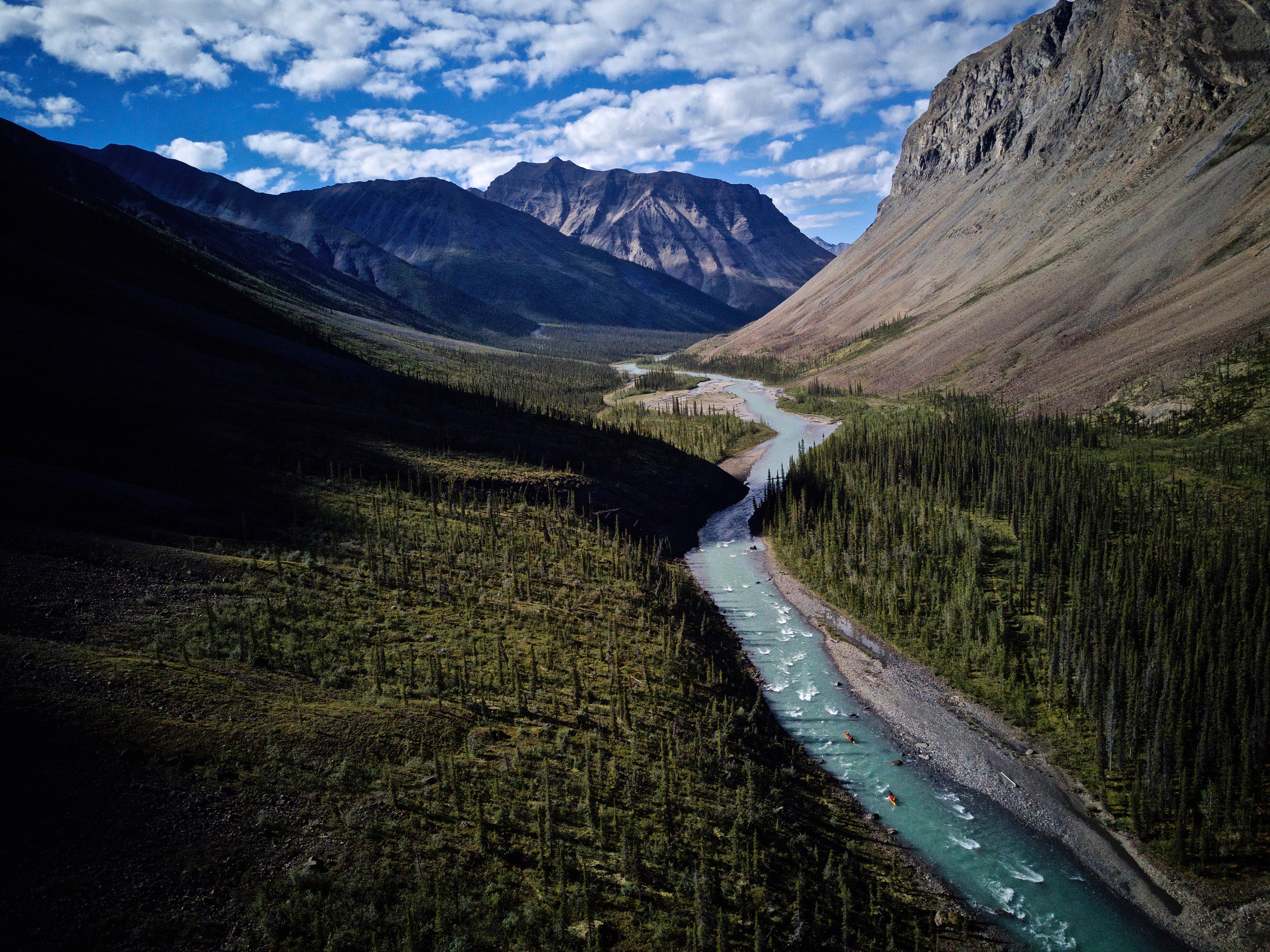
For more than 500 kilometres, the South Nahanni River winds its way through the Mackenzie Mountains in the Northwest Territories. Whereas most mountain rivers are relatively straight and generally narrow, the Nahanni weaves and meanders, moving through limestone canyons, past hot and cold springs, under peaks that rise sharply from the valley floor.
The secret of the Nahanni, you see, is that it is an ancient river. It has been here for more than 200 million years, taking its serpentine path along flat land.
As the Mackenzie range lifted, the Nahanni kept its line, cutting straight through the rock. The result is a sequence of deep, sheer canyons that give the river its world-renowned reputation.
“It tells a story of an old place," says Ken MacDiarmid, owner of Black Feather, a Canadian wilderness adventure company that offers guided canoeing, sea kayaking, hiking, and rafting trips across Canada's most scenic wilderness areas, including the Nahanni.
"It's what we call an antecedent river. Antecedent, meaning it was there before the mountains, and if you read up on the geology of it, it's quite unique. It really is, in a lot of ways, the Grand Canyon of the North. It’s Canada’s Grand Canyon.”

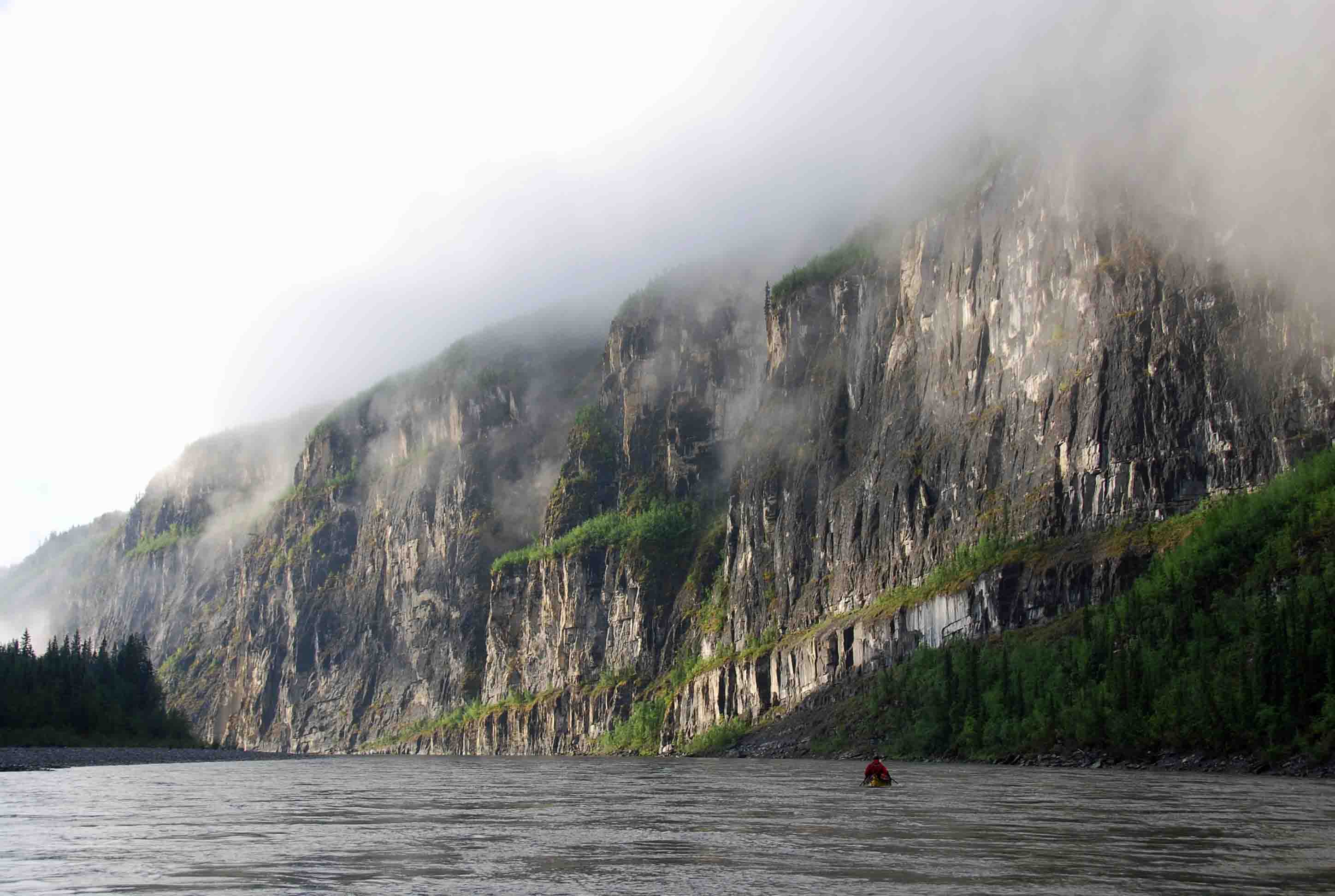
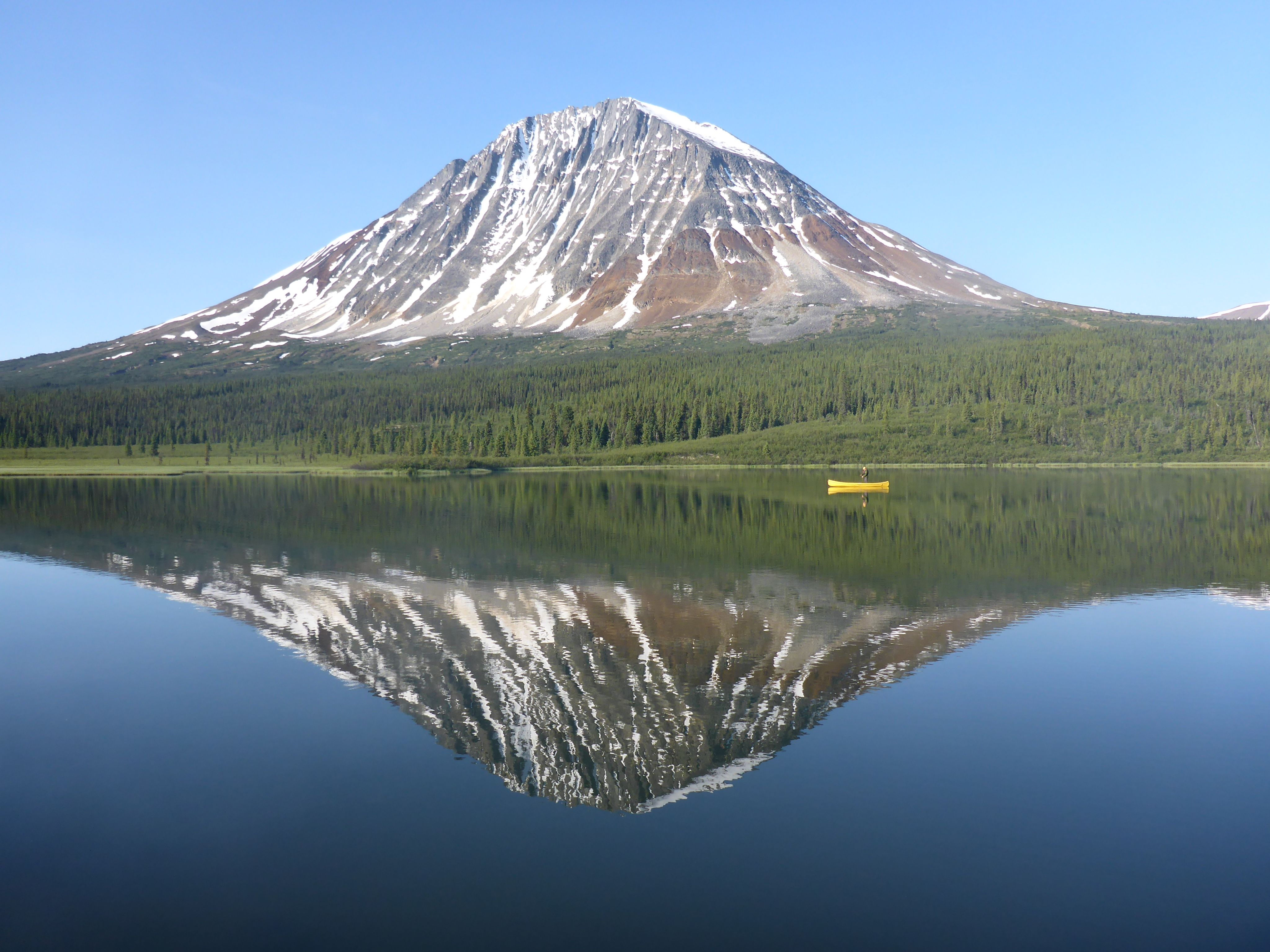
Much of the river lies within Nahanni National Park Reserve, with its upper reaches protected in Nááts'įhch'oh National Park Reserve.
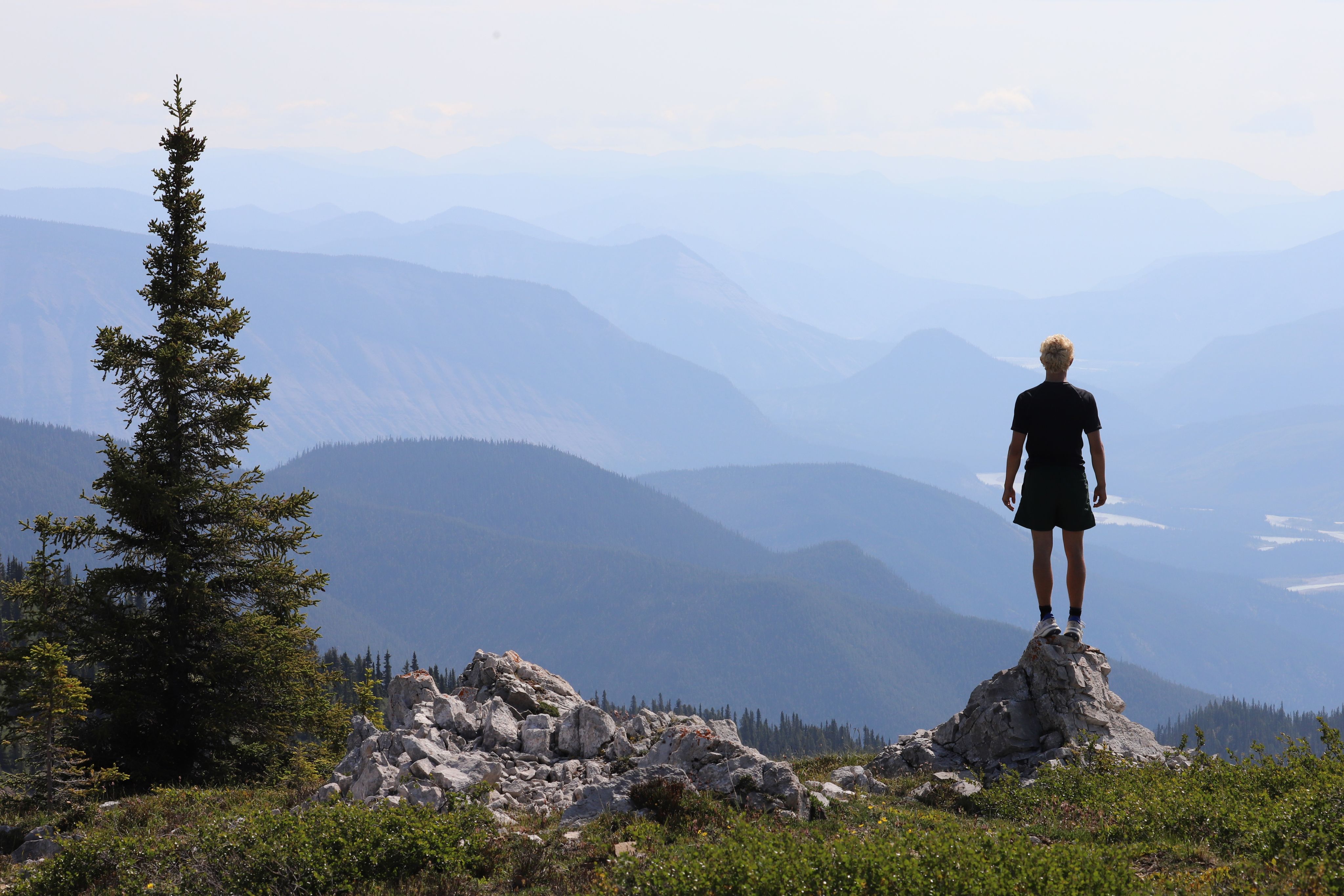
“I don’t think everyone comprehends how mountainous it is before they go,” Ken says. “They think river, and they think waterfall, but they don’t really understand that we’re going into this vast, rugged mountain range.”
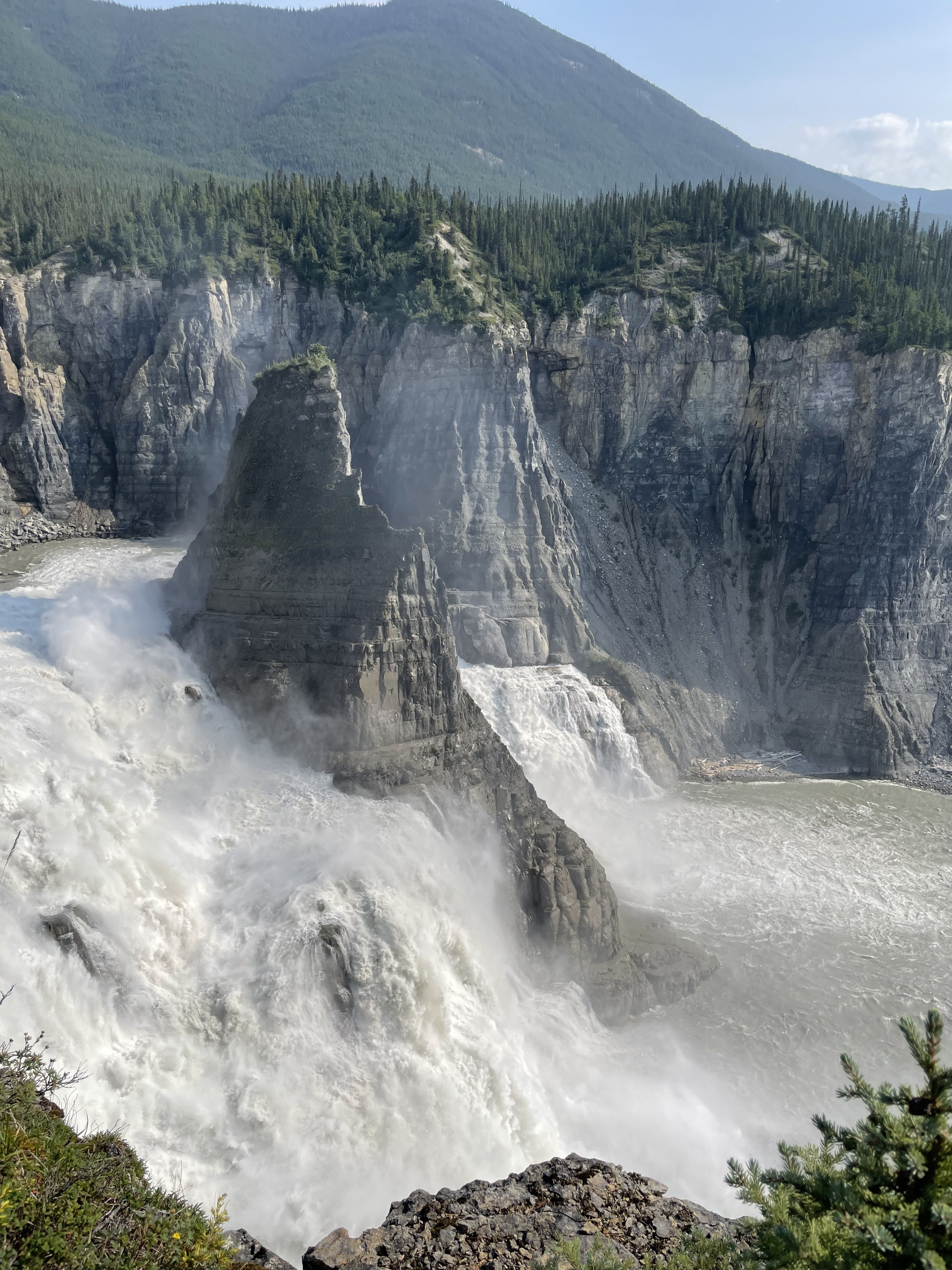
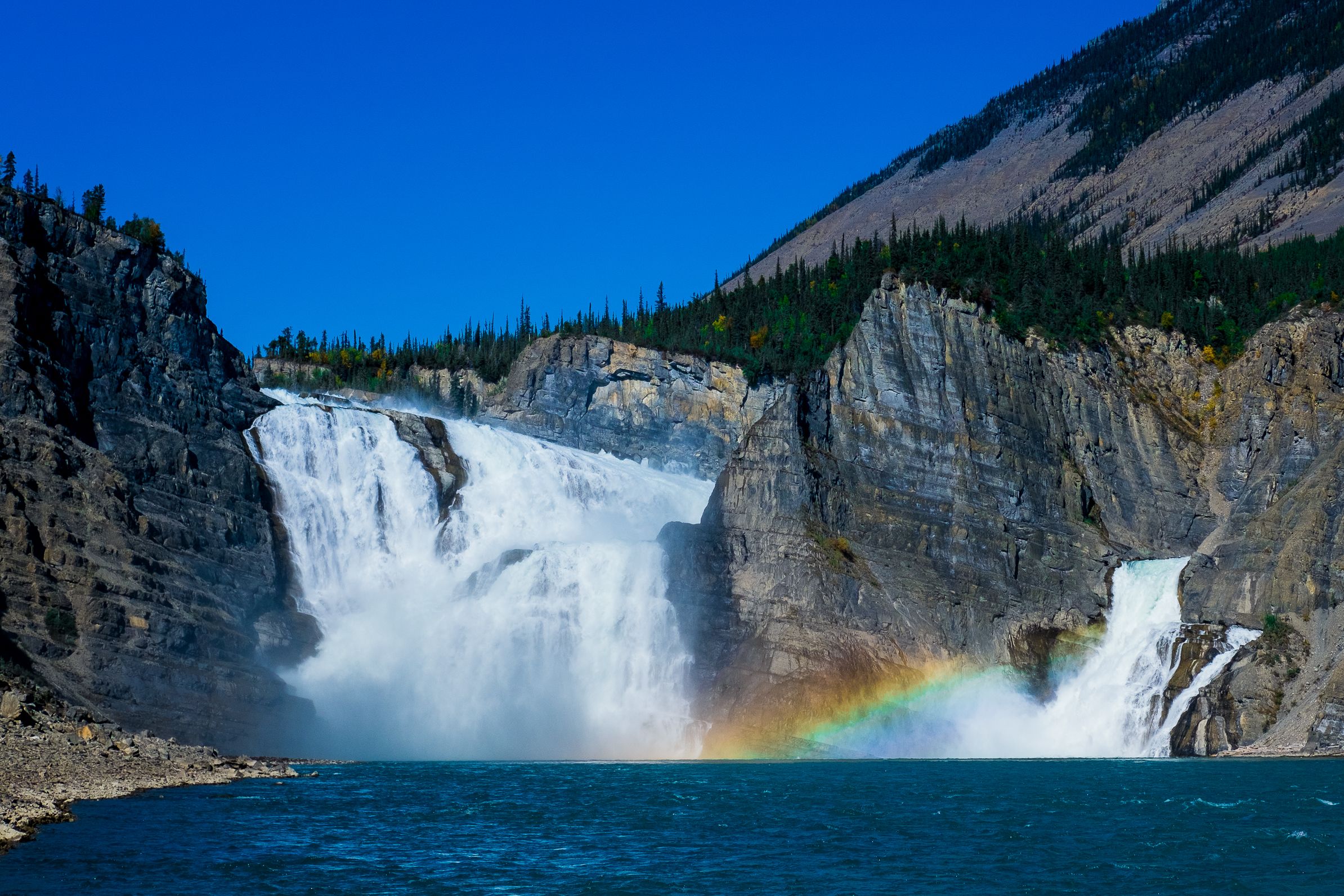
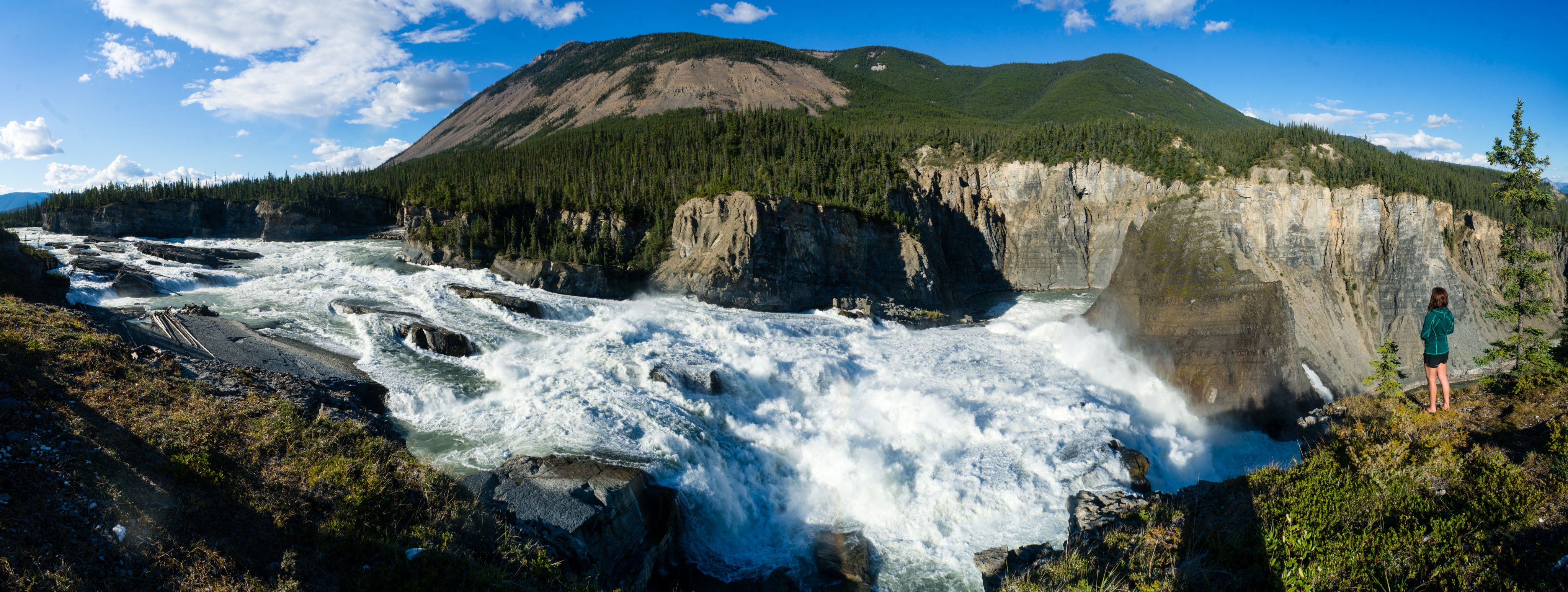
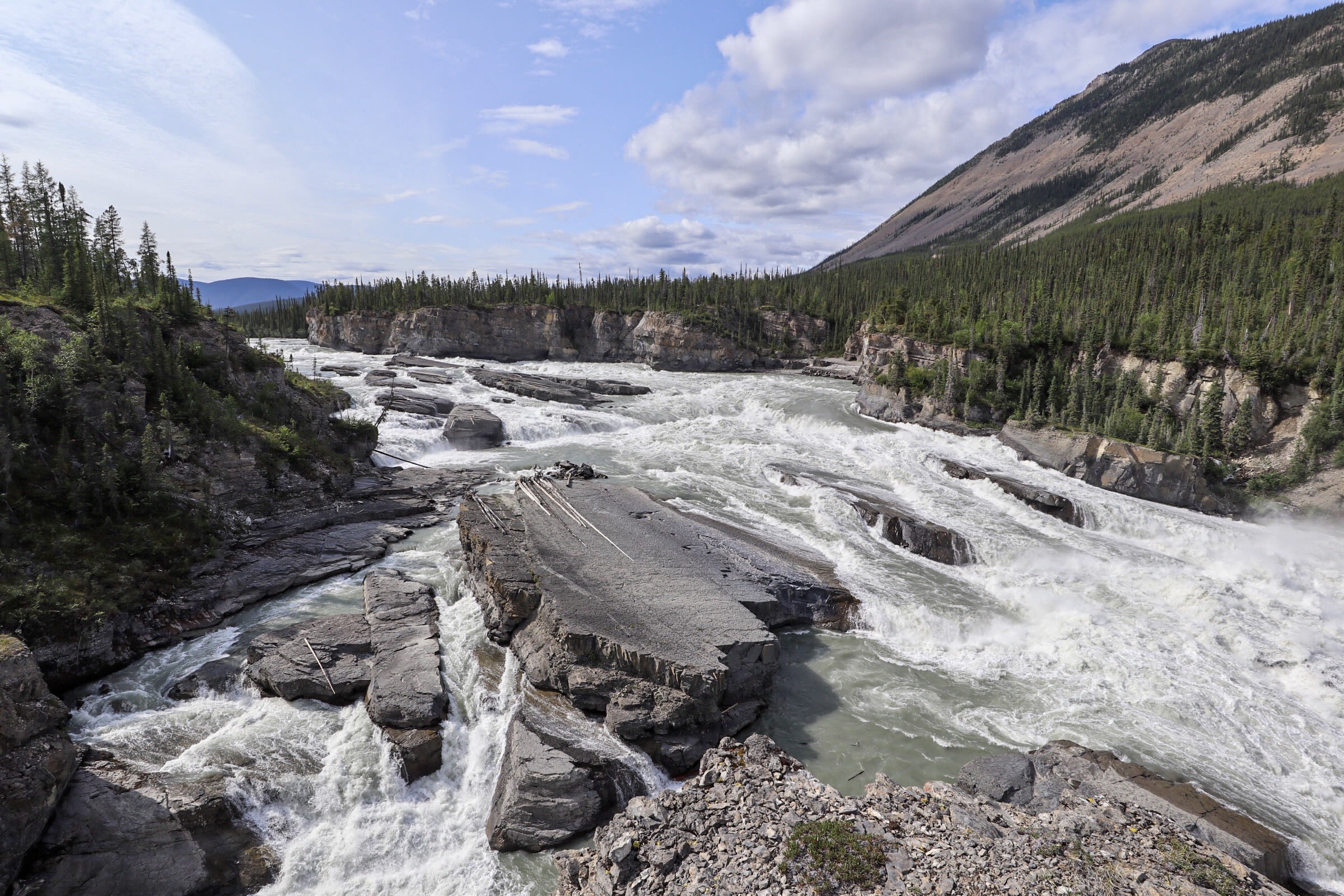
There are many ways to travel the South Nahanni River. You can fly in for a glimpse of Náįlįcho, commonly known as Virginia Falls, which crashes an impressive 98 metres down. You can do a rafting trip through some of the canyons. Or you can commit to something longer, slower, and more immersive: a self-supported canoe expedition.
For Ken and his team, that longer journey is the heart of the Nahanni experience.

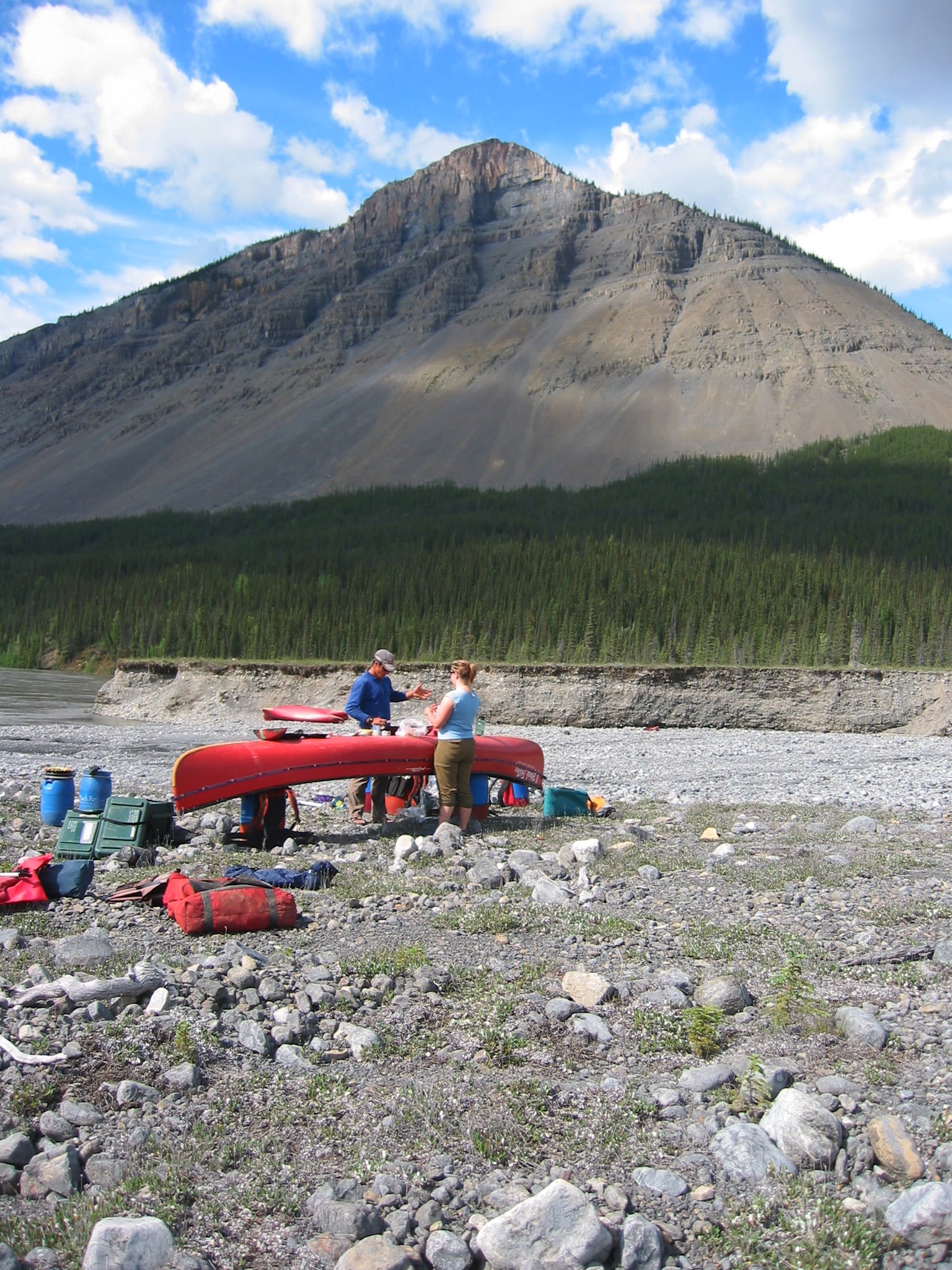
The company offers a wide variety of trip options that match different skill levels and interests, with trips ranging from 10 days to four weeks.
Most of their participants (not clients, as Ken is quick to clarify) come for two or three weeks. They fly into Fort Simpson, transfer to a float base, and lift off again in a bush plane into the region. From there, the river becomes both route and home. Every morning, camp is packed into canoes. Every evening, it is rebuilt. There are no advance crews, no preset dining tents. The group travels self-contained, learning to read the water together.
“The Nahanni is kind of the perfect entry point to wilderness expedition travel,” Ken says. “It has everything.”
Due to the perceived popularity of the Nahanni, Ken says some people believe you can't have a wilderness experience on the river anymore. But he disagrees.
"The upper river is very pristine and unvisited, but even on the lower river, it's not uncommon to have days or even weeks where you don't see anybody."

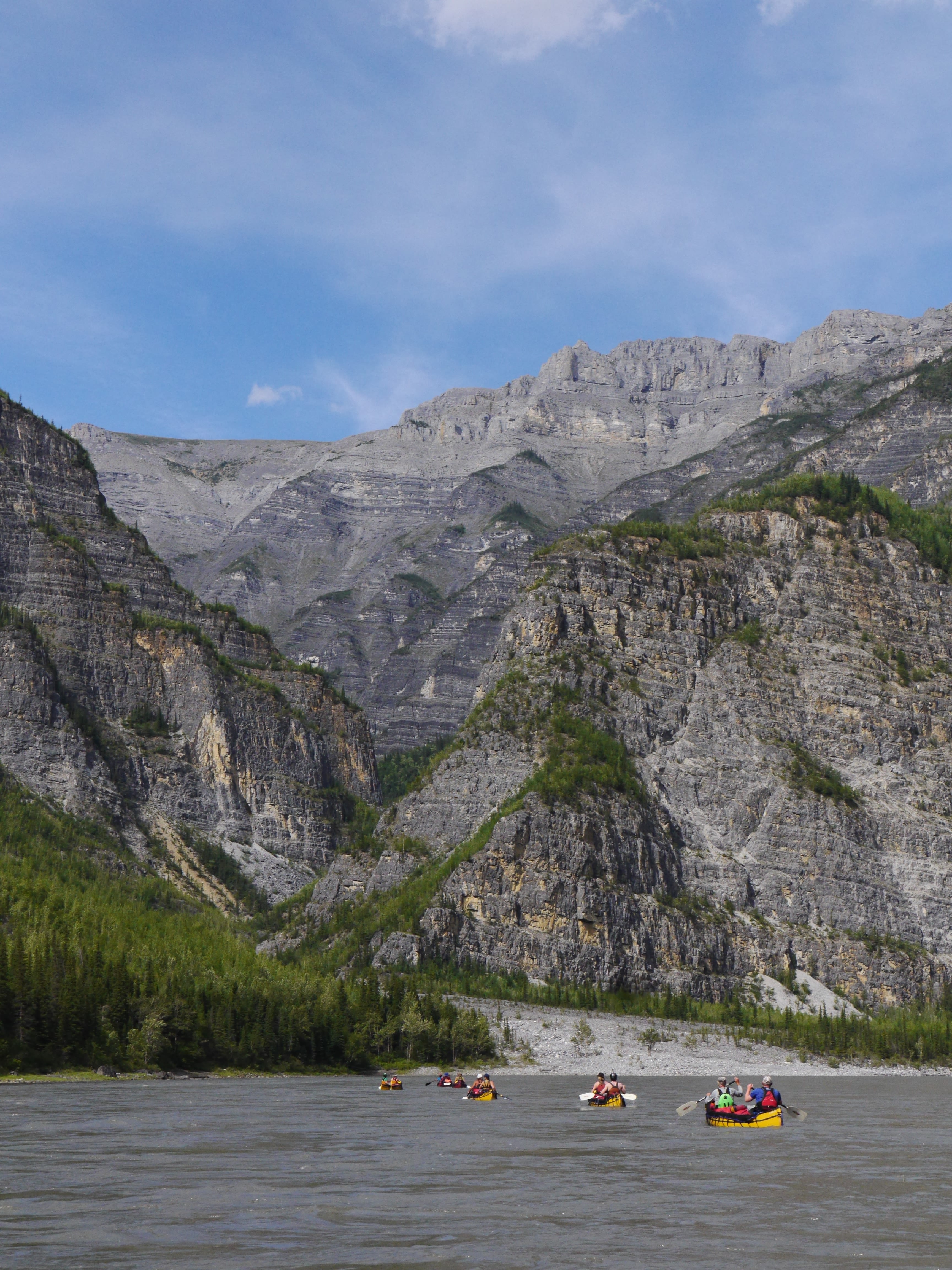

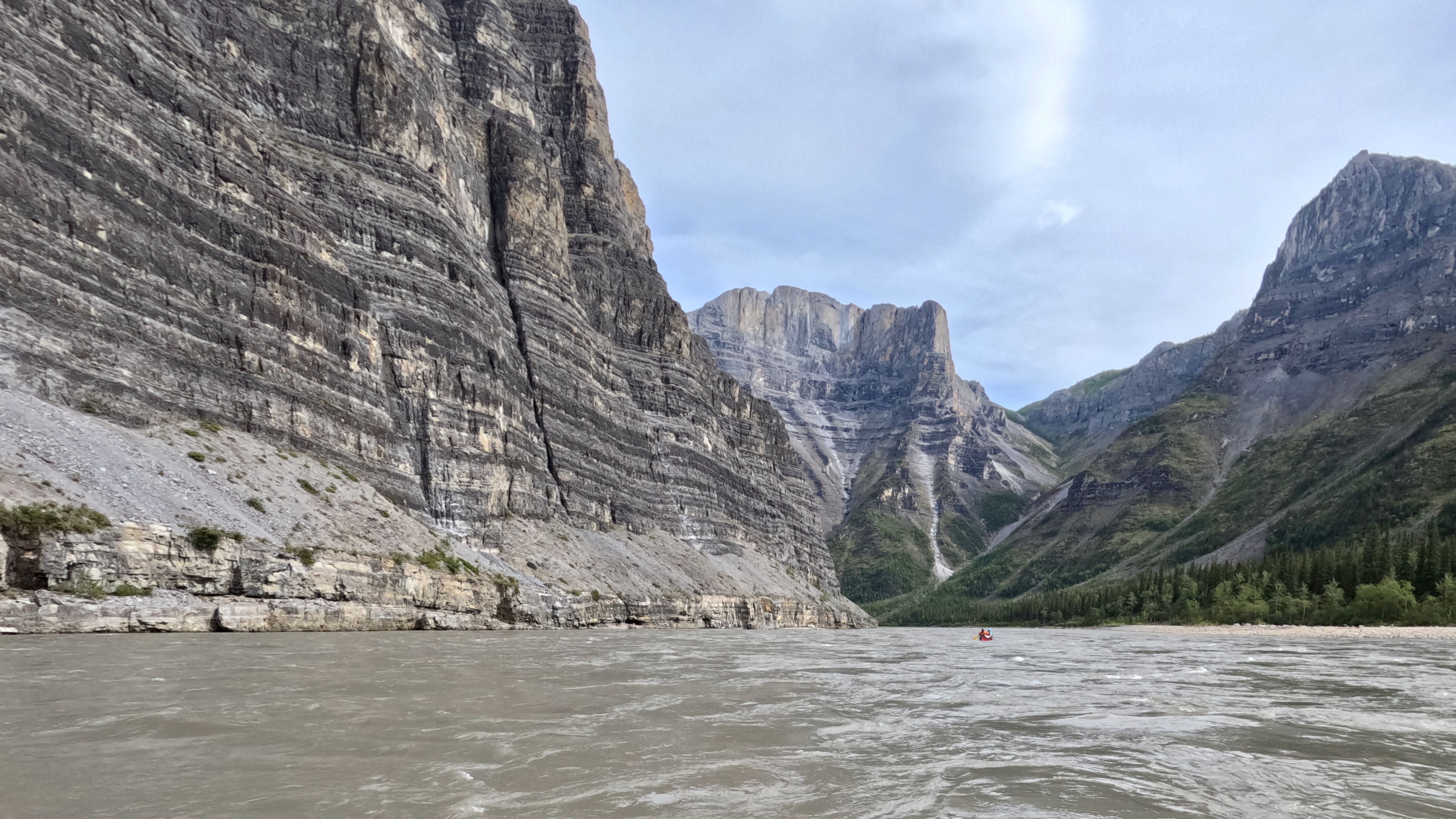

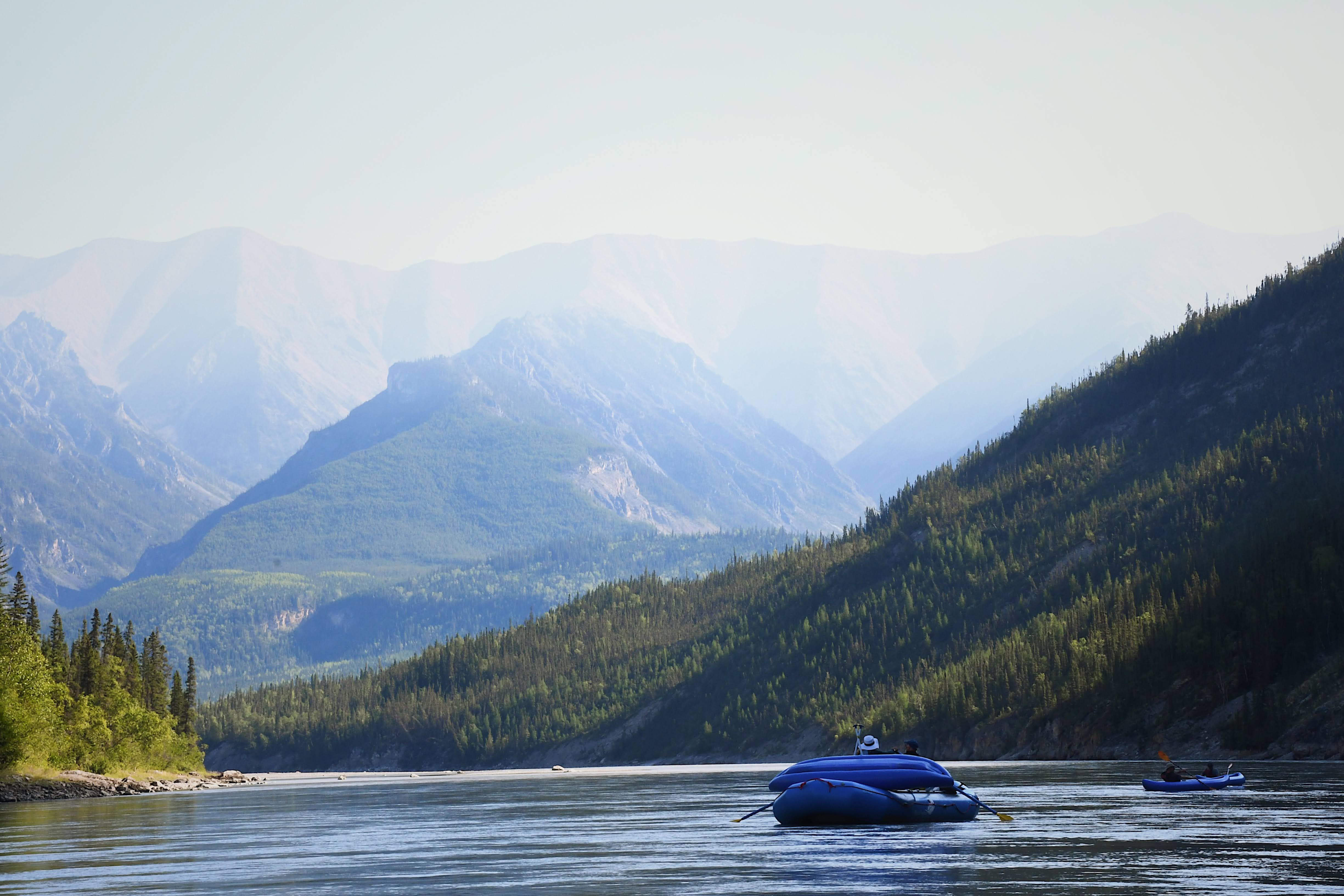
“It tells the story of an old place...It really is, in a lot of ways, the Grand Canyon of the North,”
One of Ken's most memorable Nahanni trips happened about seven years ago. He and his wife Stef were guiding a small group on a three-week whitewater paddling trip. The landed at a place called the Moose Ponds, or Nááts’įhch’oh Tué.
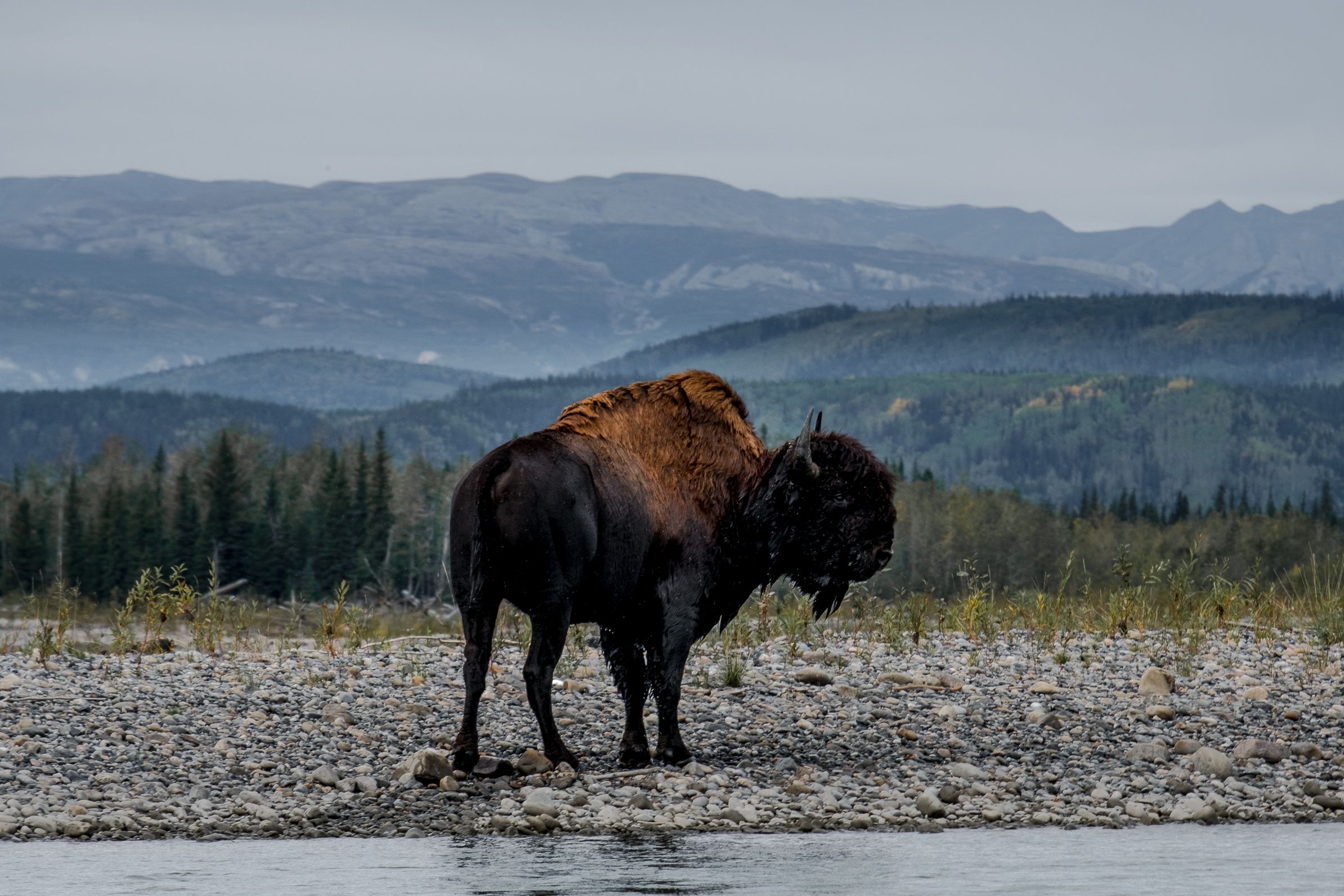
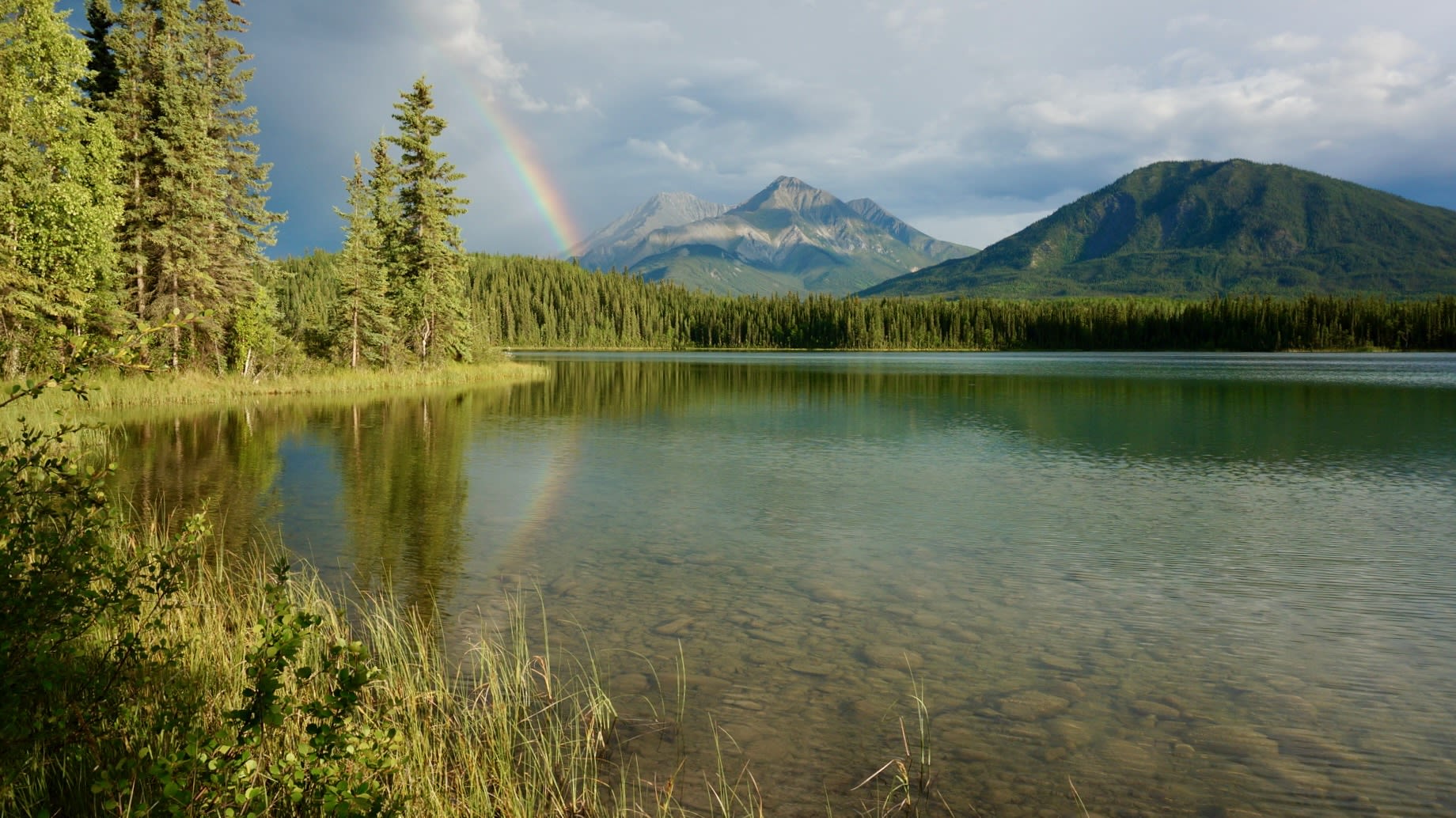
"Our twin otter plan landed us there and then flew away. And about 10 minutes later, over a hundred caribou walked within three feet of us, right through our camp. There were babies and moms. I had never seen a herd that big in the mountains before," Ken says, his voice still full of awe. "And then about five minutes later, one grizzly bear came through following them. And a few minutes late, another."
It marked the start of a special trip that included a huge number of wildlife sightings. On the last night, came another magnificent sight.
"We camped down a place called the Splits," he said. "And a wonderful woman named Sandy, she's a veterinarian and has been on a lot of our trips, she just said, 'You know, Ken, I'm still waiting to see the bison.' We were sitting around playing cards at camp, and I kind of jokingly said, 'Give me a sec, let me just put on my bison spotting glasses for you and see what I can do.'"
It was a matter of ask and you shall receive.
"Twenty bison were walking out of the grass across the river. And I was like, 'How about those ones right there?'" The herd proceeded to graze, and a few of them crossed the river.
"We watched them for an hour, and it was a magical moment."

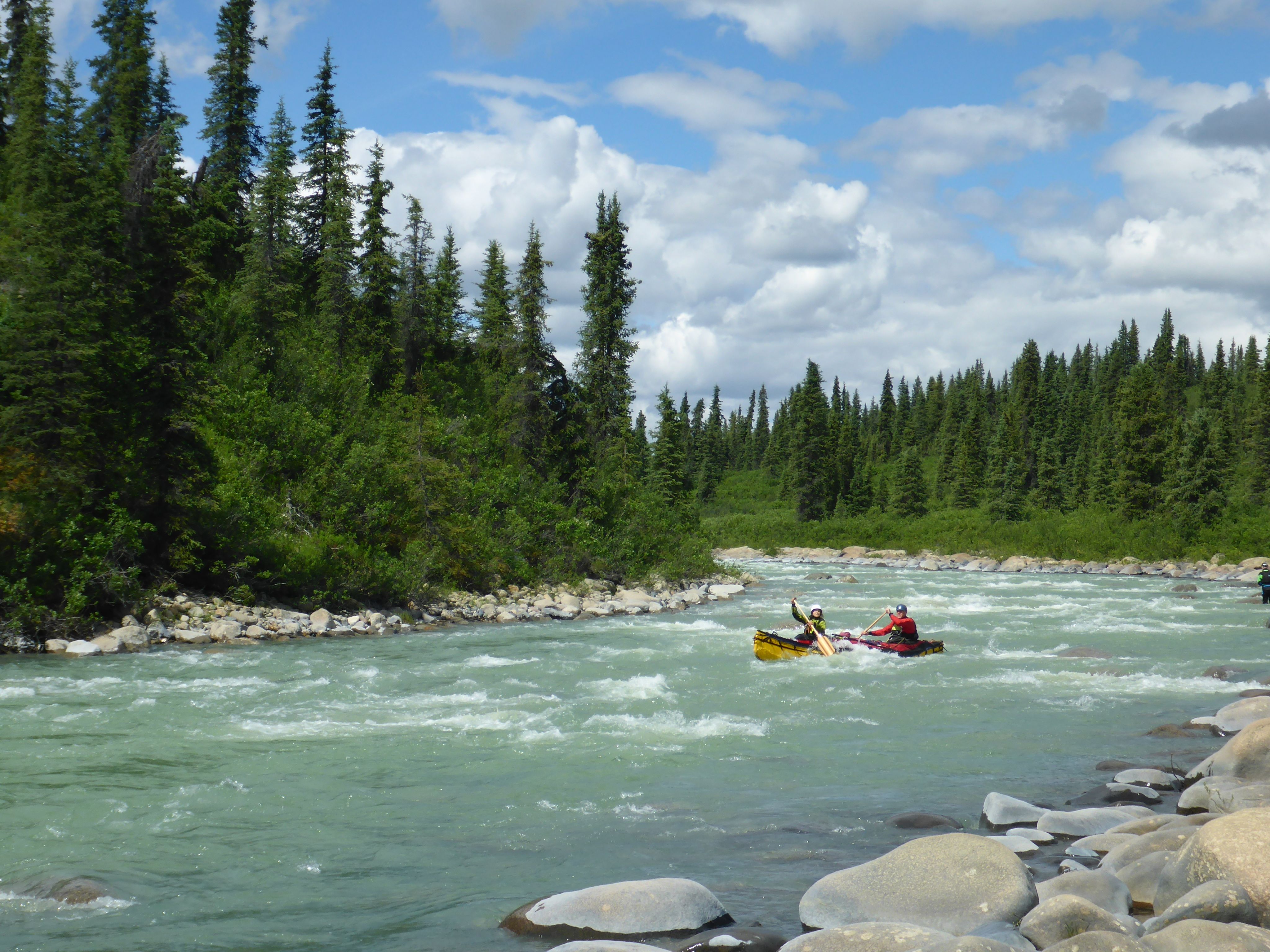


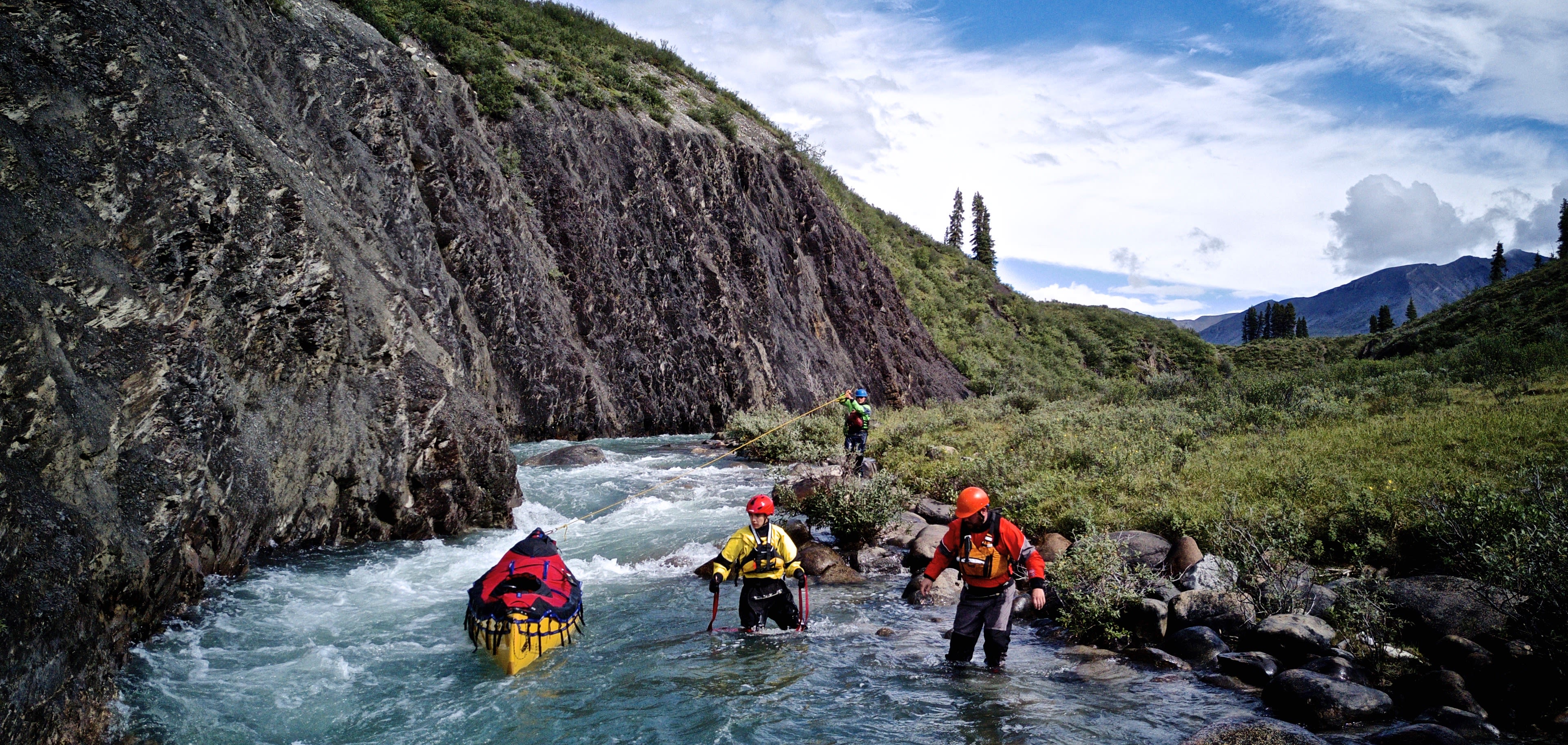

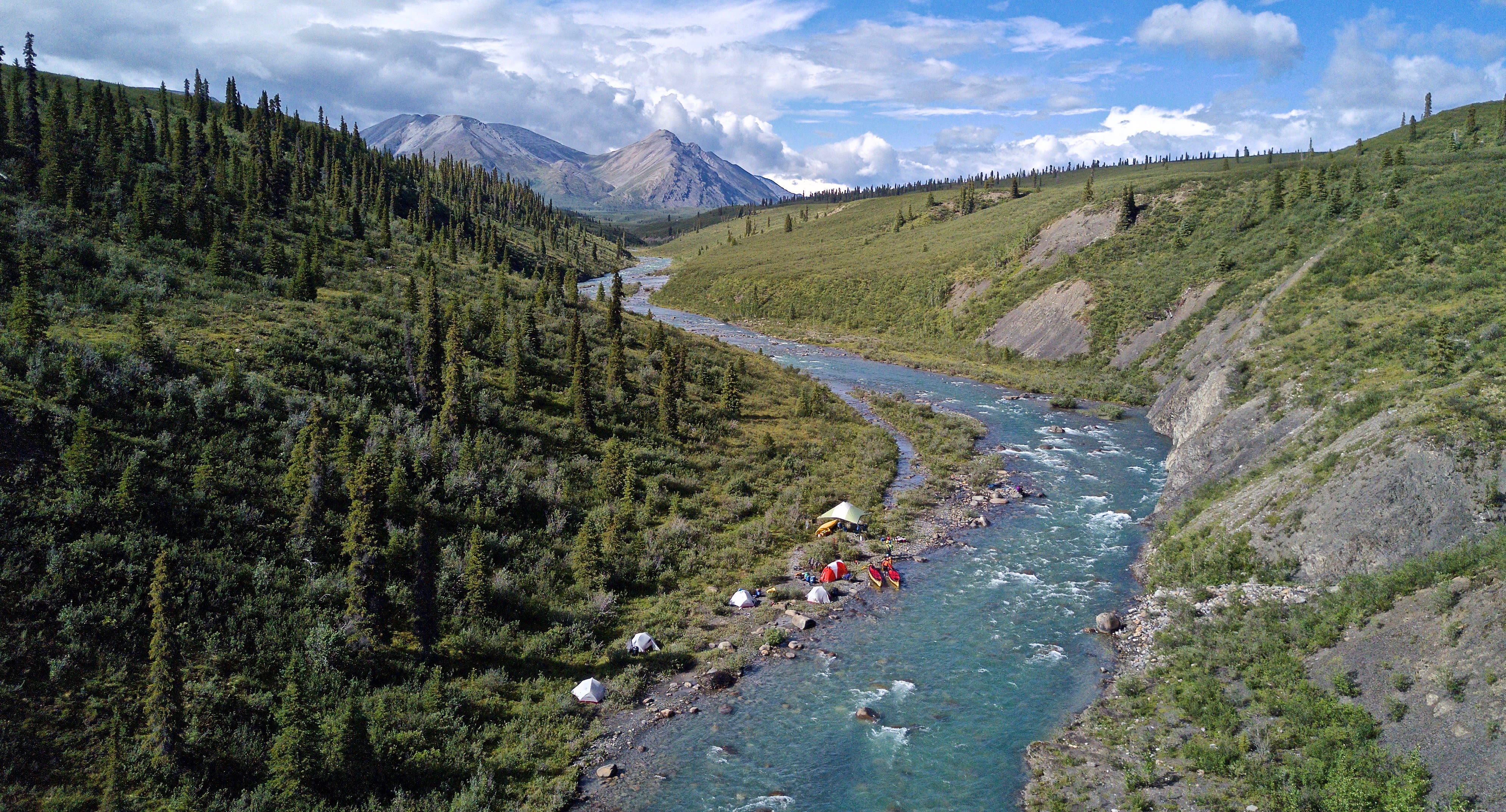
Even though Ken has paddled so many of the routes, he says every trip manages to surprise him.
"It seems like every day there's new and magical highlights," he says. "Maybe it's a hot spring, maybe it's a cold spring, maybe it's a canyon that you're going to walk up and see an incredible viewpoint."
And then there is Náįlįcho — known more widely as Virginia Falls — where the river drops with cathedral force.
“Náįlįcho brings out strong emotions in people,” Ken says. “People can spend huge amounts of time there just looking at it.”

“Expedition-style trips, so being out there that long, people find a certain at peacefulness,” Ken says. “They start sleeping well. Their digestion gets perfect. They forget what day it is, and they become truly present in the wilderness.”
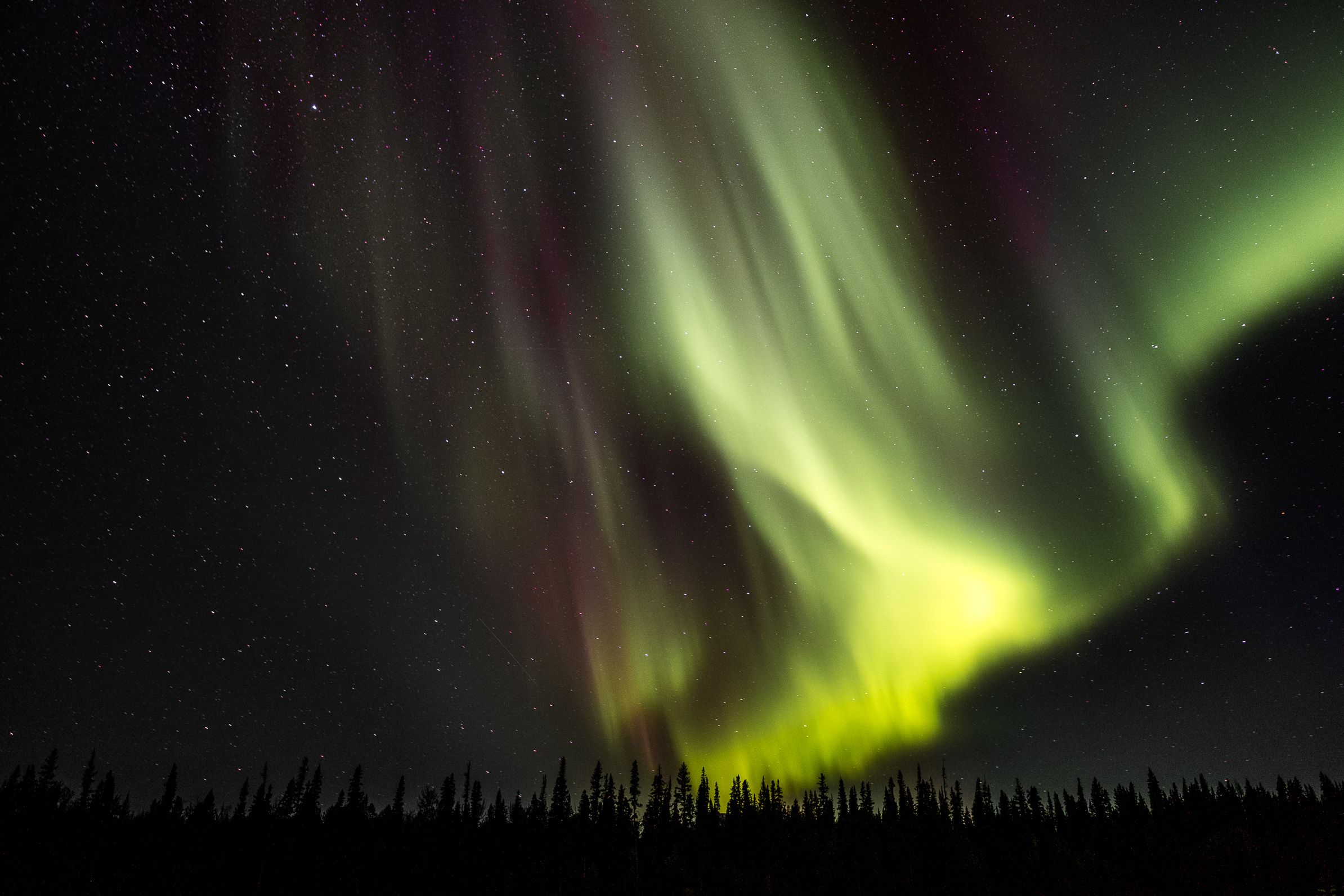
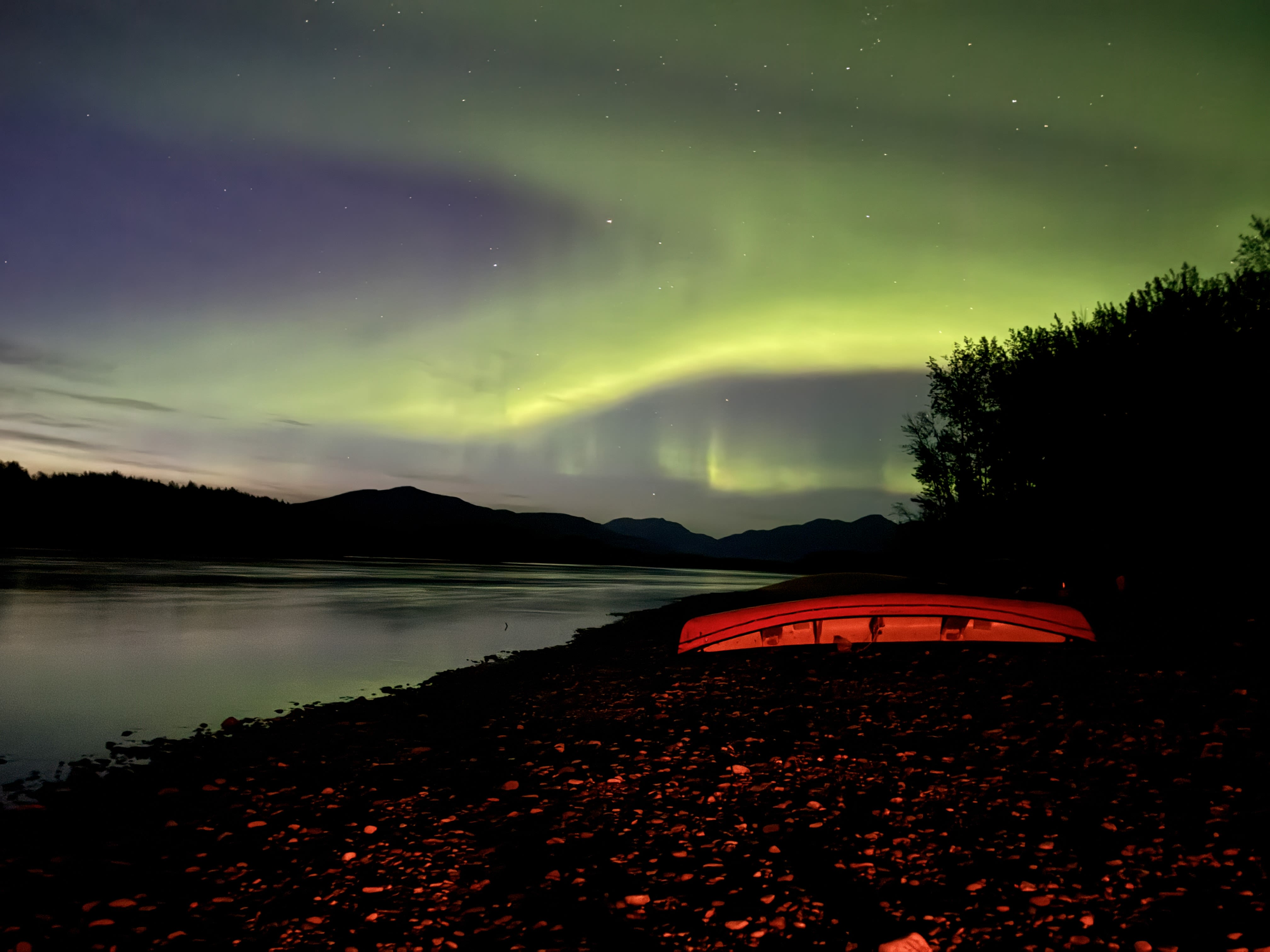
Somewhere around day five, something shifts. The urgency of schedules dissolves. Camp routines become rhythm, and evenings stretch long under northern light. In mid to late August, the Aurora begins to flicker above gravel bars and canyon rims.






“Náįlįcho brings out strong emotions in people. People can spend huge amounts of time there just looking at it.”
The Nahanni carries stories layered within it — geological forces, Dene histories tied to the land, early prospectors drawn by gold, and generations of paddlers who have measured themselves against its current. Yet the river resists becoming a relic. It feels active, alive, continually revealing something new.
“The range of experiences I’ve had — where the animals have been, what the weather’s like, whether the northern lights are out — getting bored is absolutely not an issue," Ken says. "I’ll be going back there forever.”

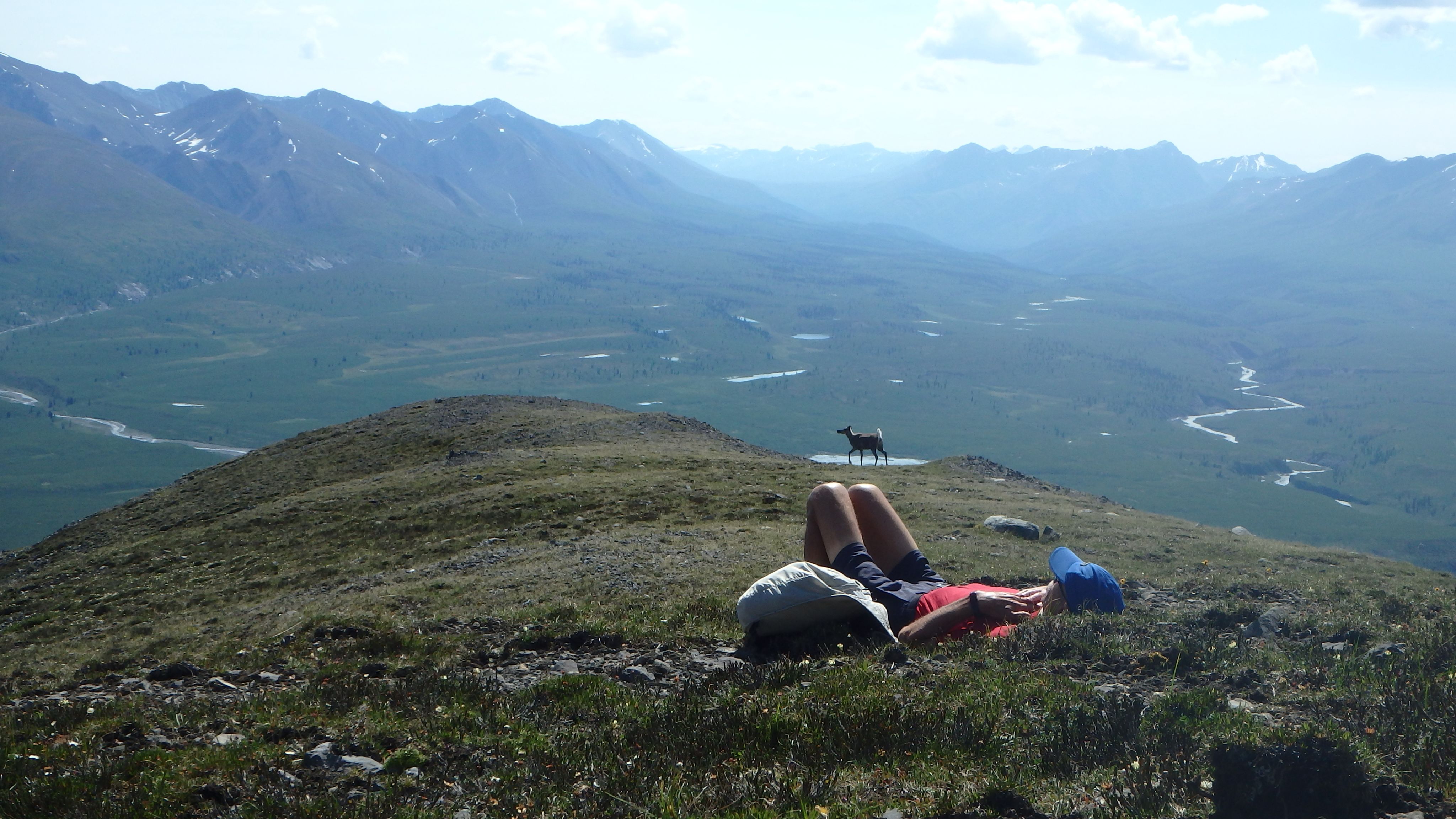
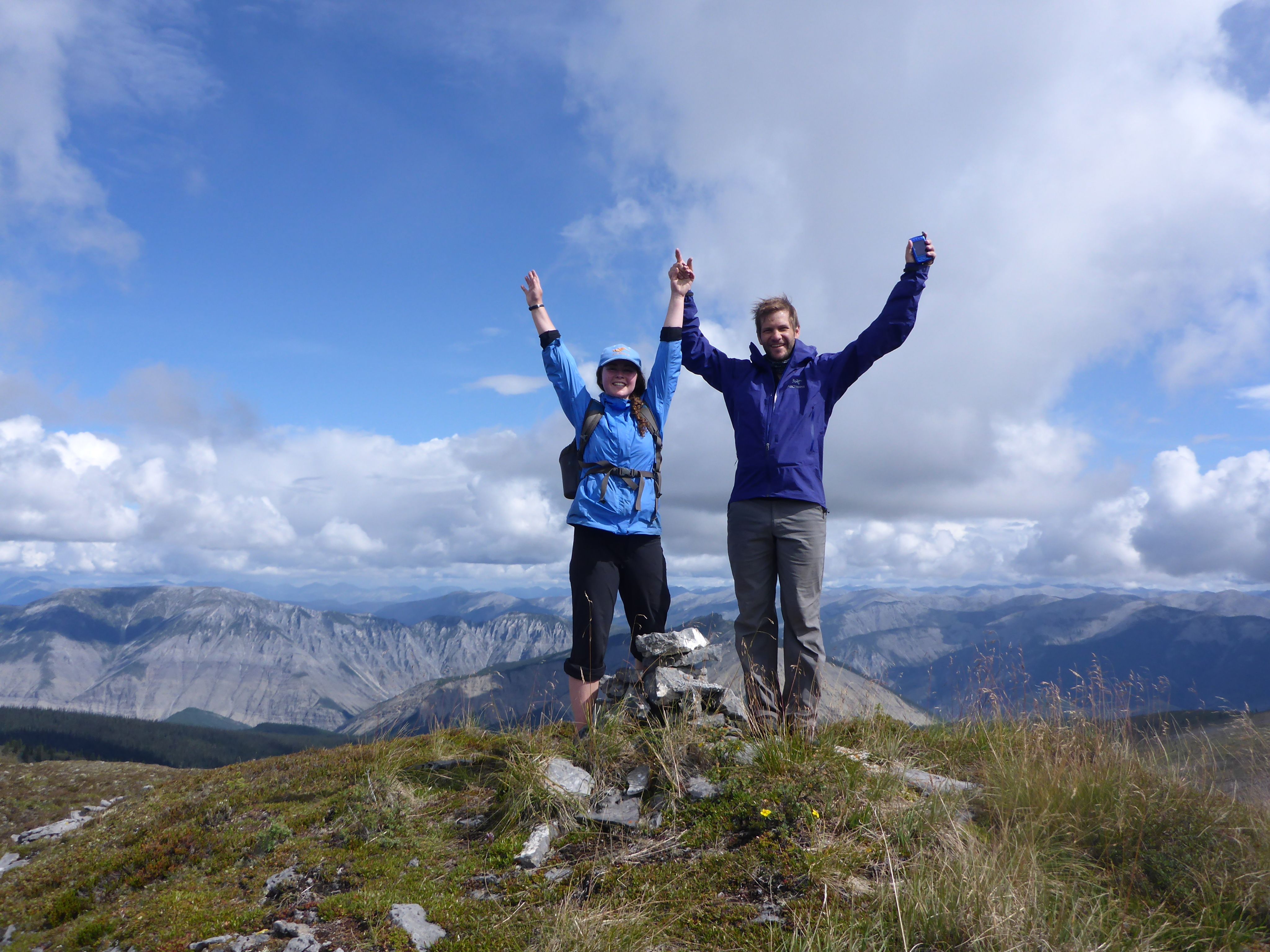
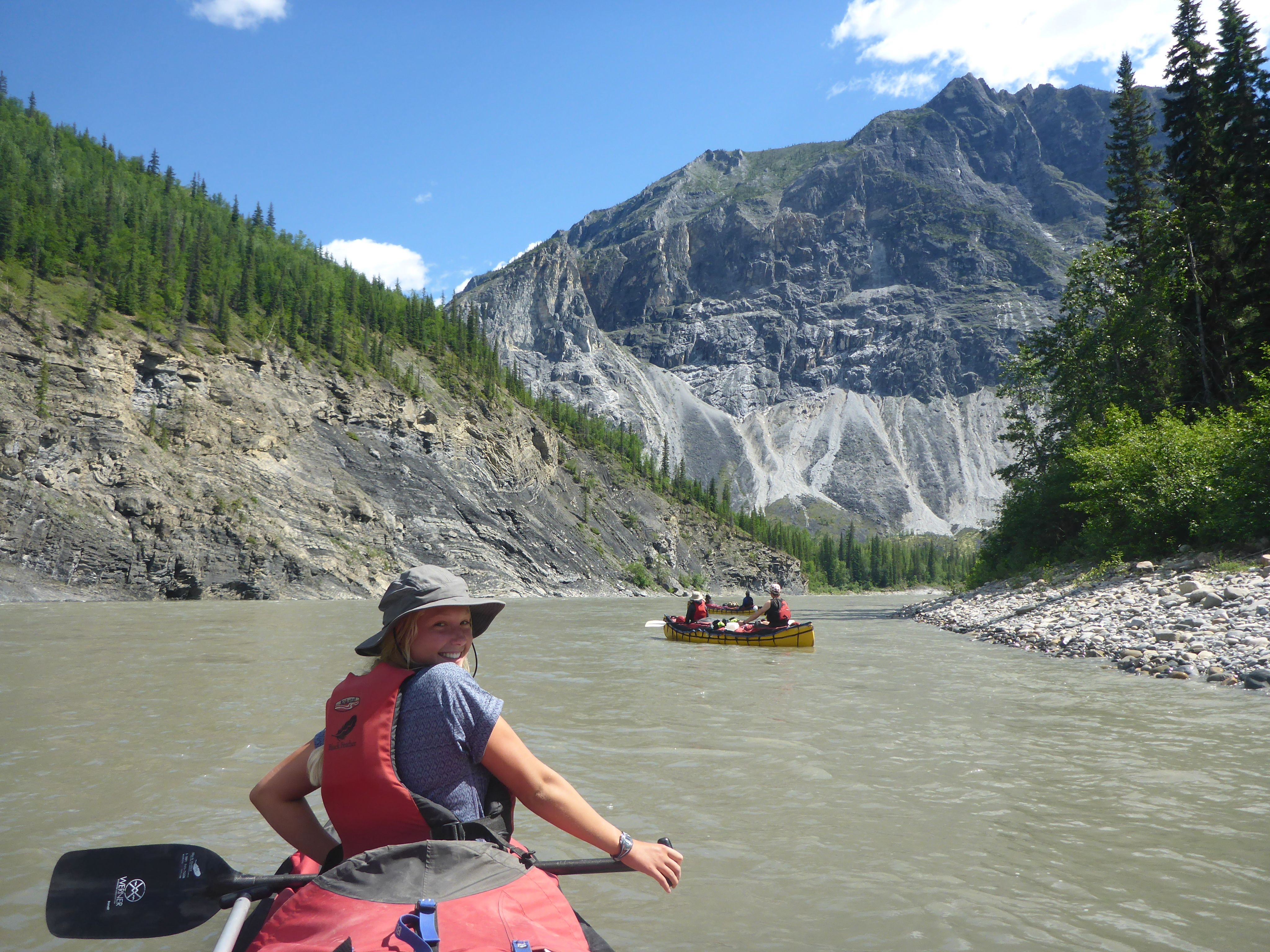
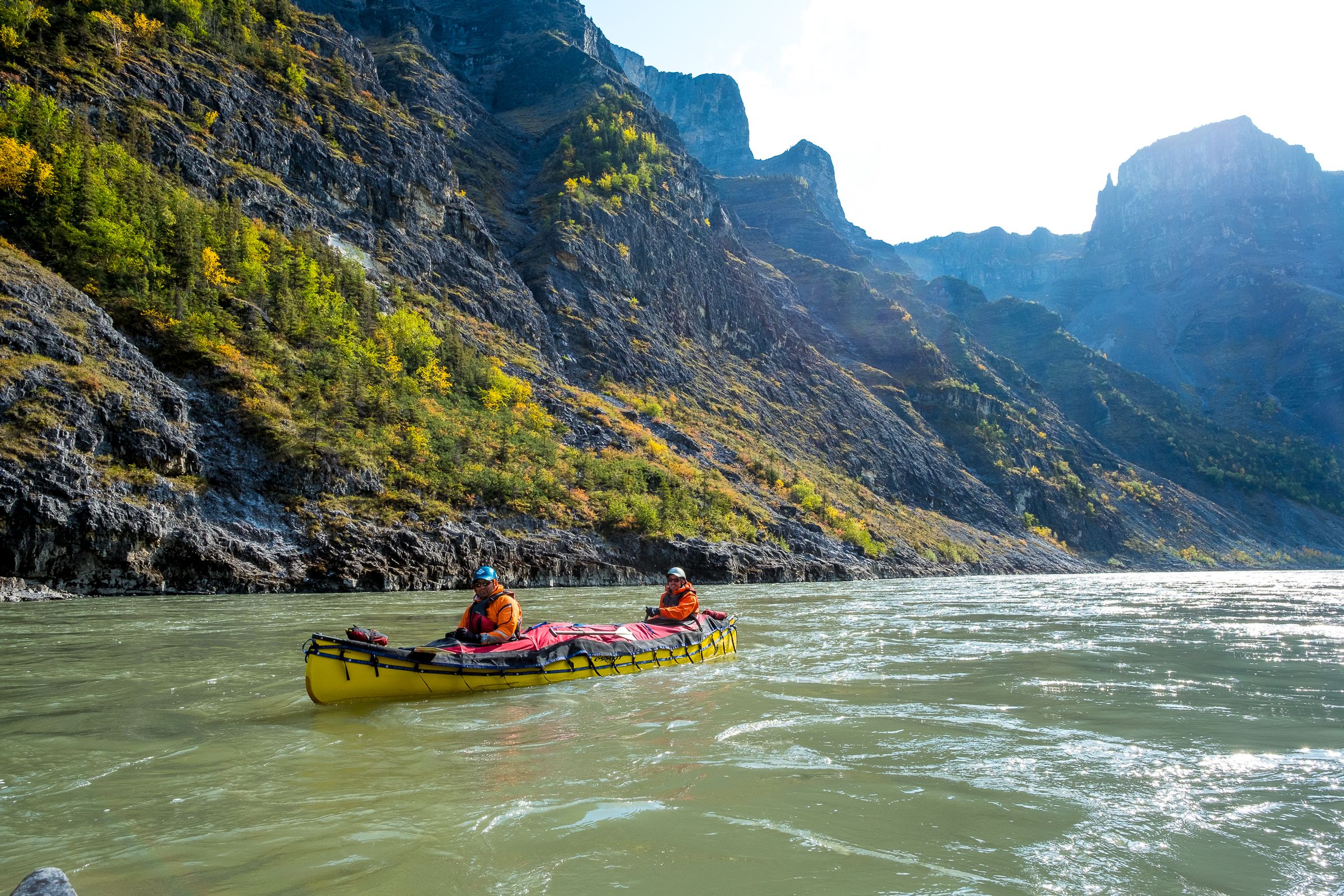
Photo: Black Feather
Photo: Black Feather


Step into the story.