
Rooted Along the Bay
The Bay of Quinte welcomes visitors with experiences rooted in community
By Izabela Jaroszynski
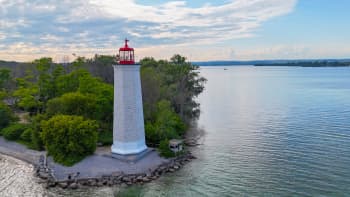
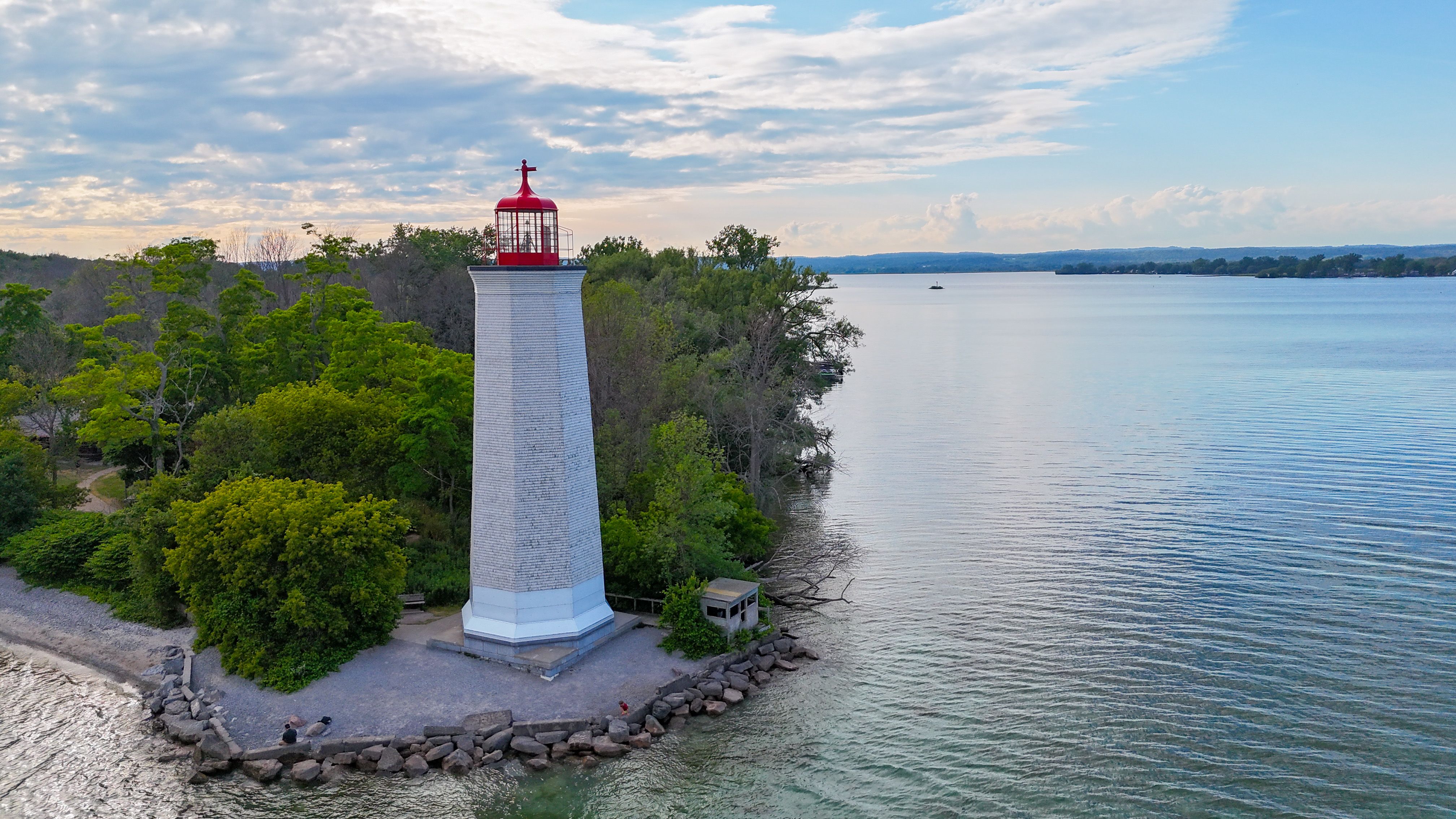
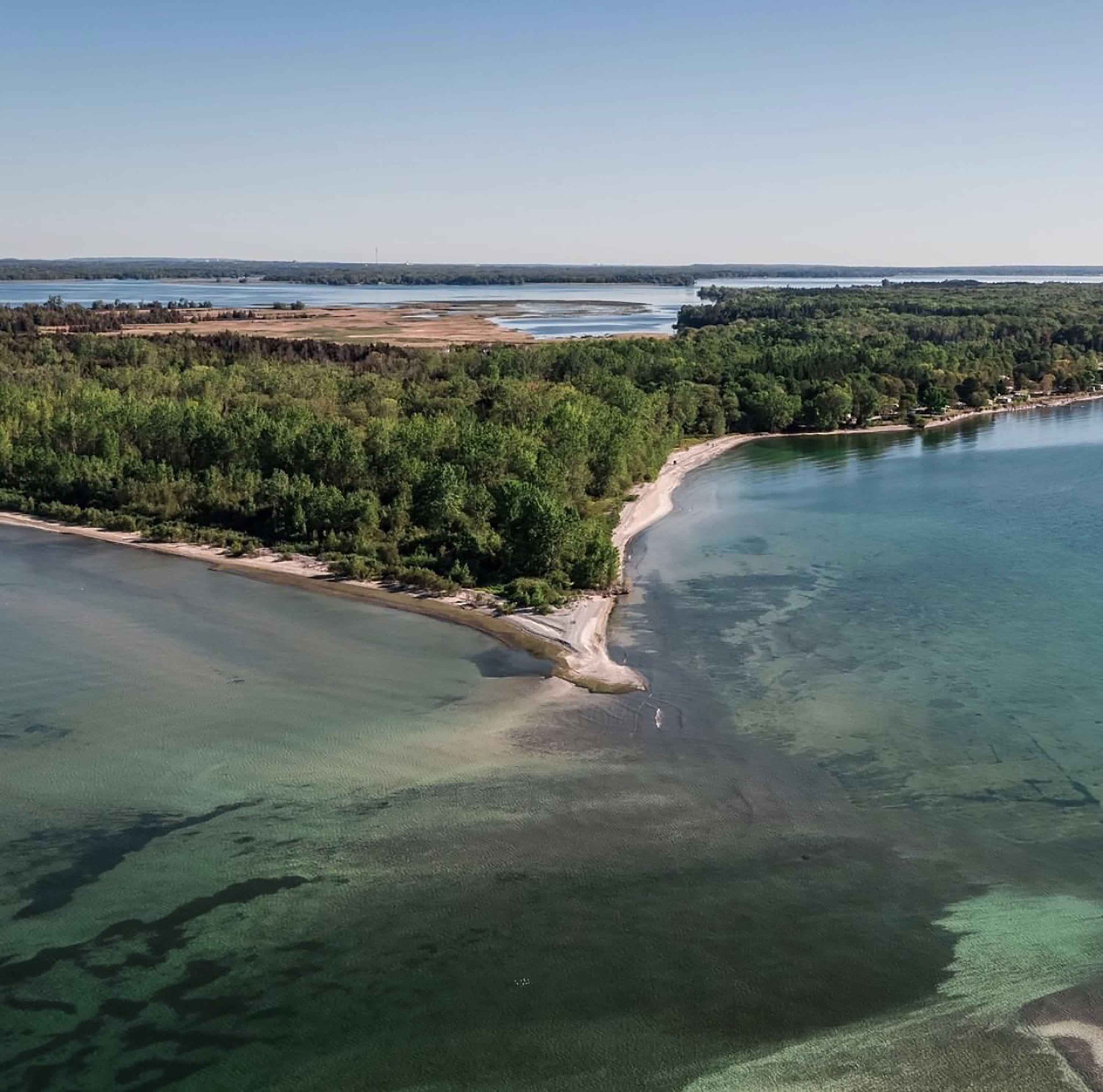
The lighthouse rises from the flat sweep of sand and marsh along Presqu’ile Point, standing steady against the wind off Lake Ontario.
Built in 1840, the Presqu’ile Point Lighthouse has long marked a complex navigational point on this stretch of shoreline. The land beneath it is a tombolo: a narrow bar of sand and gravel formed by longshore currents that gradually connected what was once an island to the mainland. The name Presqu’ile is French for “almost an island,” a literal description of the geography.
For many today, Presqu’ile Provincial Park is a stopping point in the region — a place for a shoreline hike, a picnic under the cottonwoods, or an overnight camping trip. It marks the edge of Lake Ontario and, often, the beginning of a weekend away.
From the point, the sand dunes of Prince Edward County are visible across the water. Beyond them lies the Bay of Quinte — a long, sheltered inlet of Lake Ontario that stretches inland for nearly 100 kilometres in a distinctive zigzag shape. Prince Edward County forms its southern edge; to the north lies the region that shares the bay’s name.
To understand the region, you have to move beyond the lookout point. The real story unfolds inland — in fields, workshops, apiaries, and farms where visitors are invited to take part. I head into the region on a two-day visit to discover some of these immersive experiences for myself.


Beekeeping 101: Just Bee Cuz Honey Farm
Less than 15 kilometres north of Belleville, in the rural community of Plainfield, Frances McParland sets out a flight of honey. Small glass cups with tasting spoons are arranged in a neat row, filled with everything from early-harvest wildflower honey to infused varieties — ginger and turmeric, peanut butter, chocolate, and hot honey made with chipotle seasoning and dried chilli peppers.

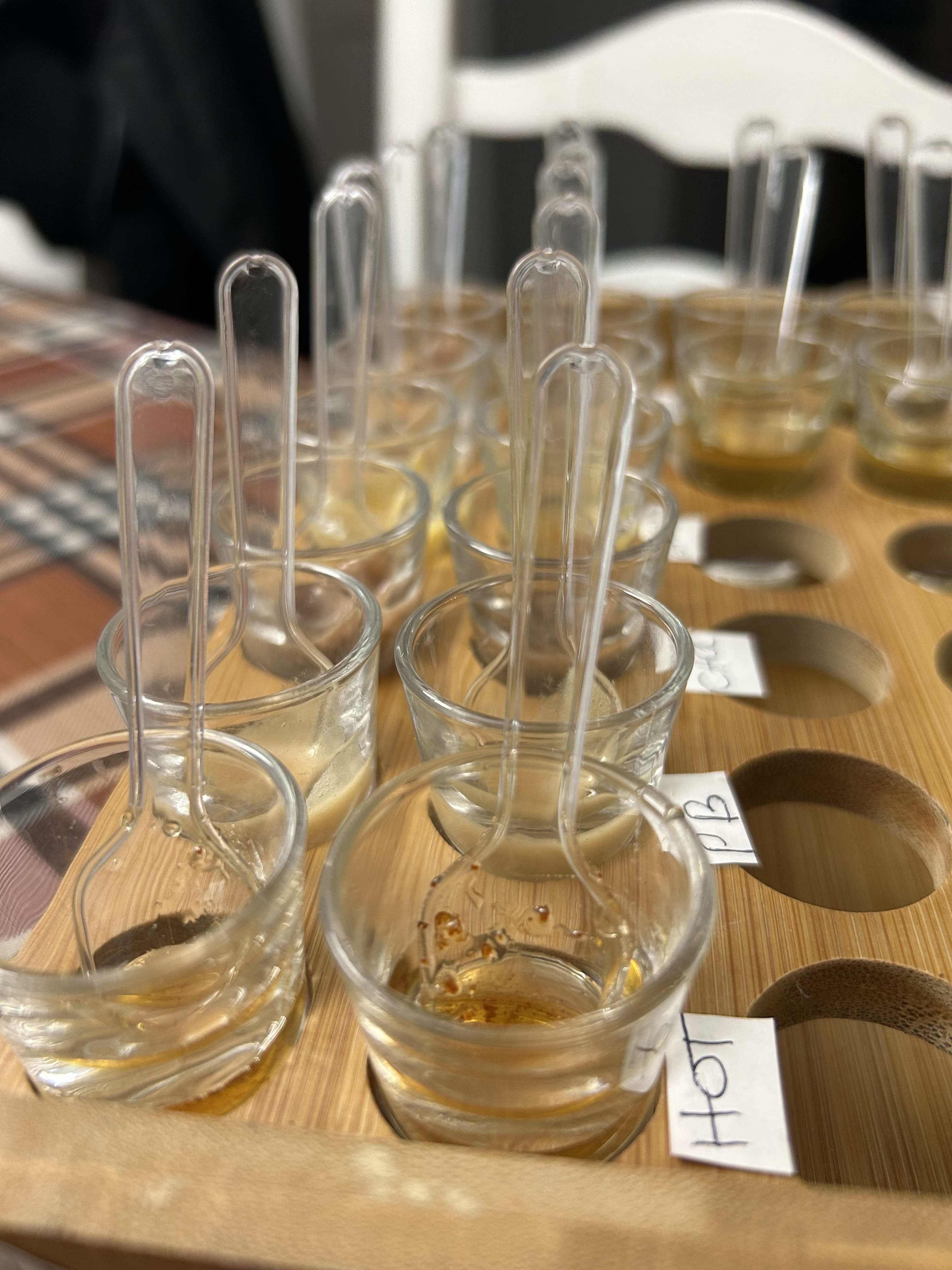
Photo: Izabela Jaroszynski
Photo: Izabela Jaroszynski
“It’s all raw, unpasteurized honey,” Frances tells me, explaining how each batch is harvested from her apiary. Crisp slices of local apple act as palate cleansers as we move from one tasting to the next, noticing differences in colour, texture, and flavour shaped by what the bees have foraged and Frances has added.
Frances and her husband relocated to the Bay of Quinte region from North Bay in 2017, drawn south to be closer to family. Beekeeping began as a personal interest and quickly grew into something more intentional.
“When I'm in my bee yard and in my garden, that’s my therapy place. I find that’s where I get my creative ideas,” Frances says.
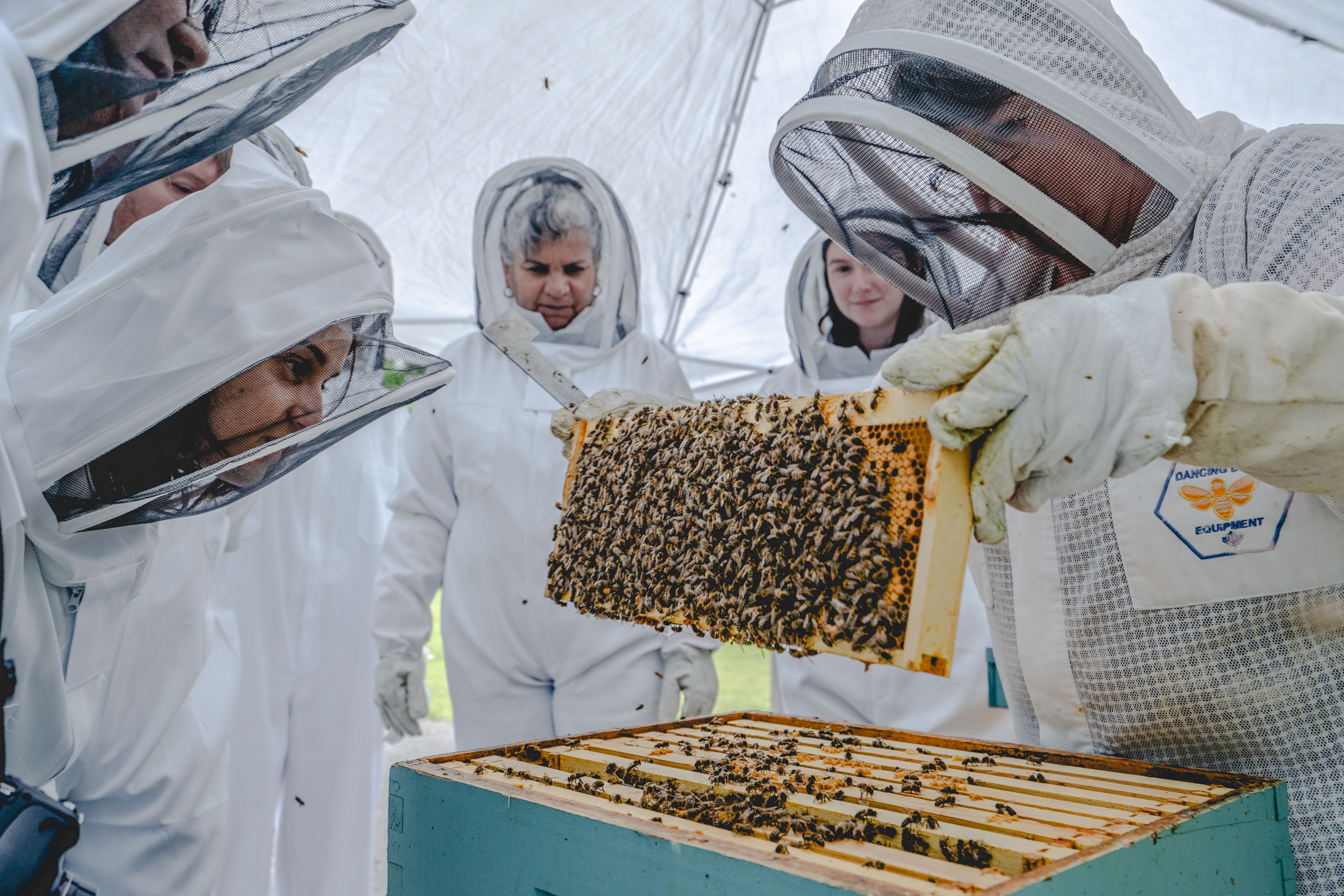
Just Bee Cuz Honey Farm is a small-scale apiary, a shop selling honey products and crafts, and an experiential tourism space. Guests suit up in protective suits, learn how hives function, observe frames heavy with bees, and hear firsthand why pollinators are critical to orchards, gardens, and farms across the region.
"People are always so amazed at how calm the bees are. They don't pay any attention to us; they are just busy doing their thing," Frances says. "You can smell the honey and smell the beeswax; it encapsulates all your senses at the same time."

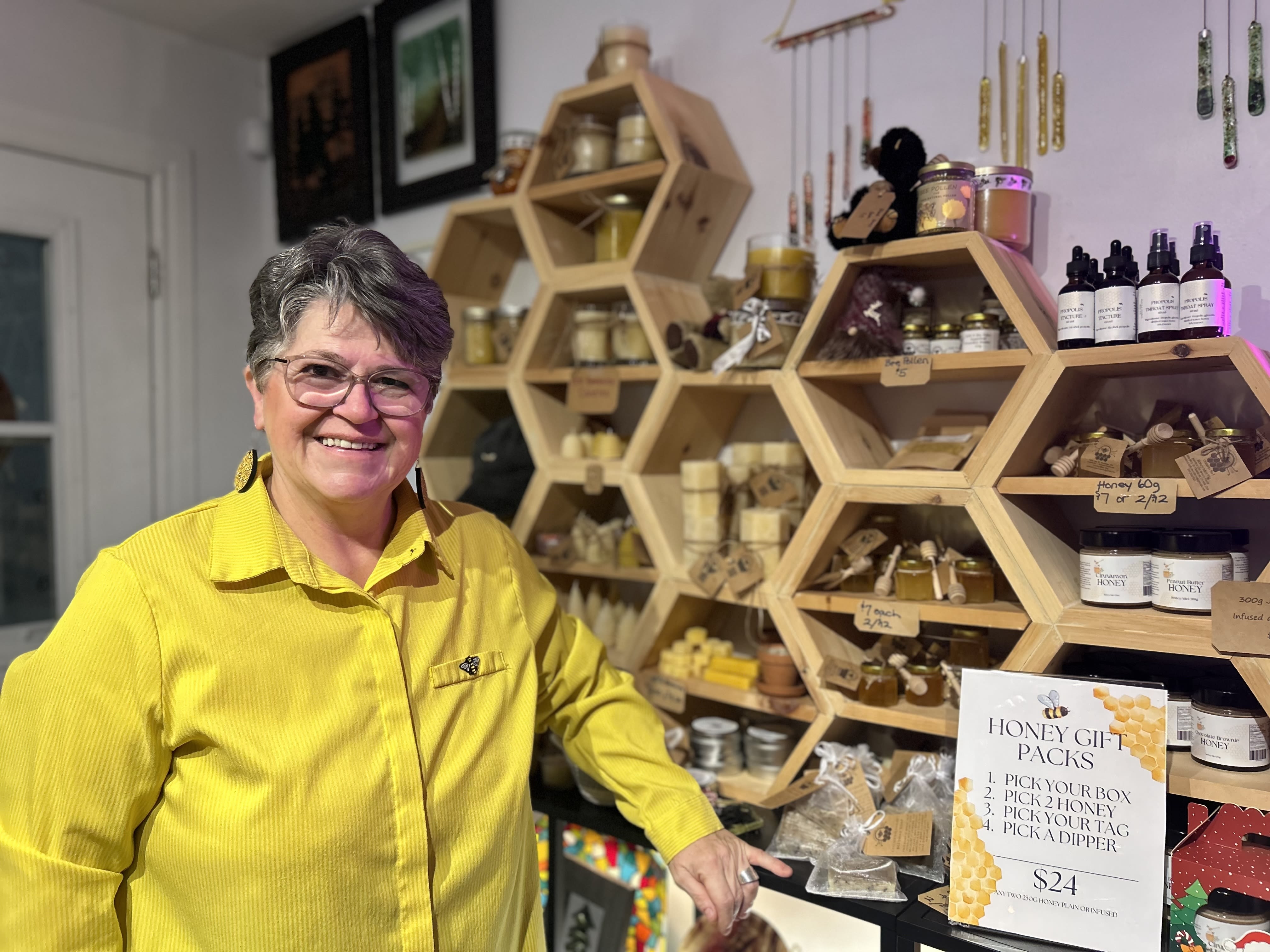
Photo of Frances McParland, by Izabela Jaroszynski
Photo of Frances McParland, by Izabela Jaroszynski
For Frances, the work is rooted in passion and care. Her knowledge of bee biology and honey production runs through the experience, as does the joy with which she approaches her work.
Bees carry the landscape with them — from orchard blossoms to roadside wildflowers — and it lingers in every jar. At Just Bee Cuz, that connection feels tangible. The honey holds the season, and the experience offers a glimpse into the steady, attentive care behind it.

A Berry Good Time: Brambleberry Farm
Just north of Trenton, the land rises into the scenic Murray Hills. This area is home to Brambleberry Farm, where rows of berries stretch across fields that have been in Elaine Kruithof's family for more than four decades.
"Things have changed. We are constantly battling climate change," Elaine tells me as she takes me on a tour of the sprawling farm.
Elaine's family bought the property in 1981. She remembers the early days — helping her dad plant the thousands of trees that are now a wooded oasis, and learning the ups and downs of berry farming alongside her parents.
Elaine now braces and plans for all the pitfalls that can cause big losses: late frost, sudden downpours, and stretches of drought that stress the plants. She shows me some of the technology they use to mitigate the effects of climate change and the many sustainable elements of the farm.
"Farming is not just plant-and-grow anymore; it's a battle. We are battling for the future."
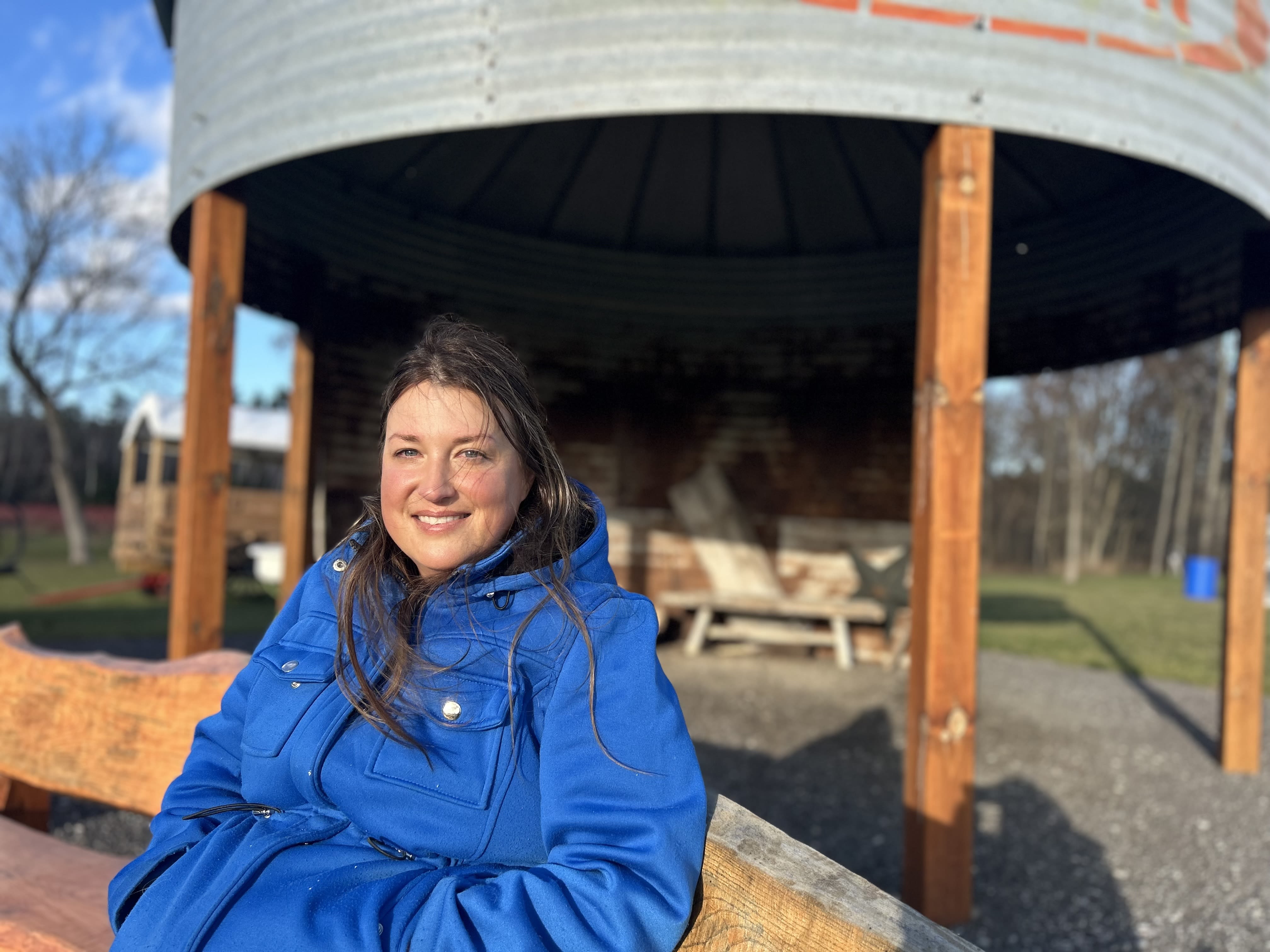
Photo of Elaine Kruithof, by Izabela Jaroszynski
Photo of Elaine Kruithof, by Izabela Jaroszynski
The farm grows multiple varieties of blueberries and raspberries, alongside cherries, currants, and some vegetables. People come to pick their own berries ("this is so popular," Elaine says) or to purchase from the farm store.
But now with Elaine at the helm, the farm is leaning more into experiential tourism, allowing guests to not only see the harvest, but the commitment behind it. It is an invitation to understand where food comes from, and what it takes to protect it.
From school groups to her Let's Get Growing workshops, Elaine is building a more sustainable source of income in a time of climate uncertainty. And she's always keeping an eye on the future.
"Everything I'm building here, I'm intentionally leaving space for my kids to one day do something that interests them," Elaine says.
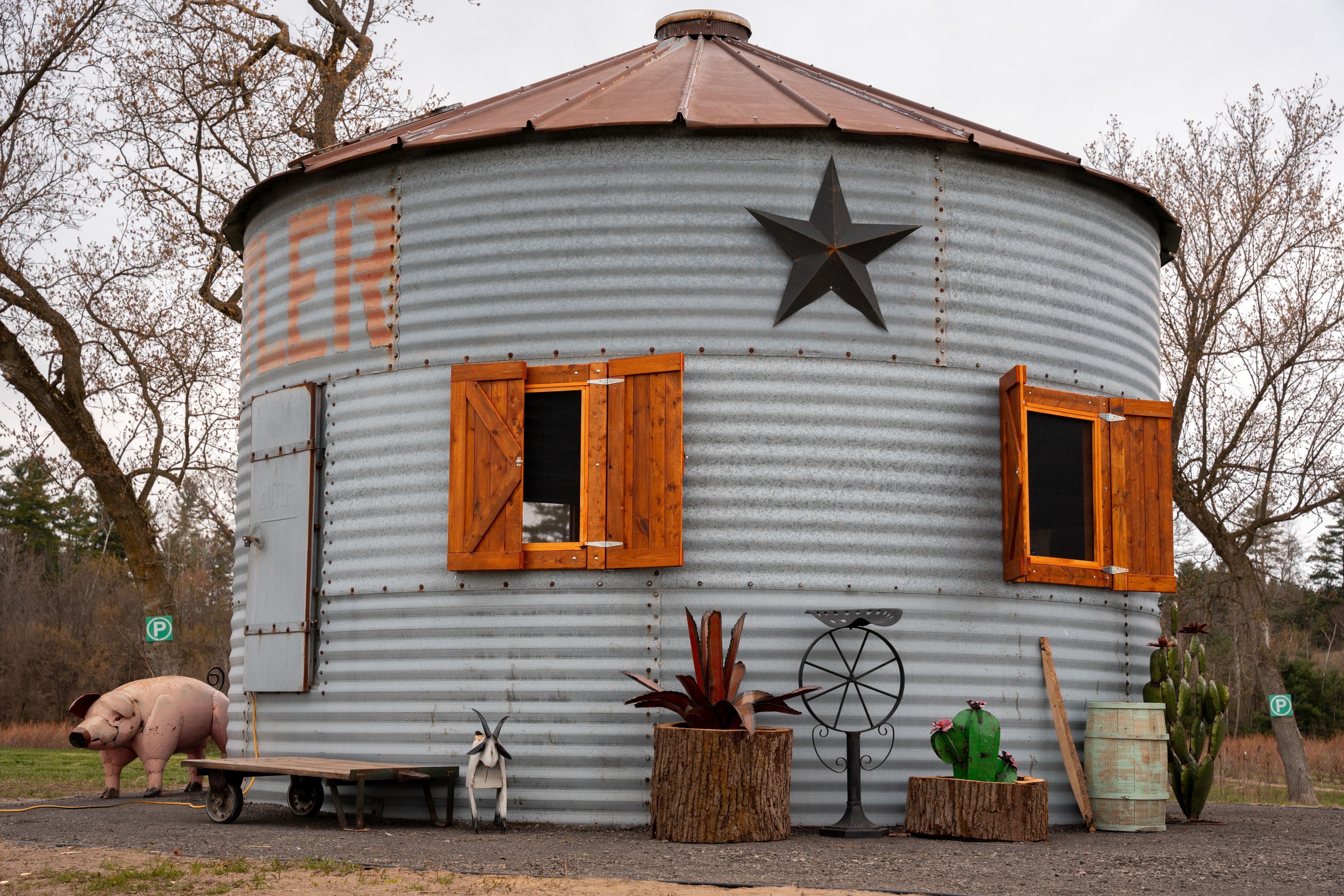
We pass by rows of blueberry plants, strawberry patches (some that grow in June and others in the fall), cherry trees, a flower garden and greenhouses as we make our way towards the repurposed grain bin that Elaine now uses as her workshop space.
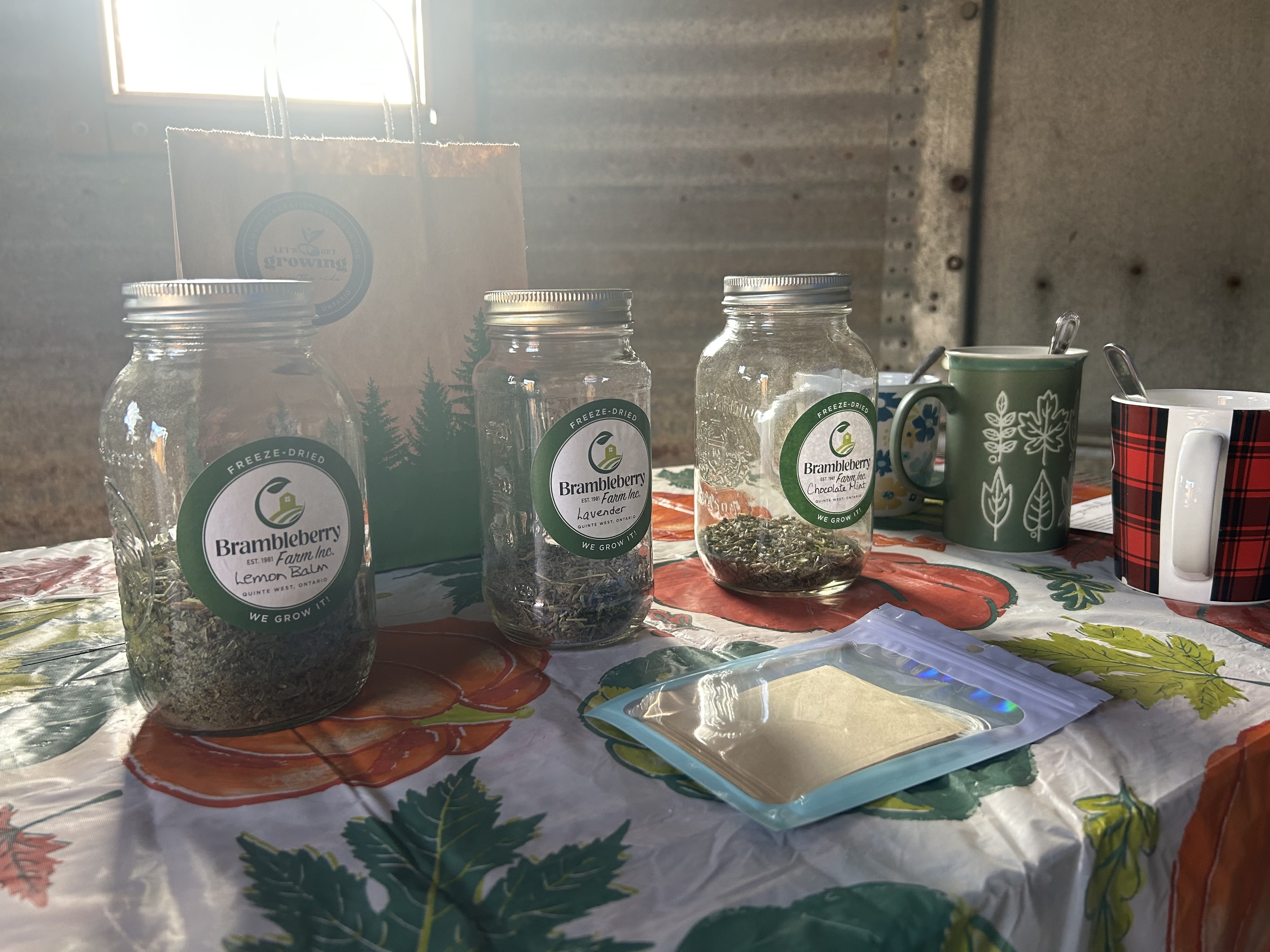
Photo: Izabela Jaroszynski
Photo: Izabela Jaroszynski
Inside, the table is lined with glass jars of dried herbs and fruit, all grown on the farm. Elaine invites me to mix my own tea. As she sets the kettle to boil, I fill my tea bag with lemon balm, chamomile, a pinch of chocolate mint, and a freeze-dried raspberry. I seal the pouch and drop it into a mug. As Elaine pours the hot water over it, the aroma is amazing.
We bring our steamy mugs outside and sit by the crackling fire as Elaine continues to tell me about life as a second-generation farmer and her drive to get more people to understand the reality of food production.
"It's the weight of being a farmer. I want to educate people, I want people to ask questions, to get their hands dirty," she says.
"I think people would appreciate their food and where it comes from more if they had a little bit more of an idea of what goes on."
As we sit overlooking the farm, Elaine watches it the way a farmer does: with pride, worry, and hope. What she's growing here extends beyond berries and crops. It is resilience for the future and a sense of pride for the region.

Handcrafted Joy: Millside Ceramics
Marleen Murphy gives me a welcoming smile as she greets me in her home in Kenhtè:ke (Tyendinaga Mohawk Territory), which is located on the northeast shore of the Bay of Quinte.
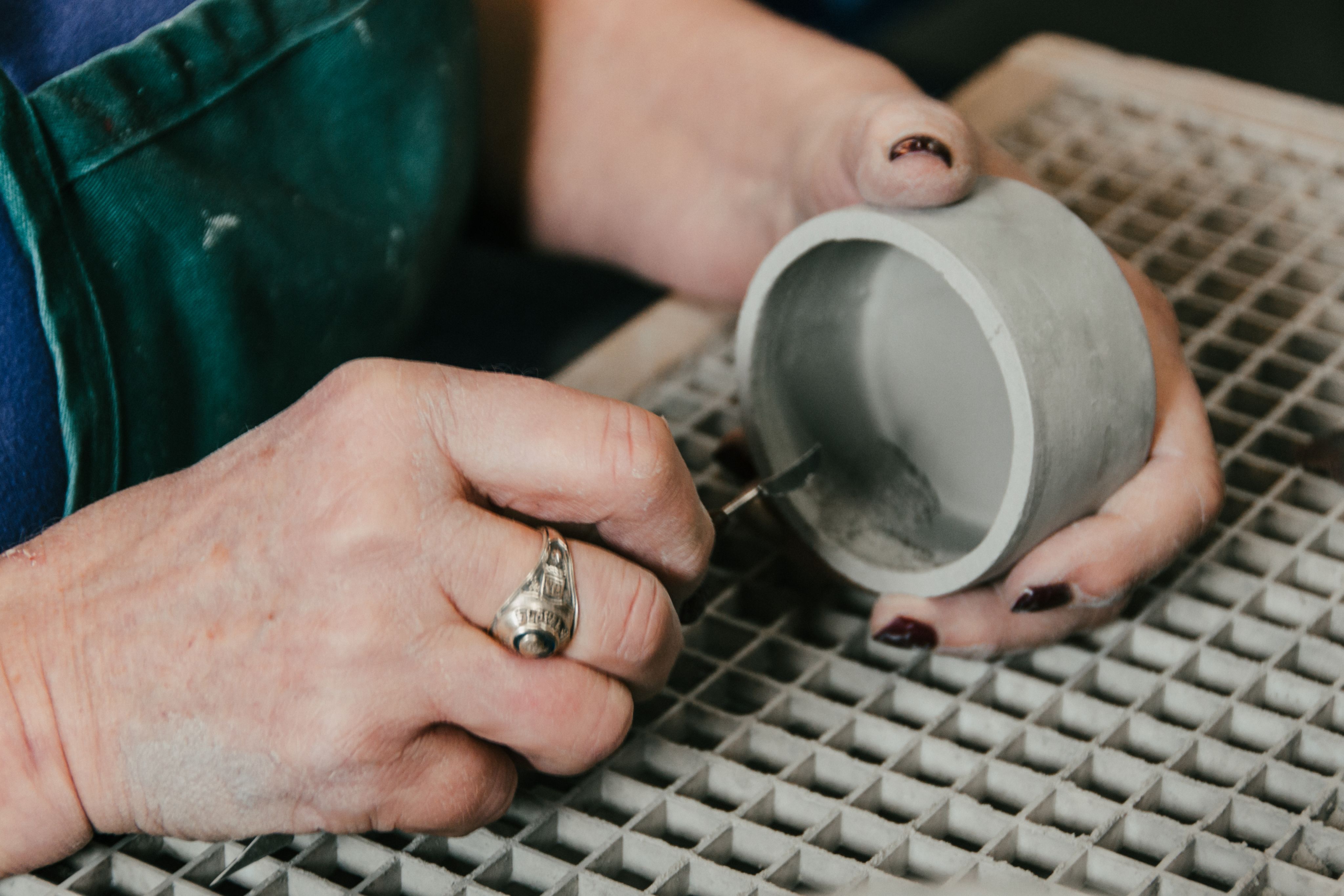
Inside, her home studio opens into a well-stocked art shop and a spacious workshop where she creates her hand-painted ceramics. Shelves are lined with medicine wheels, candle holders, smudge bowls and ornaments in calming earth tones.

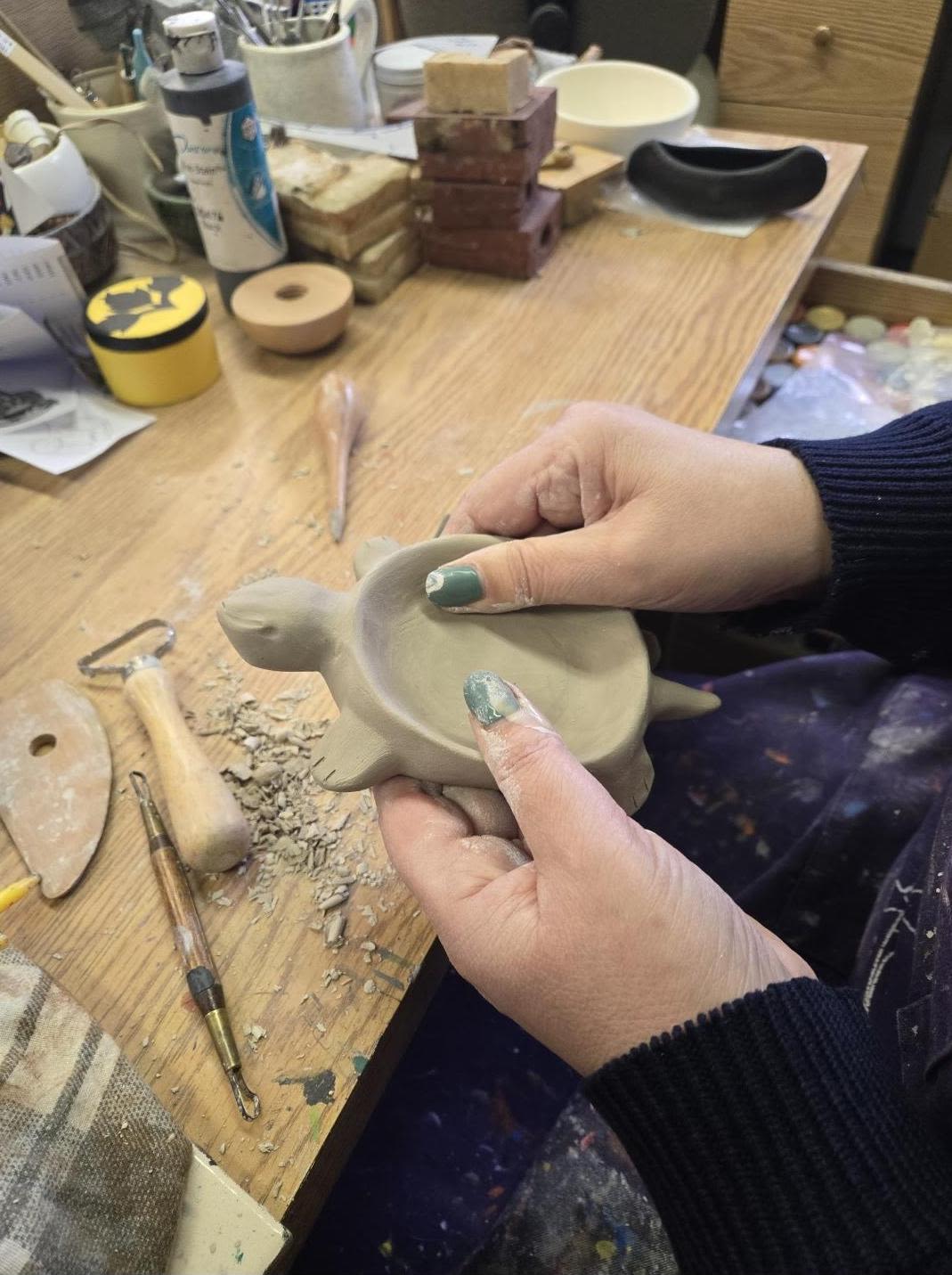
Photo: Bay of Quinte Regional Marketing Board
Photo: Bay of Quinte Regional Marketing Board
As we sip coffee brewed in her stovetop percolator, Marleen opens up to me about art, about culture, and about the responsibility she feels to share what she knows.
Marleen has been working with clay for decades. She opened Millside Ceramics in 1998, at first offering classes and eventually starting to sell her artwork at powwows.
Her connection to pottery, however, reaches back much further. As a child, she remembers wandering through museums and lingering in front of displays of Mohawk pottery, drawn to the intricate patterns carved into vessels that were once part of daily life.
“I always loved the pottery,” she tells me. “I knew it was what they actually used — it wasn’t art to them. But the markings on it were so intricate. I always wondered why they put those.”
That curiosity stayed with her. Over time, she learned that in longhouses, where several families lived and cooked together, pottery was marked with distinct line patterns so each family could identify its own vessels among many.
“Lines meant it was our family pot,” she explains.
What struck her was not only the beauty of the markings, but their meaning — the way something practical could also carry identity, memory, and belonging. When her teachers could not answer her questions about Mohawk pottery traditions, she began researching on her own, determined to understand the story behind the forms. The tools, she discovered, were simple — bone, shell, whatever could be found close at hand — and yet the results were enduring.
“I love to talk about my culture,” she says gently. “I don’t know everything, but I do love to share what I know.”
Her family’s story is woven into that knowledge.
“We landed here in 1784,” she tells me. “All the Mohawk people come from the Mohawk Valley in New York State. Our Mohawks travelled to this side of the water. We first stopped near Quebec, but seven families continued on to come to this settlement here. And one of them was mine. That’s how we got here. That’s how the community began.”
Today, a few thousand community members continue to live in Tyendinaga.
“We almost lost our language,” Marleen says quietly. “But the kids are learning the language now.”
There is relief in that statement, and pride.
Nearly thirty years ago, Marleen began what she calls the powwow trail, packing her pottery and setting up tables at gatherings throughout the summer months. She started close to home.
“Our powwow was only going for about four years at that time, so I started here because I could relate and be comfortable and know people,” she recalls. “I absolutely loved it. I fell in love with the powwow. I’ve not stopped since. COVID stopped me — that’s it.”
All summer long, she shows up, not simply to sell her work, but to talk, to listen, and to share. Over time, those conversations became just as important as the pieces themselves.
“I love to hear people’s stories of why they are buying a particular piece,” she says. “Sometimes when I’m making it, I can’t quite place why I’m making it yet. Then, when they tell me the story, it connects for me.”
Today, her studio has become another kind of gathering place. Marleen offers classes that weave in teachings about clan systems and tradition into the act of shaping clay. Visitors are invited to sit at the table, forming pinch pots that will eventually be heated on an outdoor fire instead of a kiln, as was traditional for Marleen's ancestors. As they work, she shares stories of her people. She hopes that through these experiences, people will come to understand her community in a way that feels personal and genuine.
“I love my culture. I want people to see who we really are as people,” she says, her voice catching with emotion. “We are good people.”
She believes the work itself offers that opportunity. Clay requires patience. It responds to intention. It reveals the mood of the hands shaping it.
“Life can be so simple if we just chill out a bit and slow down,” she says with a small smile. “That’s what pottery does for me. It slows me down. I want that for other people.”
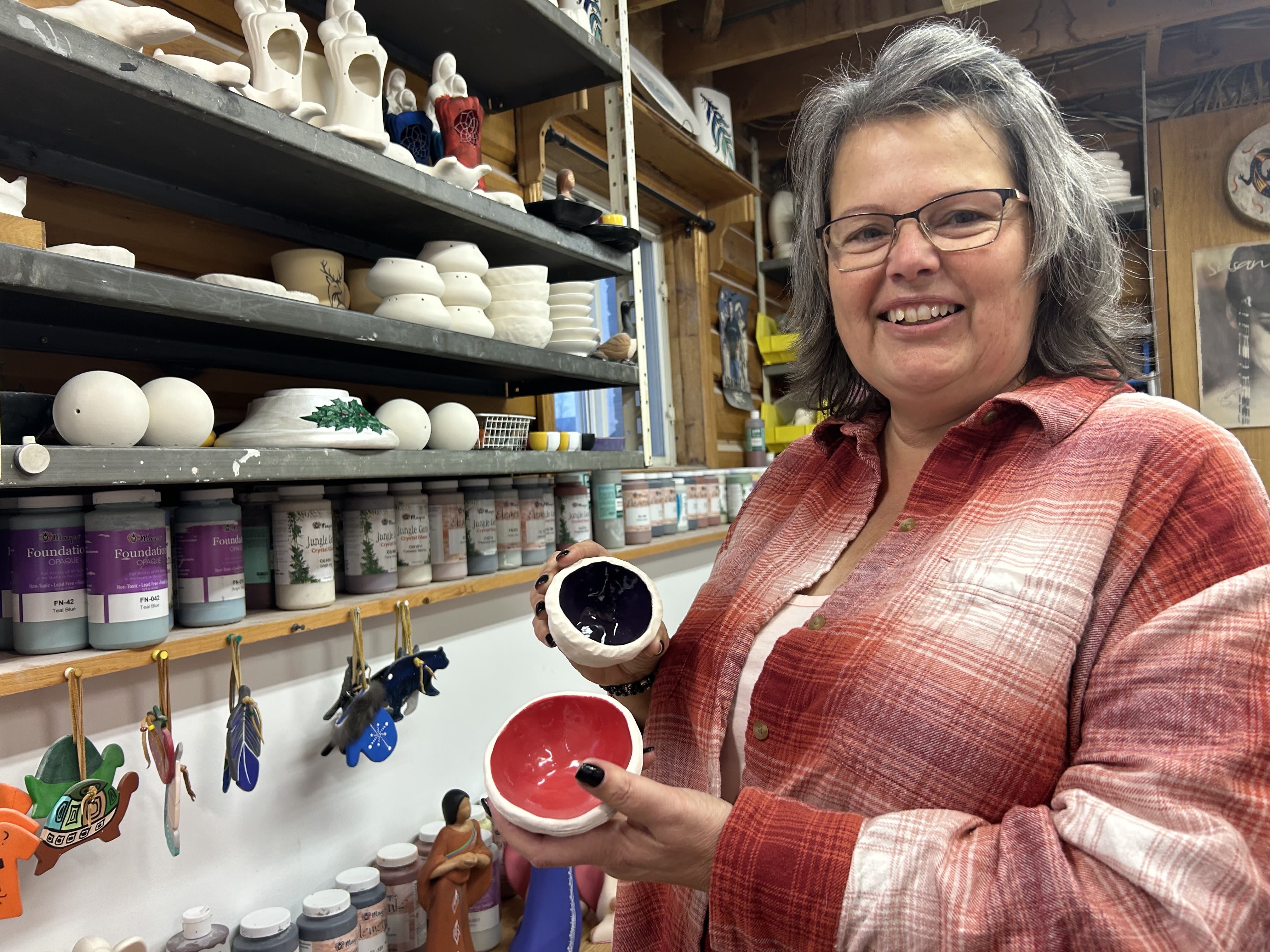
Photo of Marleen Murphy, by Izabela Jaroszynski
Photo of Marleen Murphy, by Izabela Jaroszynski
Inside her studio, Marleen shows me the colourful bowls she has made specifically for her workshops. She invites guests to fill the bowls with her homemade soup (made traditionally from corn, beans and squash), another way of sharing the nourishment and traditions that have sustained her people for generations.
Over the years, her ceramics have travelled far beyond Tyendinaga — to national events, to international spaces, into homes she may never see. She has donated portions of her work to causes close to her heart, and her reputation as a master ceramist reaches across the province.
Yet in her studio, none of that feels like the point. Here, the focus is on the person sitting across the table. On the story being shared. On the clay taking shape between steady hands.
"I like people, I like working with people who are curious," Marleen says. "It is a really good feeling to help someone make something with their hands."

In Full Bloom: Wynn Flower Farm
The property at Wynn Farm slopes gently toward the water, the land rolling downward in cultivated rows until it meets the deep blue of the Adolphus Reach — a narrow, sheltered stretch of the Bay of Quinte.
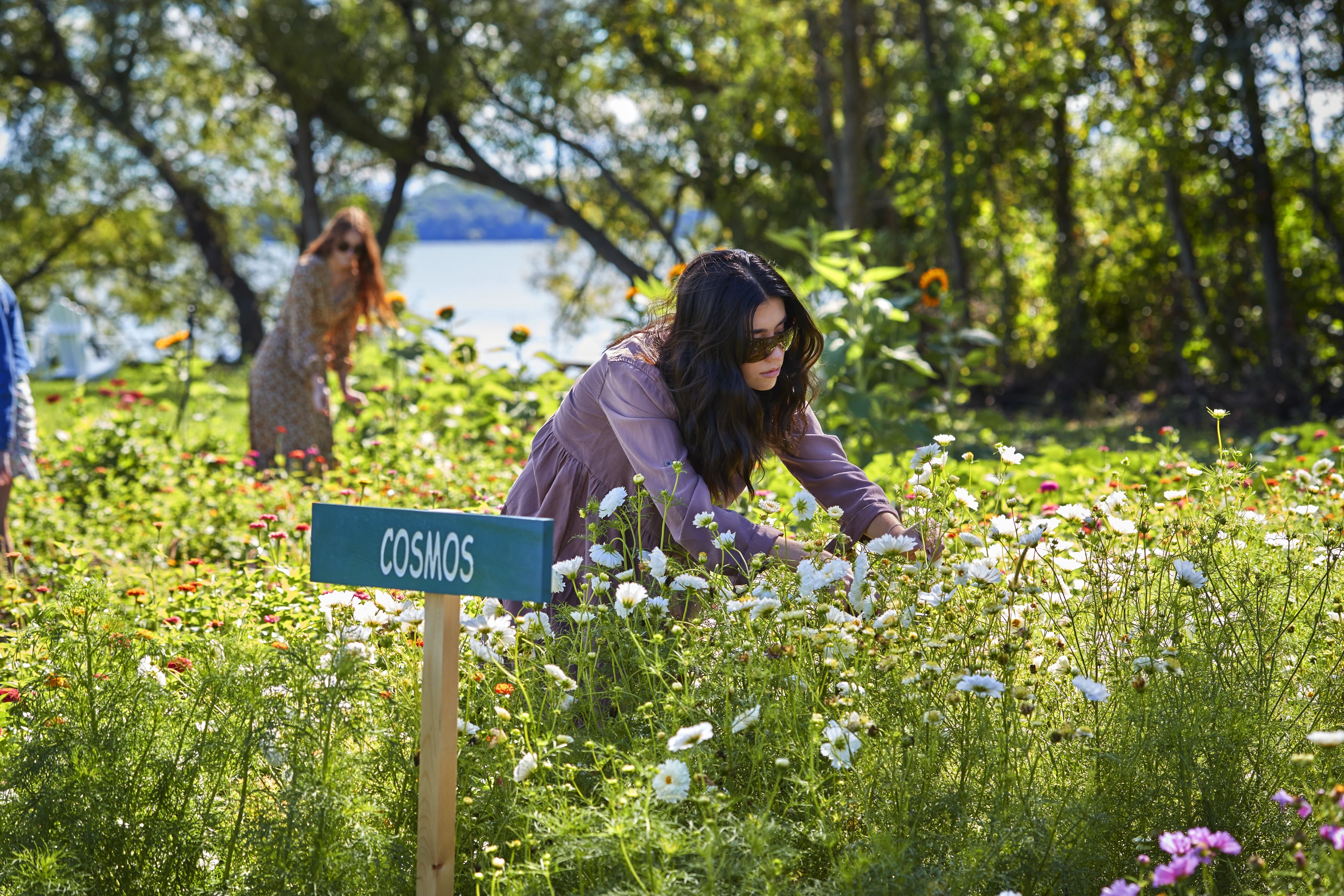
Near the water, flowers ripple in bands of colour. Tall trees offer shade along the shoreline, where guests linger over picnics or ice cream cones, watching the light shift across the water.
“I add a lot of colour in here,” Sarah says with a smile.
And she does. The rows are planted in bold combinations — bright pinks beside deep burgundies, soft pastels against vivid gold — designed to catch the eye and invite people further in.


Photo: Christopher Gentile/Bay of Quinte Regional Marketing Board
Photo: Christopher Gentile/Bay of Quinte Regional Marketing Board
The farm is a family operation in every sense of the word. It is the sister property to the original Wynn Farm, which is just down the road.
Jim Wynn grew up there, the son of cash-crop farmers who still work the fields. In 2012, Jim and his wife, Sarah, took over the original orchard from his parents, determined to build something that would invite people onto the land.
In 2022, they purchased this second parcel, intending to create pick-your-own strawberries, some apple trees and — what has become the heart of the property — a flower farm experience.
"What we love about the farm, the whole premise of it, is to slow life down," Sarah says. "We live in such a fast-paced world where it is always go-go-go, and there's so much chaos. So having time when you can come here, take deep breaths of fresh air and just fully immerse yourself in the colour and beauty is really what we want to do for people."

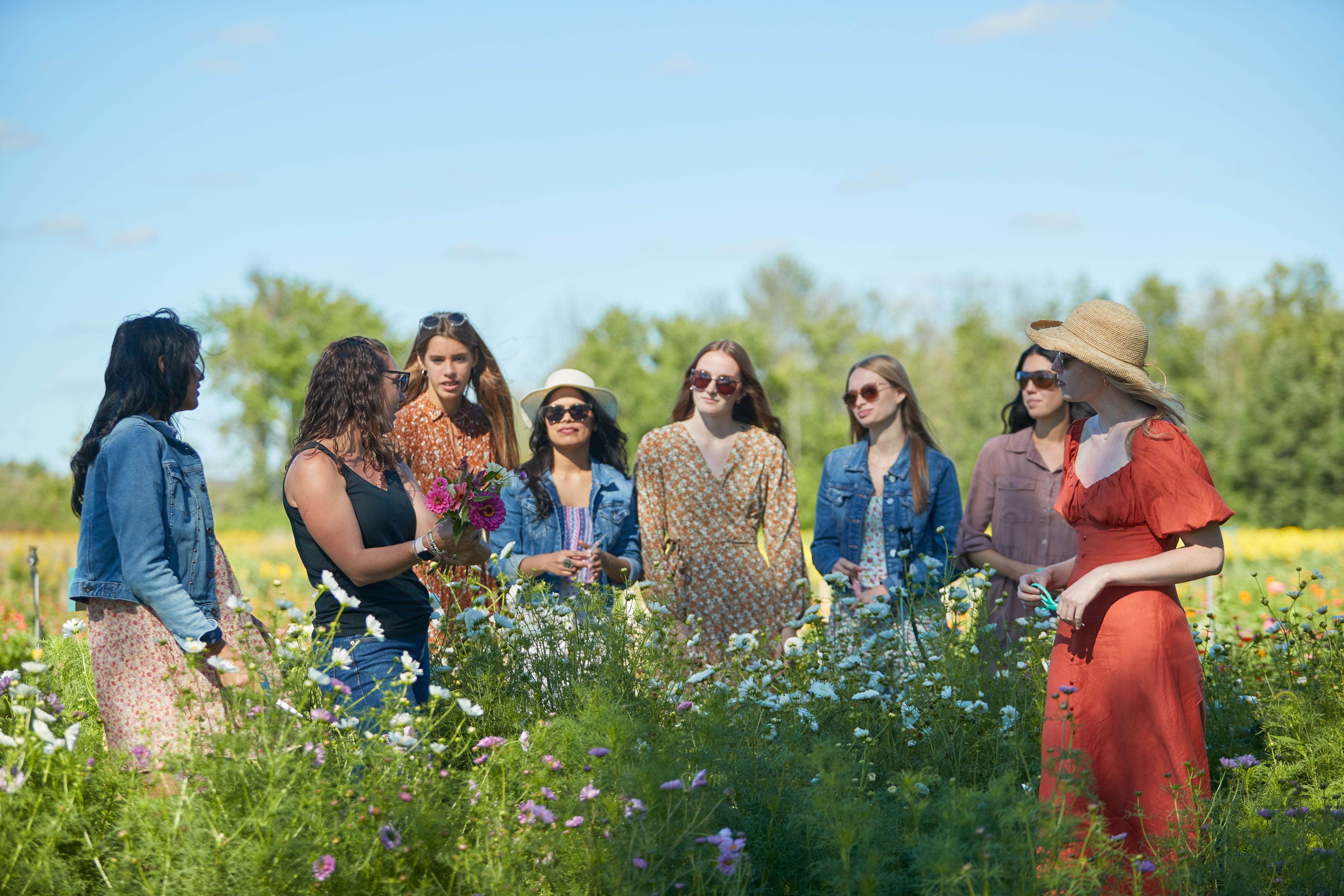
Photo: Christopher Gentile/Bay of Quinte Regional Marketing Board
Photo: Christopher Gentile/Bay of Quinte Regional Marketing Board
The farm caters to multiple types of visitors, from groups of friends to couples to multi-generational families, each drawn by something slightly different. Some come for the strawberries in mid-June, baskets filling quickly during the short three-week season. Others return in mid-July for the first sunflowers, when the fields seem to glow under the summer sun. In the fall, apples — Empire, Ida Red, Cortland, Honeycrisp, Red Delicious — pull families back once more.
But Sarah’s signature offering is the Field 2 Vase experience.
Here, guests walk the rows with scissors in hand, selecting stems that speak to them — blooms not typically found in a flower shop, colours chosen deliberately for contrast and joy. They gather afterward to arrange their bouquets, guided gently but encouraged to trust their own instincts.
“We love working with the five senses,” Sarah says. “You never know which sense will speak to each individual.”
There is the scent of the blooms, the texture of petals between fingertips, the sound of the water beyond, the sweetness of smashed lemonade at the welcome booth. The fresh burst of lemon in the air when fruit is pressed is, for some reason, enough to return.
“There is a lot of work,” Sarah admits. “But there is a lot of passion for us. Involving the kids is so important. Yes, we have to work hard, but we are working as a family, which is so wonderful.”

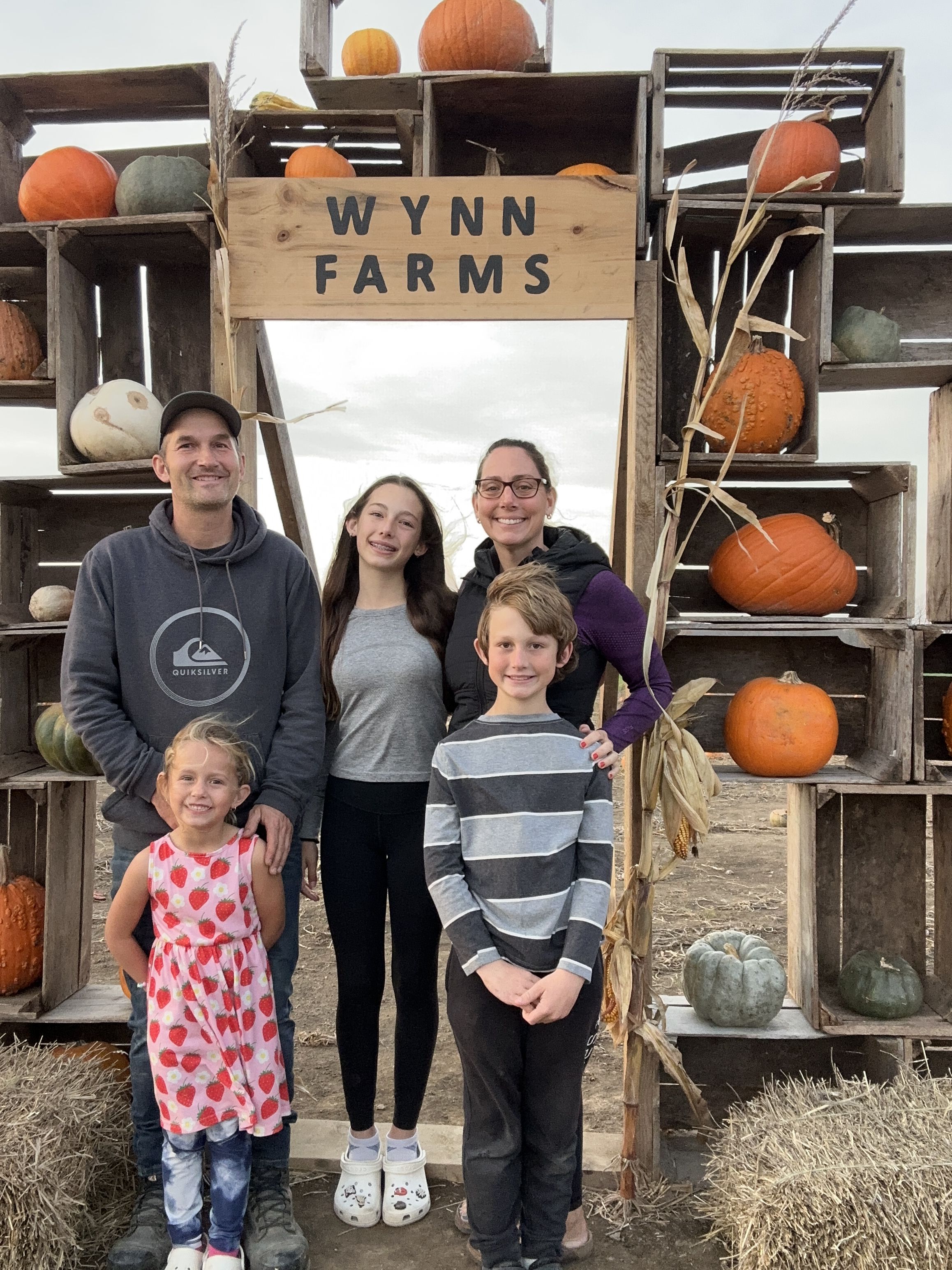
Sarah Wynn, with her husband Jim and their children.
Sarah Wynn, with her husband Jim and their children.
Their three children move easily between the rows, offering ideas about what to plant next season, learning what it takes to bring a field into bloom. Sarah listens carefully, understanding that this landscape is as much their future as it is her present.

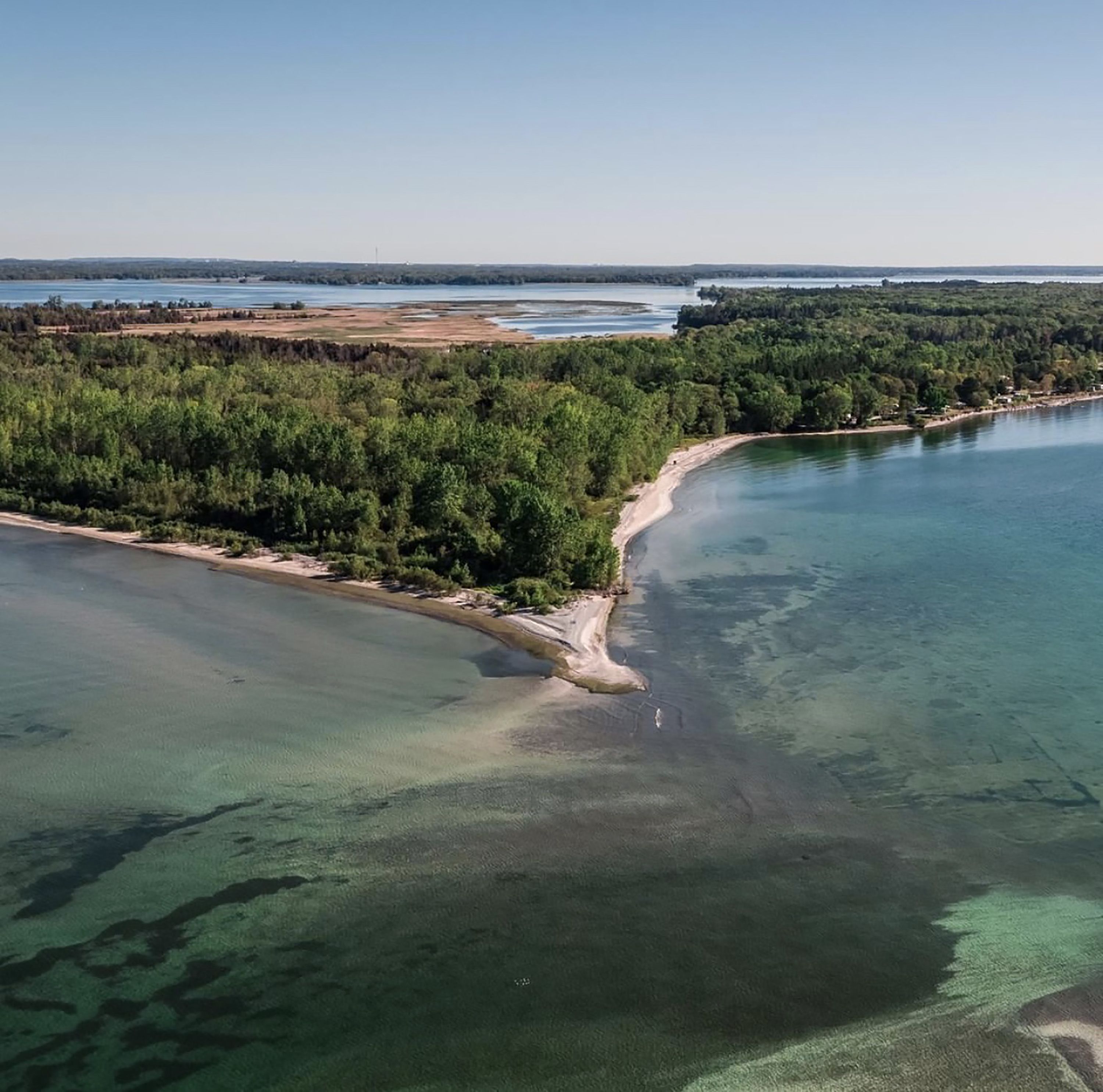
Photo: Justen Soule
Photo: Justen Soule

Almost An Island: Presqu'ile Provincial Park
Back at Presqu’ile Provincial Park, Kristen Osborne, the park’s chief naturalist, walks me through the Lighthouse Interpretive Centre, where exhibits trace the layered history of this narrow peninsula stretching into Lake Ontario.
“Presqu’ile has a long history of protection, as far back as the late 1800s, there were efforts to protect the lands and forests here,” Kristen says.

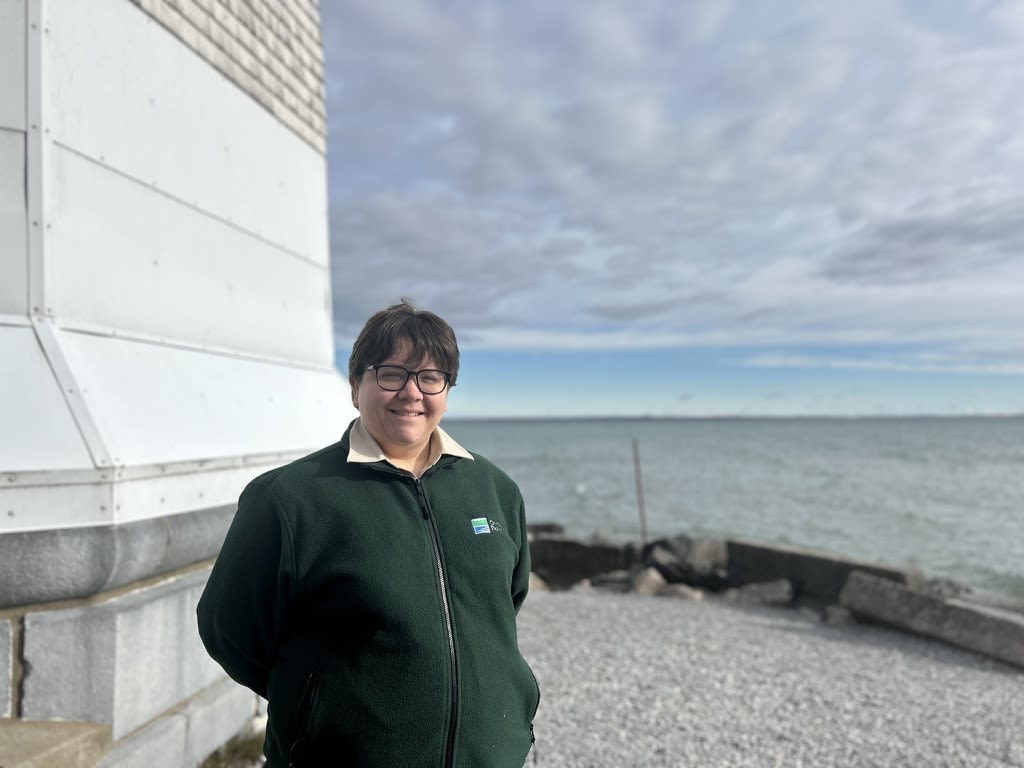
Photo of Kristen Osborne, by Izabela Jaroszynski
Photo of Kristen Osborne, by Izabela Jaroszynski
Long before it became an official park, Presqu’ile resisted development. In the early 1800s, there were plans to build a town here, capitalizing on its position along the lake. But those ambitions were abandoned after the ship Speedy was lost in a violent October storm, with all on board perishing.
“They deemed that this location was probably too inconvenient to build a town,” Kristen explains. “So the plans for the town were scrapped.”
Instead of streets and storefronts, sand and shoreline endured. In 1922, Presqu’ile was designated an official provincial park — a decision that preserved its beaches, dunes and wetlands at a time when much of the surrounding shoreline was being settled and farmed.
Today, visitors come for many reasons. Some camp beneath the trees, others spread towels along the park’s 2.5-kilometre sandy beach or walk the 16 kilometres of trails that wind along the lake’s edge and through woodlands and open meadows, offering shifting views of water and trees.
In spring and fall, birders arrive in steady numbers, binoculars trained on treetops and marshes as migratory species funnel through the peninsula. Warblers, owls, waterfowl — the list changes daily during peak migration. Presqu’ile’s geography, almost an island but still tethered to the mainland, makes it a natural resting point along major flyways.
In the summer months, the park’s Discovery Program runs daily interpretive activities, turning beaches and boardwalks into outdoor classrooms. Families gather for guided walks, pond studies, and evening talks beneath the open sky.
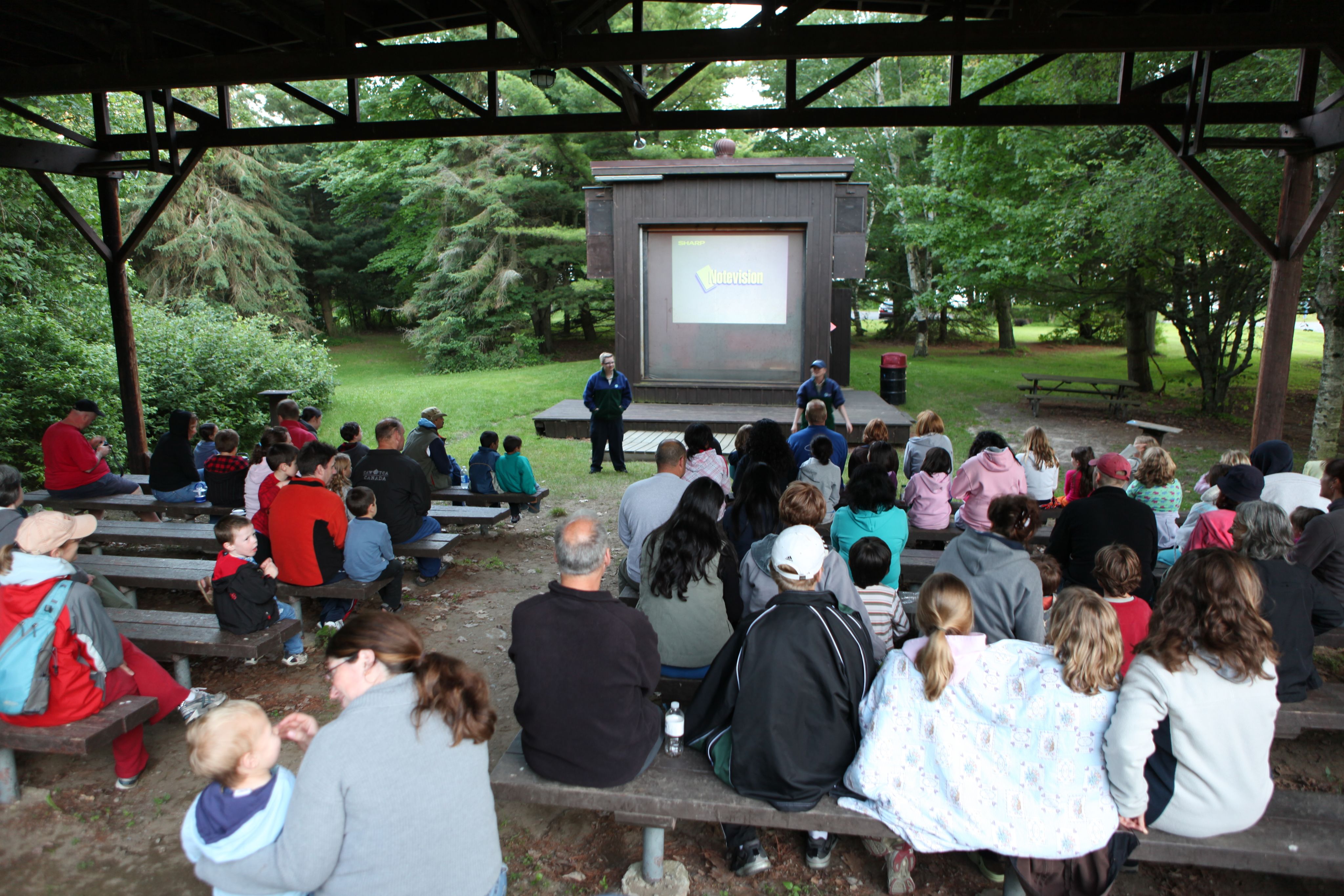
Photo: Ontario Parks
Photo: Ontario Parks
Long protected from development, Presqu’ile now serves as a natural respite for the region — a place where the pace softens the moment you step onto the trail.
“We have a lot of people who just love to come and go for a walk all year long,” Kristen says, as we make our way toward the lighthouse.
The lighthouse, which has stood rooted along this shore for nearly 200 years, still draws people out along the trail to its scenic point — overlooking the bay and the region it continues to anchor.
Step into the story.