
The Spring Awakening
On the limestone plain of Manitoba’s Interlake, a brief spring window transforms fractured bedrock into the site of the world’s largest concentration of snakes.

The Spring Awakening
On the limestone plain of Manitoba’s Interlake, a brief spring window transforms fractured bedrock into the site of the world’s largest concentration of snakes.


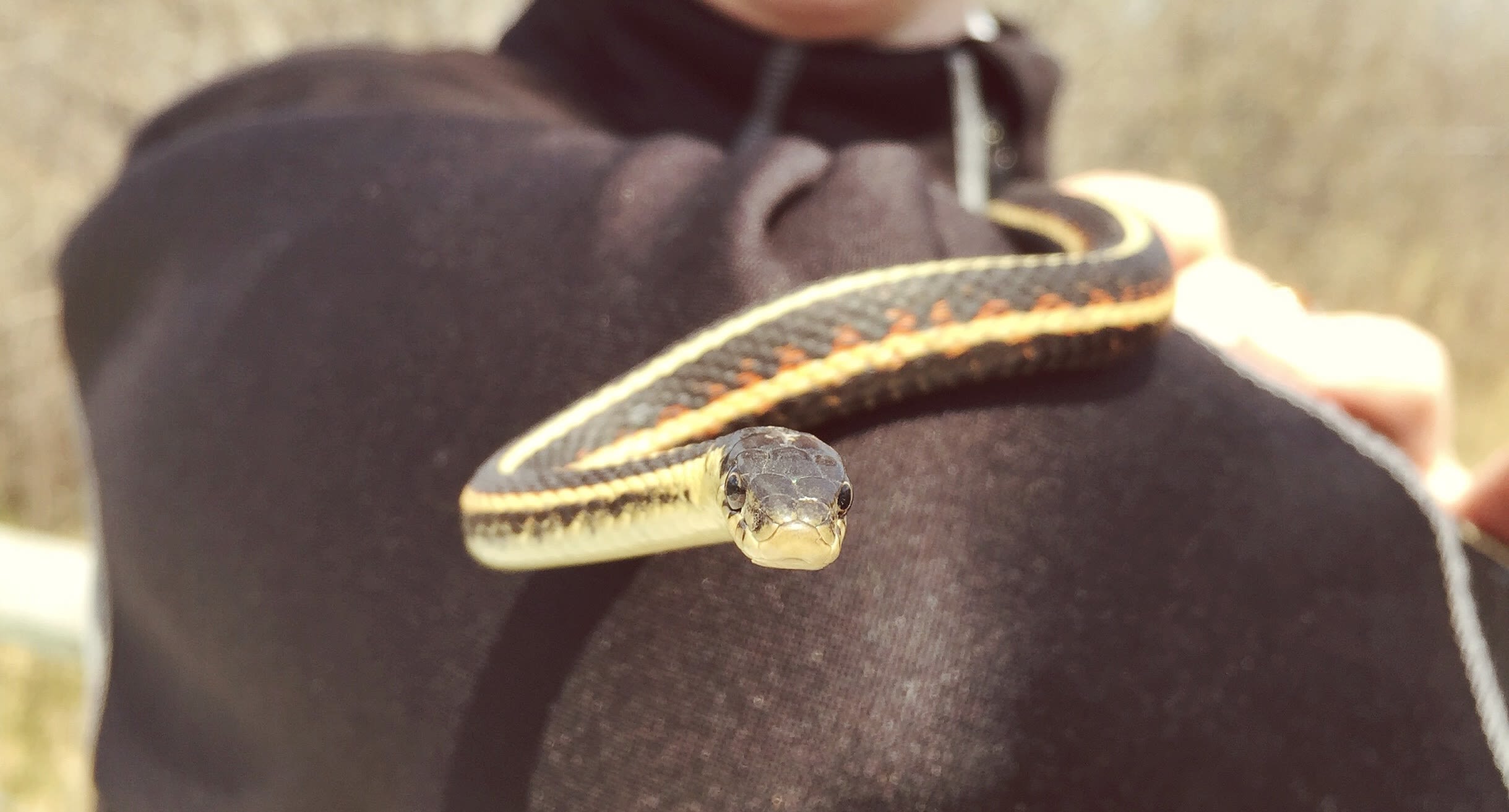
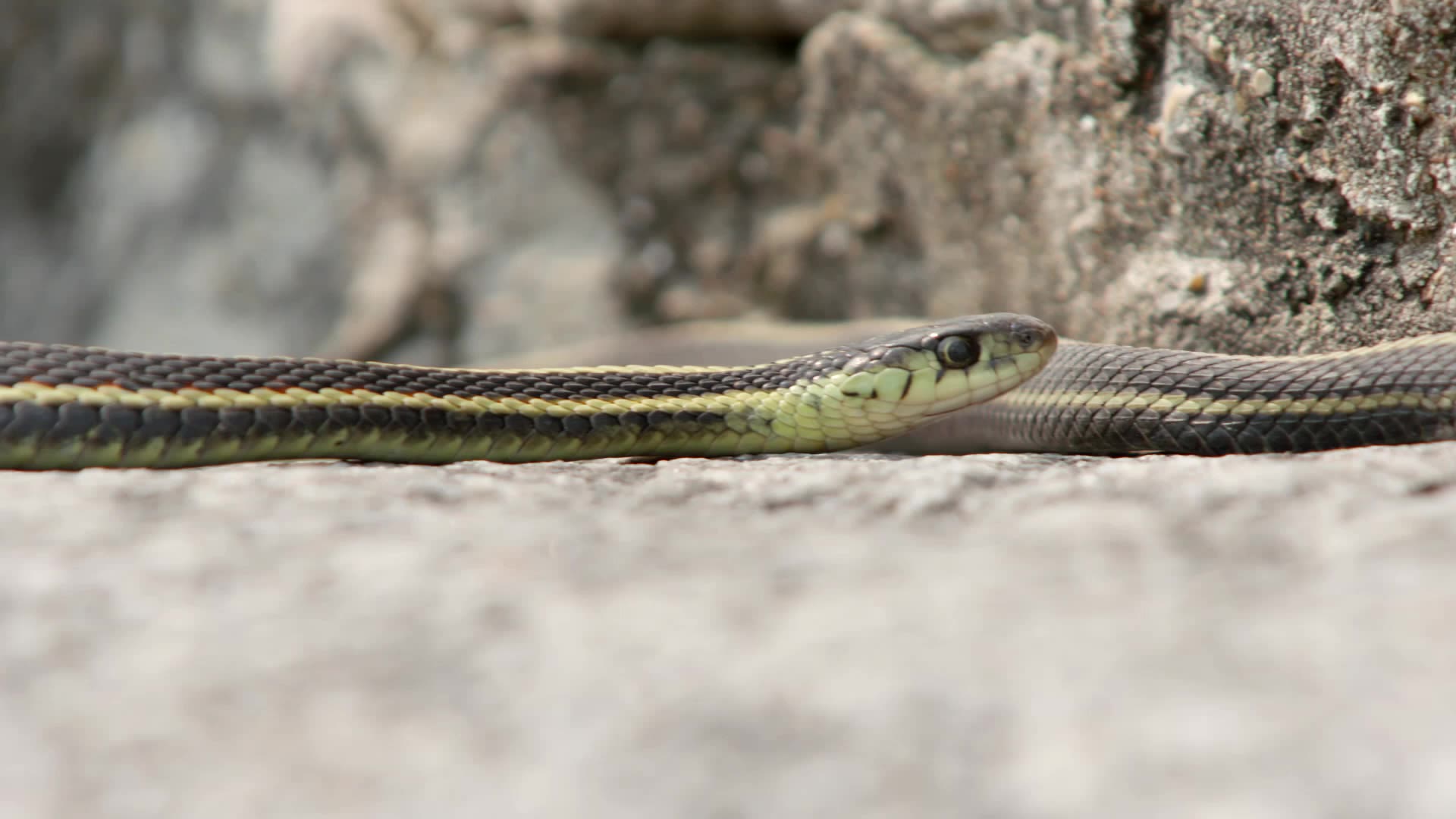
Each year in late April and early May, a quiet stretch of Manitoba’s Interlake region becomes the setting for one of Canada’s most unusual wildlife events. At the Narcisse Wildlife Management Area, tens of thousands of red-sided garter snakes emerge from underground limestone dens after spending the winter below the frost line.
Thousands of visitors flock to see the spectacle, one of the most unique wildlife experiences in the world.


Where are the Narcisse Snake Dens?
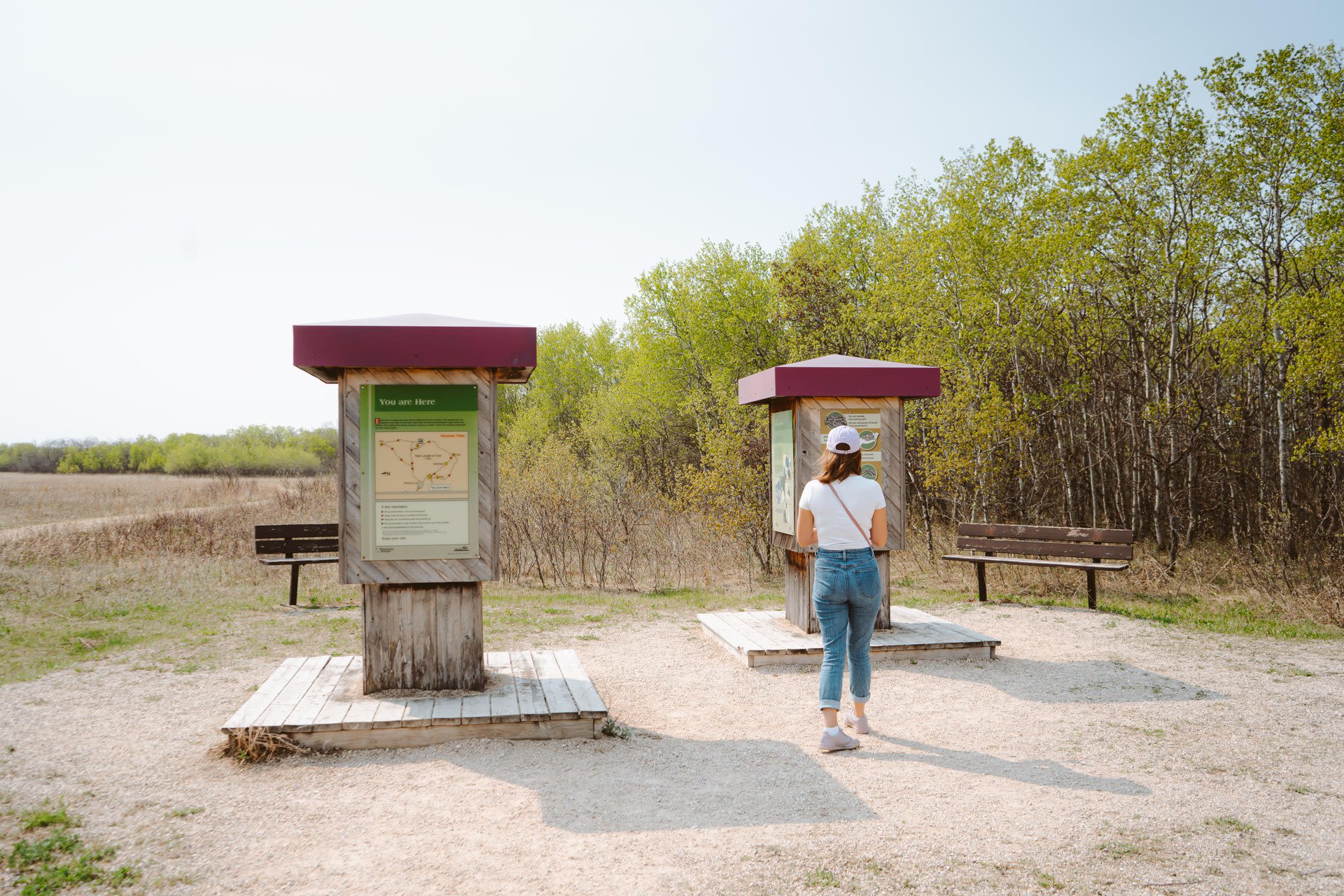
The snake dens are located about 90 kilometres north of Winnipeg in Manitoba’s Interlake region, between Lake Manitoba and Lake Winnipeg. The area sits on a limestone plain, where fractured bedrock forms deep crevices and sinkholes. These natural chambers extend below the level where winter frost penetrates, allowing snakes to survive temperatures that would otherwise be fatal.

Travel Manitoba
Travel Manitoba
What will visitors see?
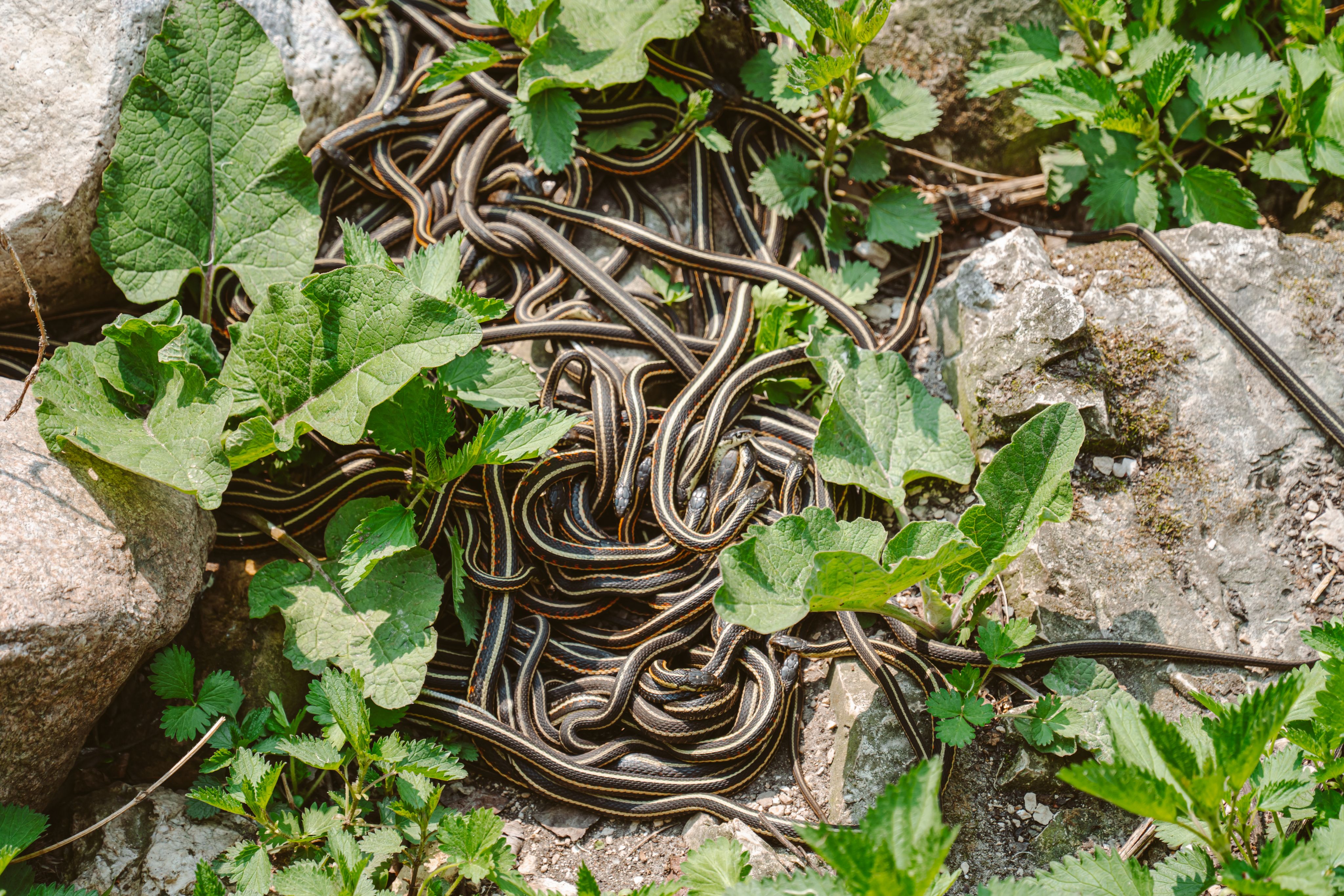
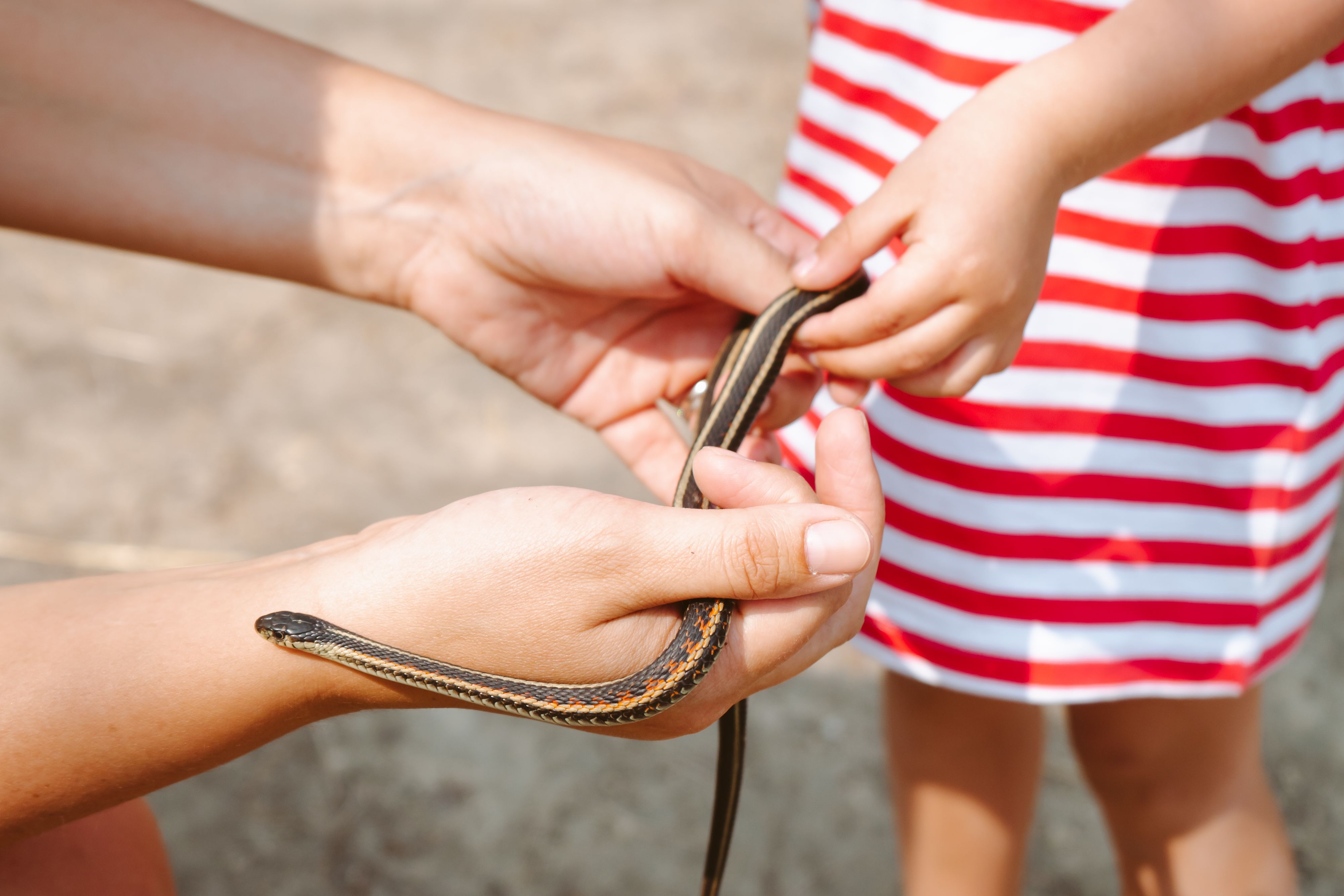
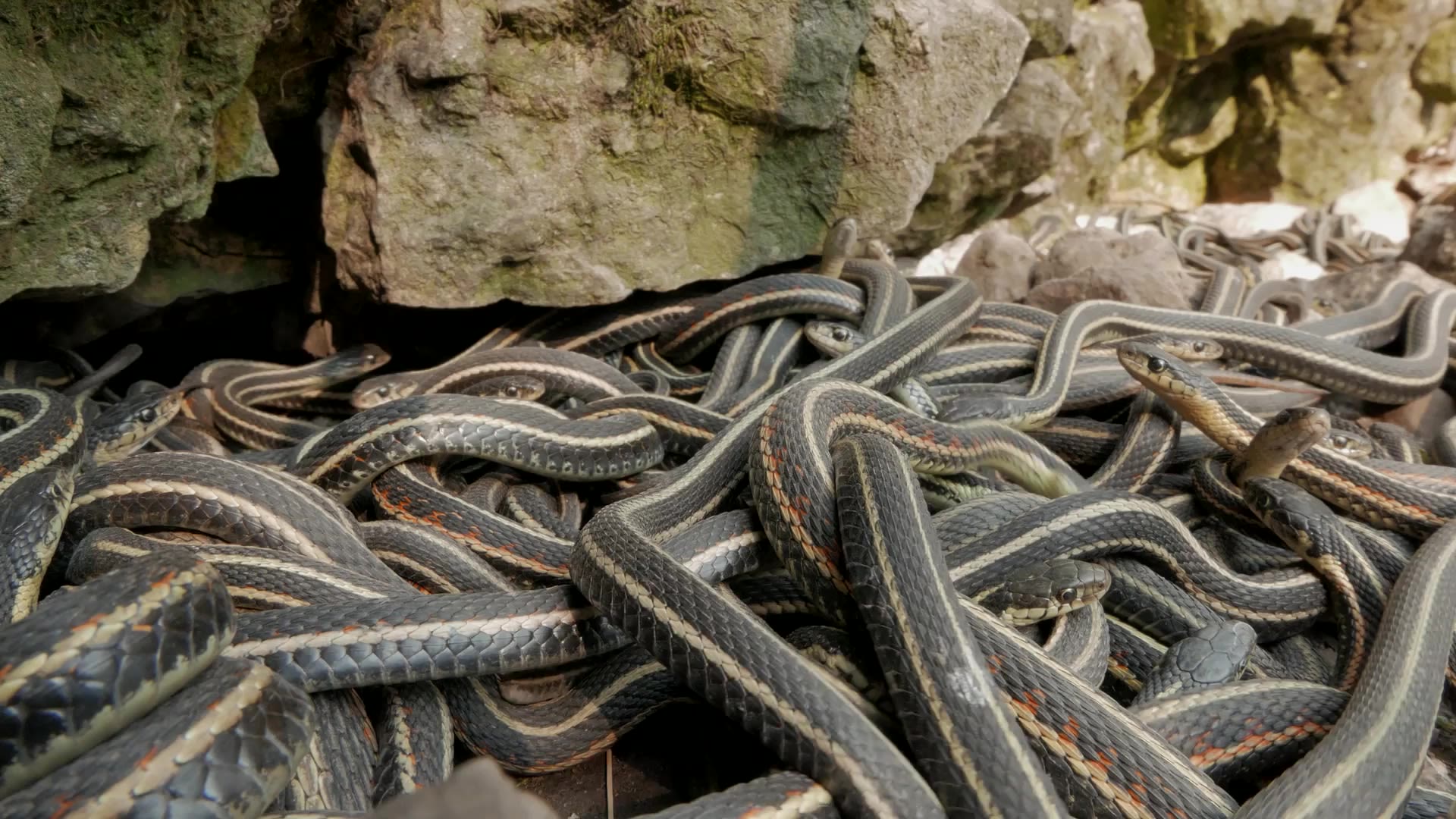
During peak season, visitors may observe clusters known as “mating balls,” where multiple males gather around a single female. While visually dramatic, the red-sided garter snake is non-venomous and harmless to humans.
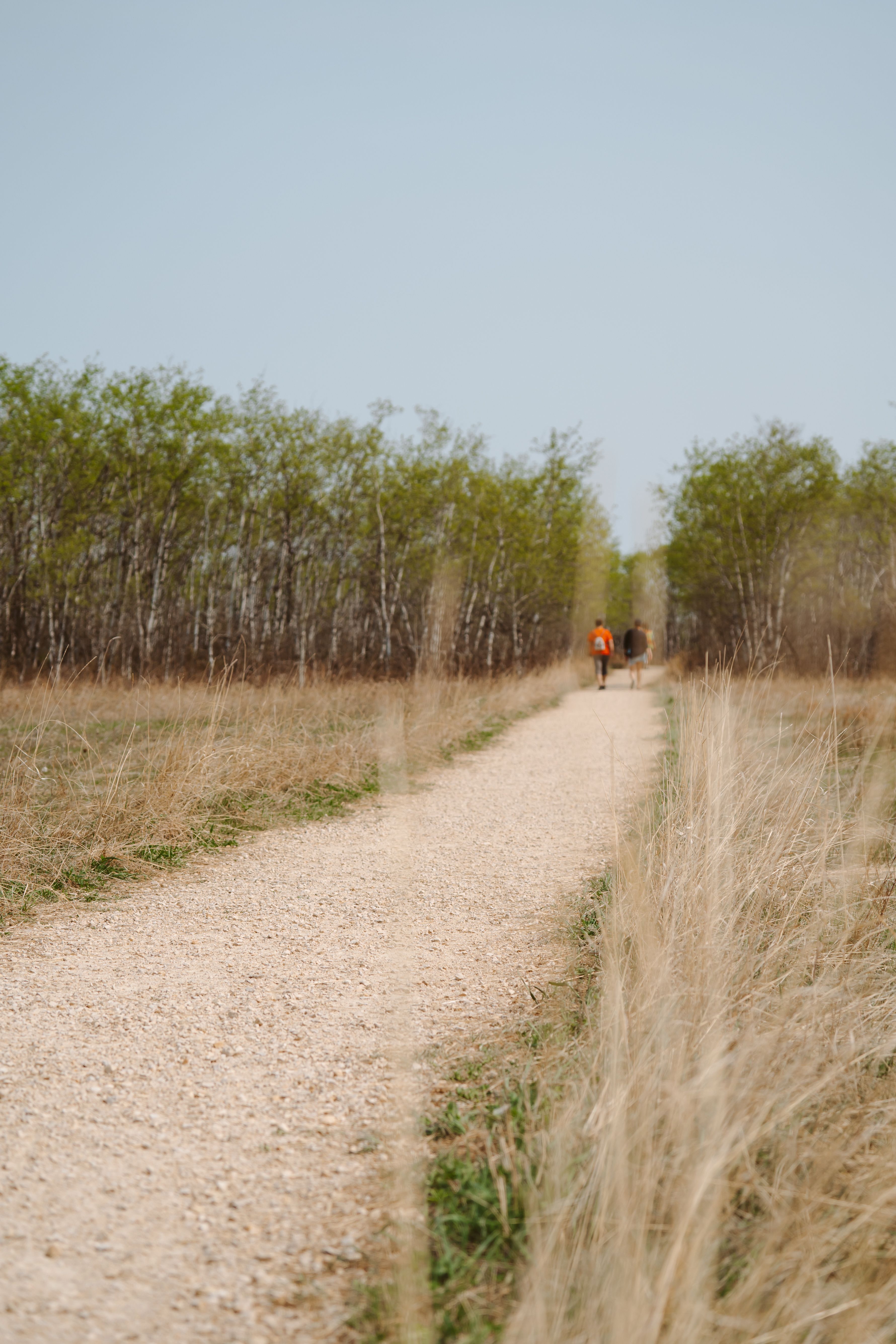
The site is managed with marked trails, viewing platforms, and interpretive signage to protect both visitors and habitat. Waterproof footwear is recommended, as spring conditions can be wet and muddy.

Travel Manitoba
Travel Manitoba
For a few weeks each year, the limestone plain of Manitoba’s Interlake offers a rare opportunity to witness how geology, climate, and species behaviour intersect — a reminder that even seemingly quiet landscapes hold complex and remarkable natural rhythms.
When does it happen?
The emergence typically begins in late April and peaks in early to mid-May, depending on weather conditions. As daytime temperatures rise above freezing, the snakes surface to mate. By late May or early June, most disperse into surrounding grasslands and wetlands for the summer. They return again in September before descending underground for winter.

Travel Manitoba
Travel Manitoba
Why here?
The geology is the key. The porous limestone provides a rare overwintering habitat in a region with long, harsh winters. Suitable hibernation sites are limited across the prairies and parkland transition zones, so snakes from a wide surrounding area congregate here each year.

Why is it significant?
The Narcisse Snake Dens represent the largest known concentration of snakes in the world. While red-sided garter snakes are common across parts of central North America, nowhere else do they gather in such numbers in a single accessible location.
This rare combination of geology, climate, and species behaviour draws thousands of visitors annually, from school groups and families to wildlife photographers and international travellers.
Step into the story.