
Under the Influence of Nature
How forest immersion can reshape the way we live and travel


The studies are sobering. Adults spend more time in their cars than outdoors. Only one in ten teenagers gets fresh air every day. And yet nature has direct positive effects on mood, stress, cognitive performance, and the immune system.
Canada is home to some of the most spectacular forests in the world. So what are we waiting for?
↡
Tara Tiger Brown has always lived intensely. The Vancouver native grew up mountain biking and snowboarding in the Rockies before setting off for Los Angeles, and later Tokyo.
Tokyo’s constant hum — its density, its pace, its unrelenting stimulation — left her feeling overstretched. After reading The Nature Fix by Florence Williams, she decided to make a clean break and signed up for a week-long monastic experience in the mountains.
“I wasn’t able to speak for a week. I was going up and down mountains every day, sometimes in extreme weather. I couldn’t use my devices. I couldn’t bathe. It was crazy," she says. "But I came out of that feeling really balanced, physically and psychologically. I really felt in tune.”

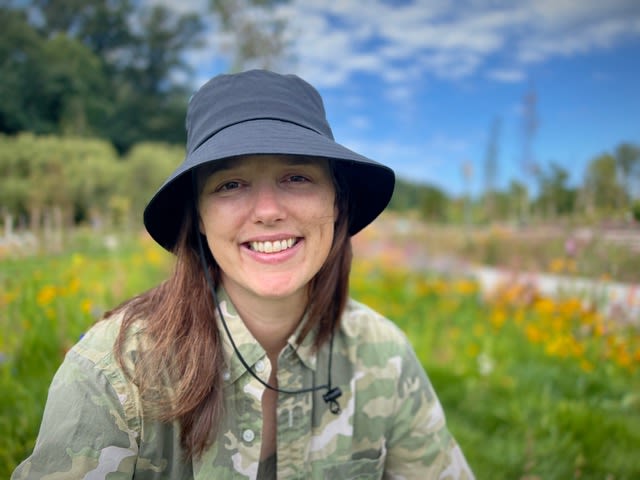
Tara Tiger Brown; photo by Sean Bonner
Tara Tiger Brown; photo by Sean Bonner
The experience marked a turning point. Rather than pursue intensity, she began studying shinrin-yoku — often translated as forest bathing.
“That seemed much more chill,” Tara said. Today, she guides others into forests with that same philosophy.

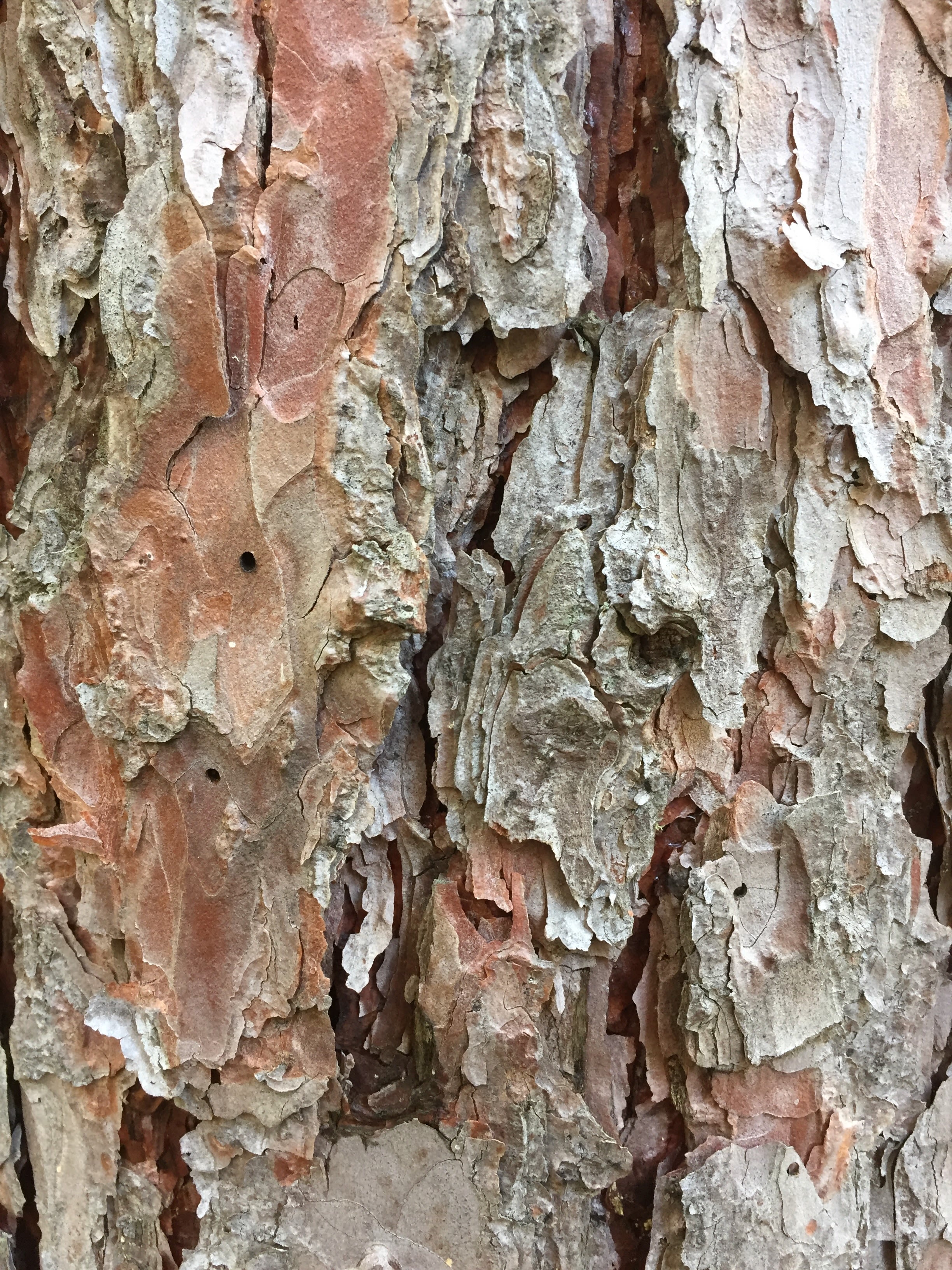

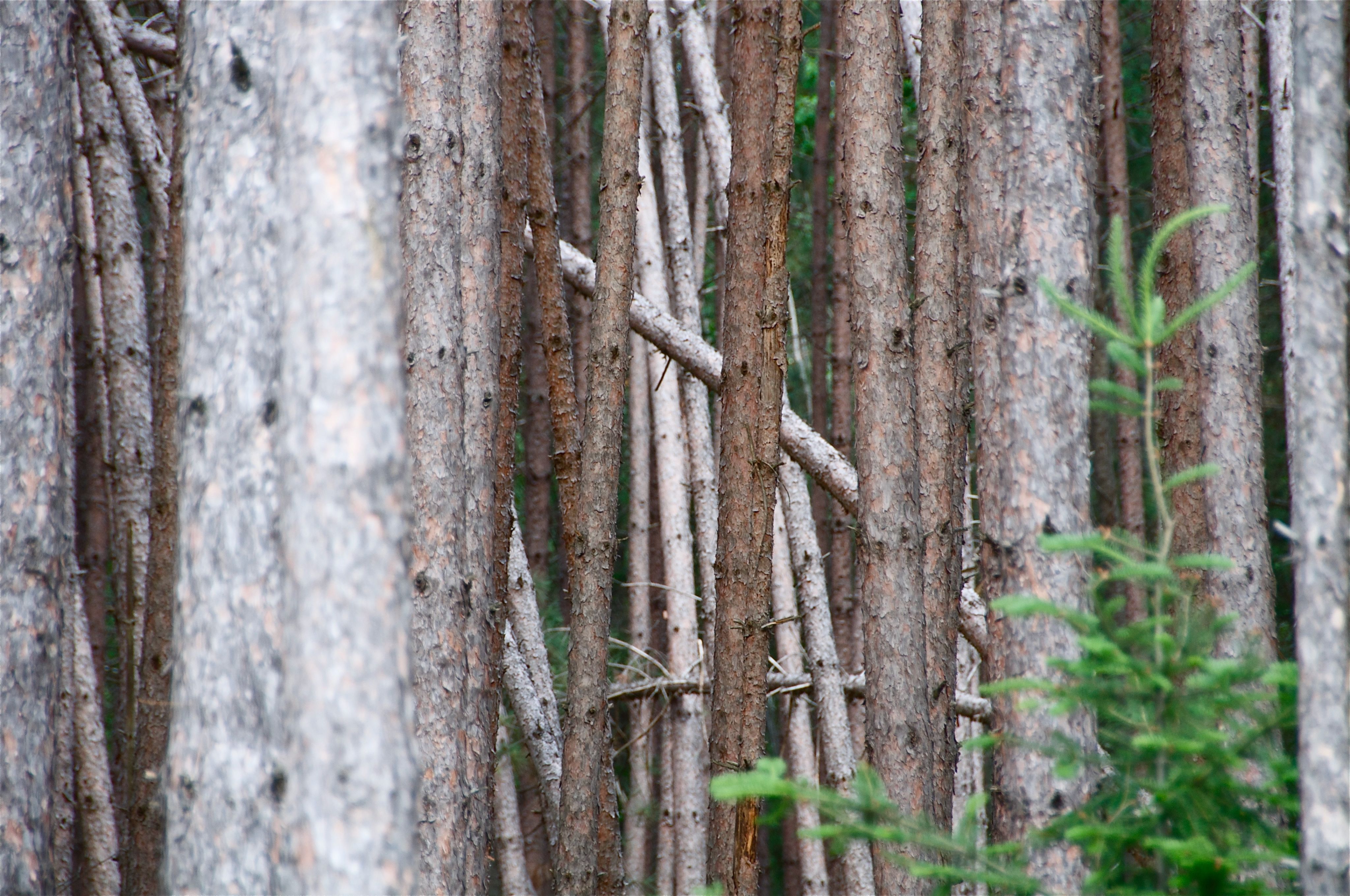



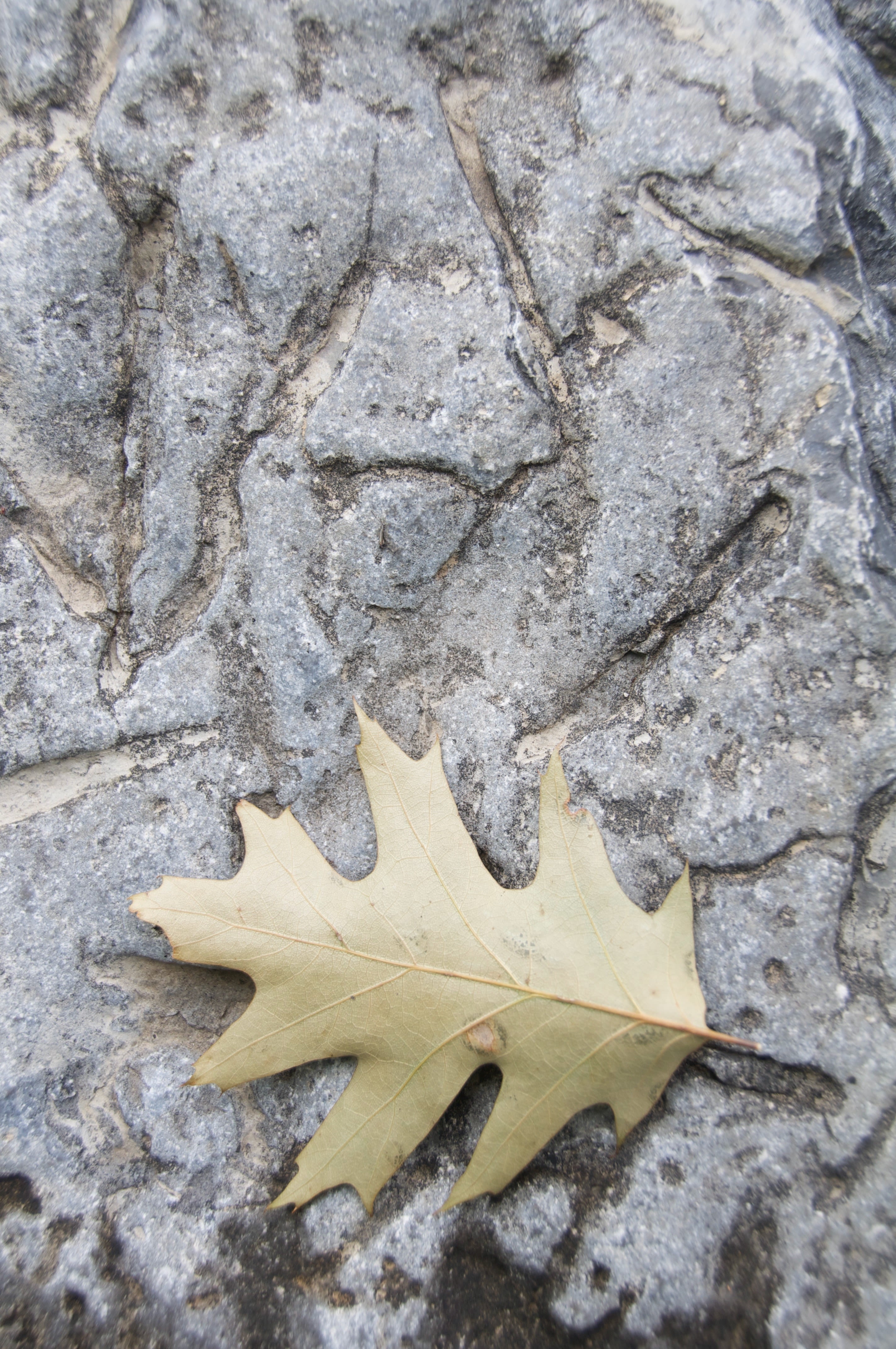
The modern form of shinrin-yoku emerged in Japan in the early 1980s. Citizens were invited to immerse themselves in the forest and absorb the forest air.
Japan now maintains dozens of forest therapy bases and routes designed to promote public health and environmental awareness.
Forest bathing extends beyond hiking. It is sensory, engaging sight, sound, smell, taste, and touch.
It asks participants to breathe consciously, to listen to leaves moving in the wind and water running over stone, to notice texture underfoot, to touch bark and moss, to observe canopy light.
The practice has become popular around the world, including in Canada, where more than 9% of the world's forests reside.
Forest immersion does not depend on formal designation. Anywhere you can mindfully access nature is a good place to practice. When exploring a new region, check out Canada's national and provincial parks, as well as conservation areas. For those who want more guidance, many options exist.
In Ontario, visitors can head to MacGregor Point Provincial Park, where Ontario Parks has created a self-guided forest therapy trail. It is the first of its kind in the province.
The city of Markham has designated trails, including in Rouge Valley, to encourage reconnection with nature.
Parks in British Columbia have introduced similar initiatives. Parks Canada promotes immersive interpretation in places such as Kejimkujik National Park, where Mi’kmaq knowledge is shared along forest trails.
Tara has a few guiding principles when it comes to forest immersion:
Choosing the right location is the first step.
“Picking a location where you feel safe is everything: what might I interact with? It could be humans, it could be animals, it could be the environment itself." And make sure you have a safe path to walk on, especially with mobility needs.
Accessibility matters as much as atmosphere.
“You have to think about what your needs are and what you can make work for yourself where you are, what’s accessible to you?”
High biodiversity and low noise pollution can offer an optimal experience, but immersion remains contextual. It depends on the ecosystem, regional culture, and the intention of the person entering the space.
When you are in the forest, be intentional about using all of your senses.
“I’m going to look at something really small, the smallest thing I can find on the bark of this tree, or I’m going to kind of take a step back and look up at the tree canopy," Tara says. "And you’re really thinking a lot about using your senses in the environment.”
For some, guidance can help to simplify the process. “You don’t have to think about it. You just show up,” Tara says.
Guides provide prompts that reawaken attention.
“You might not even think about tasting the air or touching a leaf, or you don’t even know if it’s safe to touch something because you’re not familiar with it,” she says.
The experience may be shared, or it may be solitary.
“If you just need some alone time. Or if you need to stay away from other people, maybe you’re busy at work, you’ve got to get away from your coworkers, try to go for a walk by yourself.”
And don't let the weather stop you. The forest is just as beautiful in the winter — maybe even more so. In her research, Tara observed the calming sound of footsteps in snow and snow’s ability to absorb noise pollution. In winter, parks are generally less crowded and fewer cars circulate nearby. Animal tracks are easier to spot.
“It’s just quiet.”
Fifteen minutes in nature reduces negative emotions — anger, confusion, tension, fatigue, sadness. Another fifteen minutes stimulates positive emotions, increases concentration, and restores attention. After an hour, short-term memory improves. The amygdala relaxes, and feelings of fear and threat begin to subside. At ninety minutes, rumination decreases.
These effects are measurable.
One study in particular left an impression on Tara. It compared stress and concentration levels of individuals during a really intense quiz. Those who looked at a green (meadow) roof for 40 seconds had better outcomes than those who looked at a concrete roof for 40 seconds.
Simply seeing green spaces, waterways, butterflies, or birds is beneficial. This applies in our daily lives and in our travels.
Find a tree. Visit a snow-covered park. Listen to the birds.
“It’s so quick," Tara says. "We don’t need to be spending hours out in the forest.”
Although you might want to.

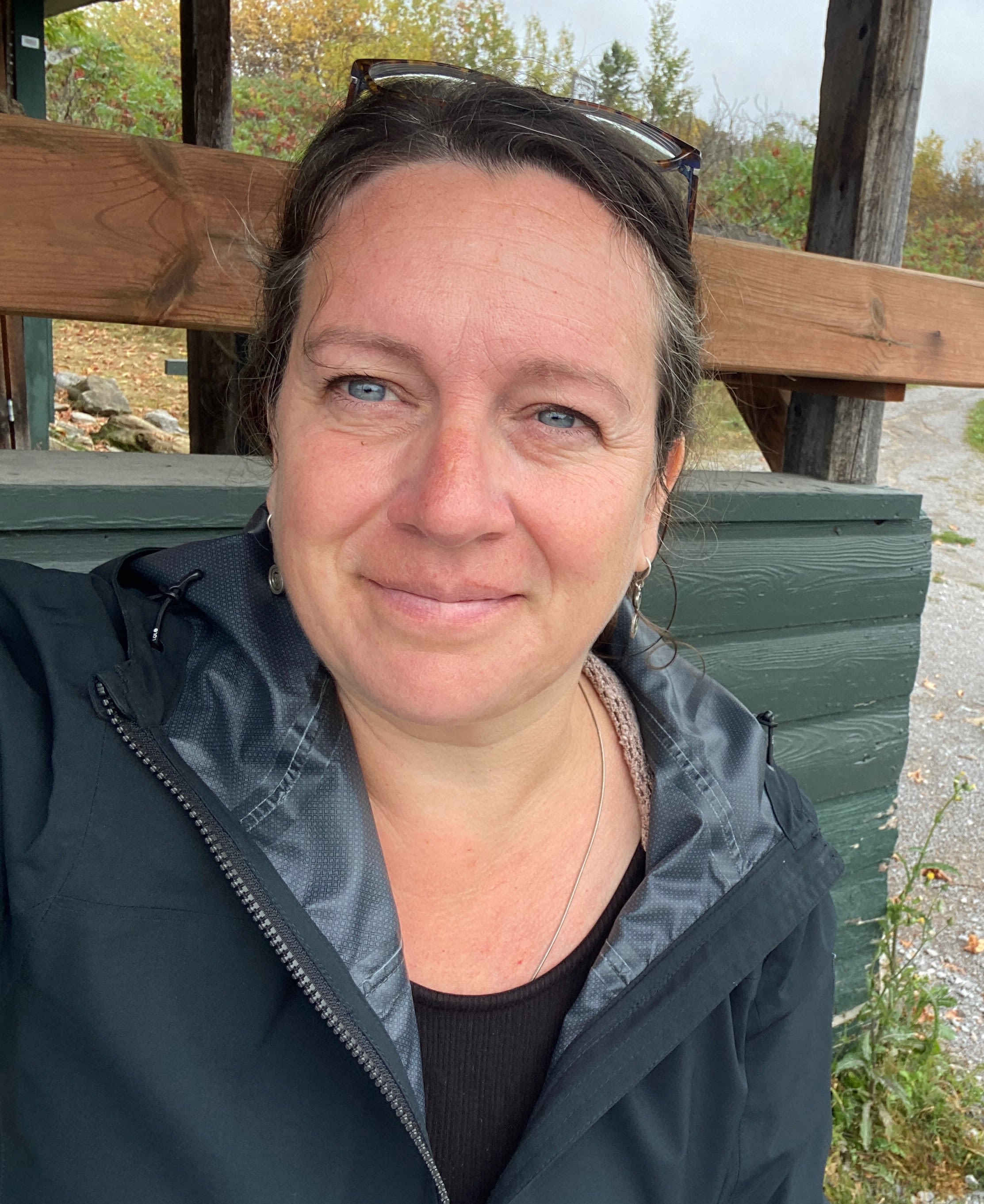
Andréanne Joly
Andréanne Joly has been exploring Canada’s rich and diverse Francophone communities for 25 years. She would gladly continue for another 100, as the beauty and diversity of these places never cease to amaze her. As a journalist, she regularly contributes to Northern Soul magazine, L’Express de Toronto, the tourism blog NorddelOntario.ca, and works with the Culinary Tourism Alliance. She is one of four authors of the book En train au Canada, published in 2025 by Gallimard.
Step into the story.