
Where Craft Becomes Connection
The Économusée Network began in Québec as a way to support small-scale artisans who want to share their craft with visitors. It now extends throughout Canada.

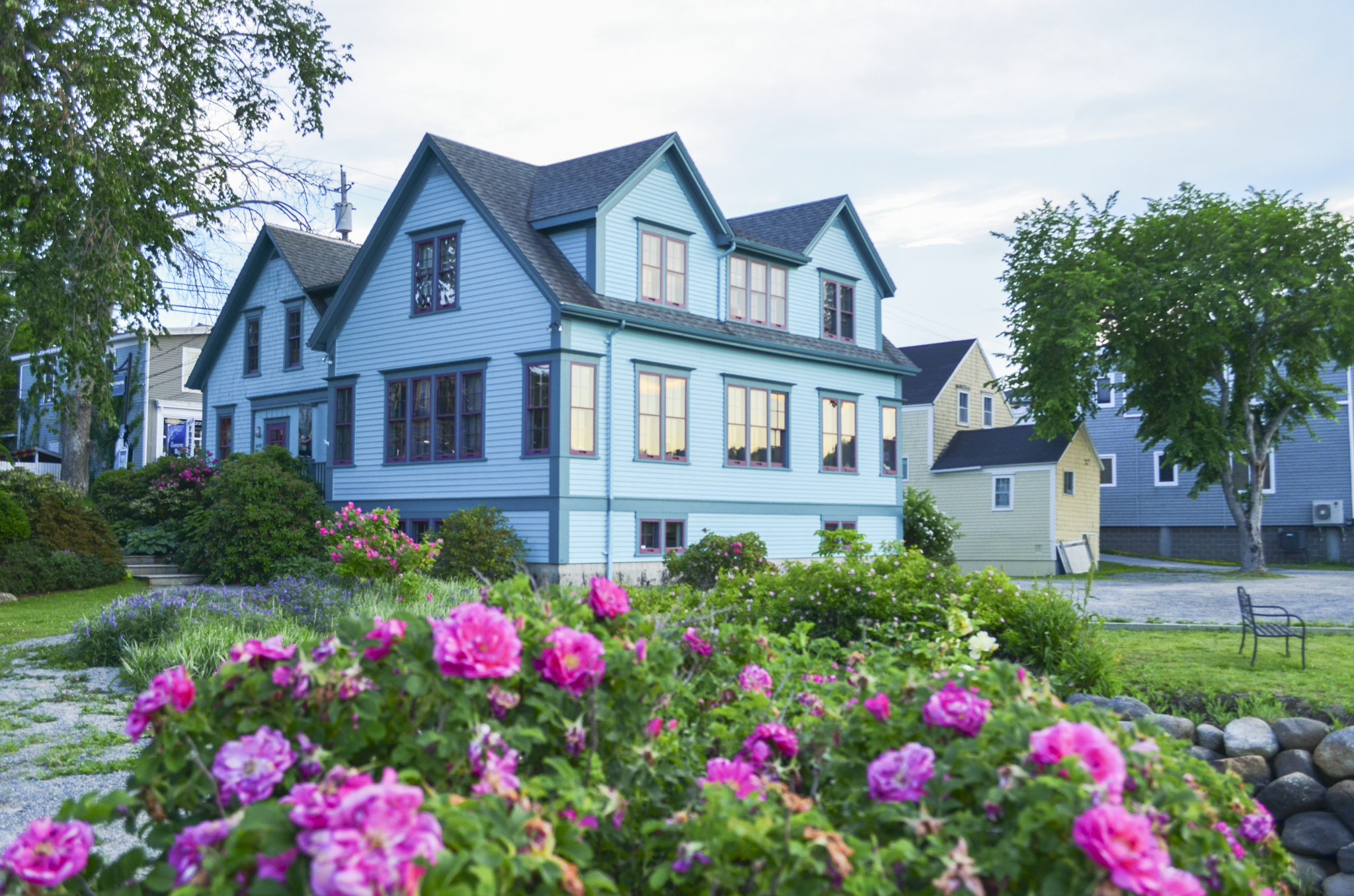
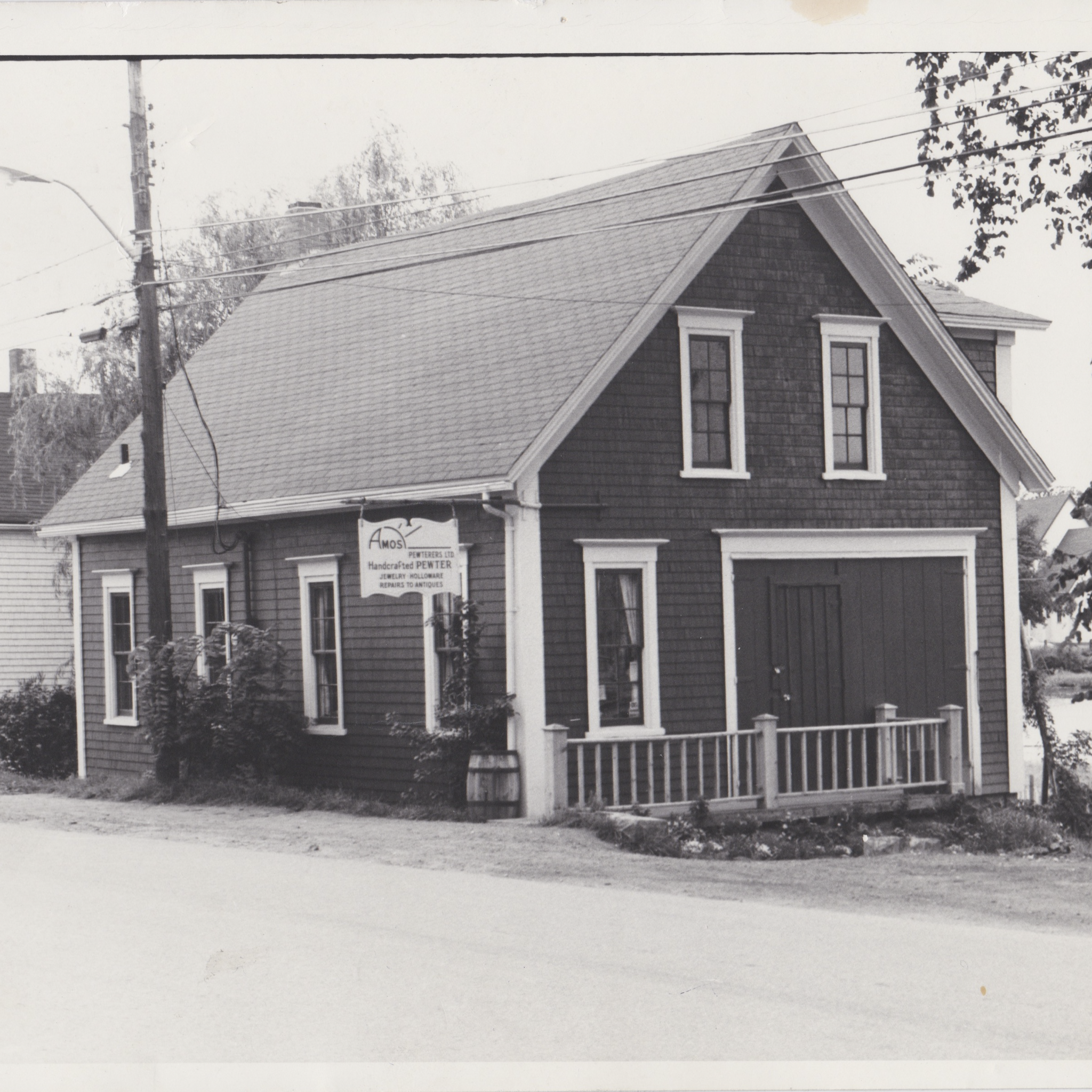
Jacob Sheehan grew up watching visitors walk through the doors of his family’s pewter studio in Mahone Bay, Nova Scotia. Inside what is a former 19th-century boatbuilding workshop, artisans at Amos Pewter craft original designs of jewelry, ornaments and home decor.
Jacob saw the sparks light up in people's eyes as they observed the careful work of artisans pouring molten pewter into moulds, drawing out pendants that captured their journey — a seagull, a sand dollar, a lighthouse.

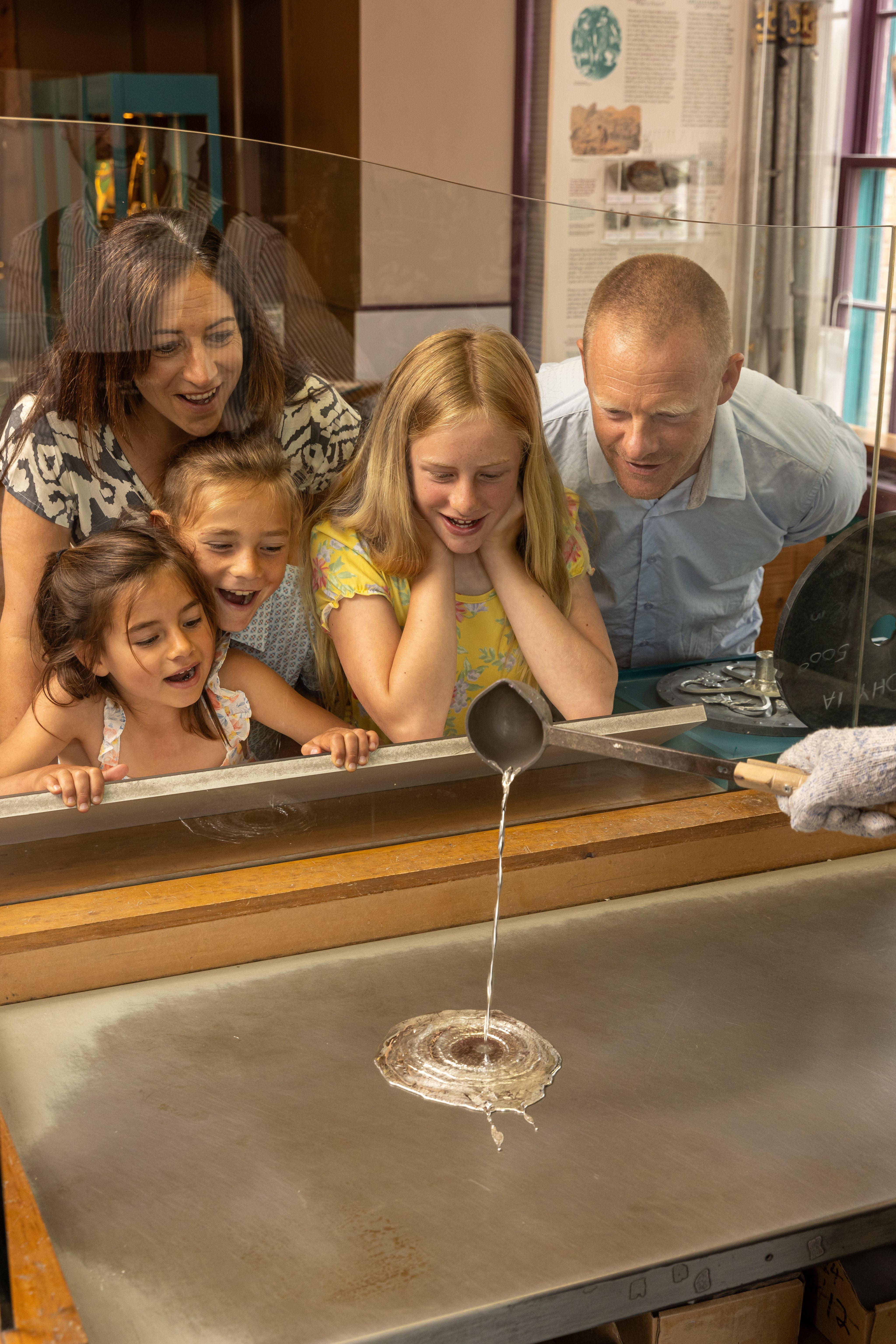
Photo: Amos Pewter
Photo: Amos Pewter
Today, Jacob still spends much of his time in the workshop-boutique. He now leads the tours and sees every day how eager people are to discover the craft, to speak with the artisans. What they are really seeking is to connect fully during their travel experience.
“People want immersive experiences. They want to touch, taste, try,” says Carl-Éric Guertin, Executive Director of the Économusée Network.
An Économusée is a working artisan business that also functions as a museum experience. The network supports artisans, like Amos Pewter, who open their workshops to the public, sharing their expertise and offering visitors a more meaningful connection to the places they are exploring.



Pewterer Économusée, Nova Scotia
Founded in 1974 in a former boatbuilding workshop dating back to 1880 in Mahone Bay, Amos Pewter carries history within its walls. “It’s a pretty unique piece of history to come in here,” Jacob says.
Founder Greg Amos sculpted wax moulds, poured pewter, polished jewelry and decorative objects - all while welcoming visitors. “It developed very naturally. People were enthusiastic and asked questions,” Jacob recalls.
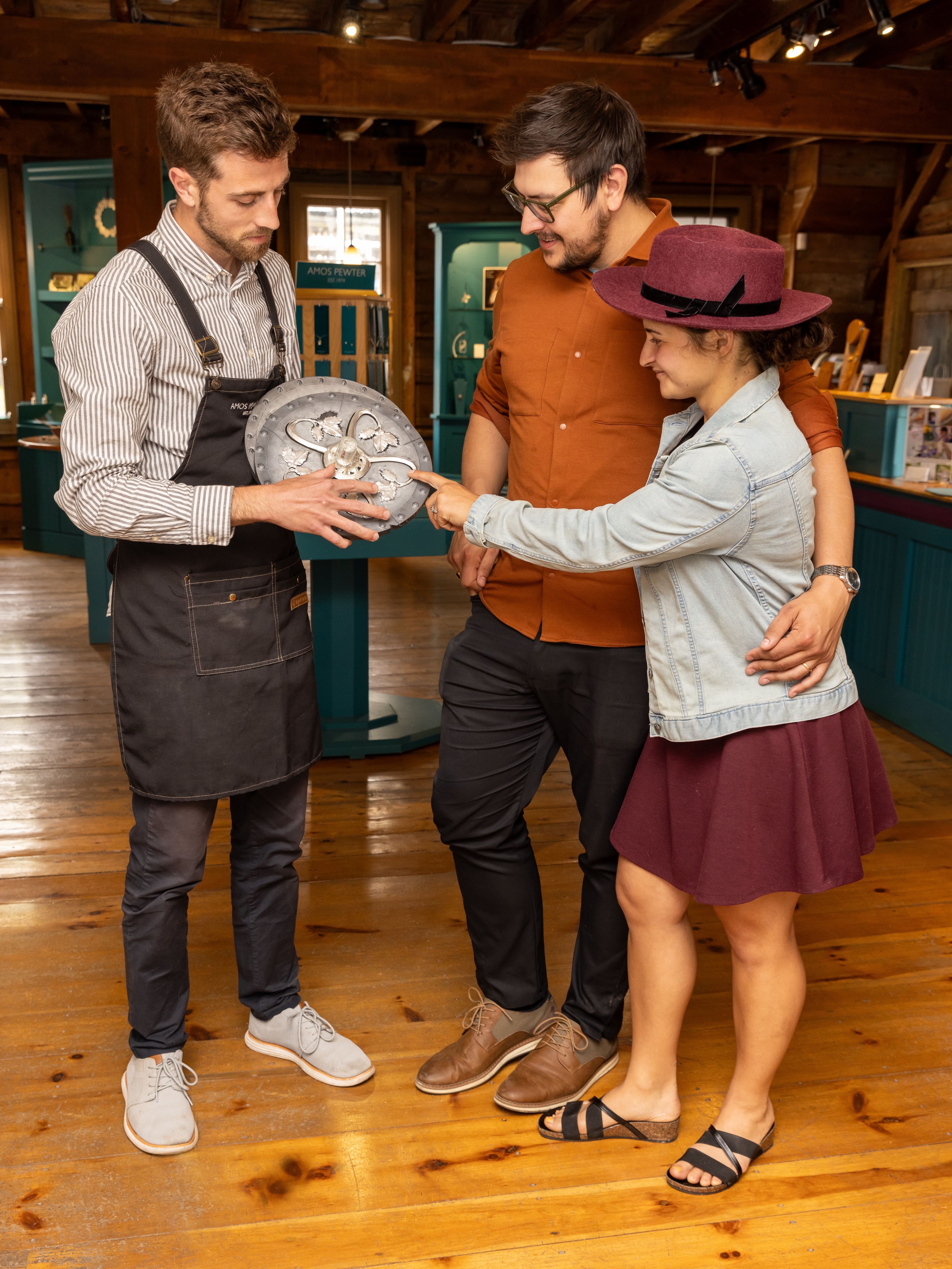
Today, the main workshop has moved upstairs, but artisans still work on the ground floor, demonstrating the craft just as Greg once did. Their passion is easy to share.
“This isn’t just another souvenir shop,” Jacob explains. “You can see the process from A to Z, from mould to finishing. It’s a very visual art.”
He especially enjoys casting from live models - starfish or sand dollars gathered from the local beach, leaves - and his favourite, a small lobster molded from a real one.

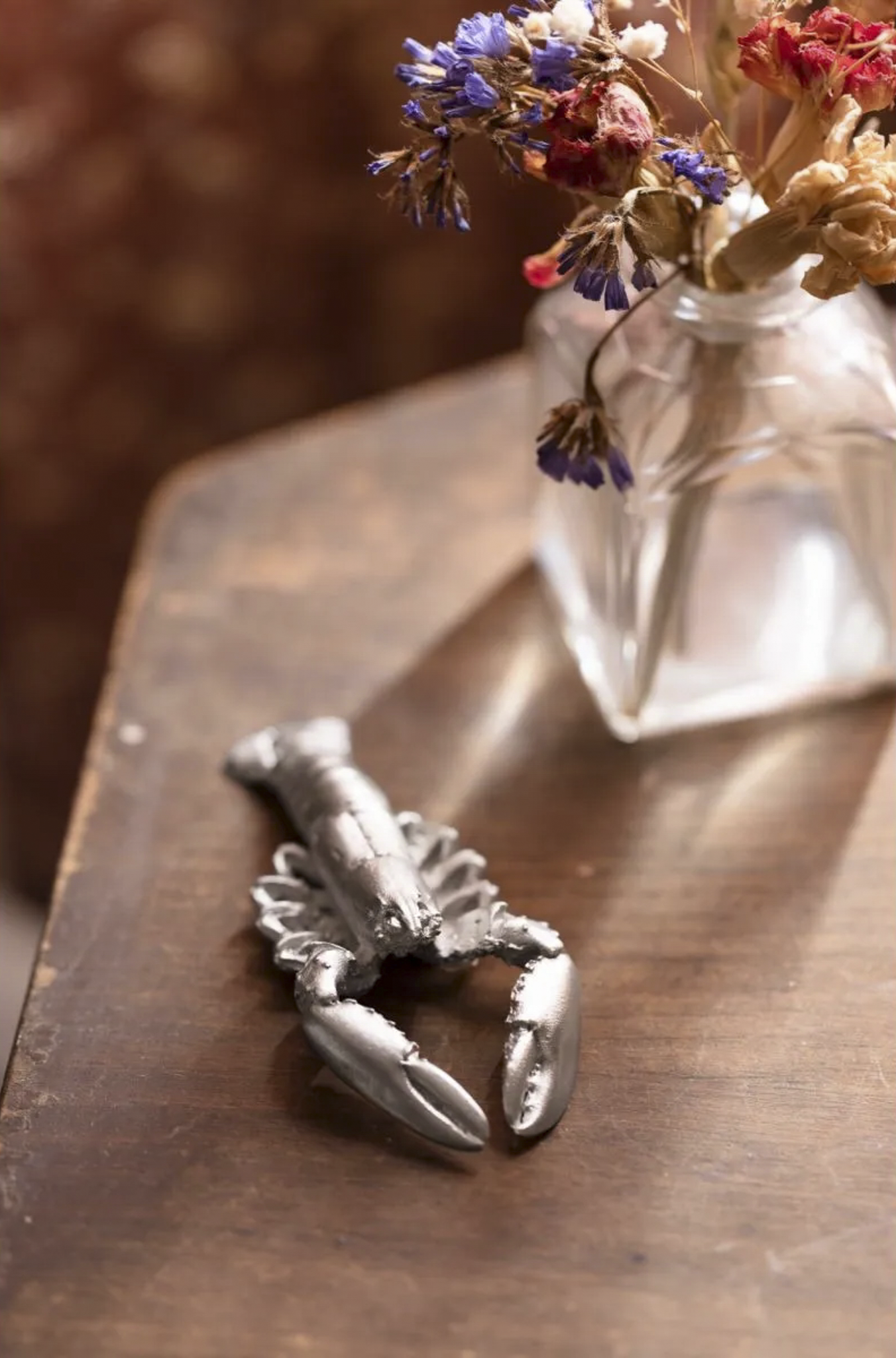
Photo: Amos Pewter
Photo: Amos Pewter
Demonstrations take place continuously in Amos Pewter’s workshop-boutiques, and visitors can also create their own piece. “We show the casting. Participants do the finishing and take their piece home.”
Collections are inspired by Nova Scotia’s nature, heritage, and architecture - from the lighthouse at Peggy's Cove to Grand-Pré Church and Halifax’s historic clock, along with fiddles celebrating kitchen parties and local wildlife such as whales and gulls.
A reminder not only of where you’ve been, but what you’ve seen and experienced there.
The main workshop in Mahone Bay and the Halifax waterfront shop are open year-round. Locations in Peggy’s Cove and Charlottetown operate during high season. (Demonstrations are not offered at the Halifax airport location.)
Oilers Économusée, Québec
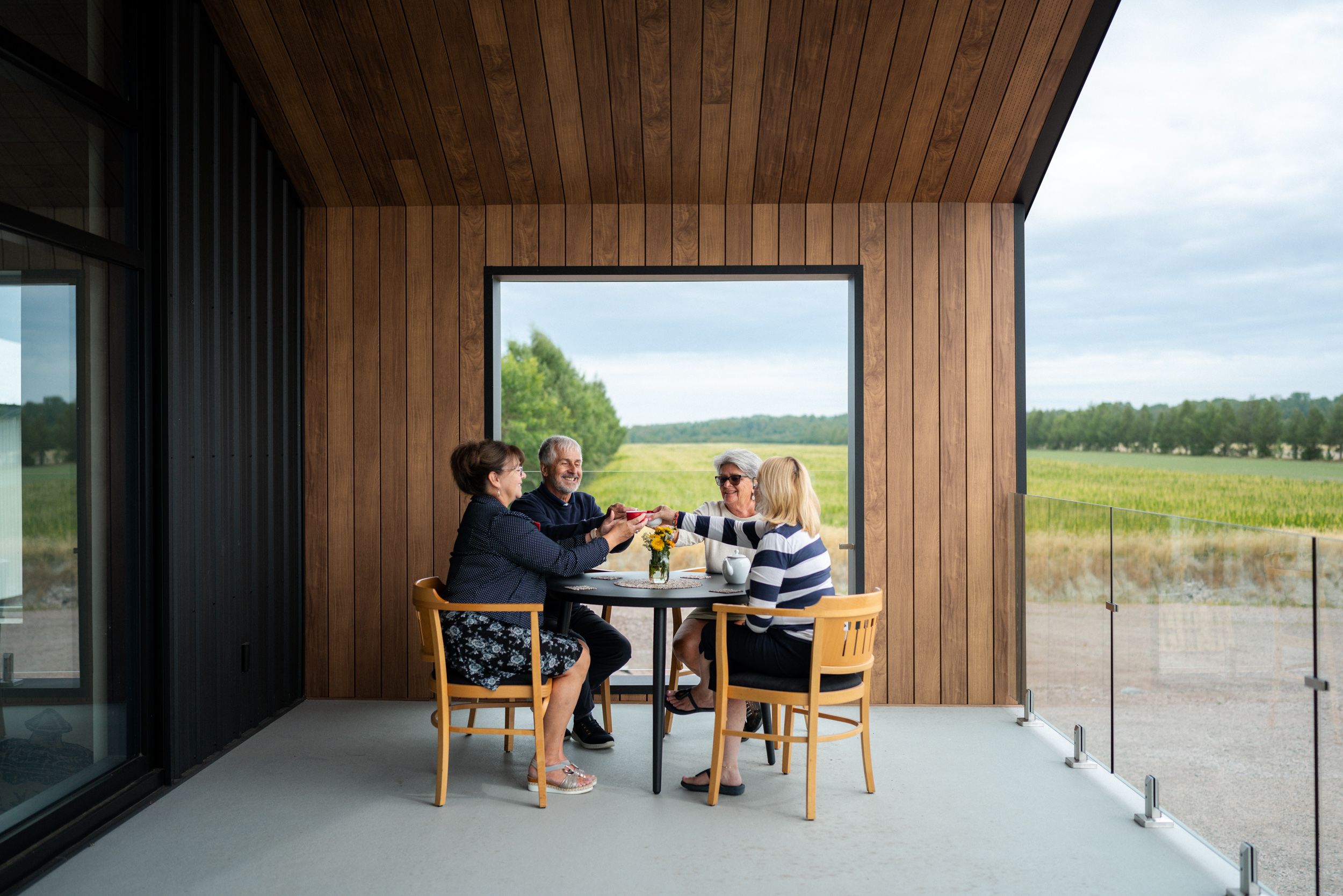
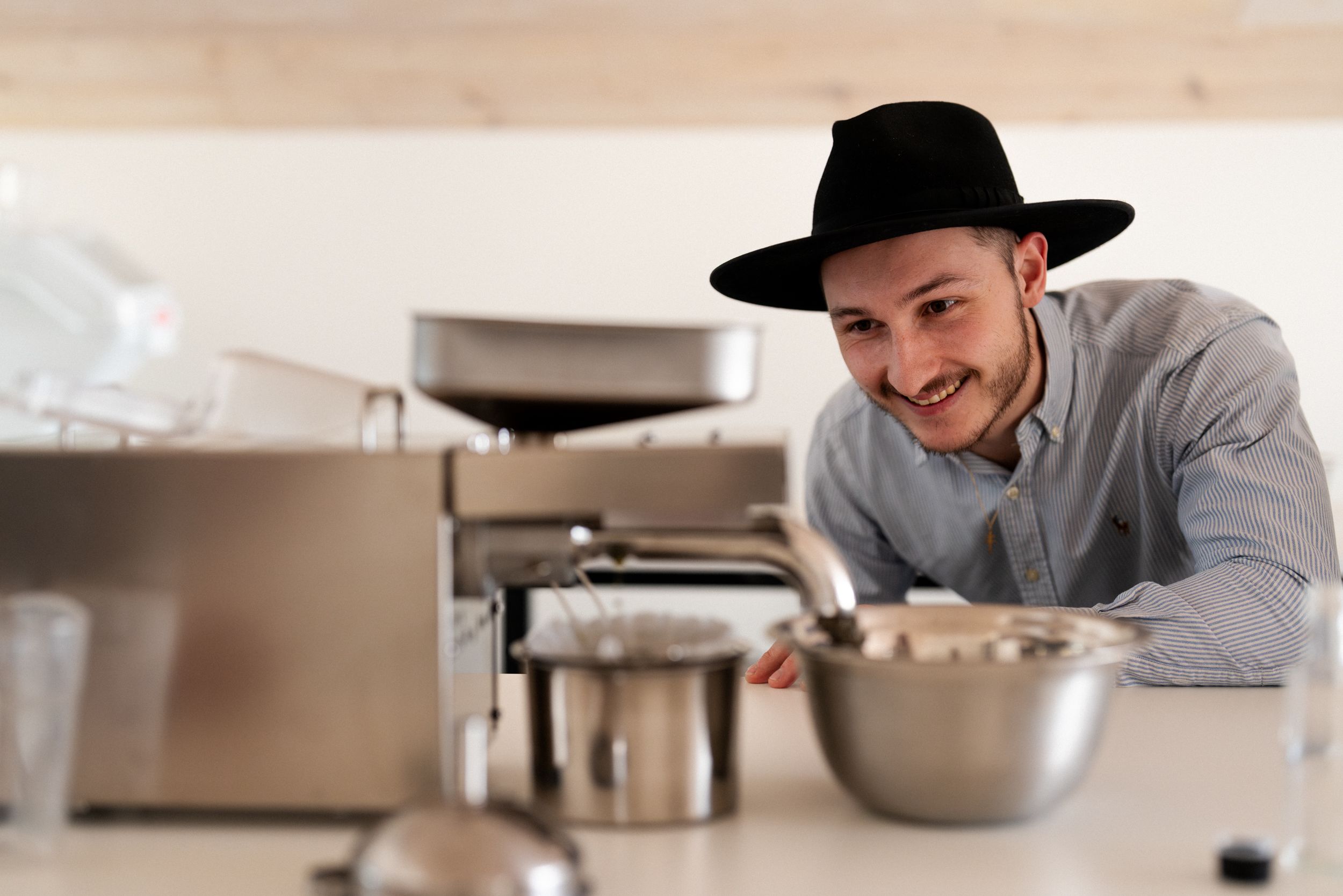
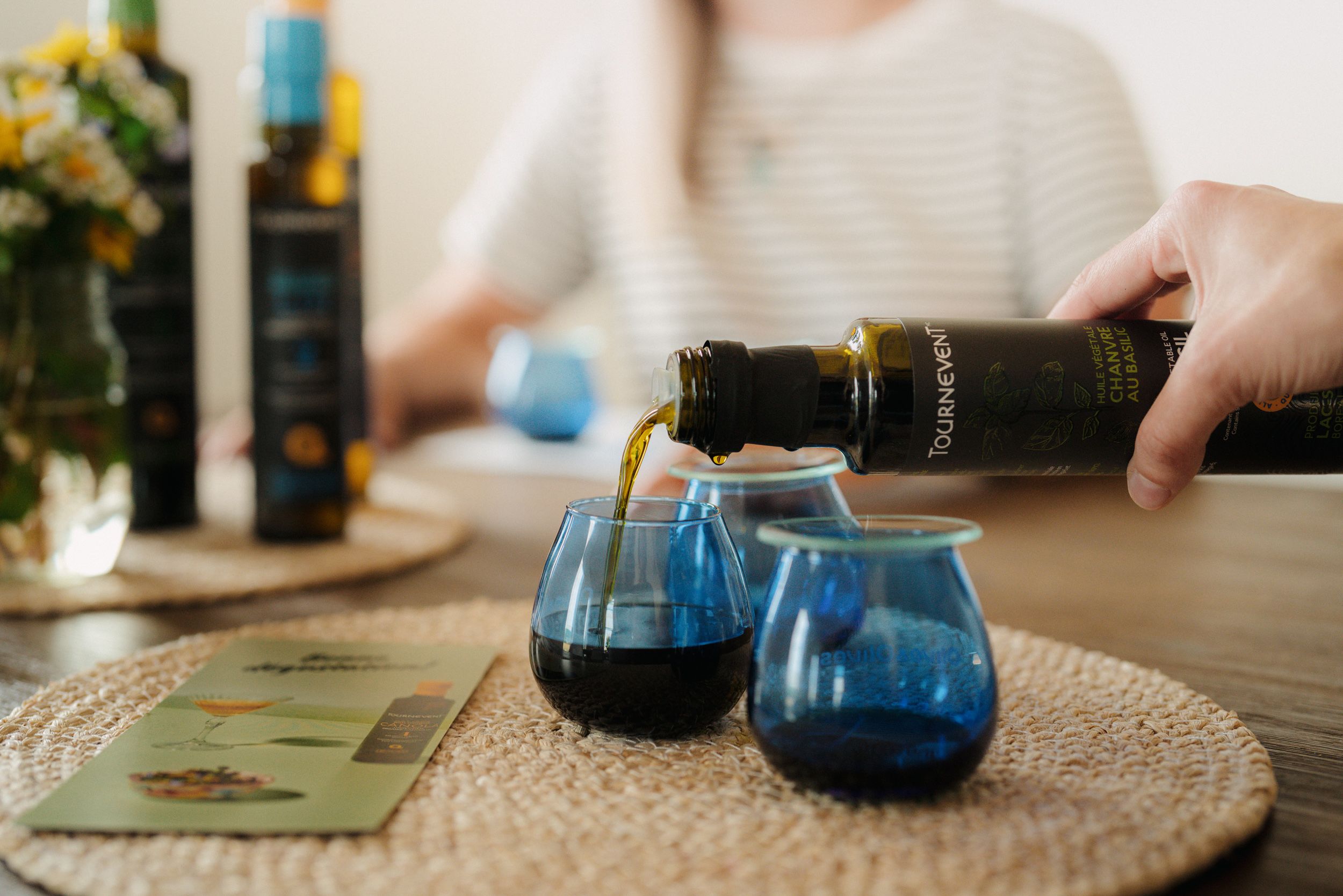
TournevenT produces organic first cold-pressed oils — but its mission goes further: demystifying how everyday cooking oils are made.
In a dedicated workshop space, visitors see each step, from plant to bottle. “People no longer see just a simple bottle,” explains co-owner Audrey Bouchard.

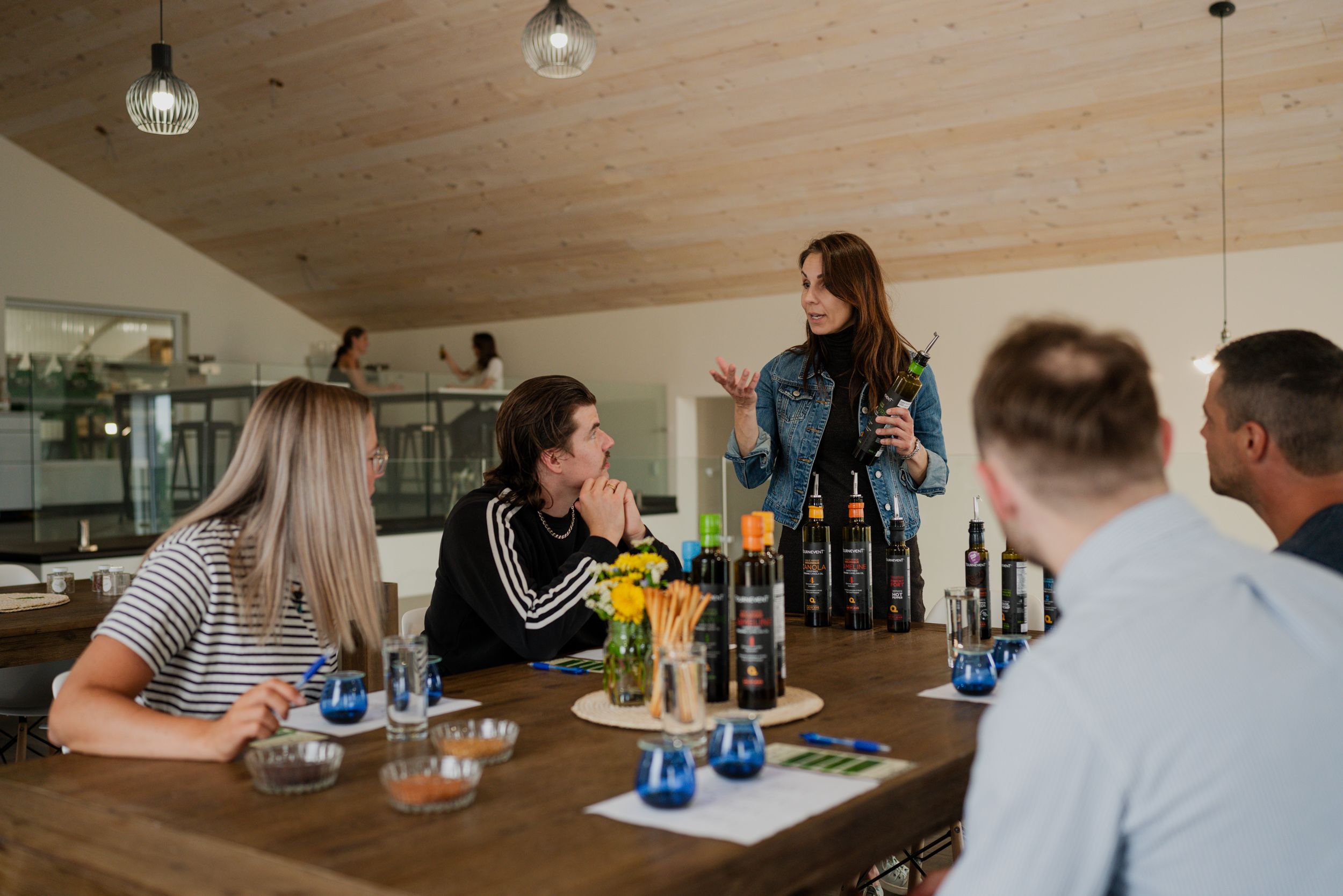
Photo: TournevenT
Photo: TournevenT
The project began when Audrey’s father-in-law sought succession for his former dairy farm in Hébertville, in the Saguenay–Lac-Saint-Jean region, known for its fertile land and favourable growing conditions, particularly for canola.
Inspired by cold-pressed oil producers in Bordeaux, France, the family replaced dairy herds with oilseed crops. Today, the property resembles a small vineyard landscape, set against the backdrop of Parc national des Laurentides.



TournevenT oversees cultivation, grain cleaning, and processing.
“To make oil, you need grain that’s 99.9% pure,” explains the scientist by training. “When you harvest in the field, that’s far from guaranteed.”
Their oils emphasize freshness — a contrast to many industrial products transported across thousands of kilometres.
At the entrance, an interpretation garden acts as a living laboratory, where visitors can see and smell flax flowers and other plants at various stages. Workshops allow participants to create and flavour their own oil, while guides discuss environmental impacts, production secrets, and the culinary characteristics of organic oils.
“We have fun — and it tastes good, too,” Audrey says with a smile.
The café, tasting space, and workshop are open year-round. In winter, snowshoe trails combine fresh air with flavour.
Glass Blowing Économusée, Québec
Giuseppe Benedetto’s curiosity knows few limits. In La Baie, he created an arts complex centred around an 1868 stone presbytery.
Originally a stone sculptor, he later incorporated glass into his work - adding transparency - and expanded into fine stone polishing for jewelry.
The site now hosts two Économusées: one for blown glass production and one for stone polishing. “Two Économusées in the same place is rather rare,” he says.
At Touverre, visitors watch him work at furnaces he built himself. “In 20 minutes, I can make a beluga, for example. Glassblowing starts and finishes very quickly.”
He crafts local fauna: white geese, hummingbirds, snowy owls, and the Saguenay classic, blueberries.
Before even entering, visitors encounter outdoor sculptures made from salvaged stone and glass from the building’s renovation, along with a geological garden. New ideas continue to take shape. “I’m constantly bringing to life the ideas that come into my head,” he says.

Distiller Économusée, Saskatchewan
Barb Stefanyshyn-Cote often paraphrases Jackie Kennedy: “In the chaos around us, everyone should have access to beauty.”
Beauty might be tasting a well-crafted gin or whisky. Or walking through flower fields in a Saskatchewan valley.
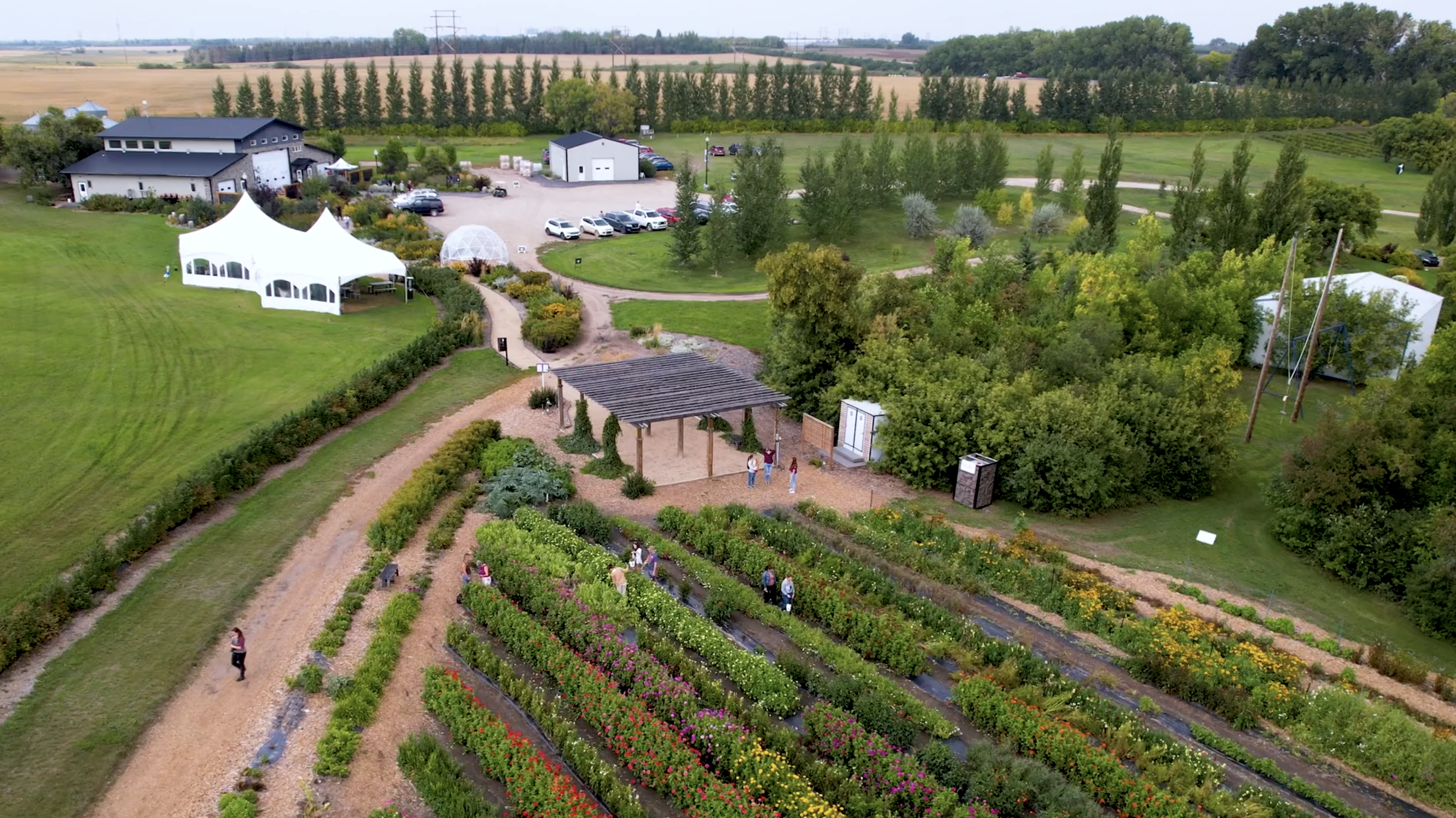
Around Black Fox Farm and Distillery, everything turns green in mid-May. By mid-June, 3,000 peonies bloom, followed by perennials, annuals, and 52,000 gladioli. Grain fields shift with the seasons.

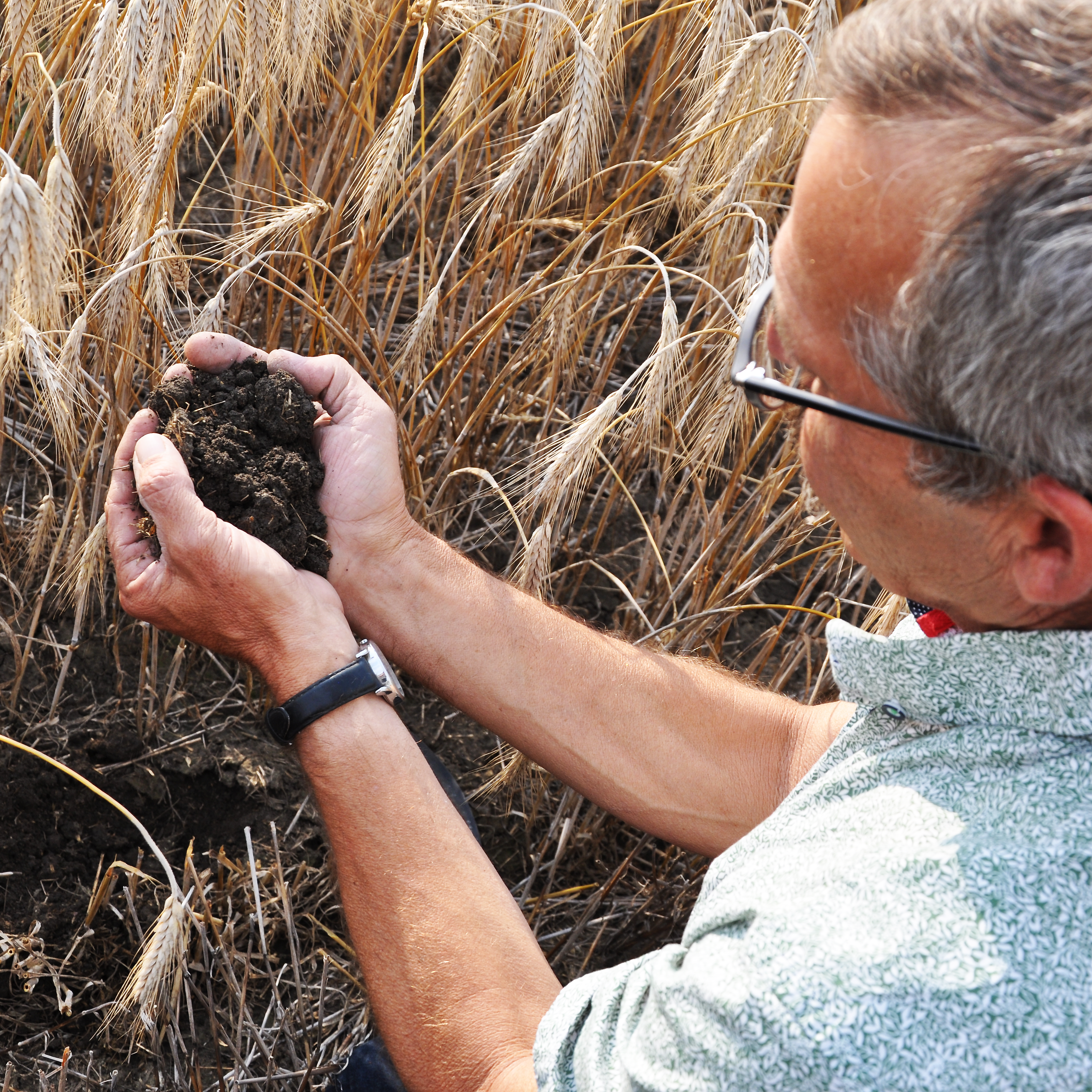
Barb and her husband John Cote, both fifth-generation farmers, once faced a crossroads: expand their 5,000-acre farm or chart a new course. They chose transformation, selling the family farm to create Black Fox in 2015.
“We do everything, from growing to tasting.”
Their goal is to reconnect agriculture and consumption. Only about 3% of Canadians now work in agriculture, Barb notes. “Black Fox exists to create a product that connects people to the fields. We tell a story that reconnects people to every step of agriculture.”


Black Fox Farm and Distillery
Black Fox Farm and Distillery
Inside the distillery, visitors learn about grain selection and production before tasting. In winter, outdoor experiences combine distillery tours, night sky viewing, and warm cocktails by the fire. In summer, guests can cut flowers in the fields, adding beauty to the chaos.
Read more about Black Fox in our story Spirits on the Prairies.
Cattle Ranching Heritage Place, Alberta
“We’ve always seen the West as a place of adventure, animals, and wide-open spaces,” says Adam Charbonneau.
At River Ranch in St. Paul, which he runs with his wife, Crystal, that sense of freedom is immediate.
It is a family story. Adam’s grandfather left Sainte-Rose-de-Laval, Quebec, to settle in northern Alberta and start a ranch. Adam is a third-generation rancher; Crystal represents the fourth generation on her side.
They practice sustainable ranching, sending herds onto perennial forage and emphasizing symbiosis between cattle and land.
Two years ago, they opened their world to the public.
“People can do a bit of what we do every day: ride horses. And simply be part of this universe.”
The meeting point is the barn, home to horses and cattle, where an interpretation space has been created. From there, horseback excursions lead through hills and valleys with expansive views.
“I show them the ranch and talk about the practices we use to enrich our soil.”
Some choose multi-day excursions, sleeping under Alberta’s wide skies, near the herd and horses. Others opt for shorter rides or simply learn to handle a lasso in the barn.
These places offer more than a visit. They offer encounter, process, conversation, and the chance to carry home something shaped not only by hand, but by place.
Within the walls of the Économusée, there is passion and authenticity. Discover the whole Économusée Network.

Andréanne Joly
Andréanne Joly enjoys exploring, digging into, and uncovering the Francophone culture of Ontario and its various attractions. She has been doing so for 20 years and would continue to do it for another 100 years as the richness, beauty, and diversity of Ontario's destinations never cease to amaze her. As a journalist and writer, she regularly collaborates with NorddelOntario.ca, the Culinary Tourism Alliance, Francopresse.ca, the newspaper Le Voyageur, and others.
Step into the story.