
Gathering Season
Stories of connection from berry patches across Canada
By Izabela Jaroszynski
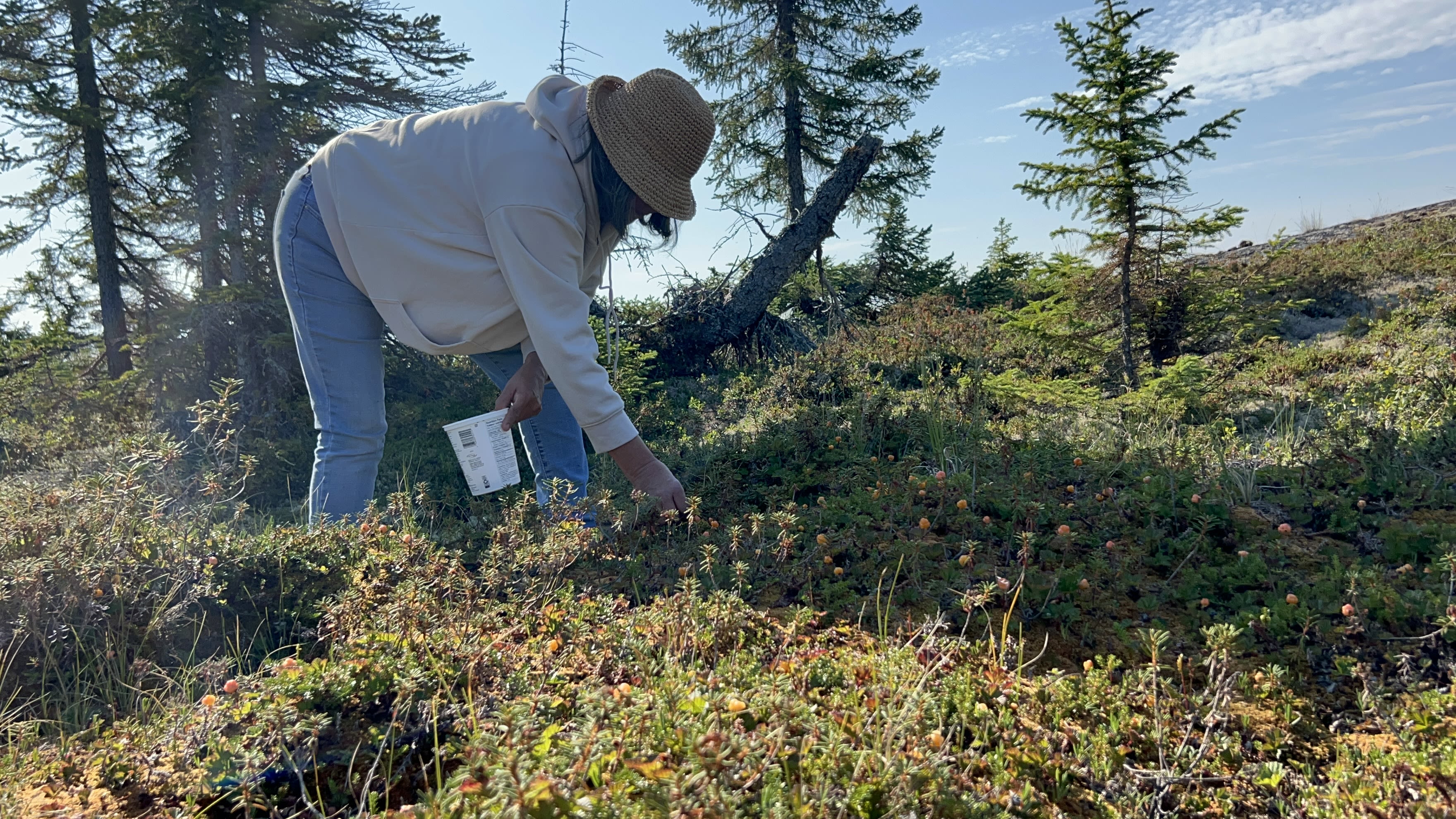

With the early August sun beating down, we anchor along a small island on the East Arm of Great Slave Lake in Thaidene Nëné National Park Reserve. My guides, Shirley and Ron Desjarlais, are showing me one of their favourite pastimes: berry picking.
We spread out across the lichen-covered ground — crunchy and spongy underfoot — scanning for low bushes heavy with fruit. Blueberries, smaller and more tart than the Ontario ones I grew up with. Bright cloudberries, soft and juicy. We fill repurposed yogurt containers as we go.
Berry picking in this remote corner of the Northwest Territories isn’t so different from anywhere else in Canada. A bucket. Good shoes. A willingness to get your hands — and often your knees — dirty.
Foraging links us across provinces and territories — through generations, in family traditions, Indigenous foodways, and jam jars lined up on kitchen counters.
Here, we’ve gathered — like berries into a container — stories from foragers across the country. A reminder that even in a fast-moving world, some connections are still made by hand.
For Gift or Trade
By Jenni Lessard, Inspired By Nature Culinary Consulting
Saskatchewan

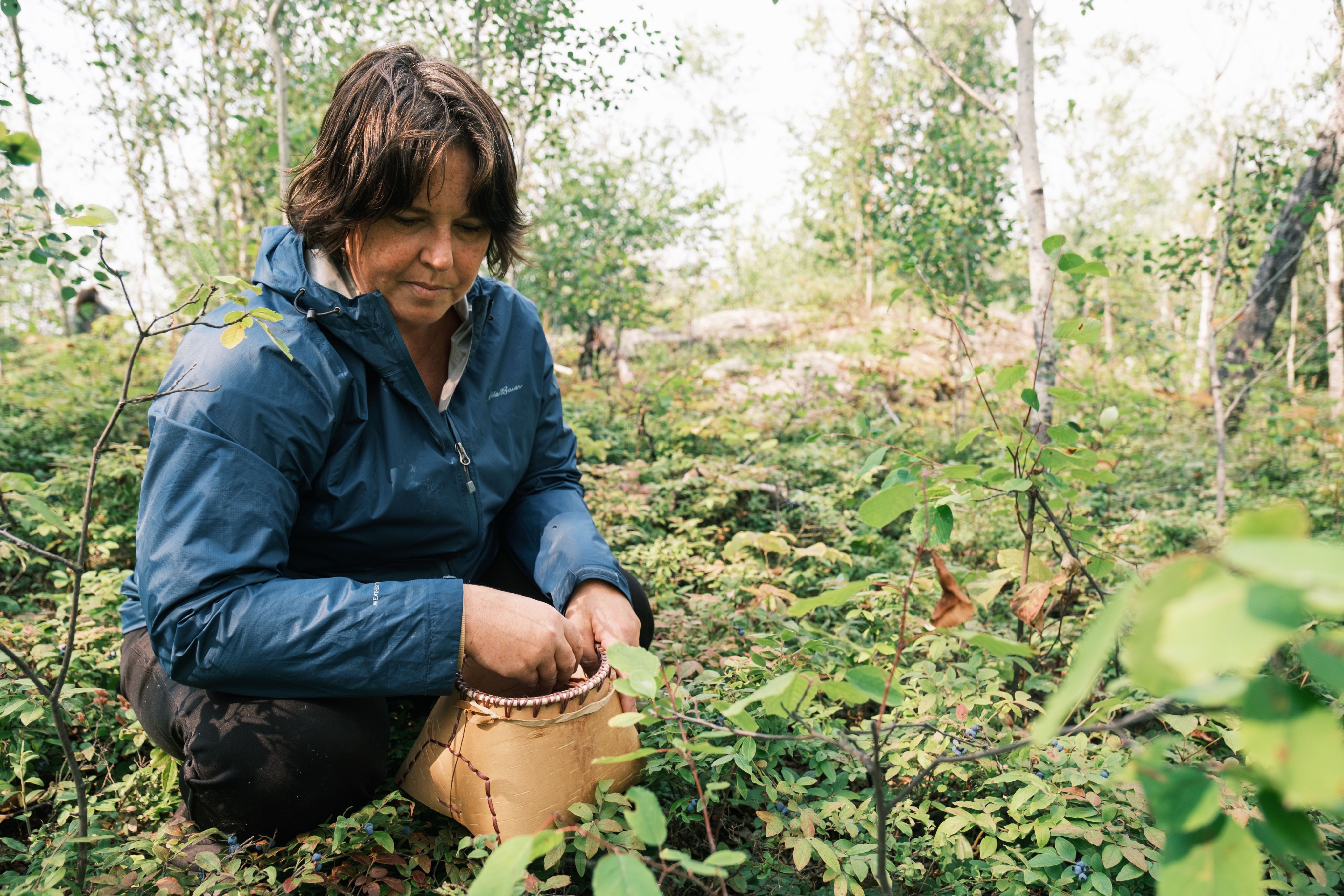
Jenni Lessard. Photo: Tourism Saskatchewan
Jenni Lessard. Photo: Tourism Saskatchewan
"It was a very good year for Saskatoon berries all over the province. It doesn't happen every year, but when it does, you get extra weeks of picking, and they're so juicy. I had a bit of extra time, and I was about halfway through my berry picking, so I thought I should put a call out on social media. It was just a post with my hand and some berries. 'Does anyone need berries? Not for sale, a gift or trade!'
Jenni wanted to help because she knows not everyone has the means, time or ability to head out to forage for berries.
"Seven people reached out. One is to help a community dinner that feeds, I think about 400 people every Sunday in Saskatoon, so I'm going to bring berries to that baker, and she's going to work them in. Someone else is a printmaker, and he's going to make me a print for my eldest's birthday. A Métis potter in Regina is making me a plate specifically for my morning toast.
I thought, 'wow, this is amazing...these are beautiful connections that have come from that offer'. You hear so many bad things about social media, but within two hours, it was incredible to have all these berries go in different directions."
Chef Jenni Lessard is an acclaimed Saskatchewan chef, culinary consultant and all-around-amazing human. Read more about Jenni in A Story in Every Bite.
'This Was Their Grocery Store'
Melanie Gamache, Borealis Beading
Ste. Genevieve, Manitoba

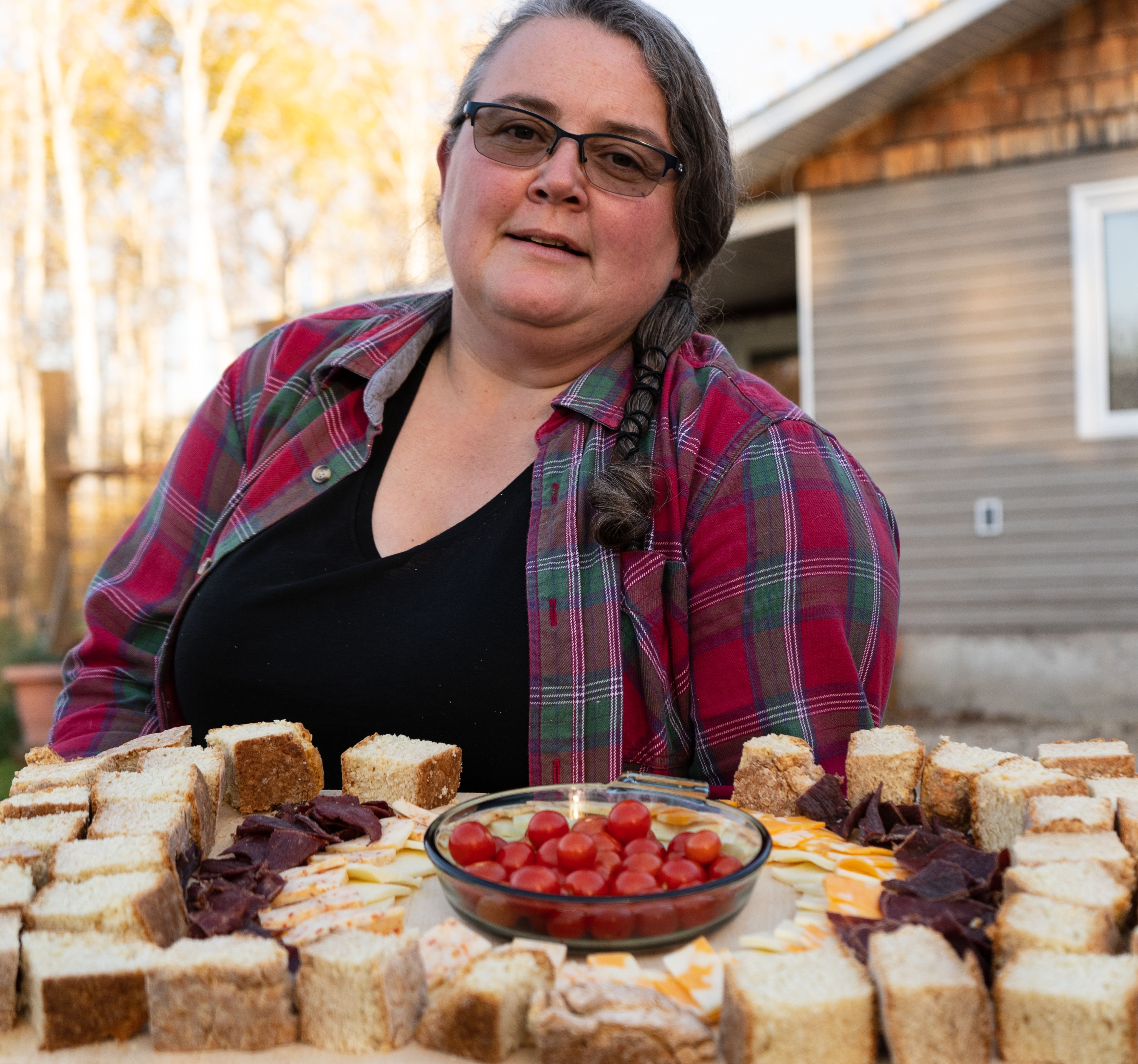
Melanie Gamache serving food at her beadwork workshops
Melanie Gamache serving food at her beadwork workshops
When Melanie Gamache goes berry picking, her hands are busy, and her mind relaxes.
“Some really good ideas come to me when I’m berry picking. It’s concentrated, but relaxed...it’s like beading. You kind of lose track of what you’re doing and your mind is just — it’s relaxed.”
Often she goes alone, fitting it in after work or on weekends. She scans for strawberries, for Saskatoons, for chokecherries or high bush cranberries. As she picks, stories move through her head. Not necessarily good things or bad things — “just stories about life in general.” Ideas form. Connections surface.
That sense of connection is something she speaks about often in her work as a Métis beadwork artist in Manitoba. On her property walks and experiences, she talks about the berries native to this place — Saskatoon, blueberry, chokecherry — and links them to the Pemmican Wars and the bison hunt, to a time when people didn’t have grocery stores. “This was their grocery store,” she says. Nature was a provider, “but it provided more than just food.”
As a child, she didn’t see it that way. “When you're a kid, you don't really necessarily enjoy berry picking. I remember being very bored.”
"My grandparents weren’t rich. They were farmers. All of their money went back into the land." In winter, when food ran low, there were jars — preserves and canned Saskatoons — on the shelf.
Now, when she tastes berries warm from the sun, “all these memories just rush through me.” Everything is connected, she says. “It doesn’t take much to find these connections if you stop and think.”
Melanie Gamache is a Métis beadwork artist and owner of Borealis Beading in Ste. Genevieve Manitoba. You can read more about Melanie here.
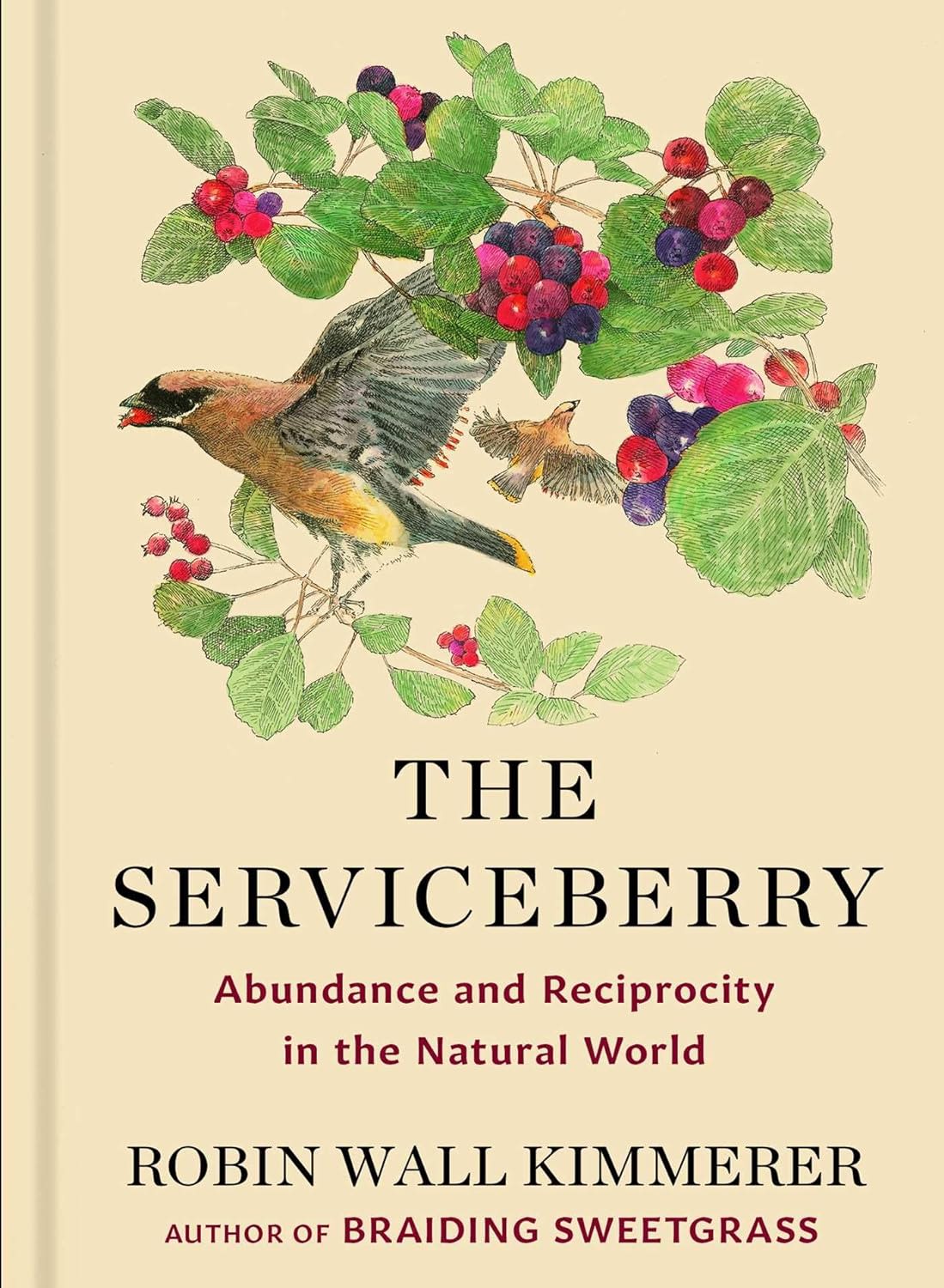
Melanie recommends reading The Serviceberry by Robin Wall Kimmerer.

A Yukon Icon Gets A Berry Upgrade
Chef Cat McInroy, Well Bread Cooking School
Whitehorse, Yukon

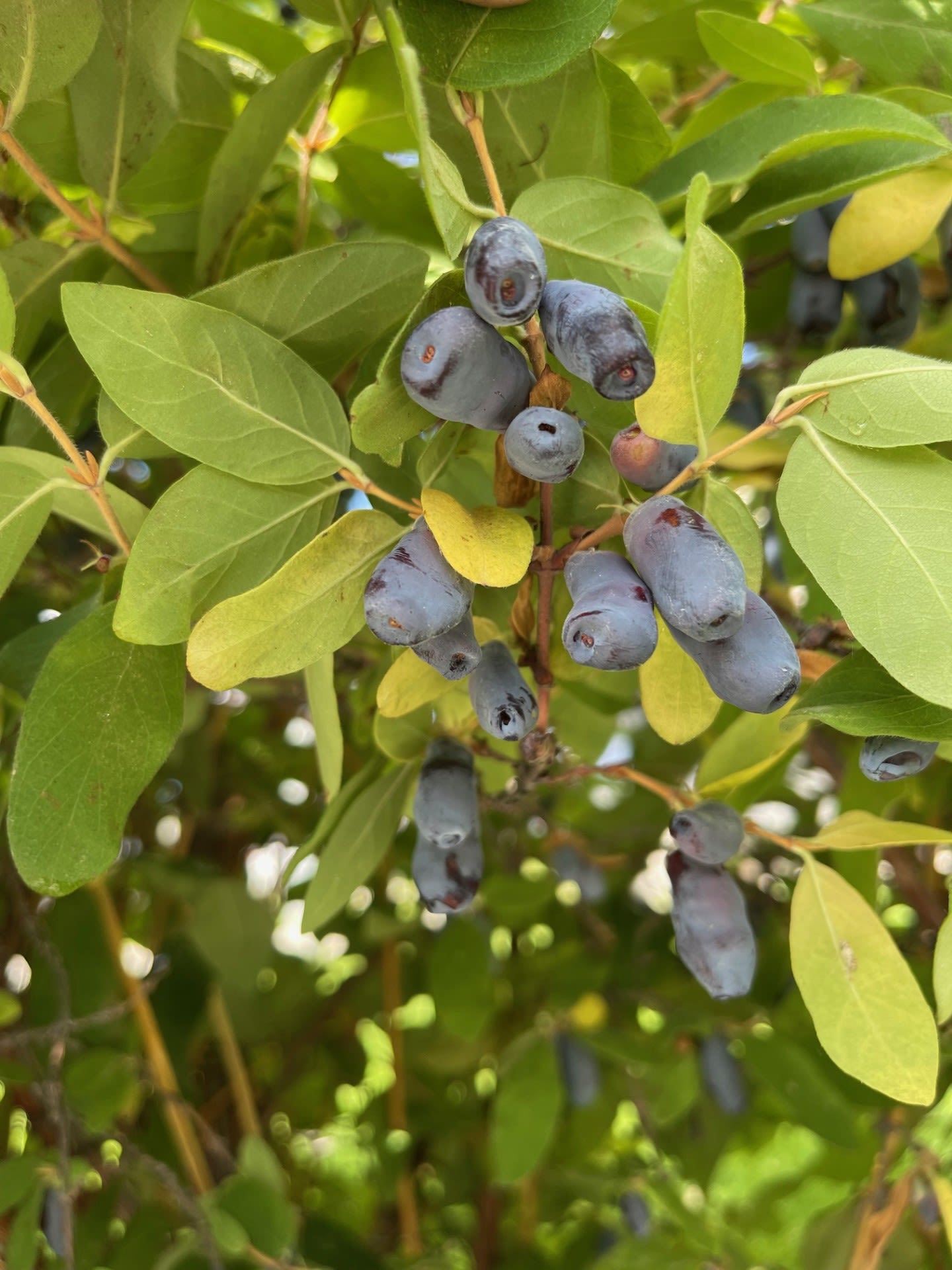
Haskap berries in Chef Cat's garden
Haskap berries in Chef Cat's garden
When a colleague from the Yukon Convention Bureau approached Chef Cat McInroy with a challenge — could she create a candy version of Dawson City’s infamous Sourtoe Cocktail? — she didn’t hesitate.
“Yes,” she said. “Because I love a culinary challenge like that.”
The Sourtoe Cocktail, served at the Downtown Hotel in Dawson City, requires a mummified human toe dropped into a shot of liquor. The rule is simple: you can drink it fast or slow, but your lips must touch the toe. The shot must be at least 45 proof — strong enough alcohol for sanitary reasons, which means not everyone can take part in the original ritual.
McInroy set out to make a version that would allow more people to join the experience without the preserved digit.
The solution came from a northern berry.
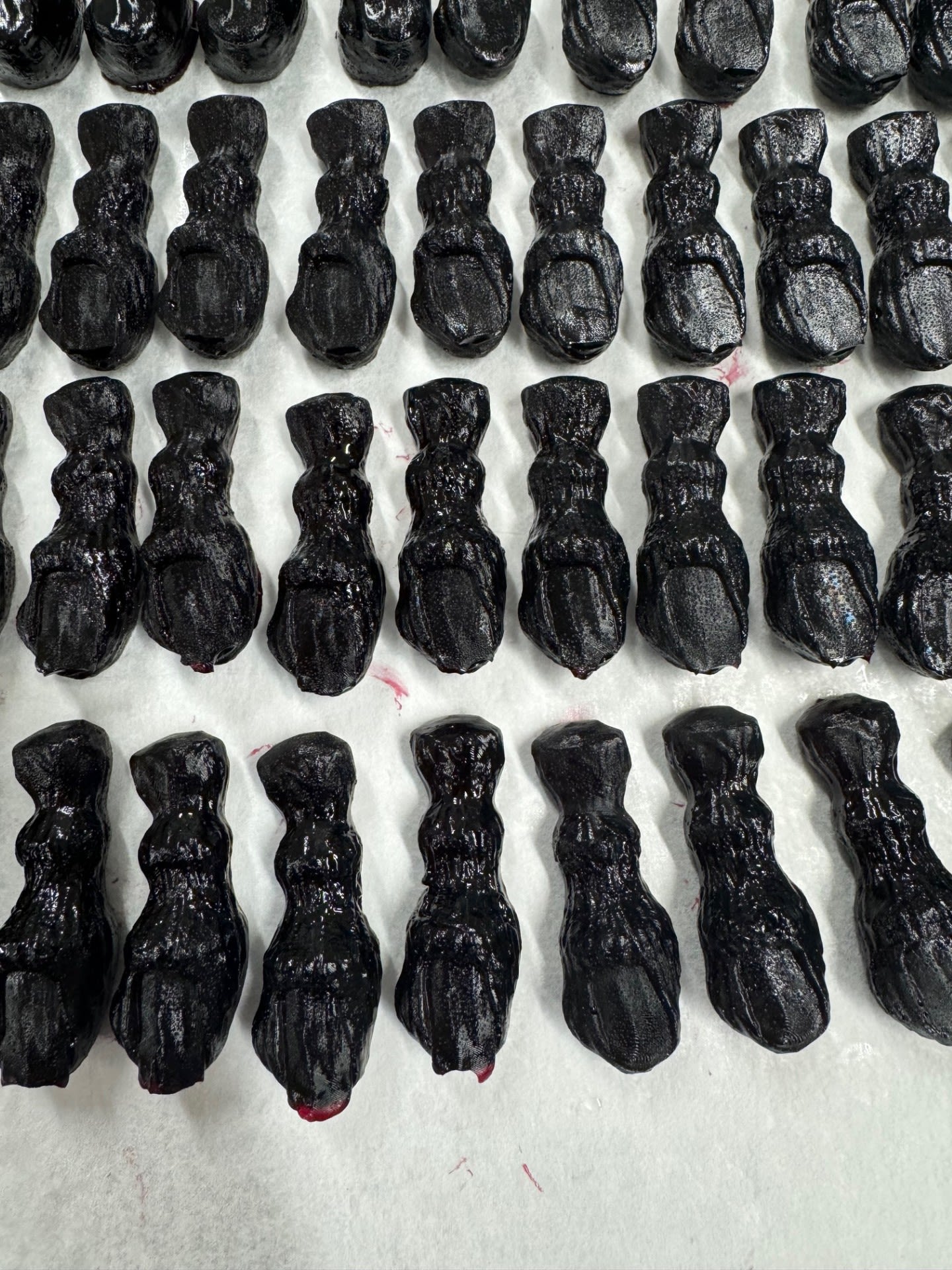
Haskap sourtoe gummy candy
Haskap sourtoe gummy candy
She made the gummy toes from haskap juice. They taste like “a blueberry crossed with a raspberry,” she explains — more tart than a blueberry, less sharp than a raspberry — and they break down beautifully when cooked, leaving almost no seeds behind.
On the vine, haskaps are deep blue. When processed, they turn an almost black-purple — the perfect natural colour for a convincing old dried toe. “I wanted something local,” she says. “And I didn’t have to add anything artificial to get that colour.”
When dropped into a drink, the gummy toe releases a vivid pinkish-purple hue, blooming through the liquid.
Working with a 3D-printed model, Chef Cat developed food-grade silicone moulds. The Downtown Hotel even posted a side-by-side image of a real preserved toe and McInroy’s candy version, asking followers to guess which was which.
She dusts each finished toe in freeze-dried haskap powder to intensify the flavour. “As soon as you touch it to your lips,” she says, “you’ve got that instant haskap flavour.”
Adults can still attempt the original ritual. Kids — and anyone who prefers not to down high-proof liquor with a human toe — can drop a haskap gummy toe into a mocktail and join in.
For Chef Cat, the berry choice mattered. She teaches ethical foraging and didn’t want to strip wild patches of cranberries for novelty candy. Haskaps are cultivated locally and widely planted in Yukon gardens.
“It was just kind of the perfect marriage,” she says. “It just worked.”

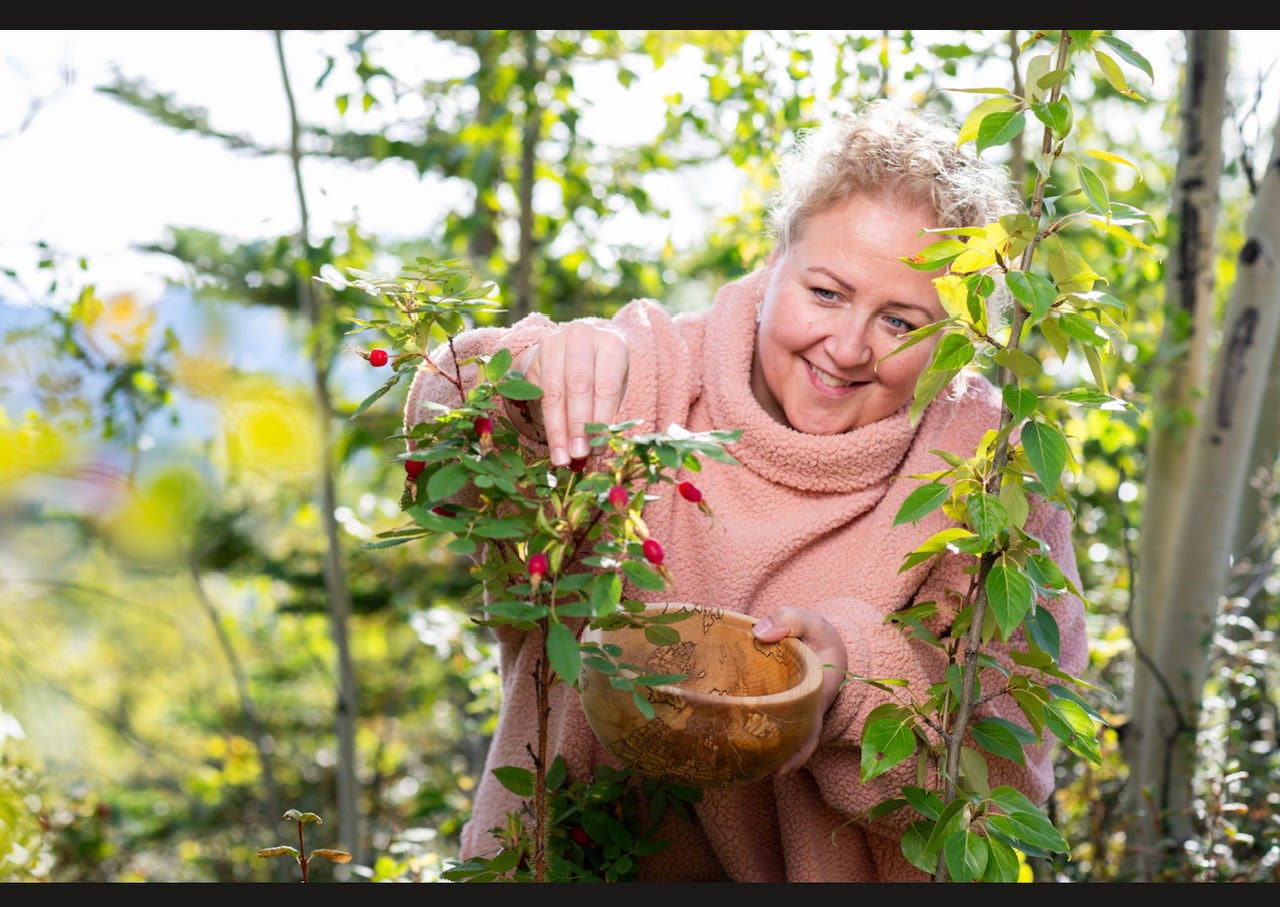
Chef Cat picking rosehips, by Cathie Archbould Photography
Chef Cat picking rosehips, by Cathie Archbould Photography
Cranberry Tart Recipe courtesy of Chef Cat:

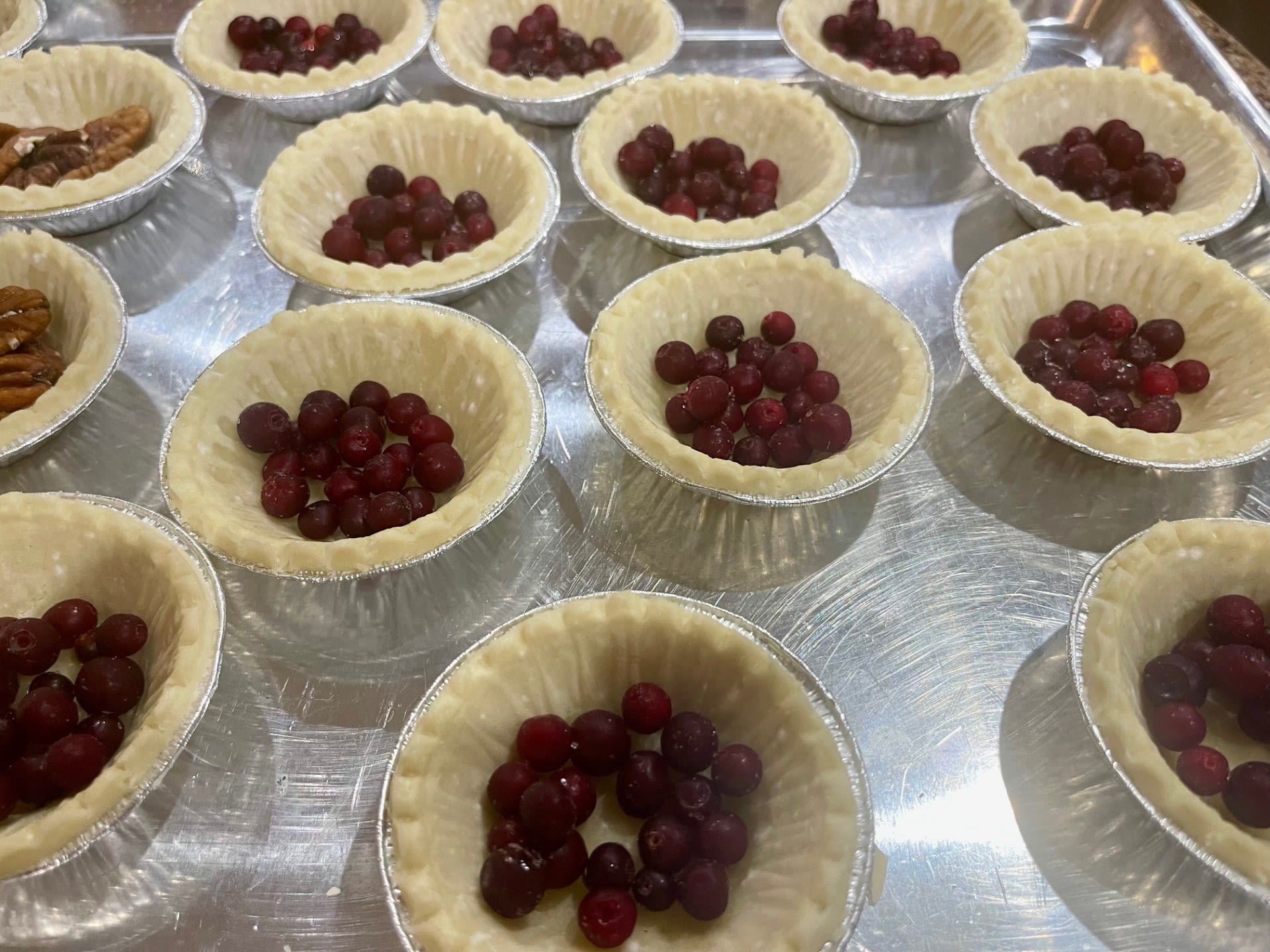
"I transformed the iconic Canadian butter tart to a very Yukon version by replacing the traditional raisins or currents with wild low-bush cranberries. For me, these are perfection as the tart cranberries cut the sweetness of the butter tart filling and add moisture so the filling is luscious and gooey, not thick and sticky, which I find too sweet."
- 2 eggs, lightly beaten
- 1 cup brown sugar
- 3/4 cup corn syrup, brown or light doesn’t matter
- 1 teaspoon regular white vinegar
- 1 teaspoon vanilla extract
- 1/2 tsp kosher salt ( or 1/4 tsp regular fine table salt)
- 1/2 cup melted butter (regular salted butter)
- 1/2 cup chopped walnuts or raisins (optional)
- 1/2 cup frozen Yukon wild cranberries (optional, but my signature butter tart addition, and I don't ever use nuts or other fruits if I add the cranberries)
Always add the inclusions (berries, raisins, nuts) to the empty tart shells BEFORE you pour the filling mixture into the shells. Only fill the shells ¾ full, as they will puff up during baking (due to the eggs)
Temperature 350F for 20 minutes or until filling is bubbling and shells are fully baked.
Chef Cat McInroy is the owner of Well Bread Cooking School in Whitehorse, Yukon and the keeper of the original 1898 Sourdough Starter.
Rules of Berry Picking
Curtis Roebotham, The Homestead Adventures
Newfoundland
Near Southwest Pond in Newfoundland’s New-Wes-Valley, Curtis Roebotham runs The Homestead Adventures from what he calls “a little slice of heaven.” Guests come for boil-ups, time in the woods, and berry picking — but first, they get a quick education.
“Look at your feet is number one.”
In Newfoundland, blueberry bushes can come with red ants. The first step into a patch is usually fine. It’s the second step — the heavier one — that stirs the nest. “Pick some berries, look at your feet. Pick some berries, look at your feet.” If you see ants, you move. Not just to the next bush. Move on.
“Constantly moving is number two. Always move from bush to bush.” Don't pick a bush clean.
Rule three: “Never take more than what you’re going to need.” And never use anything but your hands. No rakes. Blueberries here come in two cycles — an early batch and another about a month and a half later. “If you use the rake, you don’t get the second batch.”
Some rules aren’t written down but come with local knowledge. On a nearby island, there are berry patches “picked by the same family…for the last 35 years.” Around the bays, people know who picks where. “That’s Uncle Jimmy down there. That’s where the boys go.”
Curtis built his own trail on his land for guests to be able to freely access. He cut it himself, up to what he calls Blueberry Hill. Guests head home with a couple of butter containers — enough for a pie, a few muffins, maybe some jam.
If you follow his lead, you’ll leave with berries — and maybe a little life lesson as well.
Read more stories of berry picking in Newfoundland here.
Thorny Beauty of Wild Rosehip
By Jolanta Grossman, Terroir and Wild Ecotours,
Nova Scotia
"One of my favourite spots for foraging for rosehips is a cliff near Peggy’s Cove in Nova Scotia. Those plum, red fruits that look like gourmet cherry tomatoes, are a biological powerhouse, boasting 20 times more Vitamin C than an orange.

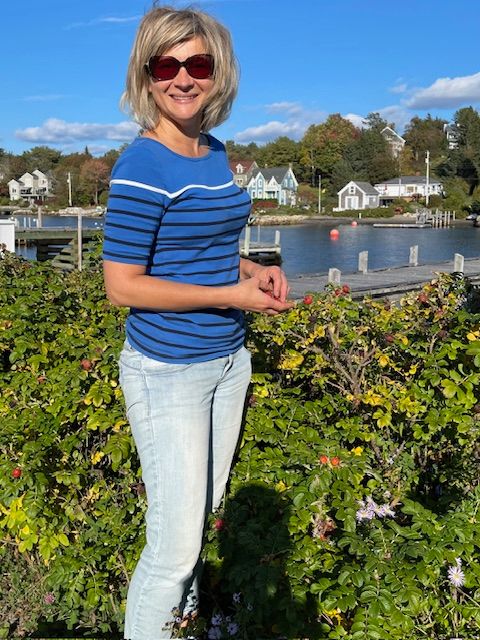
I tried to exercise some caution last year, returning from my expeditions with significantly less hair – most of which I had donated to the rose bushes, and hands that looked like I had spent the afternoon arm-wrestling a barbed wire fence. One year, I was even held hostage by the bush, as I wore a woolly sweater. (Not recommended when foraging for rosehips).
Those bushes are fiercely territorial, dense, needle-like thorns that serve as a jagged warning: approach with caution and treat the plant with the solemn respect it demands.
They mirror the idea of a woman who is captivating and nurturing but has the sharp wit and boundaries necessary to protect herself.
In Nova Scotia, rose bushes thrive in harsh salt spray and rocky soil, much like the legendary resilience of maritime women. The bush does not just survive the Atlantic gale; it grows stronger because of it, blooming even when the environment is unforgiving.
Last year, I set my sights on Cleveland Beach, where a stunning display of Rosa Rugosa cascaded toward the shoreline. My Havanese Terrier, William, always goes with me happily on all my expeditions.
As we approached the vibrant, colourful display of rosehips in their peak autumn glory, the serenity was suddenly shattered. Within minutes, William began to cry, and when I scooped him up, I was horrified to find him covered in tiny red ants.
As I scrambled to calm him, I felt the sharp, searing stings as they began crawling and biting me as well. We had unwittingly stumbled into a colony of fire ants, an experience as painful as it was unexpected. We were both yelling and crying as we ran to the car with only a handful of rosehips in my bag.
Later on that day, I was facilitating a workshop where the grand finale was supposed to be the creation of my signature Rosehip Syrup. Unfortunately, instead of a culinary masterpiece, my audience was treated to a tale about my ant-infested expedition. I stood there demonstrating with the grand total of ten lonely rosehips I had managed to salvage that day — hardly enough for a spoonful of syrup, but more than enough to illustrate that 'nature’s bounty' demands respect."
Terroir & Wild Ecotours specializes in immersive, eco-conscious experiences, taking visitors off the beaten path to explore Nova Scotia's diverse landscapes, wild ingredients, and sustainable food practices.
Berries on the Trail
By Travis Grant
Director of IM and IT, Trans Canada Trail
"My family’s land is near the Peace River Trail, part of the Trans Canada Trail, in northern Alberta. Wilderness surrounds us. Spring starts with ruffed grouse on logs, beating their wings, drumming for mates. You feel it more than you hear it, and it signals winter’s end. Millions of songbirds return to the forest in early June, when long days end in honey light and pale blue twilight.
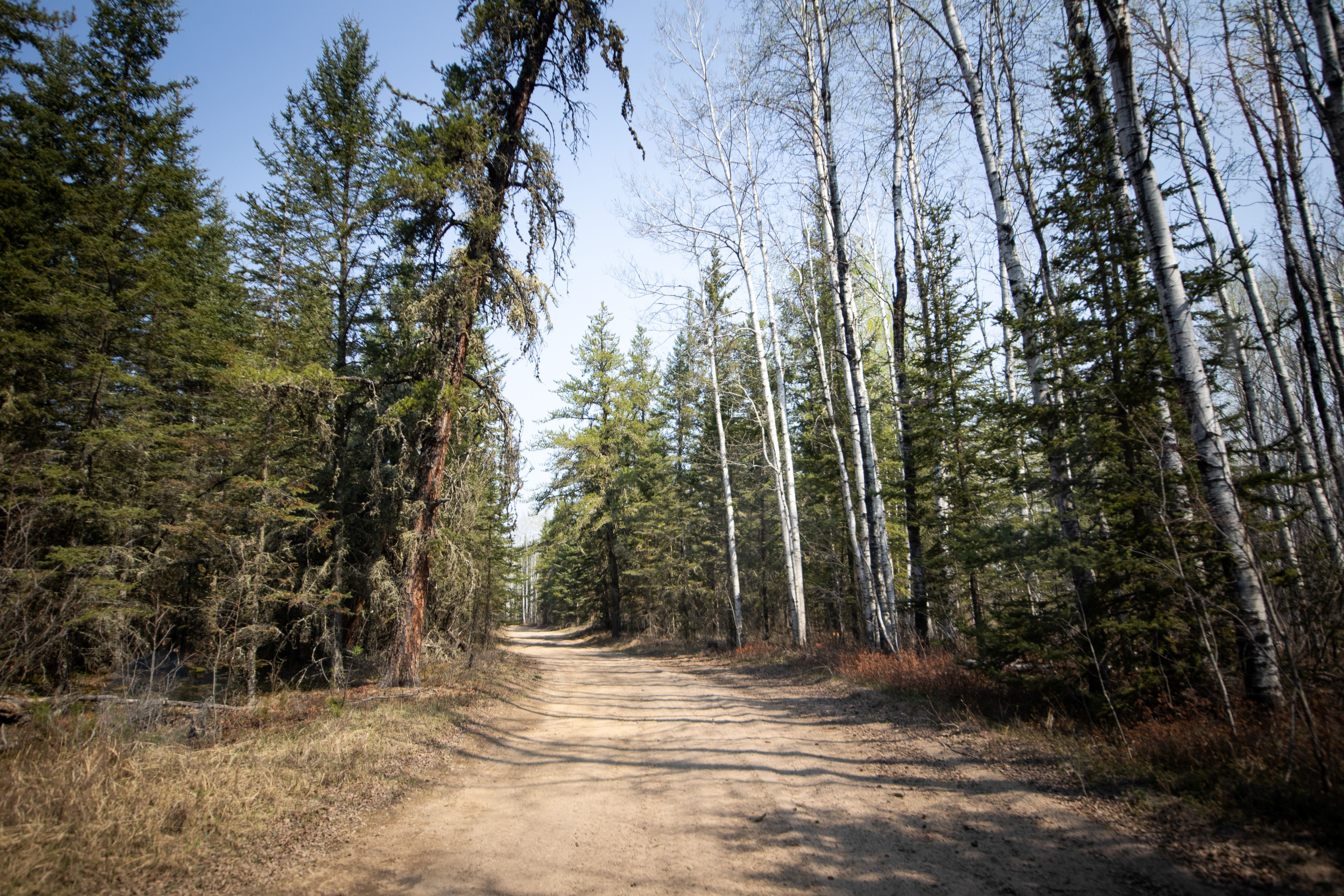
Peace River Trail. Photo: Trans Canada Trail
Peace River Trail. Photo: Trans Canada Trail
Wild strawberries come in early July. We find them in open fields. They’re small and not obvious, until you see one, then another and then a whole patch. The Saskatoons come in late July and early August. The best patches are always along the river. Wild blueberries are ready at the beginning of August, and we find them in sandy, sunny spots. My best spot is deep in the woods, near a creek with a magnificent beaver dam.
Wild raspberries are best in late summer and early fall. The patches are right along the Trail, in open woods with plenty of sunlight. The evenings get colder as fall sets in. Birds head south like they always do. One evening, when I was all alone in front of my cabin, hundreds of sandhill cranes appeared suddenly without a sound, just above the treetops, wave after silent wave.
By October, rose hips are brilliant against gold leaves and yellow underbrush, and they're easy picking. The snow usually comes by November. Winters are long and cold, and the days are short. At night, we keep warm beside the wood stove, the northern lights waving silently over our cabin, and we look forward to spring."
The Trans Canada Trail is the longest multi-use trail system in the world, and it is always growing. It reaches every province and territory, and connects all three of Canada’s coastlines. Each section of the Trans Canada Trail is managed locally and supports different activities and community needs.
Coming Up Empty
By Ben Patarin, Forest for Dinner
Vancouver Island, British Columbia

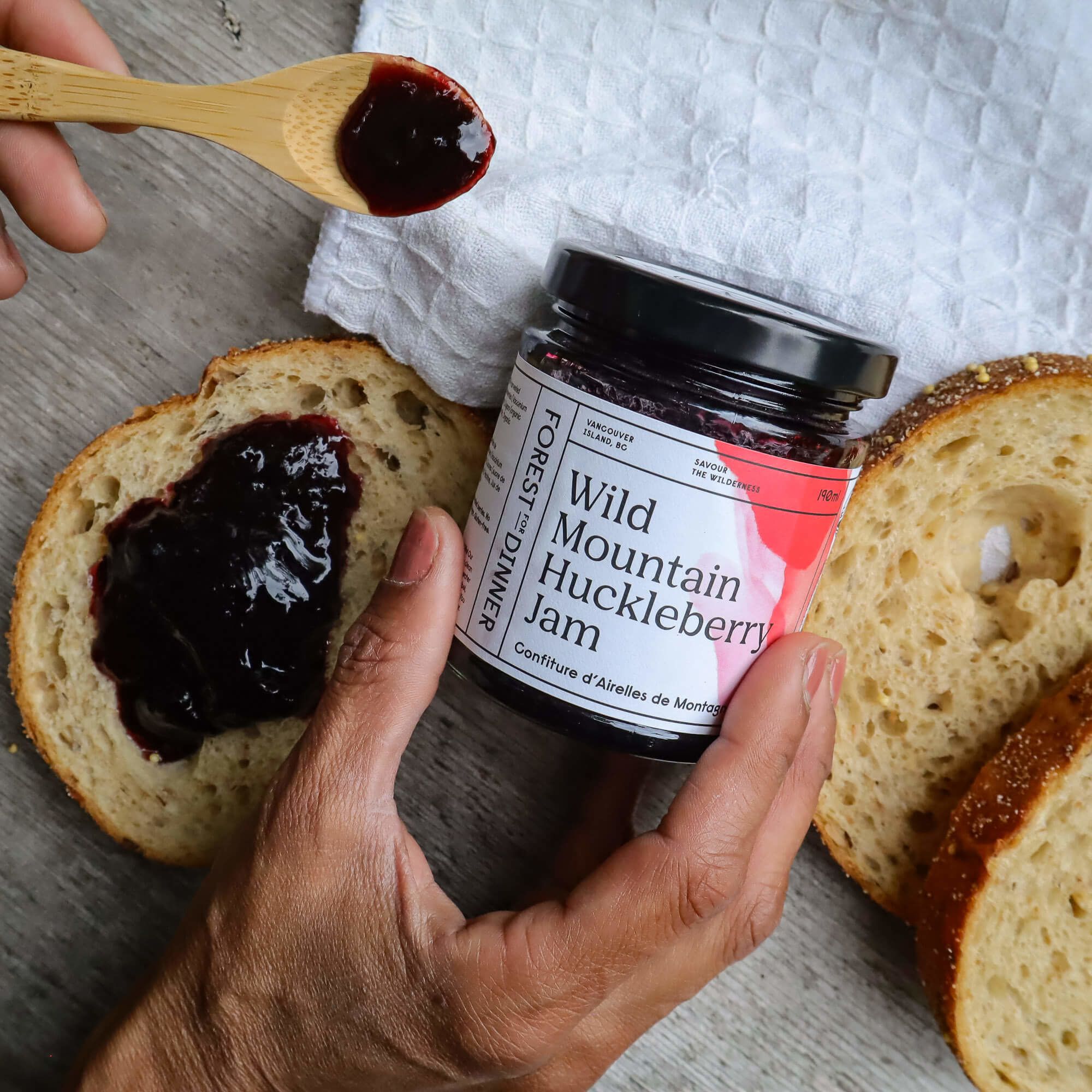
"We are really lucky on Vancouver Island. We have a lot of native berries, I think about 14 or 15 different berries. We have berries starting in June and going into late September or even October, some of them.
A few years ago, I went mountain huckleberry picking, Vaccinium membranaceum. They grow all across BC, but on Vancouver Island, you find them mostly at really high elevations.

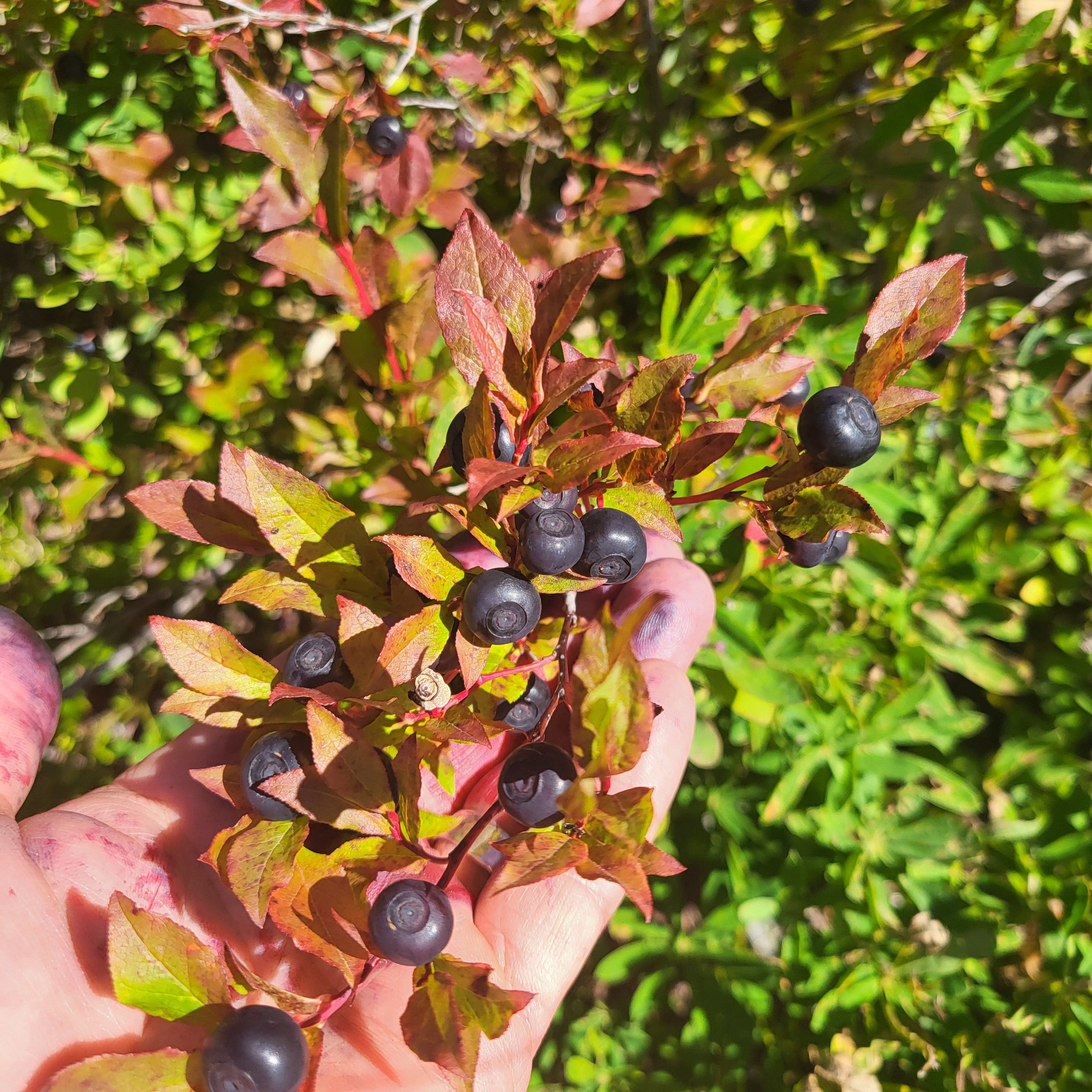
It took me about 4 or 5 hours to pick the first bucket. That's about 15 or 20 pounds of berries. It is very time-consuming, but I was super happy because there were no leaves, like perfect quality berries.
I went back to my bag for lunch, ate, left my berries and went out with a second bucket for another four or five hours of picking. As I come back to where I left my backpack and my first bucket, the first thing I notice is very fresh bear poop. With berries in it.
When I looked in my first bucket, it was completely empty, except for a small pinecone.
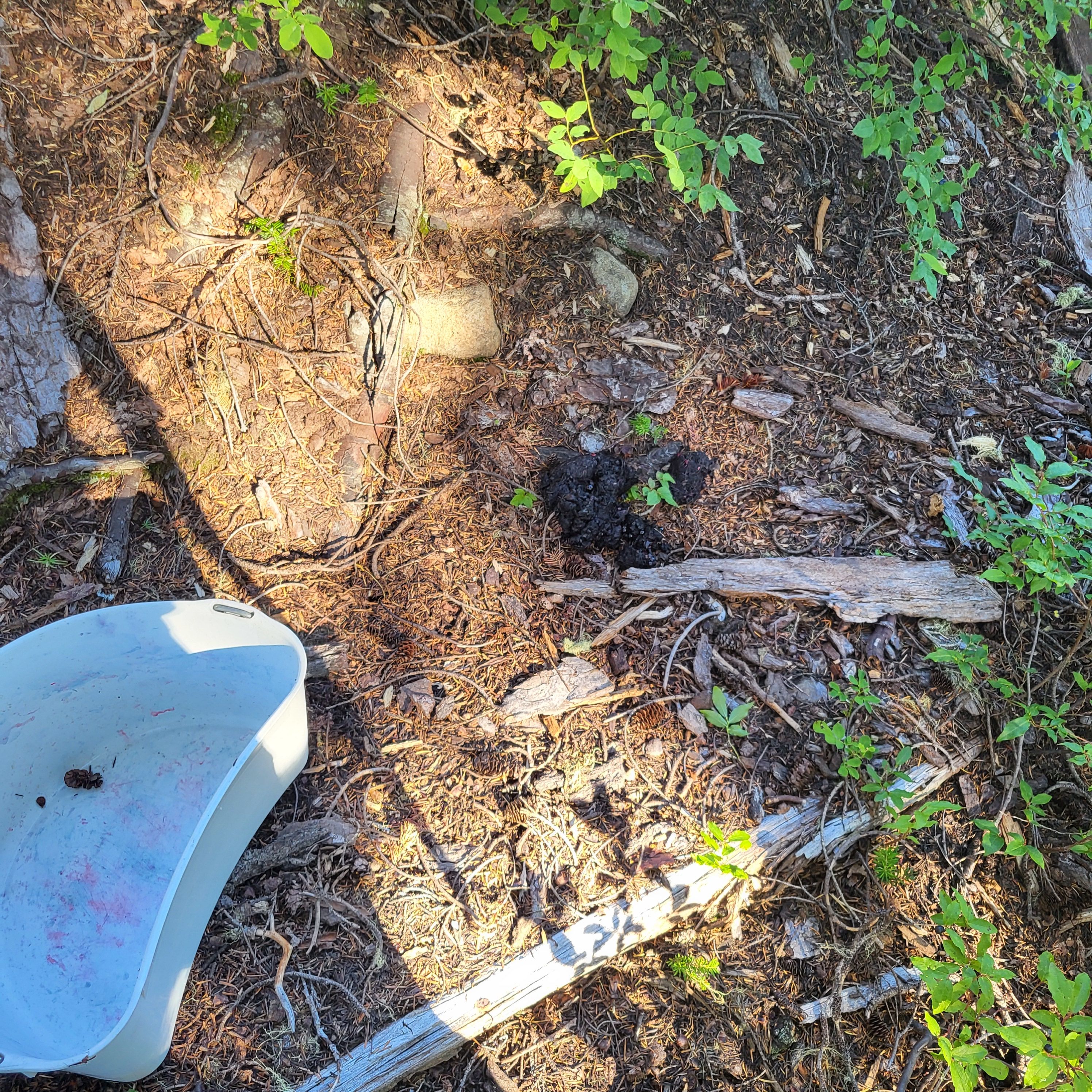
When I'm berry picking in the bush, I often wonder how such a big animal manages to collect all those tiny berries, because even for a human, it is not easy.
What happens really often is that they basically crash the whole bush and then try to eat them on the ground. I've seen them do that on several occasions. I thought, 'Man, I would love a video of that bear coming and finding a whole bucket of perfect berries, no leaves, no twigs, nothing.'
And as I'm thinking about that, all of a sudden I think — wait a minute, he might still be around. I just turned around, and the bear was looking at me like 2 metres behind me.
I quickly turned back and backed away like 15 metres, looking at the scene. I always carry bear spray, so I took it out. And I was like, 'ok I don't mind sharing, but you already got like 15 pounds!'
I spent 9 hours, and I'm not really ready to give him the second bucket. He starts to stand up and sniff around, he was basically sniffing at the new berries I just brought.
Bears on Vancouver Island are usually fine; they have plenty to eat, so I've never had a bad encounter. But this was getting serious. So I started to speak to the bear. "Hey, bear, you know I think I'm going to take those berries because it was a whole day of picking." And so I started to go back toward my bucket again and made noise with my bag, and he looked at me for a while, and then eventually just ran away."
Forest for Dinner is a wildcrafting company founded in 2015 by husband and wife Benjamin Patarin and Célia Auclair. They bring high-quality wild food products harvested from the wilderness of Vancouver Island into the retail space and the local food and beverage industry. Their company is built upon a shared love of nature, wild food, and decades of experience foraging all over the world.
Step into the story.