
12 History and Culture Trips Across Canada

Canada’s history is written into the places people still live, work, gather, and travel through today. You can see it in fishing villages on the Atlantic coast, former fur-trade routes through the Prairies, archaeological sites in the North, historic neighbourhoods in major cities, and cultural landscapes cared for by Indigenous communities for thousands of years.
For travellers interested in history and culture trips, Canada is particularly rewarding to explore. A single trip can connect stories separated by centuries, from ancient Indigenous gathering places to European settlement, immigration, industry, and the communities shaping Canada today.
Rather than choosing the “best” historic places in the country, we’ve put together history and culture itineraries that take you across Canada's provinces and into the North.
1. British Columbia
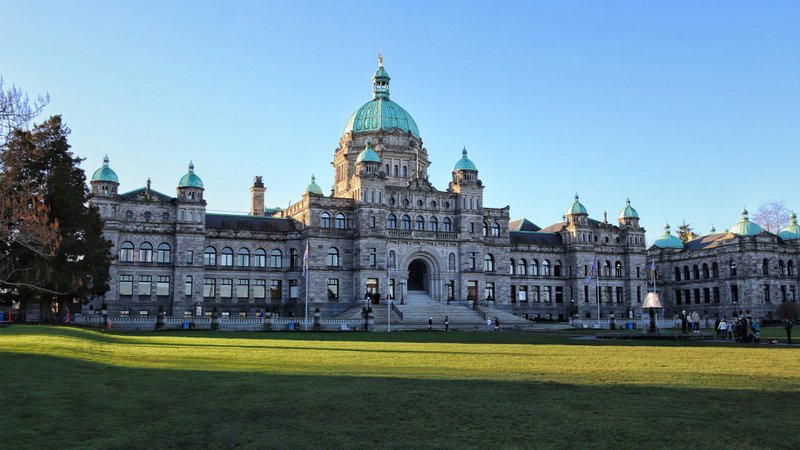
Vancouver → Northern Vancouver Island → Great Bear Rainforest → Chilcotin
Allow: about 2 weeks
British Columbia is too large to understand through its cities alone. A two-week journey from Vancouver and Victoria north along Vancouver Island and into the interior connects Indigenous culture, colonial history, coastal communities, the Great Bear Rainforest and the ranching history of the Chilcotin.
Begin in Vancouver before crossing to Victoria. The provincial capital sits on the traditional territory of the Lekwungen (lək̓ʷəŋən) peoples, represented today by the Songhees and Xwsepsum Nations. The Seven Signs of the lək̓ʷəŋən mark culturally significant places throughout the city, while the Royal BC Museum and BC Archives offer broader context for the province's human history. Victoria also provides a window into British Columbia's colonial history, from the establishment of Fort Victoria to the city's role as provincial capital.
From Victoria, travel north along Vancouver Island to Telegraph Cove. Continue to Alert Bay on Cormorant Island, home to the 'Namgis First Nation and the U'mista Cultural Centre. Its collections and exhibitions provide important context for Kwakwaka'wakw culture and the history of the potlatch before you continue farther north.
From Port Hardy, take the Inside Passage ferry to Bella Coola. The Bella Coola Valley lies within the traditional territory of the Nuxalk Nation and offers opportunities to learn about the region through Indigenous-led cultural experiences as well as its landscapes. The surrounding temperate rainforest, mountains and fjords form part of the Great Bear Rainforest region.
Then turn east along Highway 20 through the Chilcotin Plateau. The route passes through a dramatically different landscape of ranch country, grasslands, canyons and small communities before reaching the Williams Lake area. Allowing roughly two weeks makes the distances part of the trip rather than something to rush through, with time for cultural experiences, wildlife viewing and stops along the way.
2. Alberta
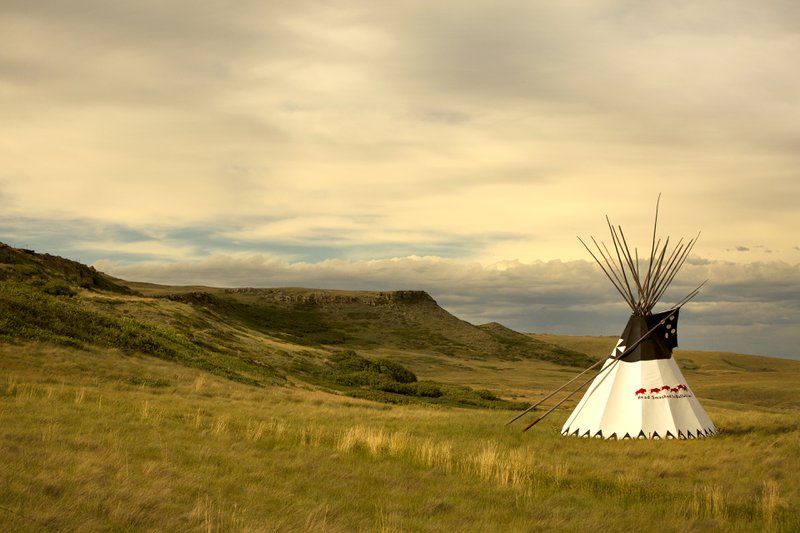
Calgary → Blackfoot Crossing → Head-Smashed-In Buffalo Jump
Allow: 4–6 days
A history-focused trip through southern Alberta offers a much longer perspective on the province than the familiar stories of ranching, railways, and westward expansion.
Start in Calgary before travelling east to Blackfoot Crossing Historical Park, located on the Siksika Nation. The cultural centre shares the history, language, culture, and traditions of the Siksika people and sits near the site where Treaty 7 was signed in 1877.
Then head south toward Head-Smashed-In Buffalo Jump.
Plains Indigenous peoples used this landscape for communal bison hunting for thousands of years. Hunters relied on detailed knowledge of bison behaviour and the surrounding landscape to drive herds toward the cliffs.
Today, the UNESCO World Heritage Site and its interpretive centre tell that story through archaeological evidence and Blackfoot perspectives.
For a 2-week itinerary, see our Alberta and the Canadian Rockies trip.
3. Saskatchewan
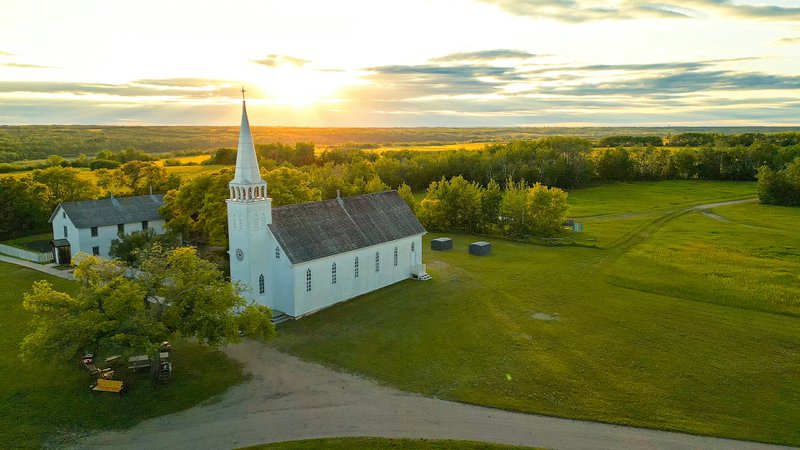
Saskatoon → Wanuskewin → Batoche
Allow: 3–5 days
Saskatchewan’s history extends far beyond the arrival of European settlers on the Prairies.
Just outside Saskatoon, Wanuskewin Heritage Park contains archaeological evidence of more than 6,000 years of Northern Plains Indigenous history. The landscape was used for hunting, gathering, ceremony, and trade by Indigenous peoples long before Saskatoon existed.
From there, travel north to Batoche.
Métis families established a community here along the South Saskatchewan River, creating long river lots, farms, homes, a church, and other community buildings.
Batoche later became the site of the final major battle of the North-West Resistance in 1885, when Métis and First Nations forces fought Canadian government troops.
The national historic site preserves both the battlefield and elements of the former community, making it possible to explore the political events of 1885 alongside the everyday Métis life that preceded them.
4. Manitoba
Winnipeg → The Forks → St. Boniface
Allow: 3–4 days
You don't have to travel far to uncover thousands of years of history in Manitoba.
Start at The Forks in Winnipeg, where the Red and Assiniboine rivers meet. Archaeological evidence shows people have gathered here for at least 6,000 years. The location later became important to the fur trade and the development of the Red River Métis community.
Cross the river into St. Boniface to explore Manitoba's Francophone and Métis heritage, including connections to Louis Riel and the Red River Settlement.
Back in central Winnipeg, the Manitoba Museum provides broader context for the province’s Indigenous, Métis, settler, and natural history.
Then spend some time in the Exchange District. Its warehouses, banks, and commercial buildings survive from the period when Winnipeg grew into one of western Canada's most important commercial centres following the arrival of the railway.
5. Ontario
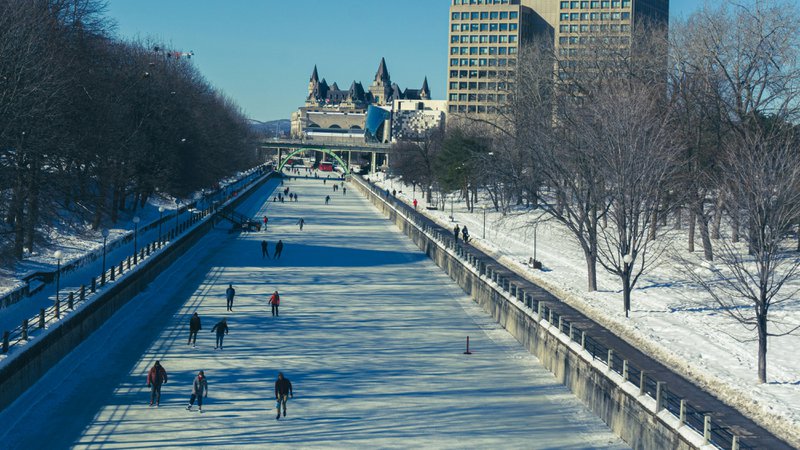
Ottawa → Kingston → Niagara-on-the-Lake
Allow: 6–8 days
For travellers interested in Canada's political and military history, eastern Ontario has an unusually high concentration of places to explore.
Begin in Ottawa, where Parliament Hill provides an obvious starting point, but leave plenty of time for the museums. The Canadian Museum of History sits just across the Ottawa River in Gatineau, while the Canadian War Museum explores conflicts involving Canada from early warfare through the present day.
Then follow the Rideau corridor toward Kingston.
Kingston's location at the meeting point of Lake Ontario, the St. Lawrence River, and the Cataraqui River made it strategically important long before Confederation. Fort Henry reflects the city's military significance during the 19th century, while Kingston also served briefly as the capital of the Province of Canada.
Continue around Lake Ontario to Niagara-on-the-Lake, where the War of 1812 becomes much more tangible. Historic buildings and nearby battlefields help explain why the Niagara region became one of the major theatres of the conflict.
Discover more of Ontario’s urban centres and nature escapes.
6. Quebec
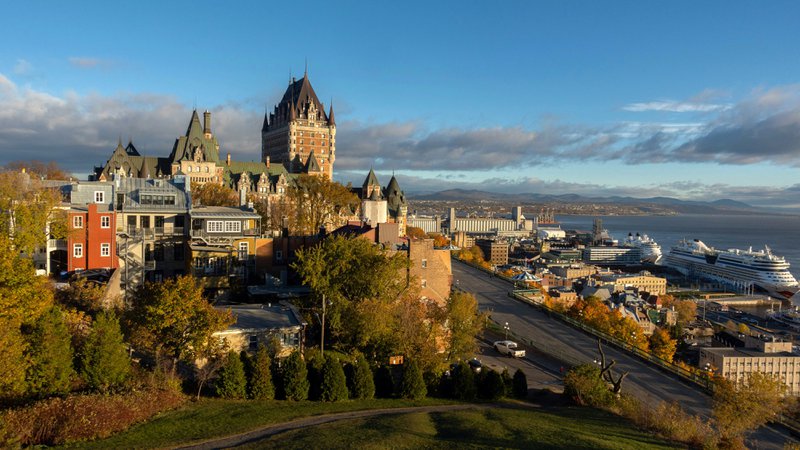
Montréal → Trois-Rivières → Québec City
Allow: 6–8 days
Few Canadian road trips offer as much history in such a relatively short distance as the route between Montréal and Québec City.
Begin in Montréal.
French settlers founded Ville-Marie in 1642, and archaeological remains of the early settlement can be explored at Pointe-à-Callière. Old Montréal provides the colonial starting point, but don't stop there. The city's history is also the story of industrialization and generations of immigration that shaped neighbourhoods across Montréal.
Continue along the St. Lawrence River to Trois-Rivières, founded in 1634 and one of the oldest European settlements in Canada.
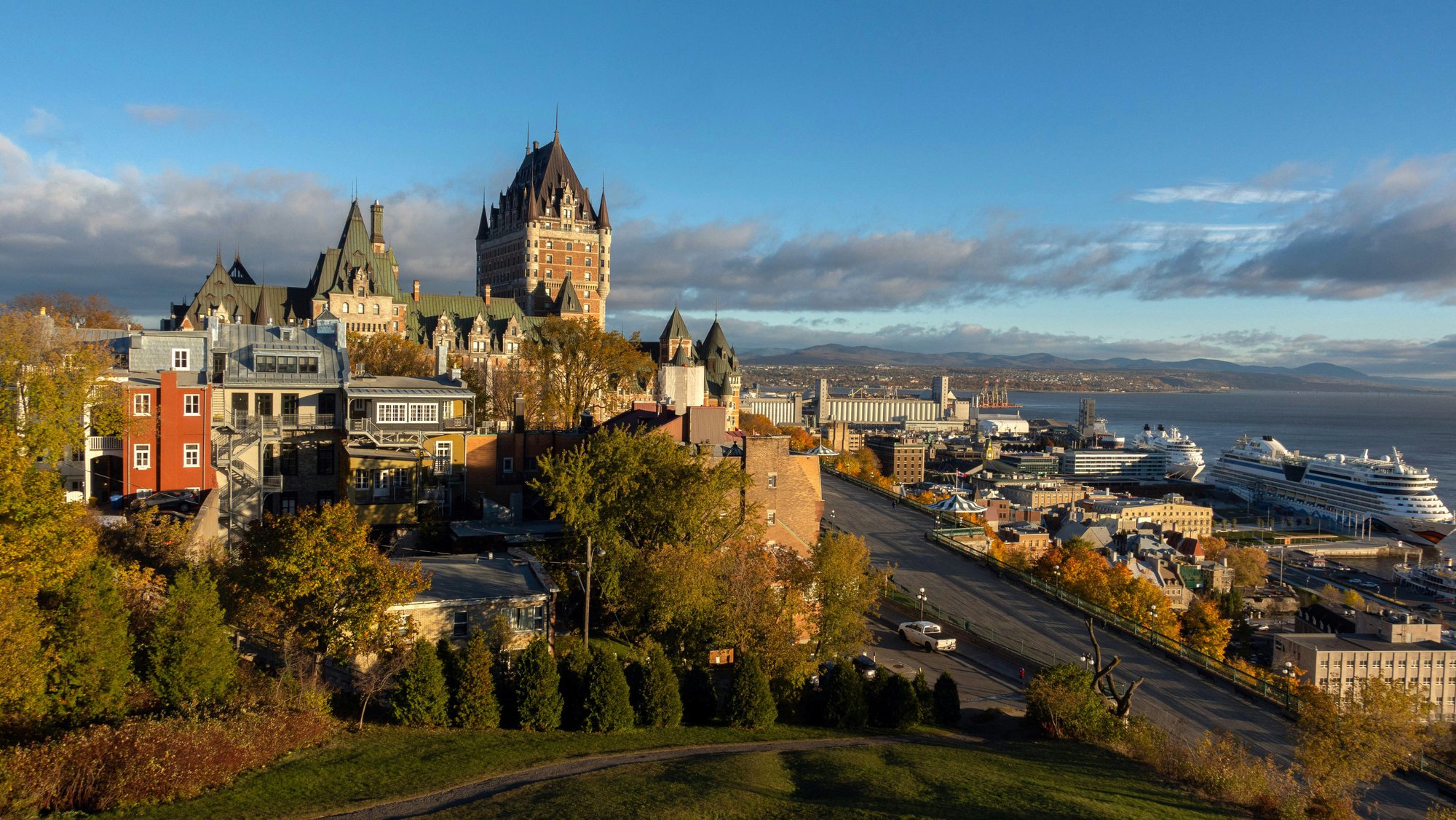
Finish in Québec City, where the historic district of Old Québec is a UNESCO World Heritage Site. Walk the fortifications, explore the streets of the Lower Town, and visit the Plains of Abraham and the Citadelle.
Together, the three cities provide a fascinating route through the history of New France, British rule, trade, religion, immigration, and the development of modern Quebec.
Looking for a longer Quebec road trip? Discover our Wilderness & Whales itinerary.
7. New Brunswick
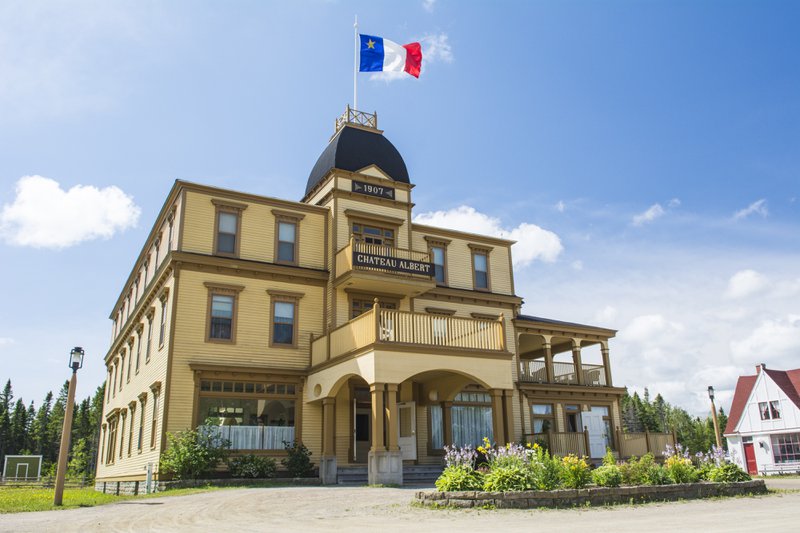
Fredericton → Saint John → Acadian Peninsula
Allow: 6–8 days
New Brunswick rewards travellers willing to look beyond a single historic period.
Start in Fredericton, where the Wolastoq — the Saint John River — has been central to life and travel for thousands of years. The city later became an important British colonial and military centre.
Continue south to Saint John. Loyalists arriving after the American Revolution played a major role in the city's development, while its port later became an important entry point for immigrants arriving in Canada.
Then head north.
New Brunswick is Canada's only officially bilingual province, and the Acadian Peninsula offers an opportunity to experience Acadian culture in communities where French remains part of everyday life.
The Village Historique Acadien near Caraquet brings together historic buildings from different periods to explore Acadian life over several centuries.
It's a route that reveals how Indigenous, Acadian, Loyalist, and immigrant histories overlap across the province rather than existing as separate chapters.
8. Nova Scotia
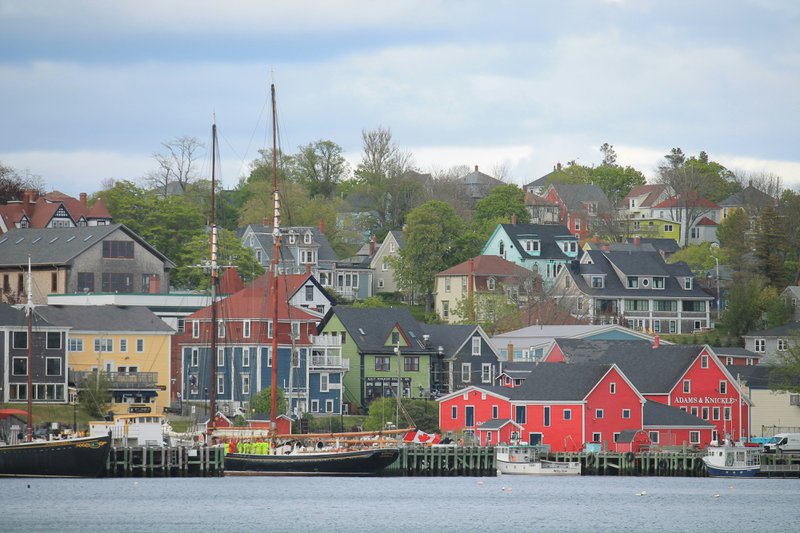
Halifax → Grand-Pré → Lunenburg
Allow: 7-10 days
Nova Scotia could easily fill an entire history-focused trip, but this route connects three particularly different stories.
Begin in Halifax. The city was founded by the British in 1749, and its enormous natural harbour shaped much of what followed. At the Halifax Citadel, you can explore the city's military history, while the Canadian Museum of Immigration at Pier 21 tells the stories of immigrants who arrived through the port during the 20th century.
From Halifax, travel into the Annapolis Valley to Grand-Pré.
Acadian farmers settled here during the 17th century and created dykes to reclaim fertile land from the salt marshes. In 1755, the British began deporting Acadians from Nova Scotia, separating families and communities and dispersing people across North America and beyond.
Grand-Pré National Historic Site commemorates that history, while the surrounding landscape preserves evidence of the Acadian dykeland system.
Finish on the South Shore in Lunenburg. Founded by the British in 1753, the town developed around fishing and shipbuilding. Its historic grid and colourful wooden buildings helped earn Old Town Lunenburg UNESCO World Heritage status.
9. Prince Edward Island
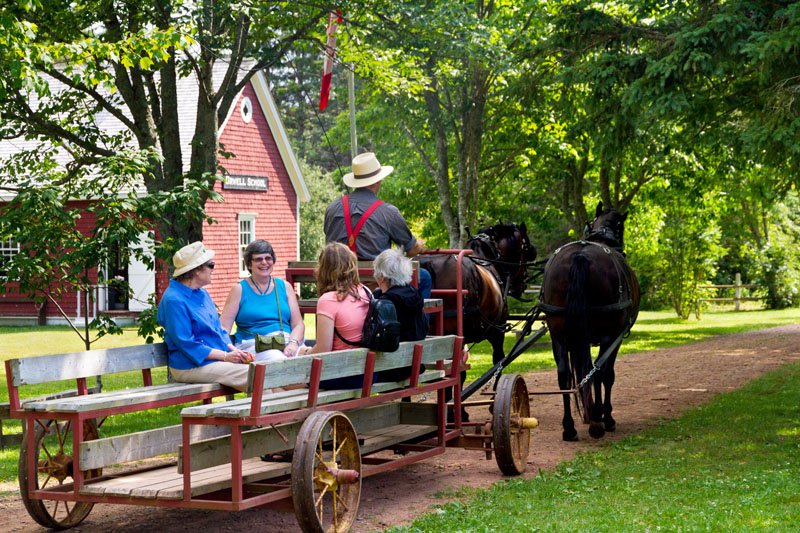
Charlottetown → Lennox Island → Orwell Corner
Allow: 3–5 days
Charlottetown's association with Canadian Confederation tends to dominate PEI's historical story, but it's only one piece of it.
The Mi'kmaq have lived on Epekwitk — Prince Edward Island — for thousands of years. A visit to Lennox Island provides an opportunity to learn about Mi'kmaq culture and history from the community itself.
In Charlottetown, Province House is closely associated with the 1864 Charlottetown Conference, when delegates from the Maritime colonies and the Province of Canada met to discuss a political union.
From the capital, head into the countryside.
At Orwell Corner Historic Village, historic buildings and demonstrations recreate aspects of rural island life in the late 19th century. Together, these stops reveal a PEI history that encompasses Indigenous culture, colonial settlement, Confederation, agriculture, and island communities.
This itinerary is best suited to the warmer months. Orwell Corner operates seasonally, with its fullest daily programming typically offered during July and August, so check opening dates when planning your trip.
10. Newfoundland and Labrador
Gros Morne → L'Anse aux Meadows → Red Bay
Allow: at least 7 days
Western Newfoundland and southern Labrador make a much more natural route for a history-focused journey through the province, connecting Indigenous history, Norse exploration and the Basque whaling industry along one remarkable stretch of coastline.
Begin around Gros Morne on Newfoundland's west coast before travelling north along the Great Northern Peninsula. Port au Choix National Historic Site can be added along the way for a much longer view of human history in the region, with archaeological evidence connected to Indigenous peoples who lived here over thousands of years.
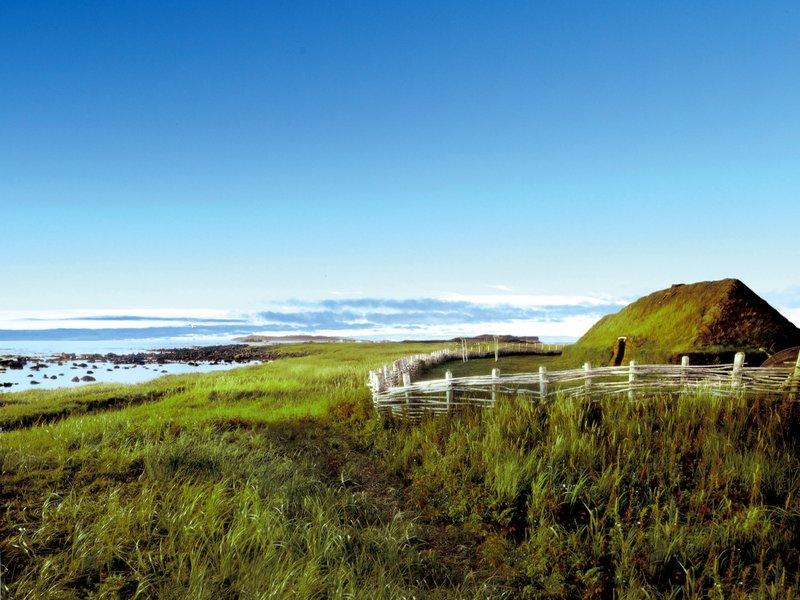
Continue to L'Anse aux Meadows at the northern tip of the peninsula. The site contains the remains of the only authenticated Norse site in North America, dating to roughly 1,000 years ago. Reconstructed sod buildings and archaeological finds help explain what happened during this brief Norse presence on the continent.
From the Great Northern Peninsula, cross the Strait of Belle Isle by ferry into Labrador and continue to Red Bay. Basque whalers established a major whaling station here during the 16th century, leaving behind archaeological remains, shipwrecks and evidence of an industry that connected this remote coast with Europe.
Parks Canada recommends a seven-day route connecting Gros Morne, L'Anse aux Meadows, Red Bay and Port au Choix, although adding extra time will make the substantial driving distances much more comfortable.
11. Yukon
Whitehorse → Dawson City
Allow: 5–7 days
The Klondike Gold Rush transformed the Yukon, but a history trip here shouldn't begin with gold.
Yukon First Nations have lived across the territory for thousands of years, with extensive trade networks, languages, cultural traditions, and relationships with the land established long before outsiders arrived.
Begin in Whitehorse, where the MacBride Museum and Kwanlin Dün Cultural Centre provide useful introductions to different aspects of Yukon history and culture.
Then travel north to Dawson City.
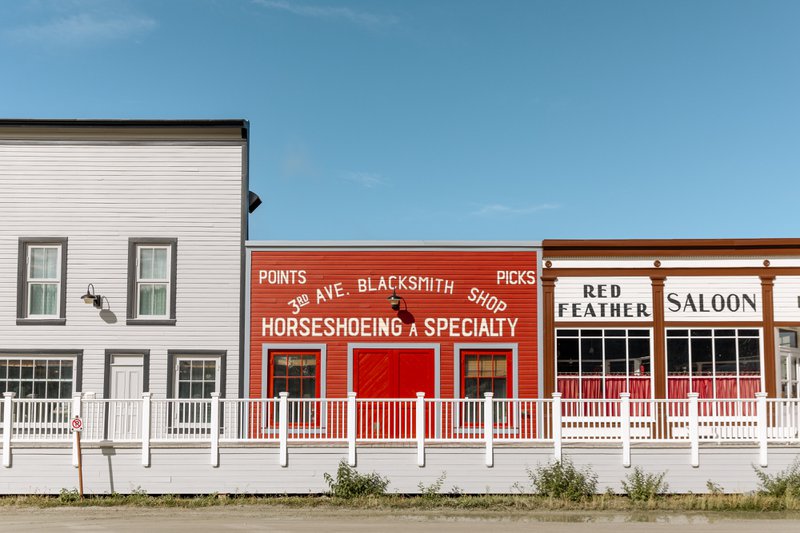
Gold was discovered in the Klondike region in 1896, triggering a rush that brought tens of thousands of newcomers north. Dawson grew rapidly, and many buildings from the period survive within the Dawson Historical Complex.
But Dawson also sits within the Traditional Territory of the Tr'ondëk Hwëch'in. At the Dänojà Zho Cultural Centre, visitors can learn about Tr'ondëk Hwëch'in culture and history and the profound changes brought by the gold rush.
12. Northwest Territories
Yellowknife → Dettah → Fort Smith
Allow: 5–7 days
The history of the Northwest Territories is inseparable from its Indigenous peoples, waterways, fur trade, resource industries, and immense geography.
Begin in Yellowknife, on the traditional territory of the Yellowknives Dene First Nation.
The Prince of Wales Northern Heritage Centre provides an introduction to the cultures, archaeology, communities, and history of the territory. Yellowknife itself also carries the legacy of the mining booms that transformed it into a modern northern city.
Nearby Dettah is a Yellowknives Dene community on the north shore of Great Slave Lake and offers another perspective on the region and its much longer Indigenous history.
With more time, continue south toward Fort Smith and the Wood Buffalo region. The area provides a very different view of the territory, with connections to Indigenous history, the fur trade, river transportation, and the development of northern Canada.
Distances are considerable here, so this is one itinerary where planning transportation carefully matters as much as choosing what to see.
Planning History and Culture Trips in Canada
Choose the places and stories that genuinely interest you, then give yourself enough time to explore them properly. A historic neighbourhood makes more sense after you've visited the museum that explains how it developed. An archaeological site becomes more meaningful when you've learned about the people connected to it. And many Indigenous cultural sites are best understood through the voices of the communities themselves.
Canada doesn't have one neat national story. Its history reaches back thousands of years and includes Indigenous nations and cultures, French and British colonization, the fur trade, displacement, immigration, war, industry, resistance, Confederation, and the growth of communities from coast to coast to coast.
Travelling through these places puts those histories back into their landscapes, which is often the best way to begin understanding them.