
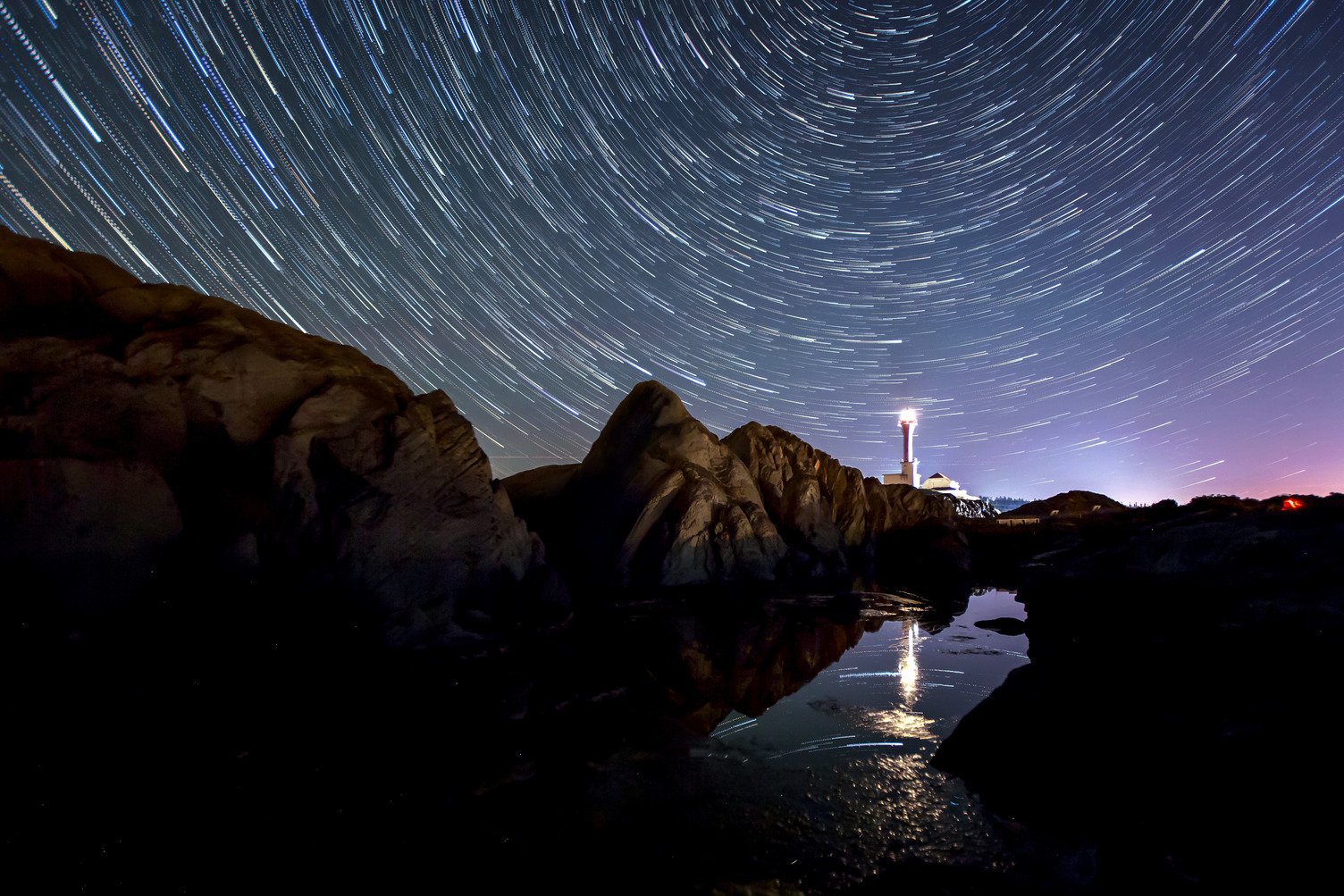

After Dark in Atlantic Canada: Where to Stargaze in Each Province

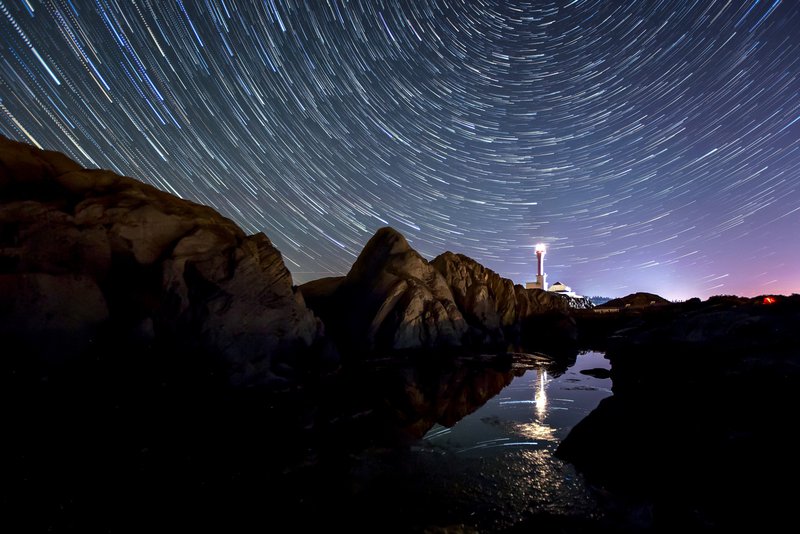
The human eye takes 20 to 30 minutes to adjust to the dark, and a single bright light starts the clock again. That is the first thing to know about stargazing. It also explains where to stargaze, because the best spots are the ones far away from light pollution. In Atlantic Canada, there are some standout spots from which to view the night sky free from most light sources.
Parks Canada protects 13 Dark-Sky Preserves throughout the country, and five of them are here: Fundy, Kouchibouguac, and Mount Carleton in New Brunswick, Kejimkujik in Nova Scotia, and Terra Nova in Newfoundland and Labrador. Prince Edward Island has no designated preserve, but there are many places with open views of the sky. Nights are longest from late fall through early spring, when the region also has fewer crowds. Here is where to go in each province.
Where to Stargaze in New Brunswick: Fundy, Kouchibouguac and Mount Carleton
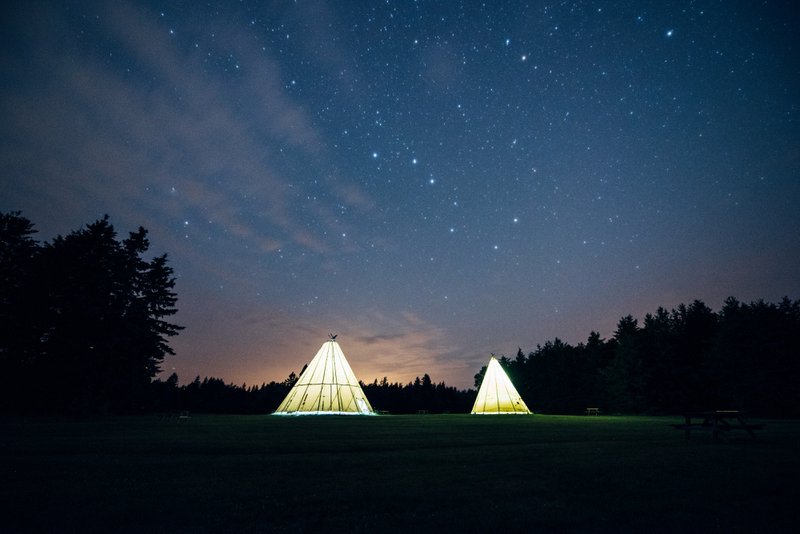
New Brunswick has three of the region's five preserves, on opposite coasts. Fundy National Park sits on the Bay of Fundy, where water levels rise and fall by as much as 16 metres a day. By day, you can hike Acadian forest in the morning and walk the ocean floor in the afternoon. At night, Parks Canada describes the sky there as a trail of its own for overnight visitors. Kouchibouguac National Park, on the province's eastern shore, was also designated by the Royal Astronomical Society of Canada (RASC), and Parks Canada runs programs there on astronomy and dark-sky themes.
RASC has also designated Mount Carleton Provincial Park as a Dark Sky Preserve, recognizing that it has some of the darkest skies in the country. The park is also home to the highest peak in the Maritimes, and runs astronomy programs throughout the year.
Stéphane Picard grew up in rural New Brunswick with a dark sky outside his front door. He now provides stargazing events and private star parties through Cliff Valley Astronomy. "We've lost our intimacy with the night sky and I'm trying to bring it back," he said in Northern Soul's Tales From The Dark.
Plan it: Landsby's Wonders of the Bay of Fundy is a seven-day self-drive that travels through Fundy National Park, with nights in Moncton, Saint John, Digby and Halifax. To spend a night near the park's dark sky, ask a travel specialist to add one.
Where to Stargaze in Nova Scotia: Kejimkujik
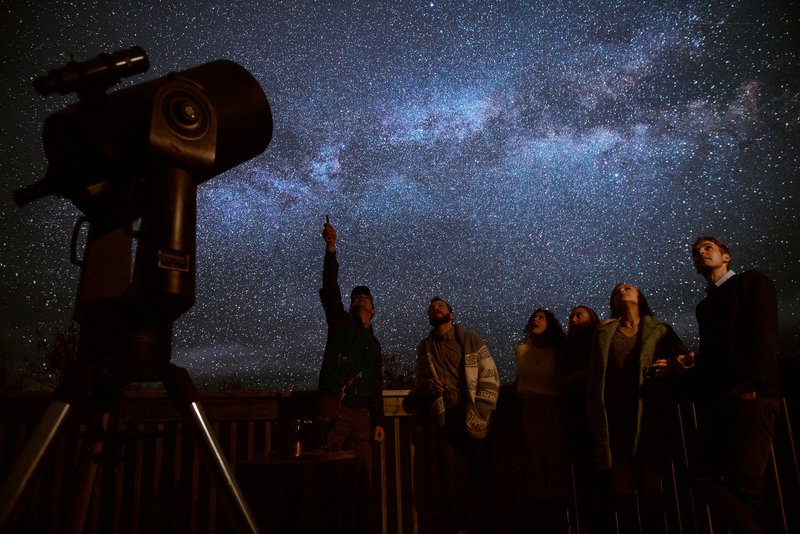
Kejimkujik National Park and National Historic Site was designated a Dark-Sky Preserve by the RASC in 2010. Parks Canada calls it Nova Scotia's darkest sky. The park hosts an annual Dark Sky Weekend with the society, and from June to October you can rent a dark-sky kit at the Visitor Centre with binoculars, a star finder and a red light. Night hikes, campfire programs and occasional night canoe trips round out the offer. Check with the park for programs outside those months.
Plan it: Nova Scotia: Coastlines, Forests & Tides is a nine-day trip that includes Trout Point Lodge, set in the Acadian forest, where clear night skies are part of the stay. Sea to Stars: Nova Scotia in Depth is a 14-day trip, with two nights at the lodge and stargazing among the guided activities.
Where to Stargaze in Newfoundland and Labrador: Terra Nova
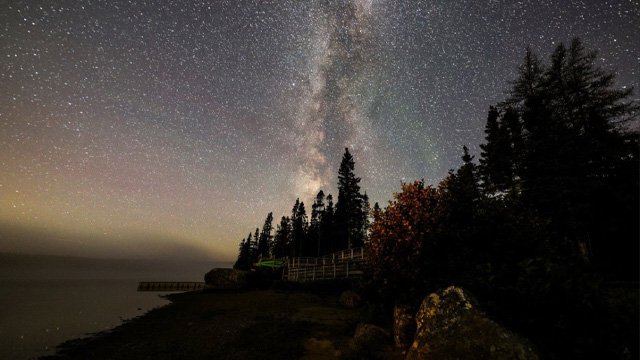
Terra Nova National Park became a Dark Sky Preserve in February 2018. It was the first in Newfoundland and Labrador and the twentieth in Canada. Parks Canada rates Sandy Pond as the darkest spot in the park. Ochre Hill, a former fire-watch station, gives a panoramic view; Blue Hill is the park's highest point, and the Visitor Centre looks across Newman Sound. Night Sky Kits are available at the Visitor Centre with ID, and in summer the park runs programs with the St. John's Centre of the Royal Astronomical Society of Canada.
Plan it: Atlantic Treasures: Newfoundland & Labrador by Car is a 13-day drive that continues south through Terra Nova before an overnight in Clarenville. For a night under the park's sky, ask us to add one closer.
Where to See Stars in Prince Edward Island: No Preserve, Wide Open Sky
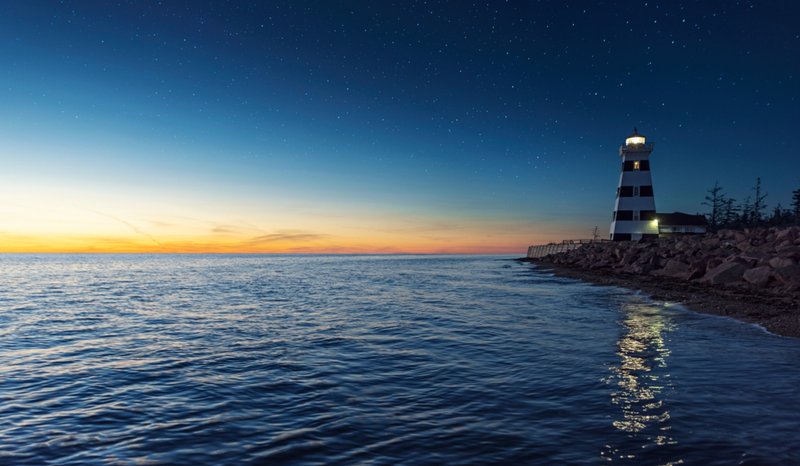
While PEI has no designated Dark-Sky Preserve, there are no shortage of places to enjoy the night sky. Tourism PEI points to open shorelines: PEI National Park at Cavendish and Greenwich, which it calls a prime location especially in winter, plus Panmure Island, the coast from Skinners Pond to North Cape, and West Point. For a guide, Look Up Way Up Observatory pairs visitors with a local amateur astronomer and Royal Astronomical Society member who has watched the sky for 35 years. Some winter beach access is closed, and roads can be poor, so check conditions first.
Plan it: Landsby's Highlands & Islands spends eight days across PEI and Nova Scotia. Talk to a travel specialist to build in an evening at the beach or a session with a local astronomer.
Planning a night under the sky
- Choose the dark of the moon. Beyond where to stargaze, when you go is equally important. Stargazing is best around the new moon. Landsby's guide to Dark Sky Preserves explains what the designation means.
- Expect cloud and fog. Fog is most common along the coast in cooler months, so build in a second night rather than relying on one.
- Expect a chance, not a promise. Late fall and winter are good for a chance to see the stars or the Milky Way, weather permitting. Clear nights usually follow a passing front, so plan for flexibility.
- Bring a red light. It protects your night vision more than white light, which can reset your night vision and require you to adjust for 20 to 30 minutes. Use the red light sparingly for when you need to see your surroundings.
- Drive carefully. Roads can be narrow and winding, and moose and deer are most active at dawn and dusk.
- Check which programs run. Kit rentals and guided programs are seasonal, so winter and spring visits are often self-guided.
Ready to build a trip around the night sky? Talk to a Landsby travel specialist about adding a dark-sky night to any Atlantic Canada itinerary, or start with our Atlantic Canada hub.