
What Makes Quebec Unlike Anywhere Else in Canada?

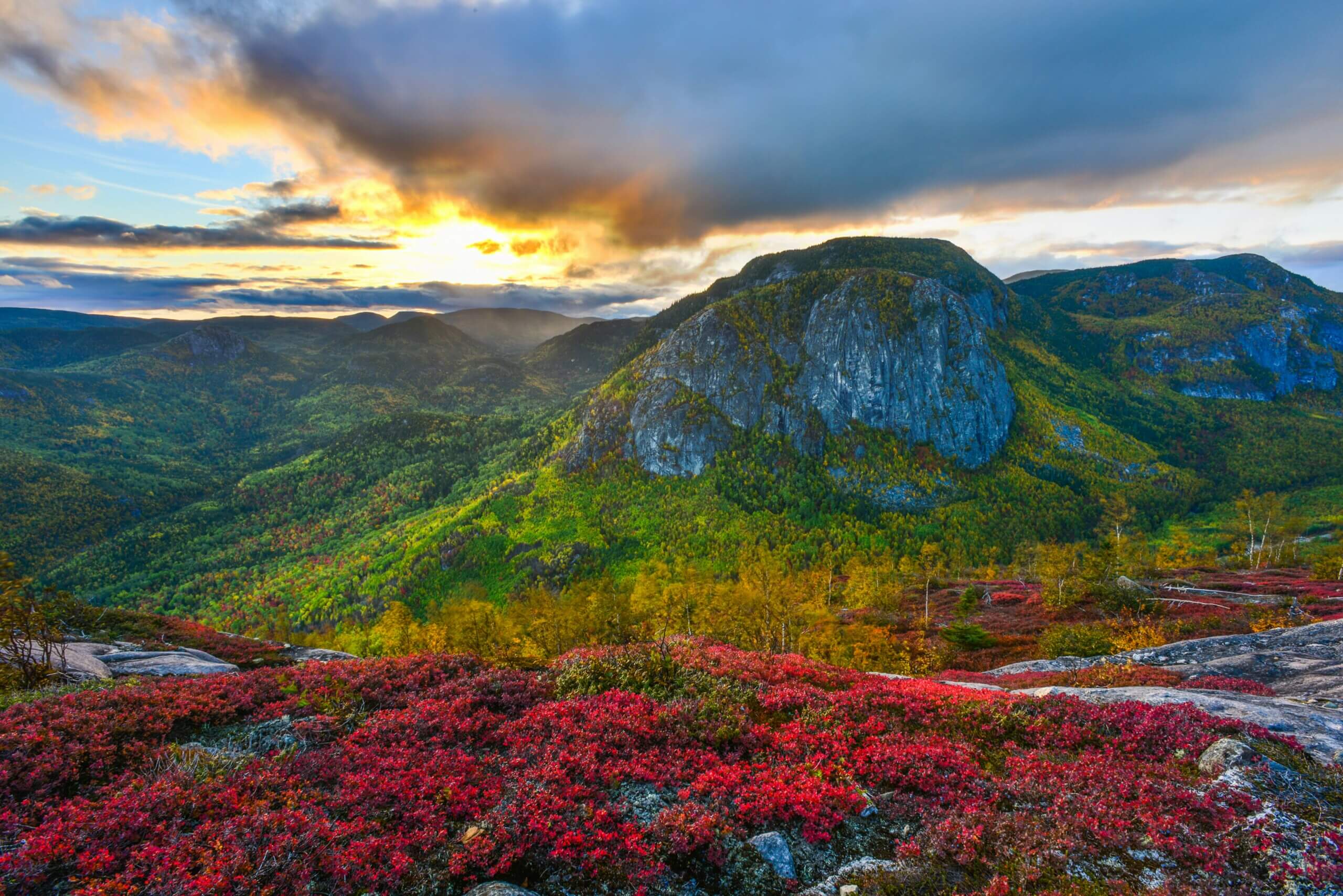
Québec is a province of big contrasts. Historic cities give way to small towns, forests, mountains, and the shores of the St. Lawrence. French language and culture shape everyday life, food traditions vary from region to region, and the experience changes dramatically with the seasons.
There’s far too much here to capture in a single list, but these are a few of the things we love about Québec — and a good place to start if you’re thinking about your own trip. Explore our Québec experiences for even more inspiration.
The Grand Scale of Québec
Québec is Canada’s largest province by area, stretching from the United States border to the Arctic. At more than 1.5 million square kilometres, it is larger than countries such as France, Germany, and Spain combined.
But the numbers only tell part of the story. Travel across Québec and the landscapes — and the experience of being there — can change dramatically.

You can spend a morning walking the streets of Montréal, travel through the farmland and villages of the Eastern Townships, follow the St. Lawrence into Charlevoix, continue east toward the mountains and coastline of the Gaspé Peninsula, or head north into vast stretches of boreal forest and tundra.
That scale is part of what makes Québec so interesting to explore. There isn’t one landscape, one type of community, or one version of a Québec journey. Our Ultimate Québec Driving Tour takes you from Montréal toward the Gaspé Peninsula, with the landscapes and communities changing considerably along the way.
Québec Is Home to 11 Distinct Indigenous Nations
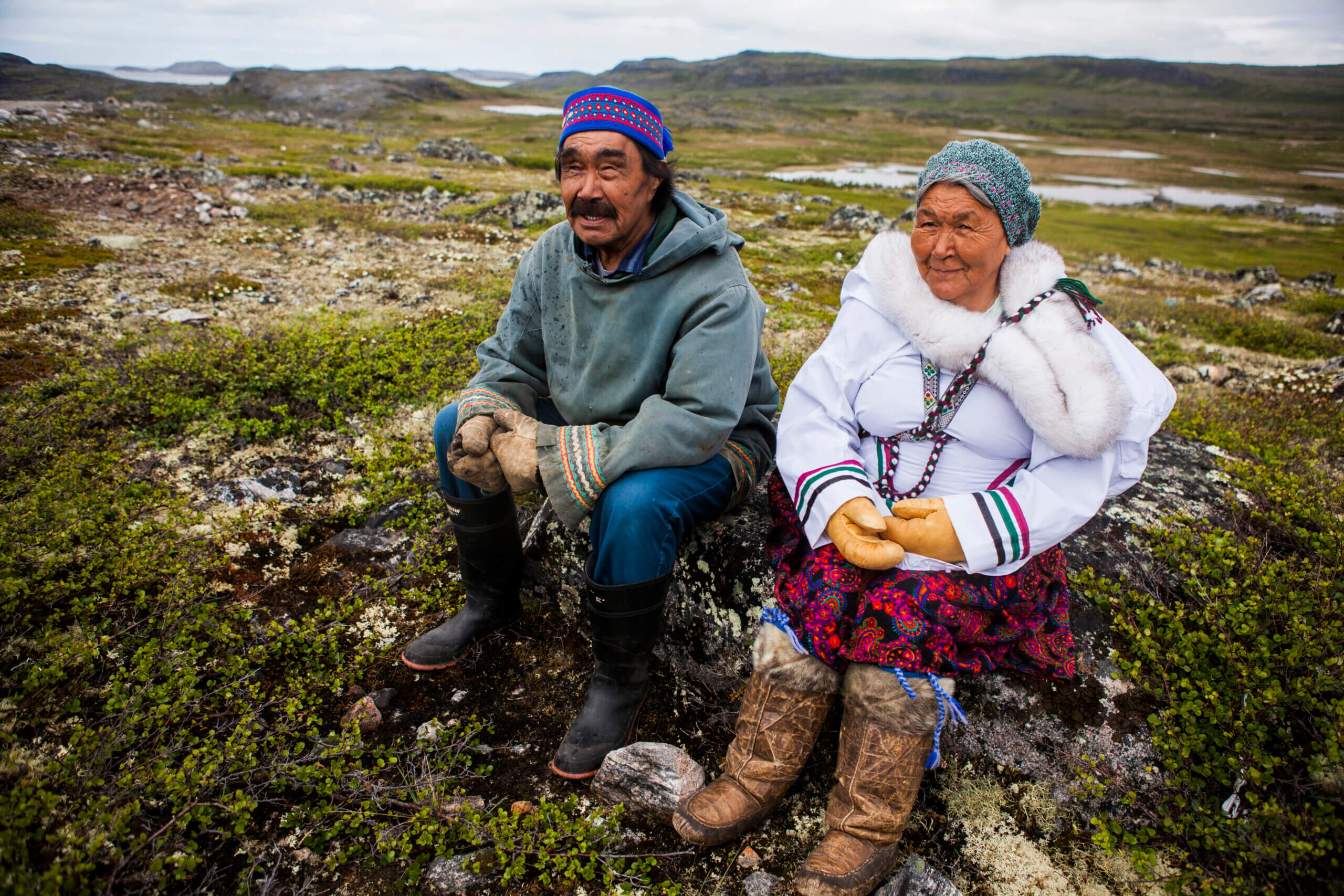
Credit: Nunavik GouvQc
Long before Québec had its present-day borders, Indigenous peoples had been living across these lands for thousands of years. Today, Québec is home to 11 distinct Indigenous nations: 10 First Nations and the Inuit Nation, each with its own history, languages, cultures, and connections to the land.
They include the Abenaki, Anishinaabeg (Algonquin), Atikamekw, Cree, Huron-Wendat, Innu, Inuit, Wolastoqiyik (Maliseet), Mi’gmaq, Kanien’kehá (Mohawk), and Naskapi. Their communities extend across the province, from Wendake near Québec City and Mi’gmaq communities on the Gaspé Peninsula to Cree communities around James Bay and Inuit communities across Nunavik in the Far North.
For travellers, learning about these nations adds an important dimension to understanding Québec. Indigenous cultures are not simply part of the province’s past. They are living cultures that continue to shape communities, languages, art, food, knowledge, and relationships with the land today.
Where Indigenous-led experiences are available, they can also offer an opportunity to learn directly from the people sharing their own cultures, histories, and territories.
French Is Part of Everyday Life in Québec
Québec is the only province in Canada where French is the sole official language, but its importance goes well beyond what you’ll hear spoken around you.
French has shaped Québec’s literature, music, theatre, film, food, and traditions, as well as the names of towns, streets, rivers, and landscapes across the province. In Montréal and Québec City, centuries of Francophone history sit alongside contemporary neighbourhoods and a cultural scene that continues to evolve.
Travel beyond the cities and that identity takes on different regional expressions. From the villages of Charlevoix to communities along the Gaspé Peninsula and the St. Lawrence, language, history, and local traditions are closely connected.
For visitors, it’s one of the things that can make travelling in Québec feel distinctly different from travelling elsewhere in Canada.
Québec Produces the Lion’s Share of the World’s Maple Syrup
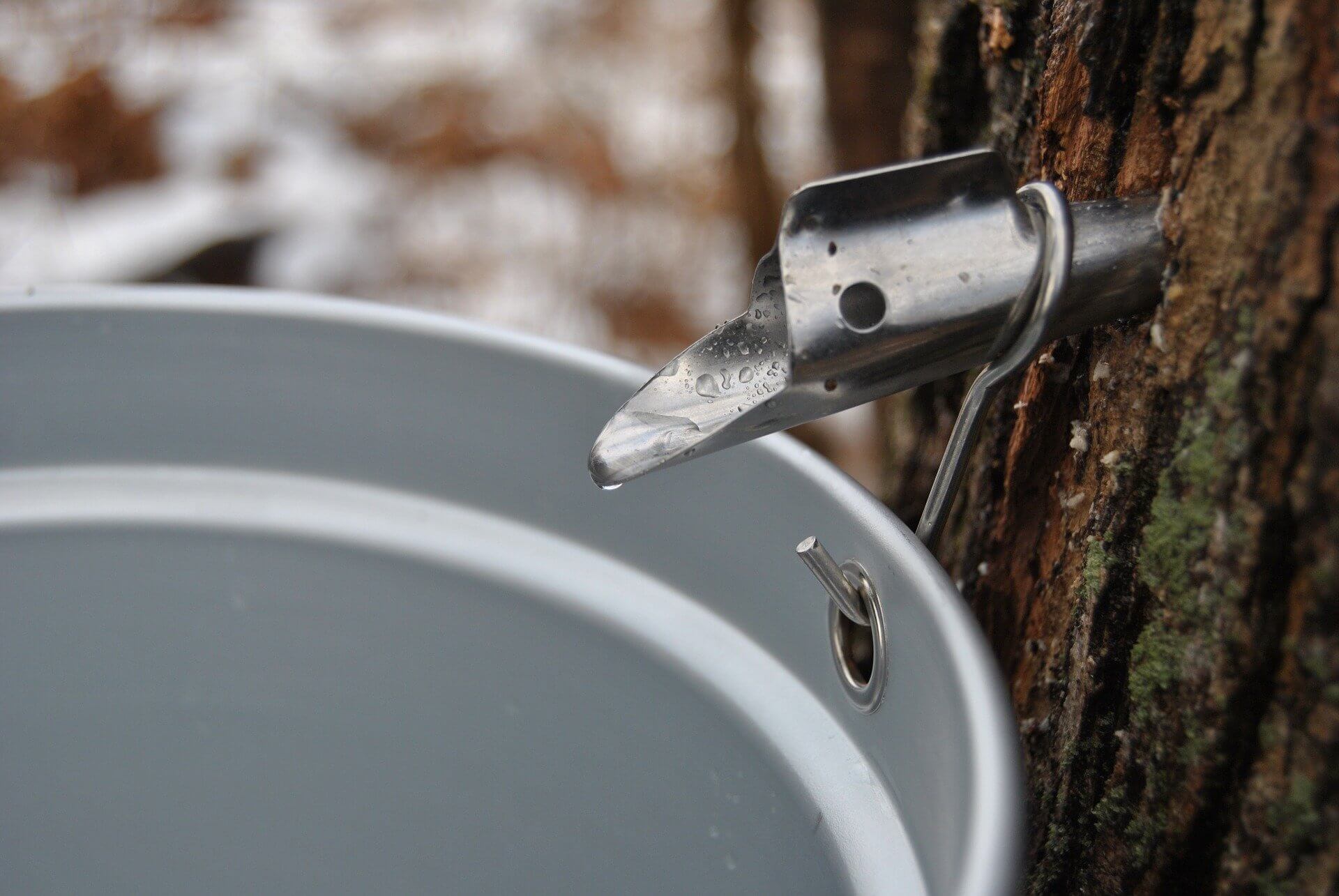
Québec is the undisputed centre of Canada’s maple syrup industry. In 2025, the province produced 71.7% of the world’s maple syrup, with thousands of maple producers operating across the province. Visit during sugaring season and you can experience the tradition firsthand at a sugar shack, where maple sap is collected and boiled down into syrup — often served as part of a hearty Québec meal.
The St. Lawrence Shapes Québec
Look at a map of Québec and one feature immediately stands out. The St. Lawrence River cuts through the province for more than 1,000 kilometres, widening as it travels east until river becomes estuary and, eventually, gulf.
For centuries, the St. Lawrence has been a route for travel, trade, fishing, and settlement. Many of Québec’s best-known communities developed along its shores, including Montréal and Québec City, and the river continues to influence how people live, eat, work, and travel.
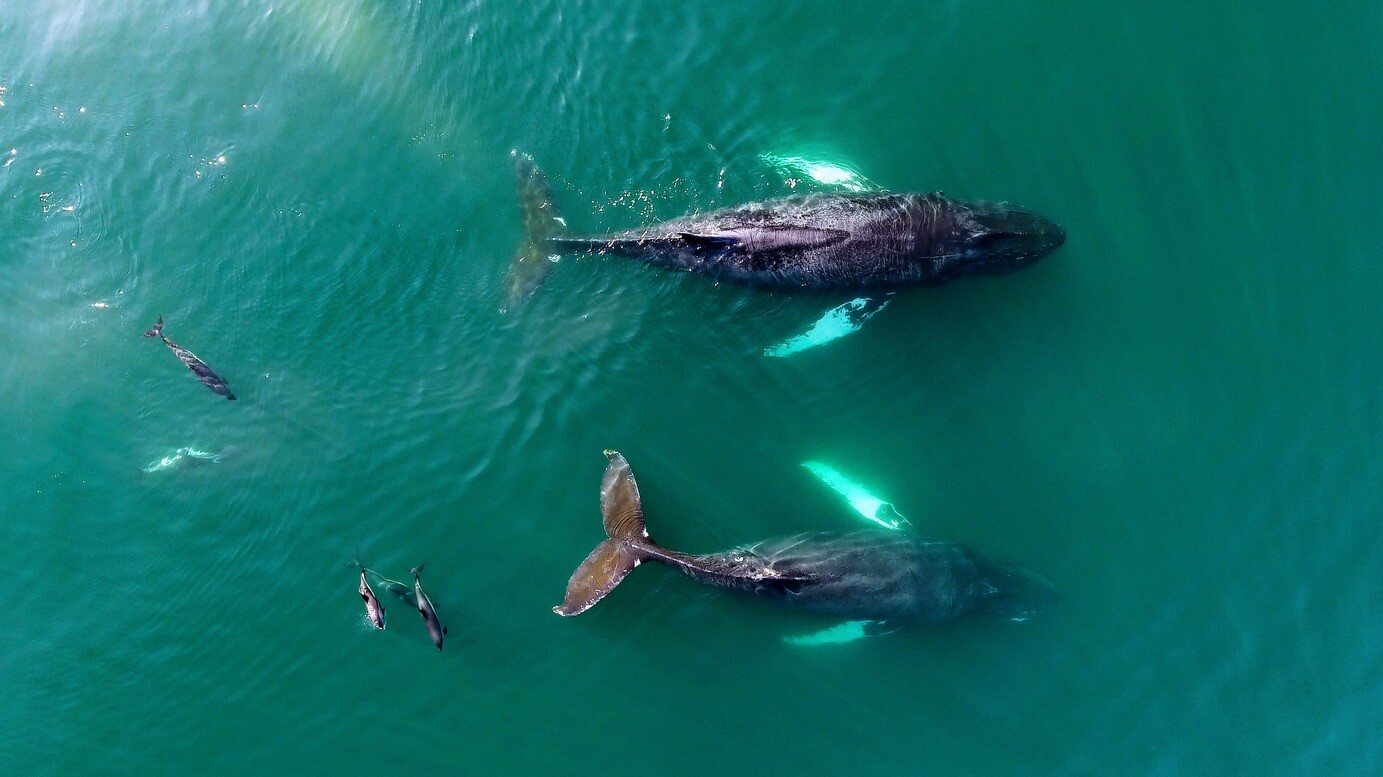
Follow it east and the landscape changes. Farmland and historic towns give way to rugged coastline, islands, fishing communities, and rich marine habitats. The St. Lawrence Estuary is an important feeding area for several species of whales, including the belugas that live here year-round.
You can road trip alongside it, cross it by ferry, explore communities along its shores, or head out onto the water itself. Either way, it’s difficult to travel very far through Québec without encountering the river’s influence.
Skiing in Québec
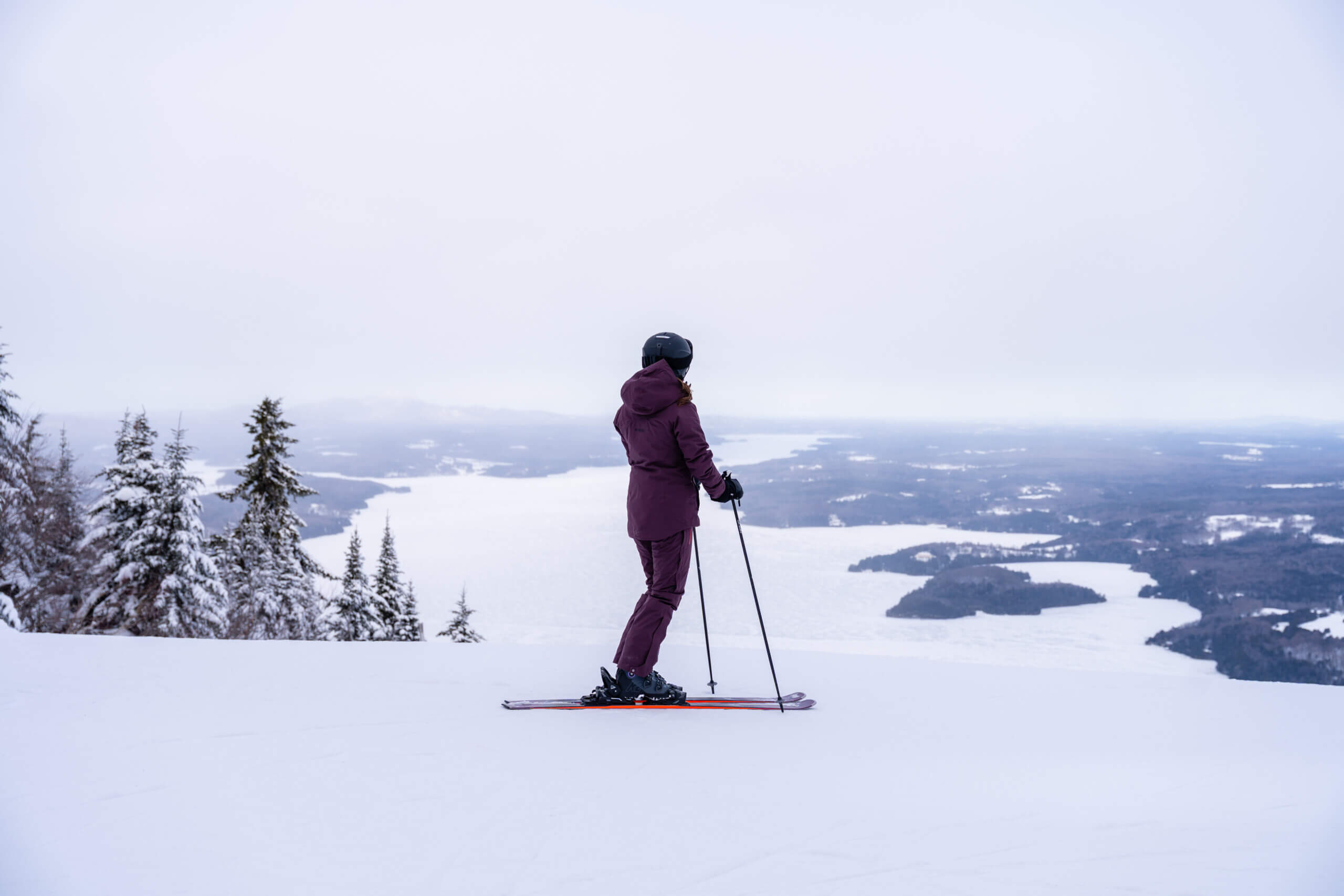
Skiing at Owl’s Head Mountain | Cantons-de-l’Est © GouvQc Samuel Angers
Québec is made for winter, with ski areas spread across the province and a strong culture built around getting outside in the snow. In the Eastern Townships, four distinct mountains sit within relatively easy reach of one another, making it possible to experience a different style of skiing each day. Our Québec Ski Getaway brings together Mont Orford, Owl’s Head, Mont Sutton, and Bromont, with time to enjoy the small towns, food, and après-ski culture that make this corner of Québec worth exploring beyond the slopes.
Québec Has a Food Culture All Its Own
Food can tell you a lot about Québec.
Many of the dishes associated with the province grew out of French Canadian traditions and the ingredients people had available to them: tourtière, baked beans, pea soup, and, of course, maple syrup. Today, those traditions exist alongside Indigenous foodways, generations of immigration, and a restaurant culture that continues to reinterpret what Québec food can be.
And what you eat changes depending on where you travel. Along the St. Lawrence and into the Gaspé Peninsula, seafood becomes part of the story. The Eastern Townships are known for farms, cheesemakers, cideries, and vineyards. Montréal has its own unmistakable food traditions, from wood-fired bagels to smoked meat.
Then there is maple. Québec is the world’s largest maple syrup-producing region, accounting for more than 70% of global production in recent years. Each spring, the sugaring-off season brings people to cabanes à sucre, where maple syrup is part of a much larger meal and social tradition.
You could plan an entire trip around what Québec produces, cooks, pours, and serves — and come away with a very different understanding of the province.
Discover Québec’s Wilderness and Whales
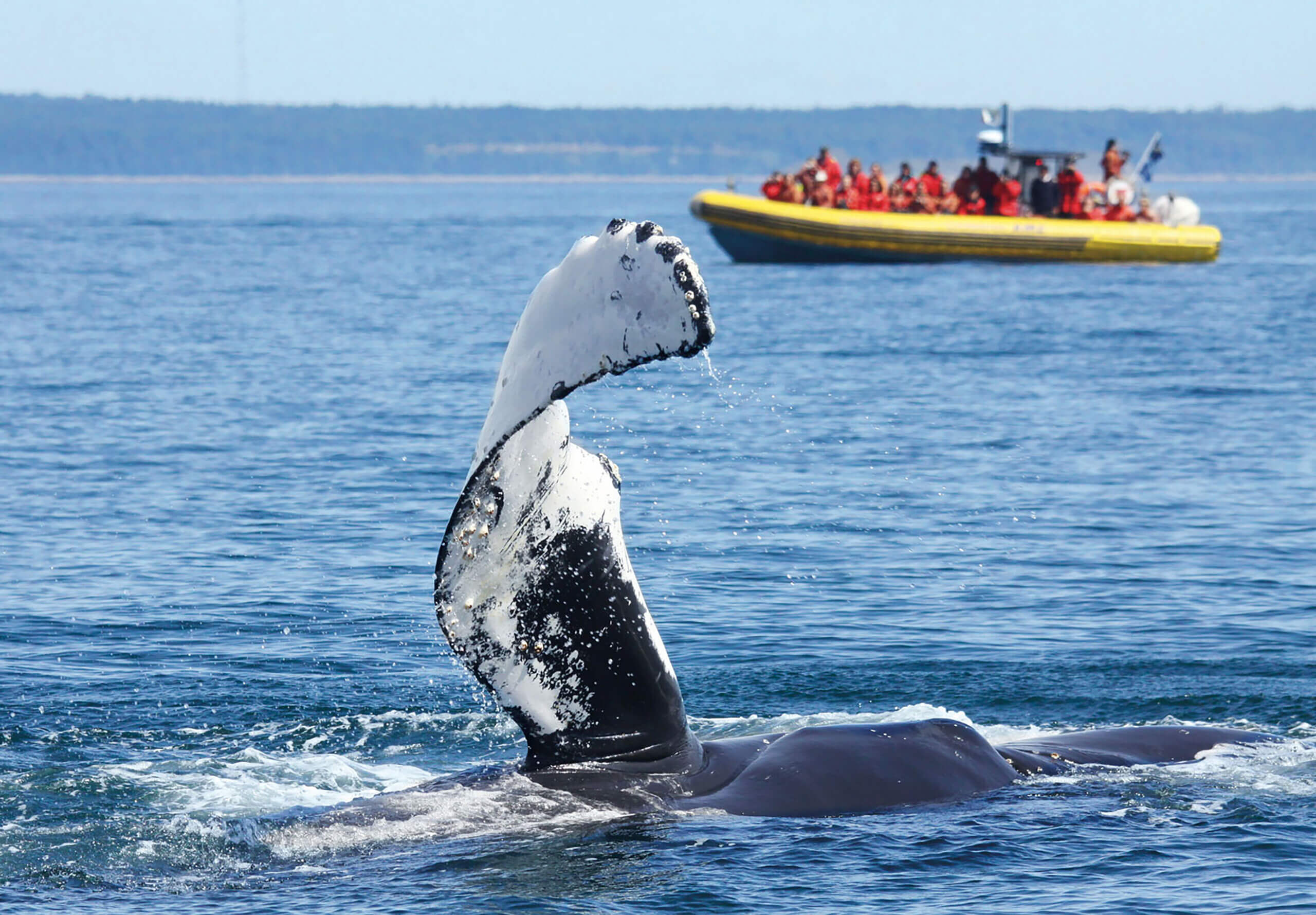
Côte-Nord © GouvQc Catherine Dubé
Québec’s cities may get much of the attention, but head beyond them and the landscape quickly changes. Forests, lakes, mountains, and the dramatic Saguenay Fjord lead toward Tadoussac, where the Saguenay meets the St. Lawrence and the surrounding waters are known for their marine life. Our Québec Wilderness & Whales road trip brings many of these landscapes together, with time in Lac-Saint-Jean and Charlevoix, a whale-watching excursion from Tadoussac, and stays in some of Québec’s smaller communities along the way.
Québec is difficult to sum up in a single image or experience. Its identity has been shaped by Indigenous nations, the French language, generations of newcomers, the St. Lawrence, and a landscape that stretches from farmland and historic cities to boreal forest and Arctic tundra. Spend time travelling through the province and those layers become easier to see — in the communities you visit, the food you eat, the languages you hear, and the landscapes you move through. Perhaps that complexity is what makes Québec most interesting of all.
Explore our Québec trips and experiences for inspiration, or get in touch and we can help you shape a trip around the parts of Québec you most want to experience.
**This article was originally published on Aug 18, 2021. It has been rewritten for accuracy and the most current information**