
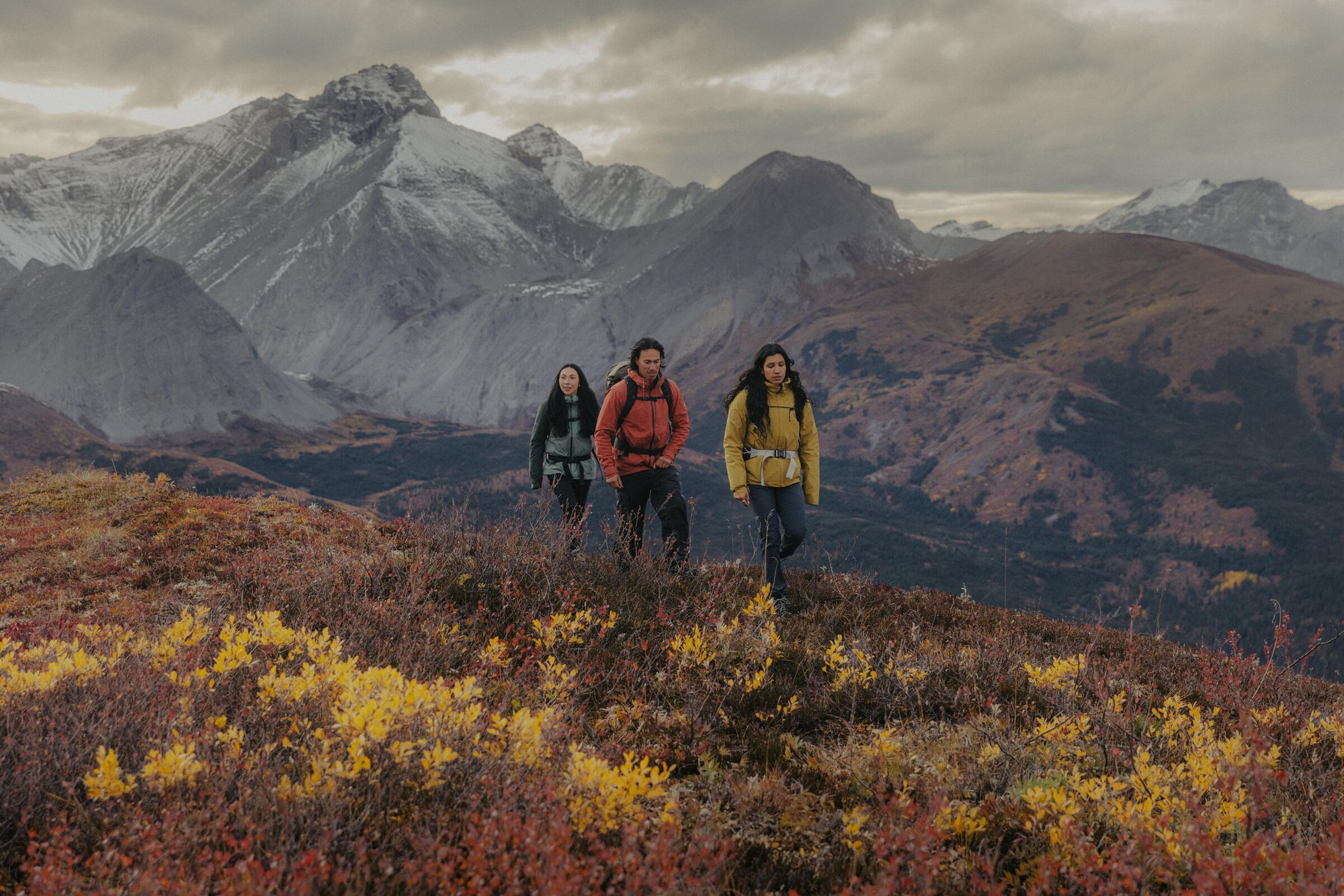

Why Shoulder Season Is One of the Best Times to Travel in Canada

One of the questions I get asked most as a travel advisor is, “When is the best time to visit Canada?” The truth is, there isn’t one.
Canada is a big country, and every destination has its own peak season and popular timing. The best time to visit depends entirely on where you’re going and what you’re hoping to experience.
If you’ve been dreaming of watching grizzlies gather along the rivers in British Columbia, there is a very specific time of year to go. If seeing the northern lights dancing overhead is at the top of your bucket list, timing matters. Some experiences simply can’t be replicated outside their natural season, and that’s part of what makes them so special.
But not every trip needs to happen at a destination’s busiest time of year.
That’s where shoulder season comes in.
What Shoulder Season in Canada Offers
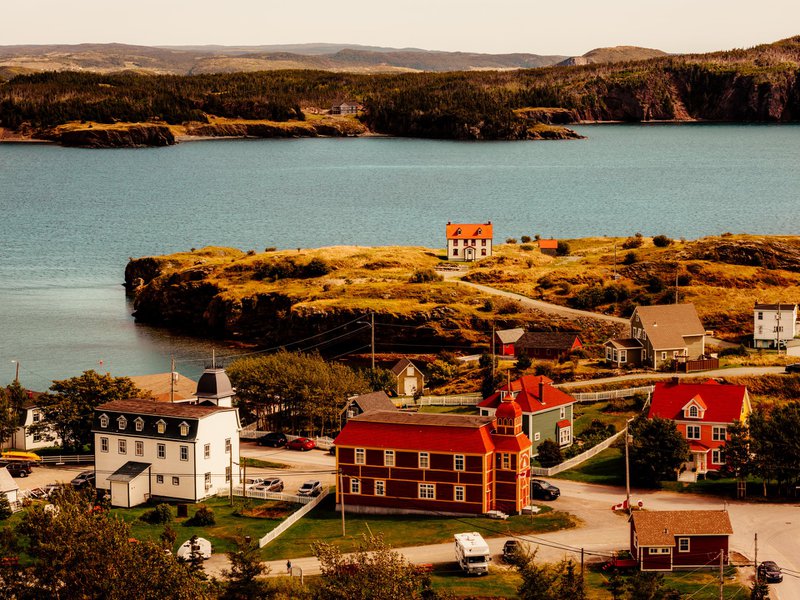
I love recommending shoulder season (the weeks or month just before or after a destination’s peak travel period) to people looking to connect more deeply with where they are. Maybe that means visiting Newfoundland in early fall, when the summer crowds have eased but the communities are still buzzing with activity. Or spending a few extra days exploring Quebec City in the spring when locals are reclaiming their patios and parks after a long winter.
Shoulder season in Canada offers:
- More flexibility. Popular accommodations and experiences may have greater availability, giving you more choice when planning your trip.
- More time for connection. Guides, hosts and local business owners may have a little more time to share their stories, recommendations and insights. I felt this myself last October in Montreal, arguably shoulder season there, and it made the trip.
- A different perspective. Travelling outside of a destination’s busiest season can reveal a side of a place that many visitors never experience.
- Space for spontaneity. Some of the best travel memories come from the unplanned moments.
A Few Things to Keep in Mind
Of course, shoulder season takes a little more planning than simply booking during peak. It’s worth checking the average temperatures for your dates so you know whether you’re comfortable, or whether you’ll want to pack an extra layer for cooler mornings and evenings. It’s also worth asking what’s unique to that specific month, whether it’s a bird migration, a waterfall at a different flow, a local festival, or a seasonal market, since that’s often what makes the trip memorable. And if historic sites, lighthouses or similar attractions are on your list, double check their seasonal hours before you go, as many close outside of peak.
One of my favourite shoulder season stories is my own. I went to Yellowknife and caught the northern lights while skipping the deep winter altogether: no snow, no heavy winter gear, shorts during the day, just a short wait after dark for the show to start.
Finding the Right Time for You
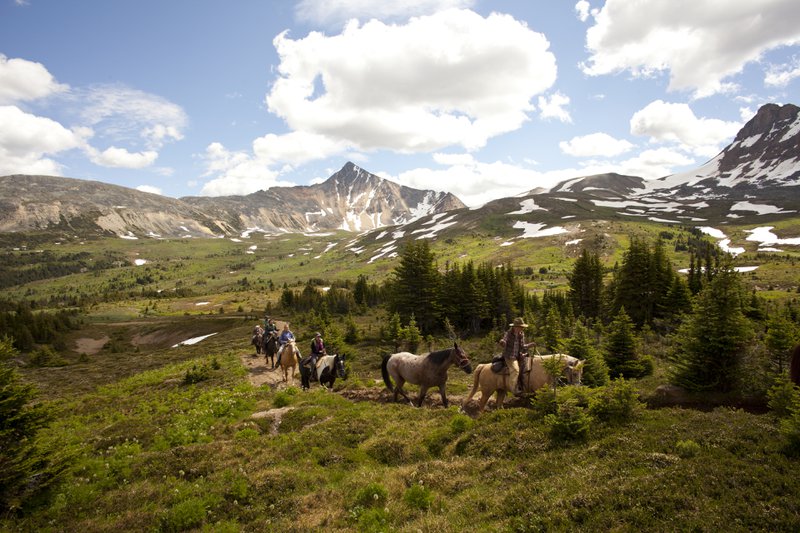
Shoulder season also encourages us to think differently about how we travel. Instead of asking, “What’s the most popular time to go?” we can ask, “What kind of experience am I hoping to have?”
At Landsby, we believe in intentional travel. That means considering not only where we travel, but when we travel. Sometimes travelling during shoulder season helps support local businesses outside of their busiest months. It gives travellers the opportunity to experience a place at a slower pace. Other times, travelling during peak season is exactly the right choice because that’s when a destination comes alive with the natural phenomenon or cultural experiences that make it unique.
There isn’t a right or wrong answer.
The magic of travelling in Canada is that every season tells a different story. The Rockies in September are not the same as the Rockies in February. The Yukon in August offers something entirely different than the Yukon in March. Atlantic Canada in July feels worlds apart from Atlantic Canada in November.
As a travel advisor, I spend a lot less time thinking about the “best” time to travel and a lot more time thinking about the right time to travel: for you, and for the experience you’re hoping to have.
Sometimes that will be peak season. Sometimes it will be shoulder season. The beauty of travelling in Canada is that there is always another season waiting to be discovered.
If you’re looking at planning your own Canadian story, reach out to our team and we’d love to help.
Written by: Ryan Walker, Canadian Travel Expert, Landsby

About Ryan:
With years of international travel experience, Ryan has explored extensively across the UK and Europe, Oceania, and Southeast Asia, and has spent nearly a decade discovering Canada. He’s especially drawn to landscapes that feel less travelled — places where you can connect more deeply with nature and the land. Through these experiences, Ryan fell in love with the way travel connects us to people and places. He realized he wanted to do more than just see the world; he wanted to share those firsthand stories and empower fellow travellers with the practical knowledge, curated options, and insider tools they need to navigate their own adventures.
Get in touch with Ryan by email: ryan@landsby.ca