

Best Water Adventures in Canada: 5 Unforgettable Ways to Experience the Country


Canada has more lakes than any other country on Earth, thousands of kilometres of coastline, and waterways that have shaped its landscapes, cultures, and communities for centuries. It's no surprise that some of the country's most memorable adventures happen on the water.
Whether you want to paddle through remote wilderness, ride glacier-fed rapids, surf the Pacific, or explore a dramatic coastline by kayak, there is a water adventure for every kind of traveller. Some are exhilarating. Others allow you to slow down and see Canada from a different perspective.
Best Water Adventures in Canada
1. Kayaking
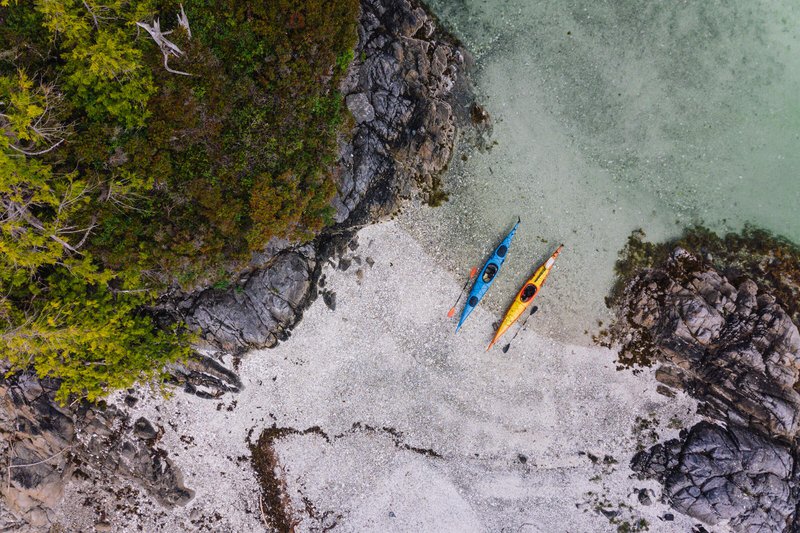
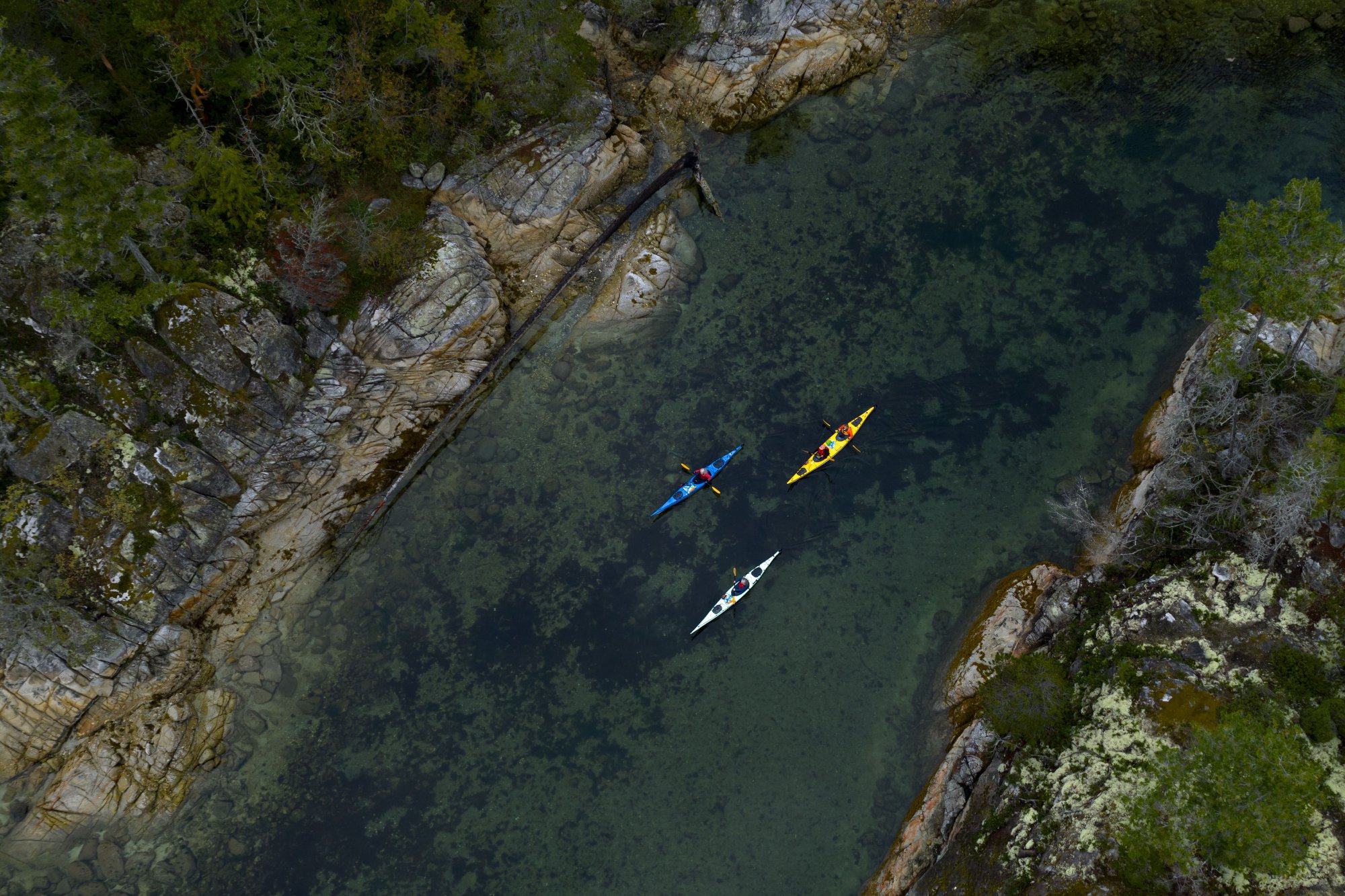
Kayaking offers a quieter way to explore Canada’s coastlines and inland waterways. Without the sound of an engine, you notice more: the movement of seabirds overhead, the shape of the shoreline, the changing colour of the water, and the rhythm of each paddle stroke.
The experience varies considerably by destination. Sea kayaking can mean navigating ocean tides, sheltered island channels, or rugged stretches of coastline, while freshwater routes lead through clear lakes, granite islands, secluded coves, and backcountry campsites. Trips range from gentle half-day paddles to multi-day expeditions, with guided options available for travellers who are less familiar with local weather, currents, navigation, or boat traffic.
Key places to experience it:
Vancouver Island, British Columbia
Day trips and multi-day expeditions weave through forested islands, remote beaches, and some of the richest marine environments in the country. Paddlers may see seals, sea lions, porpoises, humpback whales, or orcas from a respectful distance.
Bay of Fundy, New Brunswick and Nova Scotia
The world’s highest tides have carved dramatic cliffs, caves, and rock formations along the Bay of Fundy. Because water levels and conditions can change quickly, exploring with an experienced guide is one of the safest ways to paddle this coastline.
Mingan Archipelago, Côte-Nord, Quebec
Scattered along the north shore of the Gulf of St. Lawrence, the Mingan Archipelago is made up of thousands of islands and islets shaped by limestone cliffs, sea caves, and enormous rock monoliths. Guided day trips and multi-day sea-kayaking expeditions allow paddlers to travel between remote islands, with opportunities to see seabirds, seals, and whales from an appropriate distance.
Fathom Five National Marine Park, Ontario
At the tip of the Bruce Peninsula, brilliant blue and turquoise water surrounds limestone cliffs, sea caves, historic shipwrecks, and Flowerpot Island. On calm days, the water can be clear enough to reveal submerged rock formations beneath the kayak.
Thousand Islands, Ontario
The channels and sheltered bays of the Thousand Islands offer scenic paddling among wooded islands, rocky shorelines, and historic waterfront. Guided tours are a good option for travellers unfamiliar with local navigation and busy boating routes.
Lake Superior, Ontario
Lake Superior offers a far more rugged freshwater experience. Its scale, rocky shoreline, and rapidly changing weather demand preparation, but guided coastal paddling can reveal beaches, cliffs, islands, and remote landscapes inaccessible by road.
Best for: Active travellers, photographers, coastal scenery, freshwater landscapes, and responsible wildlife viewing.
2. Whitewater rafting
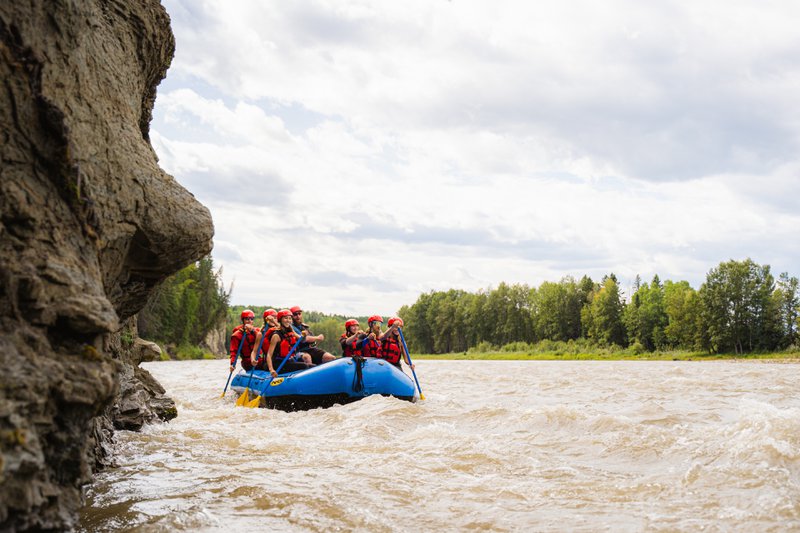
Few water adventures in Canada deliver the immediate rush of whitewater rafting. Canada’s rivers offer everything from introductory rapids suitable for beginners to powerful, technical stretches designed for experienced adventurers.
Trips are typically led by trained guides, with options based on water levels, river sections, age requirements, and comfort level.
Key places to experience it:
Kicking Horse River, British Columbia
Flowing through the Rocky Mountains near Golden, the glacier-fed Kicking Horse offers gentle introductory sections as well as exhilarating Class IV rapids. Towering peaks, dense forests, and steep canyon walls make the scenery nearly as memorable as the ride.
Ottawa River, Ontario and Quebec
Known for its large-volume rapids, the Ottawa River is one of Canada’s best-known rafting destinations. Different channels and trip styles make it possible to choose between a more approachable introduction and a much bigger whitewater experience.
Athabasca River, Alberta
Rafting near Jasper offers a more accessible way to experience a Rocky Mountain river. Trips generally combine manageable rapids with views of forests, mountain peaks, and the surrounding national park landscape.
Best for: Thrill seekers, groups, and travellers looking for an active day trip.
3. Wilderness canoeing
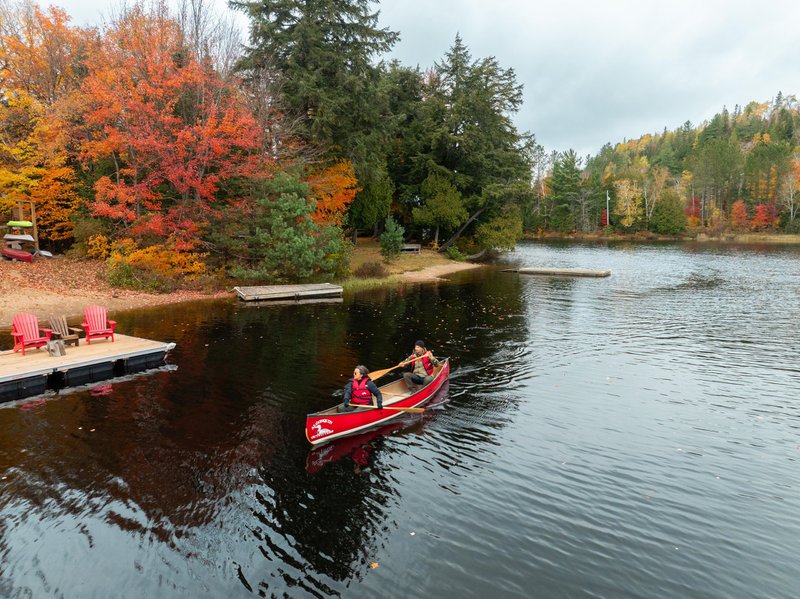
The canoe has been used to travel through the lands now called Canada for thousands of years. Today, canoe trips still offer one of the most immersive ways to experience the country’s lakes, rivers, forests, and northern landscapes.
The possibilities range from a few peaceful hours on a lake to longer expeditions requiring portages, backcountry camping, and careful preparation.
Key places to experience it:
South Nahanni River, Northwest Territories
Located within Nahanni National Park Reserve, this legendary river winds through alpine valleys, towering canyons, natural hot springs, and Virginia Falls. Most trips last between seven and 14 days and begin with a floatplane journey into the park.
This is not a casual weekend paddle. It is a true wilderness expedition best suited to experienced paddlers or travellers joining a qualified outfitter.
Algonquin Provincial Park, Ontario
Algonquin’s interconnected lakes, rivers, and portage routes make it one of Canada’s most iconic canoeing destinations. Travellers can enjoy a relaxed day paddle, or choose travel deep into the backcountry for several days.
Bowron Lake Provincial Park, British Columbia
The Bowron Lake Canoe Circuit connects a series of lakes, rivers, and portages in a roughly rectangular route through British Columbia’s Cariboo Mountains. Completing the full circuit requires time and preparation, but shorter routes are also available.
Best for: Wilderness travellers, campers, and anyone looking to disconnect for several days.
4. Tidal bore rafting
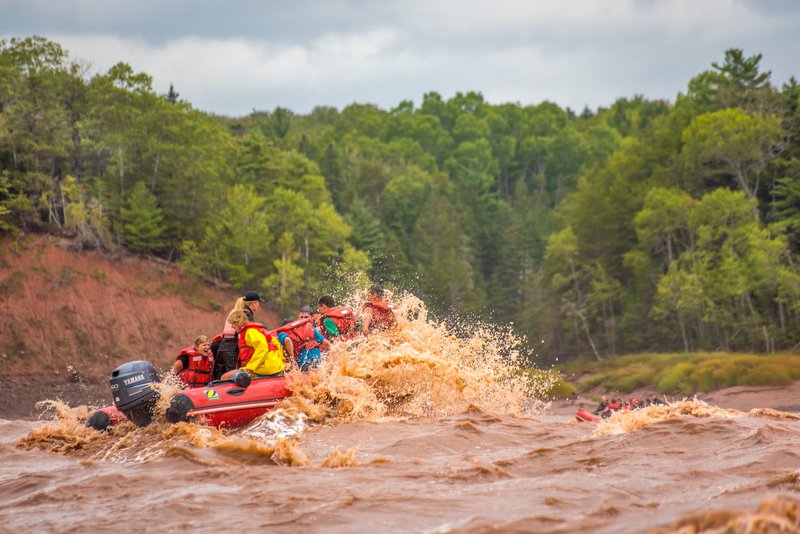
The result is a fast, muddy, and completely distinctive adventure shaped by the natural forces of the Bay of Fundy.
Key place to experience it:
Shubenacadie River, Nova Scotia
Twice each day, the tides of the Bay of Fundy surge into the Shubenacadie River. Guided Zodiac boats ride into the waves, bouncing and spinning through water that had been calm only a short time earlier.
The size and intensity of the waves vary with the tide, so operators typically offer different experiences based on the day’s conditions.
Best for: Families with older children, groups, and travellers looking for an experience unique to Atlantic Canada.
5. Surfing
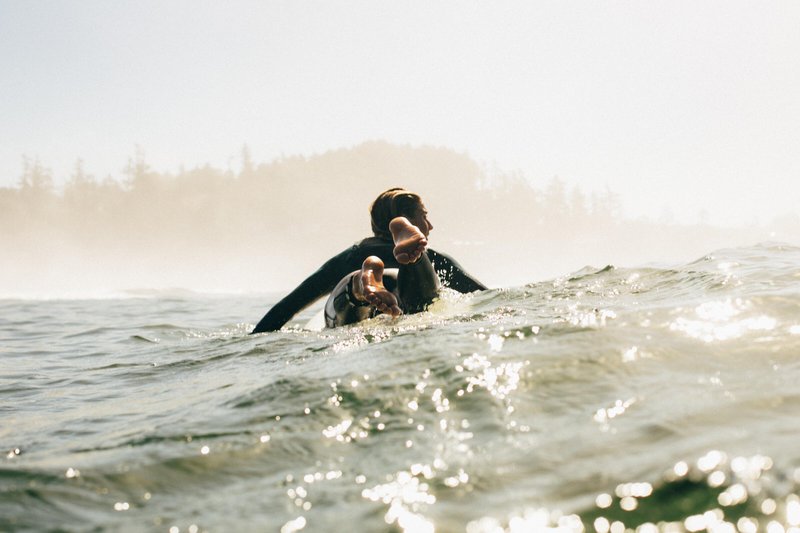
Canada may not be the first destination that comes to mind for surfing, but its Atlantic and Pacific coasts both have established surf communities, consistent breaks, and lessons for beginners.
Cold water is part of the experience. Modern wetsuits make surfing possible well beyond the warmest months, although conditions and accessibility vary throughout the year.
Key places to experience it:
Tofino, British Columbia
Long Beach and the surrounding coastline have made Tofino Canada’s best-known surf destination. Local schools offer lessons and rentals for beginners, while more experienced surfers can explore a range of breaks along the coast.
Lawrencetown Beach, Nova Scotia
Located near Halifax, Lawrencetown is one of Atlantic Canada’s most established surf destinations. Its exposed coastline produces waves throughout much of the year, with local operators offering instruction and equipment rentals.
Best for: Beginners, experienced surfers, and travellers who do not mind cold water.
Which water adventures in Canada are right for you?
For a remote wilderness expedition, consider canoeing the South Nahanni River or completing a multi-day route in Bowron Lake Provincial Park. For an adrenaline-filled day, head to the Kicking Horse or Ottawa rivers. Sea kayaking suits travellers who want to explore Canada’s coastlines slowly, while freshwater kayaking offers a more approachable introduction to paddling.
Wildlife lovers can choose guided excursions in places such as Vancouver Island, where responsible operators place the animals’ space and behaviour ahead of a close encounter. Travellers who want something completely different can ride the Shubenacadie tidal bore or learn to surf on the Pacific or Atlantic coast. Which water adventures in Canada are you looking forward to?