
Planning a Newfoundland and Labrador Road Trip? Add These 7 Small Towns


When people picture a Newfoundland and Labrador road trip, they often think of St. John’s, Gros Morne National Park, or icebergs drifting through Iceberg Alley. Those places deserve their reputation, but some of the province’s most memorable stops are found in the smaller communities along the way.
These are places where puffins nest near lighthouses, centuries of fishing history remain visible along the waterfront, and archaeological sites tell stories that began more than 1,000 years ago. Some make an easy lunch stop or afternoon detour. Others deserve an extra night in your itinerary.
Here are seven small towns to consider as you plan your route through Newfoundland and Labrador.
1. Trinity
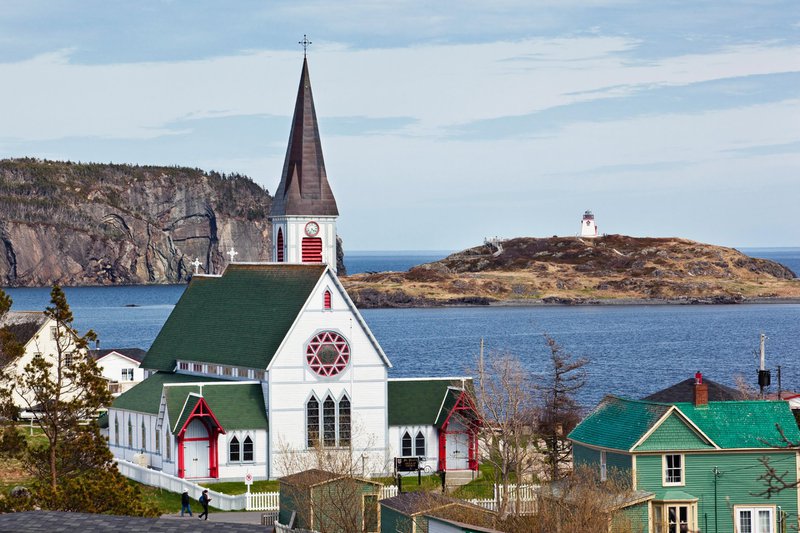
If your ideal day involves parking the car and exploring on foot, Trinity is a good place to begin.
One of Newfoundland’s oldest communities, Trinity was an important fishing and trading centre for centuries. Much of that history remains visible today. Heritage homes overlook the harbour, fishing stages line the waterfront, and restaurants, galleries, shops, and accommodations are clustered within an easy walk of one another.
Browse the local galleries, climb Gun Hill for views over Trinity Harbour, or spend an evening at a performance by Rising Tide Theatre.
Trinity is often paired with nearby Bonavista, but it has enough to fill more than a quick stop on your Newfoundland and Labrador road trip. Staying overnight gives you time to enjoy the town after the day-trippers have moved on.
2. Bonavista
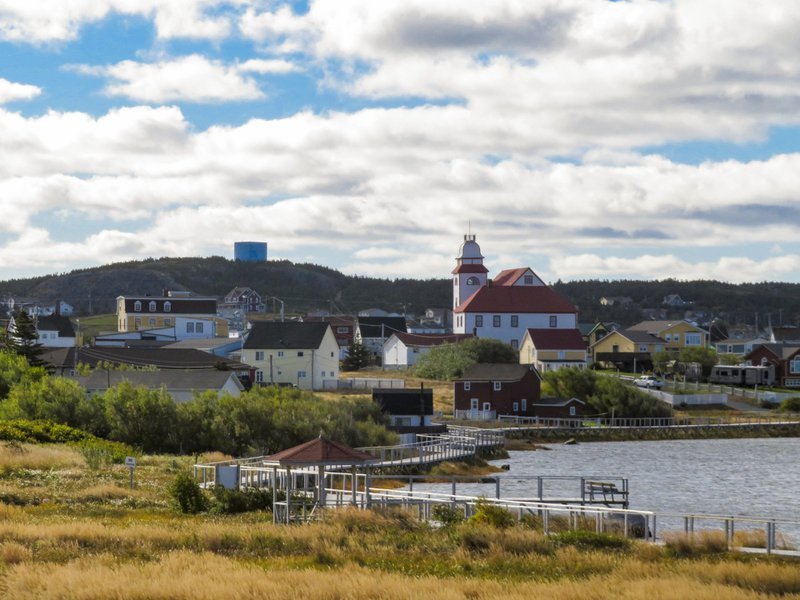
Only an hour from Trinity, Bonavista has a very different rhythm.
While Trinity is compact and easy to explore on foot, Bonavista makes a good base for seeing more of the peninsula. Cape Bonavista Lighthouse, the cliffs and sea stacks of Dungeon Provincial Park, and the restaurants and brewery in Port Rexton are all within driving distance.
The lighthouse is one of the area’s best-known landmarks and one of the few places where visitors can still climb the original stone tower. Depending on the time of year, you may also spot whales or icebergs offshore.
Nearby Elliston is home to one of North America’s most accessible puffin colonies. The viewing site allows visitors to watch the birds from land, without joining a boat tour.
3. Twillingate
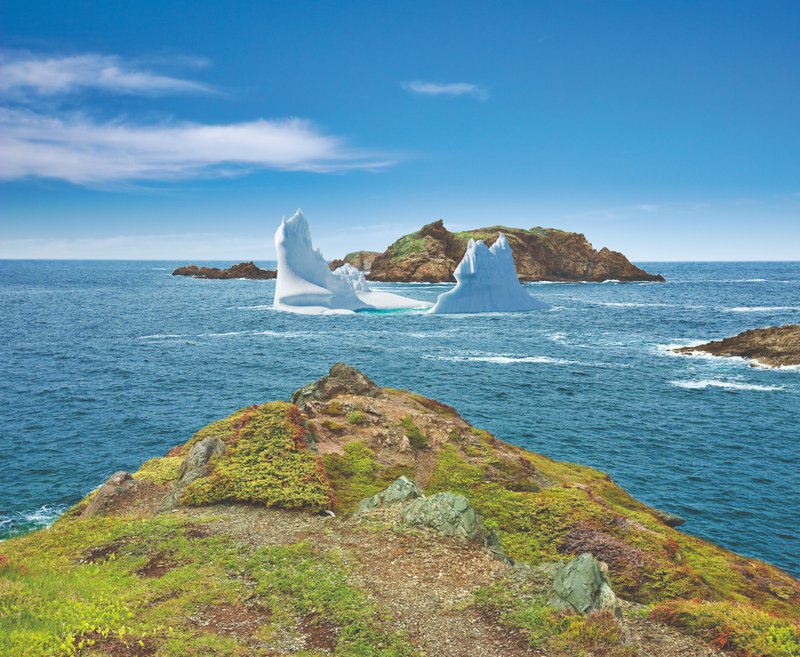
Twillingate may be known as an iceberg town, but timing to be there during iceberg season matters.
Iceberg season generally runs from May through early July, although conditions change from one year to the next. Later in the summer, visitors are more likely to see whales than icebergs.
The town stretches across several islands connected by bridges and causeways, creating a landscape of scenic roads, working harbours, coastal lookouts, and communities gathered around the water.
During iceberg season, consider seeing them from a boat as well as from shore. It is difficult to understand their true scale until you are closer to the water.
4. Woody Point
Many visitors stay in Rocky Harbour while exploring Gros Morne National Park. For hikers, Woody Point may make more sense.
Located on the southern side of Bonne Bay, the community provides convenient access to the Tablelands, Green Gardens Trail, and several of the park’s southern attractions. Choosing Woody Point can mean spending less time driving and more time on the trails.
The town itself is small but lively, with galleries, cafés, accommodations, and wide views across Bonne Bay toward the Long Range Mountains.
5. Trout River
Just south of Woody Point, Trout River places you even closer to one of Gros Morne’s most distinctive landscapes on your Newfoundland and Labrador road trip.
The community sits beside the Tablelands and has some of the closest accommodations to this part of the park. It also tends to feel quieter than Gros Morne’s larger tourism centres during the busiest weeks of summer.
Trout River remains an active fishing community, and that connection to the fishery is still visible around the harbour.
As you explore, look for handmade wool socks hanging outside homes and sheds. Local knitters have sold them this way for years, making them both a practical souvenir and a small piece of local tradition.
6. St. Anthony
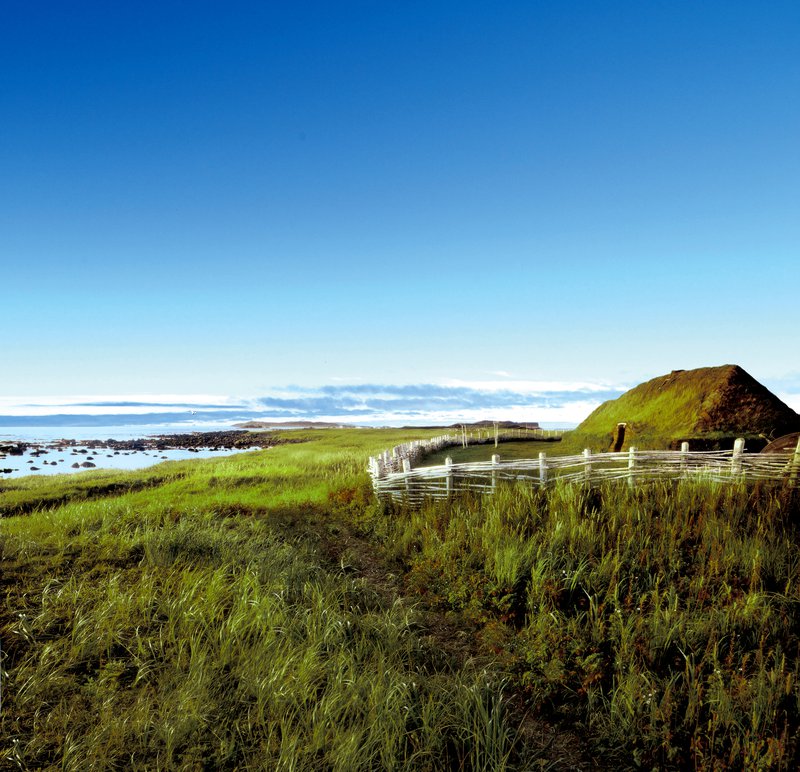
Reaching St. Anthony requires a commitment. The town sits near the northern tip of Newfoundland’s Great Northern Peninsula, more than four hours north of Gros Morne National Park.
The main reason many visitors make the drive is nearby L’Anse aux Meadows National Historic Site. Archaeological discoveries here confirmed that Norse explorers reached North America approximately 1,000 years ago.
Late spring and early summer also bring opportunities for whale watching and iceberg viewing. With the right timing, it is possible to experience both the region’s remarkable history and its wildlife during the same visit.
The journey north is long, but St. Anthony gives travellers a reason to explore a quieter and less frequently visited part of the province.
7. Red Bay
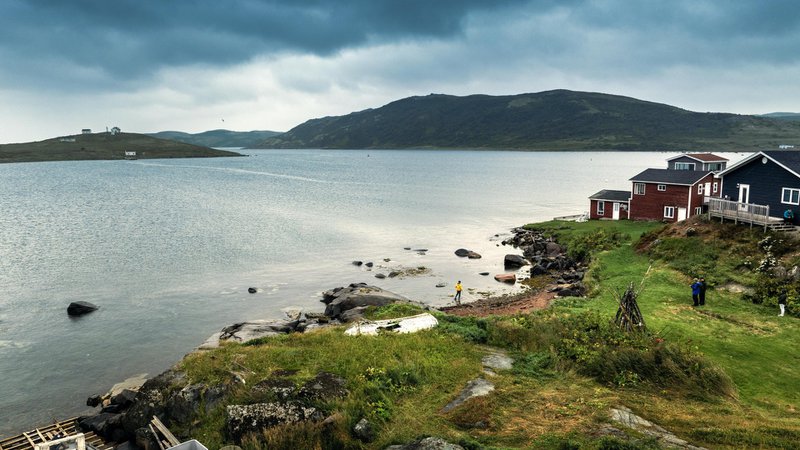
For those travelling into Labrador, Red Bay is more than a scenic stop.
During the 1500s, it was one of the world’s busiest Basque whaling ports. Ships crossed the Atlantic from Europe, processed whale oil along the Labrador coast, and returned home carrying their cargo.
Archaeological discoveries in Red Bay have changed historians’ understanding of early European industry in North America and revealed one of the continent’s earliest international trade networks. Today, the community is recognized as a UNESCO World Heritage Site.
Visitors can explore the interpretation centre, travel to Saddle Island, and learn how this small harbour became part of a much larger North Atlantic story.
Few places hold this much internationally significant history within such a small community.
Leave Room for the Places Between
When planning a Newfoundland and Labrador road trip, it helps to leave more time between destinations than your GPS suggests you'll need.
A whale sighting can turn into an unexpected roadside stop. A quick coffee can become lunch overlooking the harbour. A conversation with someone you meet along the way may last longer than you planned.
The places you remember most may not be the ones that first inspired the trip. Often, they are the communities you nearly drove past.