

After Dark in Atlantic Canada: Where to Stargaze in Each Province
Dark-Sky Preserves across three provinces, plus PEI’s open beaches: where to see Atlantic Canada’s night sky and how to plan for it.


Dark-Sky Preserves across three provinces, plus PEI’s open beaches: where to see Atlantic Canada’s night sky and how to plan for it.

Discover the enchanting allure of Cape Breton’s Cabot Trail in autumn. As vibrant colors cloak the highlands and valleys, enjoy peaceful roads, farmers’ markets, and lively festivals. Experience the season’s magic with our curated itineraries.
Québec is a province of big contrasts. Historic cities give way to small towns, forests, mountains, and the shores of the St. Lawrence. French language and culture shape everyday life, food traditions vary from region to region, and the experience changes dramatically with the seasons. There’s far too much here

Explore Canada’s rich culinary landscape with a weekend getaway. From Saskatoon’s prairie-inspired plates to Vancouver’s ocean-fresh sushi, every city offers distinct flavours. Discover tradition in Montréal, global tastes in Toronto, or the seafood bounty of Halifax. Let your taste buds guide your next travel adventure.
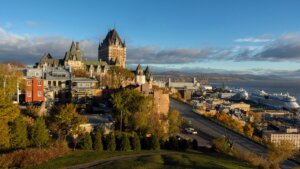
Travel through Canada’s history with 12 itineraries designed for culture lovers, from Indigenous cultural sites and historic cities to coastal communities, archaeological sites, and landscapes.
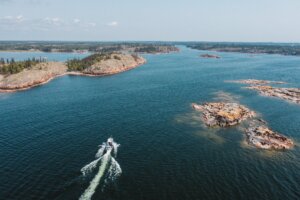
Most people know the Northwest Territories for the Northern Lights. But that’s only one aspect of a place where some of Earth’s oldest rocks sit alongside some of Canada’s youngest roads.