
What To Know About Responsible Travel in Canada

Canada is one of the most nature-rich destinations on the planet. Around every corner you’ll meet ancient rainforests, glacier-fed lakes, dramatic coastlines, and wildlife in abundance. Visiting responsibly means knowing the rules, respecting the land, and making choices that help keep it that way.
As we wrap up Earth Month, here’s everything you need to know before you come to Canada.

Before You Arrive: What's Already Banned
Canada's federal Single-use Plastics Prohibition Regulations ban the manufacture, import, and sale of single-use plastic checkout bags, cutlery, foodservice ware, ring carriers, and stir sticks. Most businesses won’t hand you plastic cutlery or a bag.
Pack these before you leave home:
- Reusable shopping bag (you'll need it everywhere)
- A reusable water bottle (tap water is safe to drink across most of Canada, and places to refill are easy to find)
- Reusable coffee cup (especially if you're heading to Banff — more on that below)
- A reusable straw if you use one, as plastic straws are restricted nationally
If you're visiting British Columbia, including Vancouver, Victoria, Tofino, or Vancouver Island, rules go even further. As of July 2024, BC's Single-Use and Plastic Waste Prevention Regulation requires businesses to charge $2 for new reusable shopping bags and $0.25 for paper bags, and to provide disposable utensils on customer request. Coming prepared saves money and hassle.
In the National Parks: Rules That Protect Our Natural Spaces
Canada has 38 national parks spanning over 3% of the country's landmass, and they are some of the most spectacular places on Earth. They're also strictly protected and for good reason. Here's what every visitor needs to know.
Don't take anything except your own garbage.
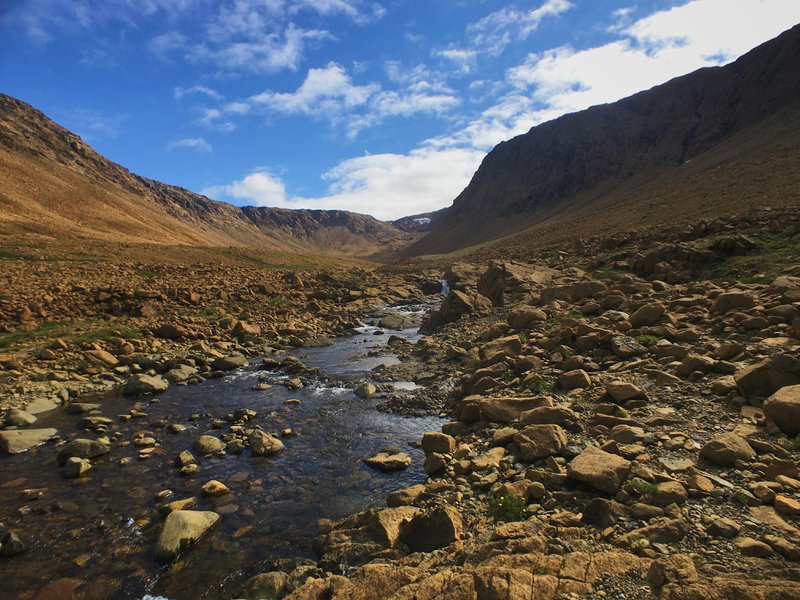
It is illegal to collect plants, mushrooms, berries, animals, animal parts (including antlers), fossils, driftwood, rocks, or any other historic or natural object from Canada's national parks. This catches a lot of well-meaning visitors off guard and can lead to heavy fines. Leave everything exactly where you find it for other visitors to enjoy. And, always remember to remove your own garbage and dispose of it properly.
Don't feed the wildlife.
Feeding wildlife in national parks is against the law. It's not just a rule for tidiness: feeding wildlife causes animals to lose their ability to find natural food sources, increases aggressive behaviour toward humans, and creates real safety risks for both animals and future visitors. If wildlife managers have to relocate or euthanize an animal because it has become food-conditioned, that's a direct consequence of visitors feeding it.
Read more about ethical wildlife viewing.
Stay on designated trails.
Going off-trail causes soil erosion and can trample fragile plant life that took decades to establish. Parks Canada maintains up-to-date trail condition reports online, so be sure to check them before heading out, especially in shoulder seasons when conditions can change quickly.
Leave your drone at home.
All Parks Canada locations are no-drone zones without a specific permit or special permission. This is a firm rule that surprises many international visitors who travel with drones as a matter of course. Don't risk a fine, leave it behind or check the permit process well in advance.
Slow down on park roads.
Roads are the single biggest source of human-caused wildlife death in Canada's national parks. Parks set speed limits low to prevent this from happening, so keep a keen eye. If you see an animal near the road, don't pull over and stop in the lane, it causes undue stress to the animal and a hazard for other drivers. There are designated wildlife viewing areas in many parks.
Canadian Destinations That Promote Responsible Travel
This small selection of Canadian spots have built real infrastructure around responsible tourism and they're not just marketing green, they're doing it.
Banff, Alberta

The Town of Banff passed a Single-Use Item Reduction Bylaw in 2023 requiring reusable foodware for all on-site dining, banning plastic bags outright (since January 2024), and moving straws and condiment packets to request-only.
The Banff Borrows program is worth knowing about as a visitor: you can borrow a reusable cup from any of the participating cafés for free and return it within 30 days. A 2023 waste audit found more than 1,000 throwaway coffee cups discarded daily in Banff's public bins. The program is a direct response to that and it costs you nothing.
Getting around Banff without a car is genuinely easy. The ROAM Transit bus system connects Banff, Canmore, and Lake Louise, and routes within the Banff townsite are free for visitors. The park is designed to be explored on foot, by bike, or by bus.
Tofino, British Columbia

On the west coast of Vancouver Island, Tofino sits at the edge of Pacific Rim National Park Reserve, one of the most spectacular stretches of coastline in the world. The municipality was the first in B.C. to ban single-use plastic utensils, in addition to polystyrene takeout containers, plastic checkout bags, and plastic straws.
On Earth Day, April 22, 2026, Tofino became the first municipality in the country to pass a ban on single-use plastic water bottles. This ban is a massive effort to keep local waterways and beaches clean. But don’t worry, water bottle refill stations are accessible at local businesses, accommodations, public facilities, and more. Just keep an eye out for a “free water refills here” sign and enjoy fresh, clean water your entire visit.
Fogo Island, Newfoundland
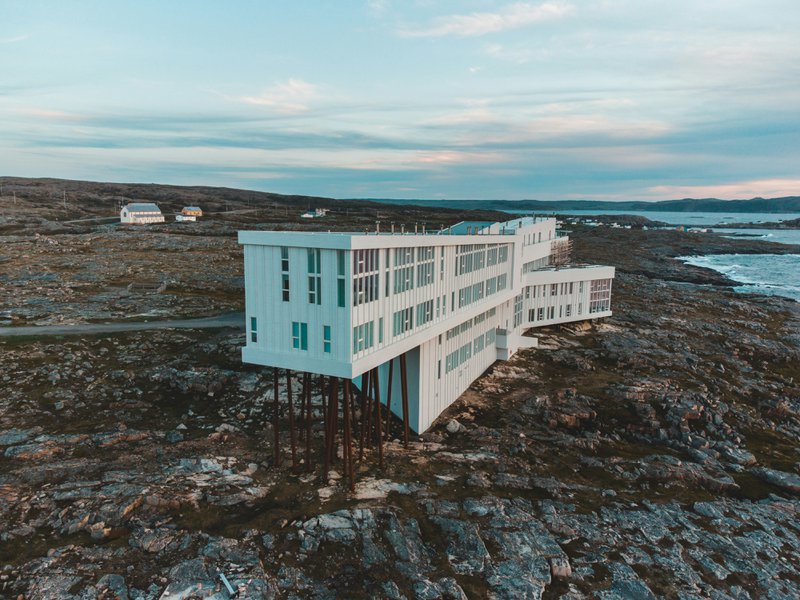
Remote, deliberate, and unlike anywhere else in Canada. The Fogo Island Inn is considered Canada's first regeneratively designed hotel, built to leave as little mark as possible. During construction, the team preserved an ancient footpath on the site, sourced all materials locally, and had every piece of furniture made by hand on the island.
The kitchen sources 80% of its ingredients from Newfoundland and Labrador — fished, farmed, hunted, or harvested locally. The price of every stay includes carbon offsets covering travel, room energy, and food emissions.
The money side is just as considered. Fogo Island Inn’s operating surpluses are reinvested into the community through Shorefast, the social enterprise behind the Inn, which publishes an "Economic Nutrition" label. The Economic Nutrition label shows guests exactly where each dollar goes, locally and globally. Fogo Island Inn is one of the most transparent trips you can make in Canada. For travellers committed to regenerative travel, it sets the bar.
Great Bear Rainforest, British Columbia
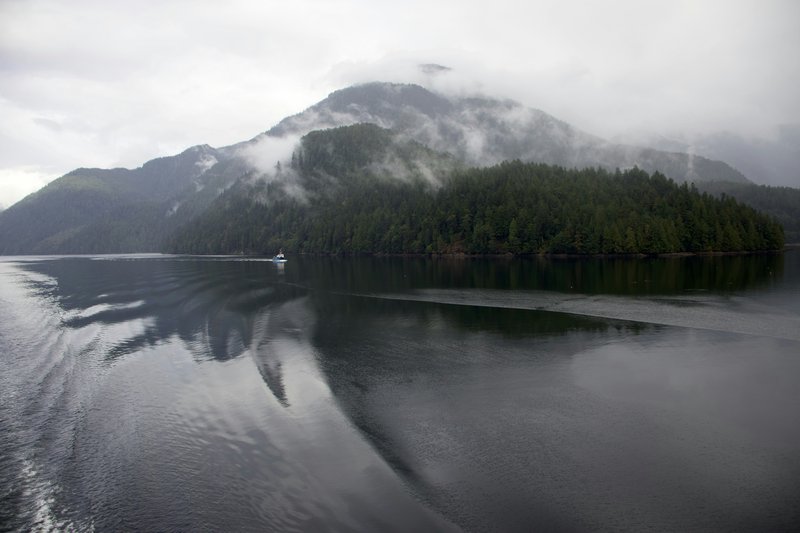
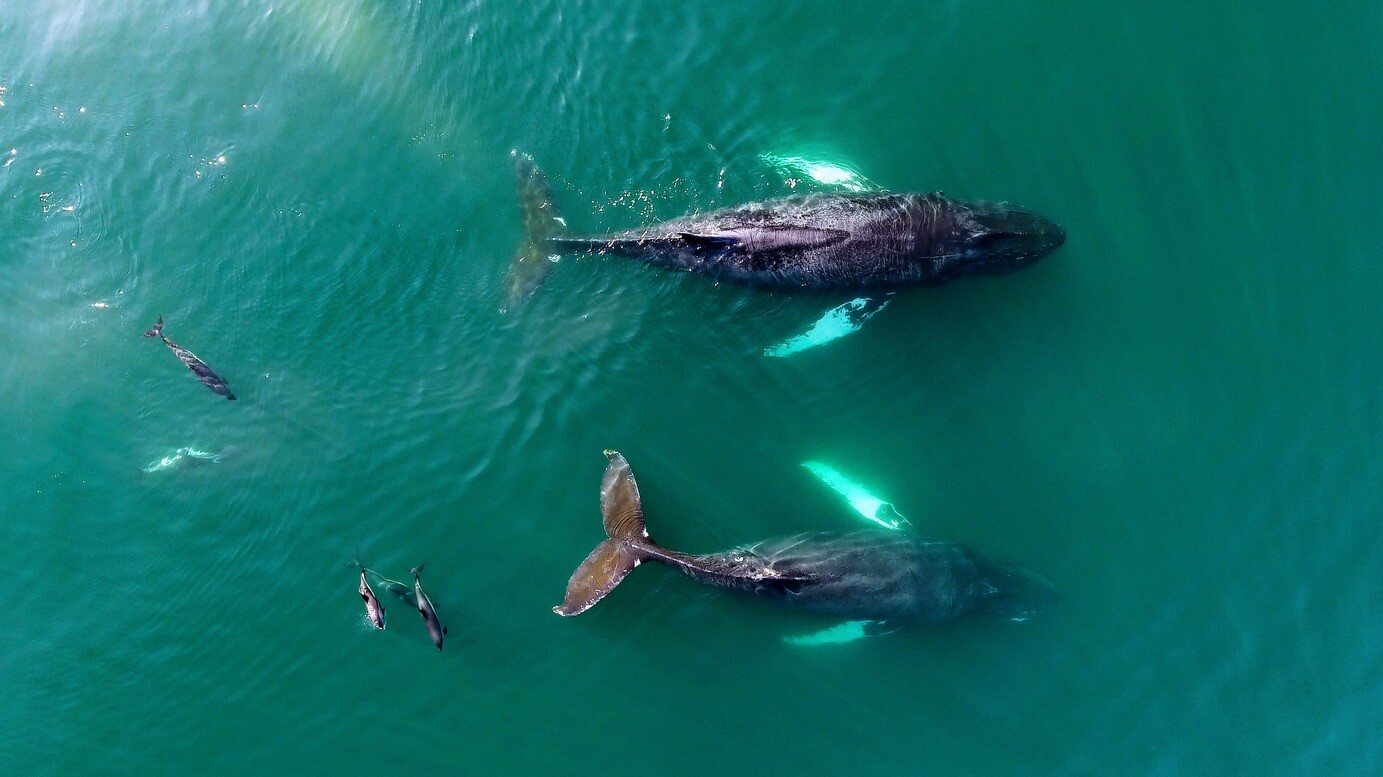
One of the last intact temperate rainforests in the world, and now largely protected from logging through decades of work by Coastal First Nations and their allies. This is the territory of the Kermode — a rare cream-coloured subspecies of black bear found almost nowhere else on earth. You’ll also find grizzlies, coastal wolves, humpback whales, and old-growth cedars that have been standing for a thousand years.
Visiting here is best with Indigenous-led operators. Some standouts are Spirit Bear Lodge in Klemtu (Kitasoo Xai'xais First Nation), Knight Inlet Lodge (owned by a partnership of five First Nations), and Klahoose Wilderness Resort in Desolation Sound (Klahoose First Nation). Each is off-grid or low-carbon and runs guided wildlife experiences designed as much around protecting the land and wildlife as they are around the encounter itself. Independent excursions into sensitive areas aren't permitted, which is part of what keeps the ecosystem intact.
General Habits: Small Choices That Add Up
Beyond the rules and the destinations, how you move through Canada day to day matters.
Drink the tap water.
Canada has some of the cleanest tap water in the world. There is no reason to buy bottled water in cities like Vancouver, Toronto, Montreal, Calgary, or any national park. A reusable bottle is the single easiest swap you can make.
Eat local.
Ontario's Feast On® program certifies over 150 restaurants that source directly from local farmers, growers, and makers. Similar farm-to-table movements exist across every province. Farmers markets run seasonally in every major Canadian city, make sure to seek them out.
Use transit from the airport.
In Vancouver, the Canada Line SkyTrain runs directly from YVR to downtown. It’s fast, cheap, and far lower-impact than a taxi or rideshare. Toronto's UP Express connects Pearson Airport to Union Station in 25 minutes. Skipping the private car on arrival is an easy win.
Book accommodations with verified green credentials.
Look for the Green Key Global rating when choosing where to stay. It's an independent, internationally recognized assessment of environmental and social practice, scored from 1 to 5. Several Canadian properties hold 5-star ratings, including the Wickaninnish Inn in Tofino and Hôtel du Vieux-Québec, the only carbon-neutral hotel in Quebec City.
Chat with our team to find other sustainability-minded or regenerative accommodation.
Seek out Indigenous-led experiences.
There is a deep, longstanding connection between Indigenous peoples and the land in Canada. It is one that predates the national parks system by thousands of years. Indigenous tourism operators certified by the Indigenous Tourism Association of Canada offer experiences that are both culturally rich and rooted in environmental stewardship. Ask our team about experiences that could be added to your visit to Canada.
Canada's natural spaces are extraordinary because they've been protected and a growing number of communities, parks, and businesses are working hard to keep them that way. As a visitor, the best thing you can do is show up prepared: bring a bag, a bottle, and a reusable cup; know the rules before you set foot on a trail; and choose destinations and operators that are doing the work, not just talking about it.
Ready to start planning? Reach out to our team to start building your custom trip to Canada.