
Discover Nature In New Brunswick This Summer

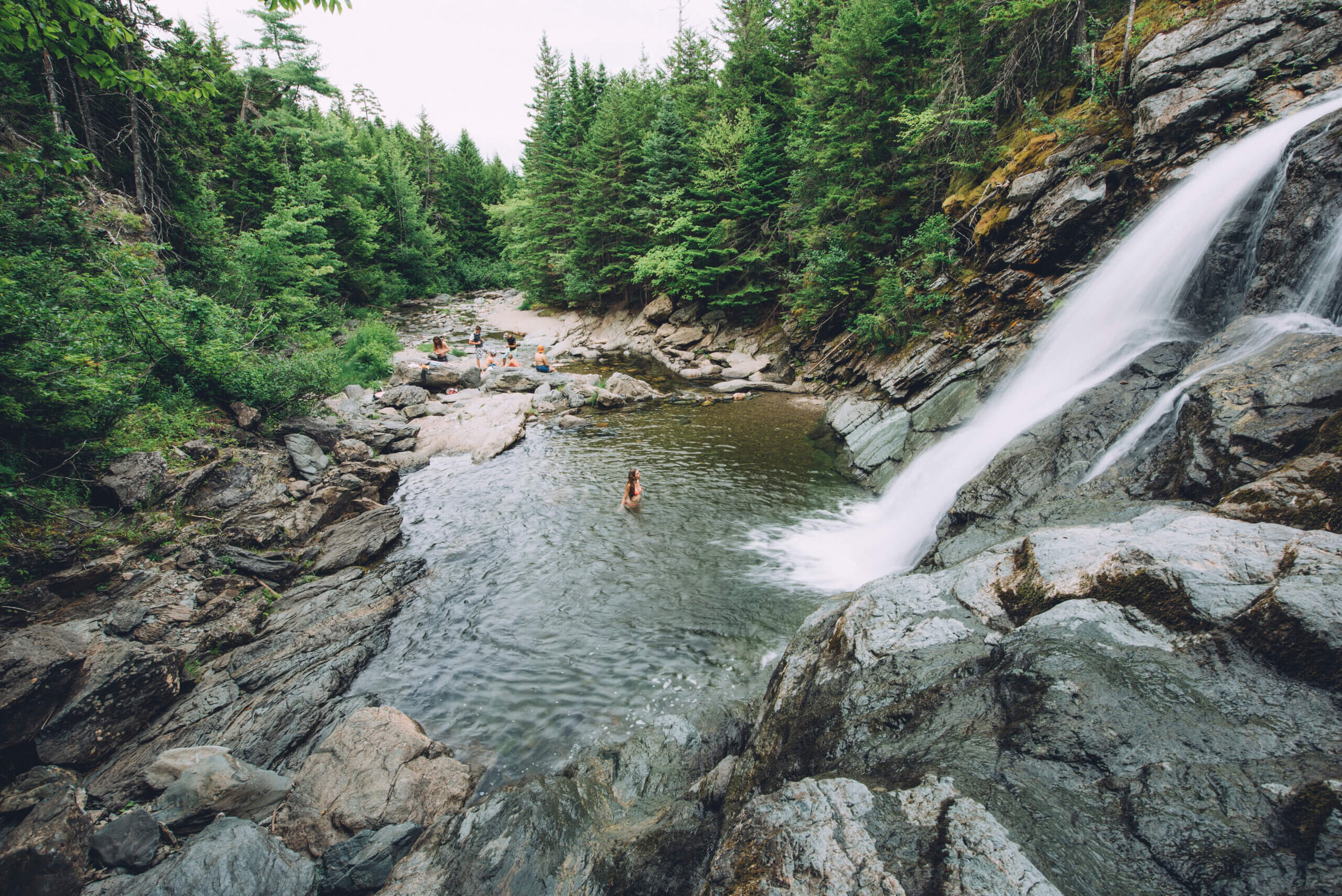
Laverty Falls. Photo c/o Tourism New Brunswick
New Brunswick offers some of Atlantic Canada’s most varied landscapes from the dramatic tides of the Bay of Fundy to quiet river valleys draped in old-growth forest. The province’s trail networks, coastal parks, and protected reserves make it easy to move between ocean and woodland, often within the same day.
Summer brings warmth to the Northumberland Strait’s beaches and long daylight hours for hiking the interior highlands. Whether you’re drawn to coastal walks, forest trails, or remote island exploration, New Brunswick rewards those who take time to wander beyond the main routes.
Five Places Worth Your Time
Each of these locations offers something distinct: tidal drama, forest quiet, island remoteness, warm saltwater, or alpine views. Use this as a starting point for planning your route:
Daly Point Nature Reserve — Gentle trails through salt marsh and woodland near Bathurst. Good for birdwatching and access to the Mi’gmaq Trail. Plan 2–3 hours, or longer for backcountry hiking.
Fundy National Park — Waterfalls, coastal forest, and the Bay of Fundy’s massive tides. Multiple trail options from easy boardwalks to ridge hikes. Best as a full-day visit; July through September.
Grand Manan Island — Remote island in the Bay of Fundy with cliffs, lighthouses, and whale watching. Requires ferry planning. Overnight stay recommended to experience the full character of the island.
Murray Beach Provincial Park — Warm-water swimming on the Northumberland Strait with family-friendly trails and amenities. Half to full day; warmest water in July and August.
Mount Carleton Provincial Park — The Maritimes’ highest peak, surrounded by wilderness. Backcountry feel with limited services. Full day minimum; best July through early September.
Keep reading as we dive a little deeper into each spot.
1. Daly Point Nature Reserve
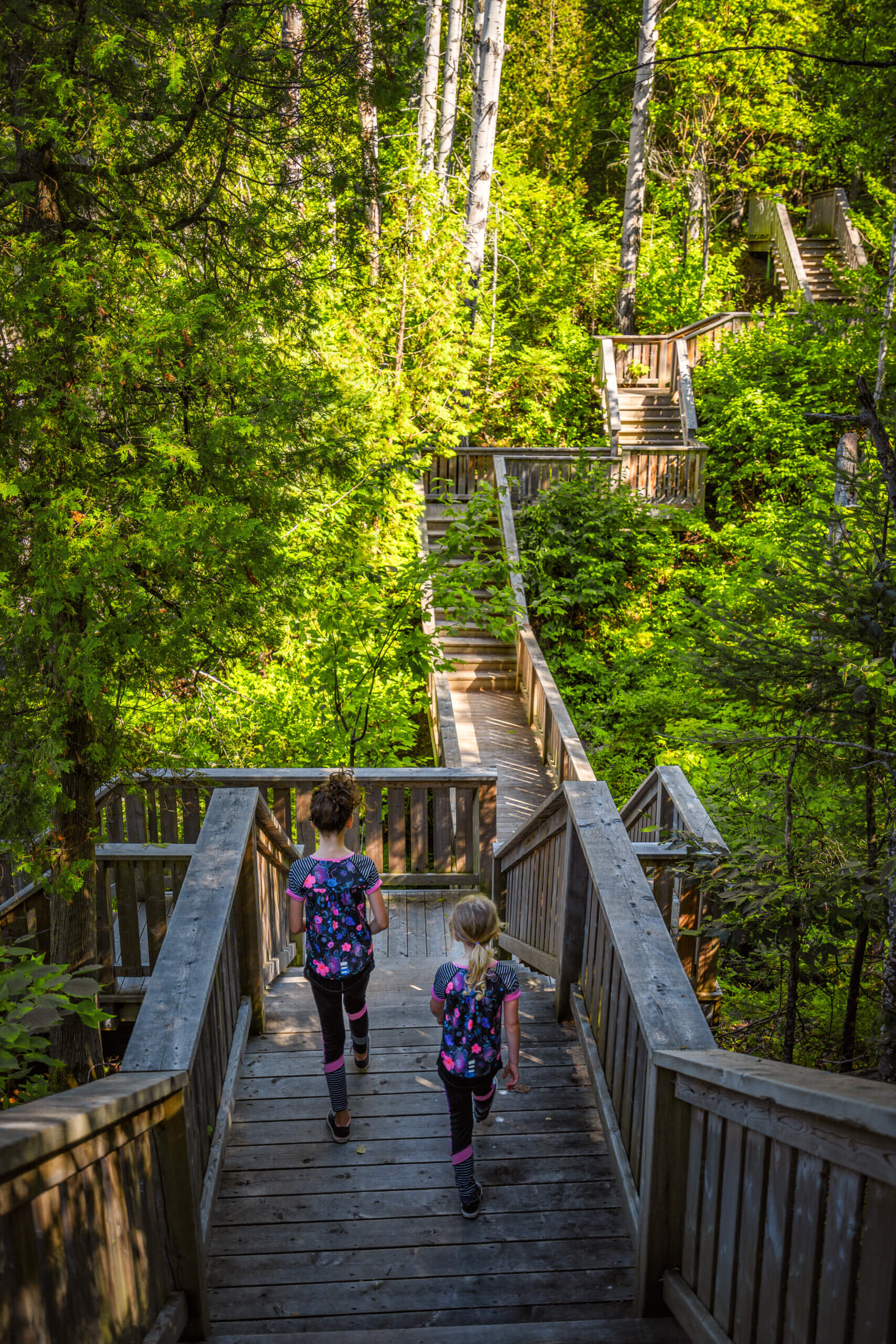
Daly Point Nature Reserve. Photo c/o Tourism New Brunswick
Just outside Bathurst, the Daly Point Nature Reserve protects 100 acres of mixed habitat where woodlands meet salt marsh. The trail network here is gentle and accessible, making it a good option for birdwatchers or families looking for a shorter outing. Interpretive panels near the entrance provide context on the area’s ecology and migratory bird patterns.
The reserve also marks the trailhead for the Sentier Nepisiguit Mi’gmaq Trail, a 150-kilometre wilderness route that follows traditional pathways from Bathurst to Mount Carleton Provincial Park. Developed in partnership with Mi’gmaq communities, the trail can be hiked in sections as day trips or tackled as a multi-day backcountry journey. Those interested in the longer route should check trail conditions and water levels before setting out, as some sections require river crossings.
Getting there: The reserve is 10 minutes from downtown Bathurst. Parking, washrooms, and trail maps are available at the entrance.
Fundy National Park
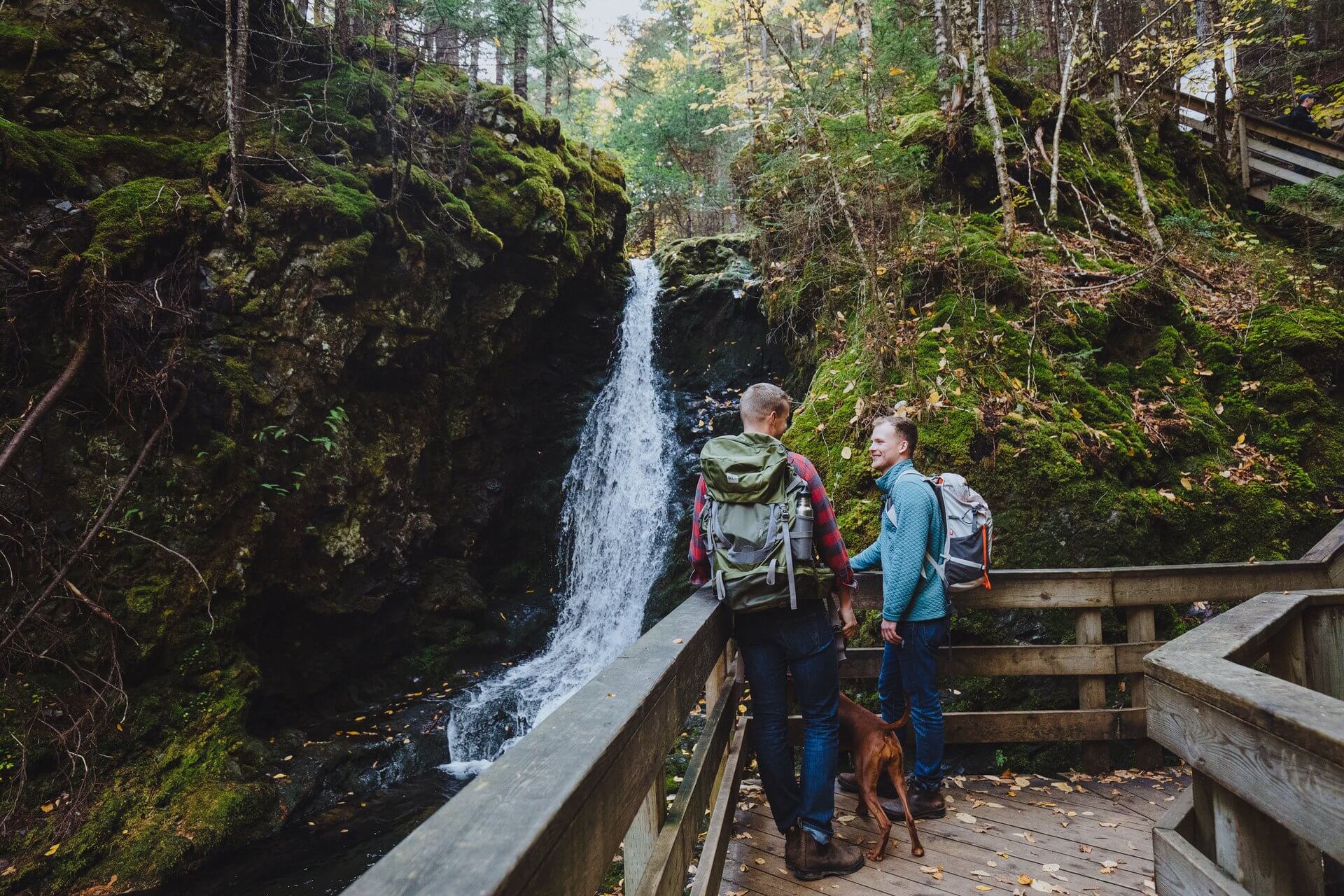
Dickson Falls Trail in Fundy National Park. Photo c/o Tourism New Brunswick
Fundy National Park sits at the meeting point of the Bay of Fundy’s massive tides and the Acadian forest that blankets much of New Brunswick’s interior. Trails here range from short boardwalk loops to full-day ridge hikes, with options for every level of experience.
For a quick introduction to the park’s character, try the Dickson Falls Trail (1.5 kilometres), which follows a boardwalk through moss-covered forest to a small cascade. The Coppermine Trail (4.4-kilometre loop) offers coastal views and access to tide pools when the water recedes. For those comfortable with longer distances, the Laverty Falls Trail (2.5 kilometres one way) leads to a swimming spot tucked into the forest.
Summer is also the season to time a coastal walk with the tides. The difference between high and low tide here can exceed 10 metres, revealing stretches of seafloor twice a day. Check tide tables at the visitor centre and plan beach walks for low tide — the exposed rock formations and tidal pools are worth the timing.
When to visit: July and August bring the warmest weather, though trails can be busy on weekends. Early September offers cooler temperatures and fewer visitors while maintaining good trail conditions.
Grand Manan Island
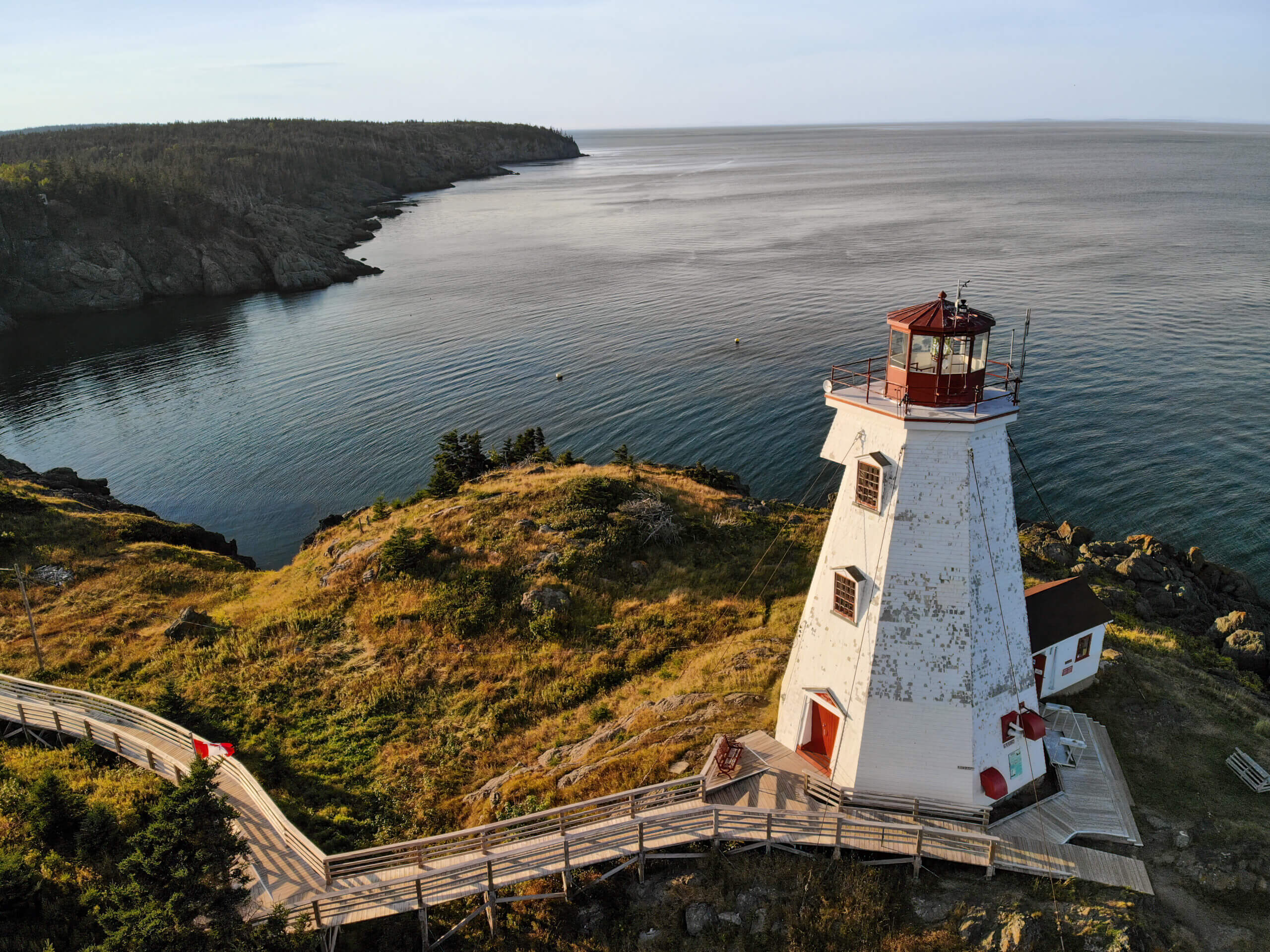
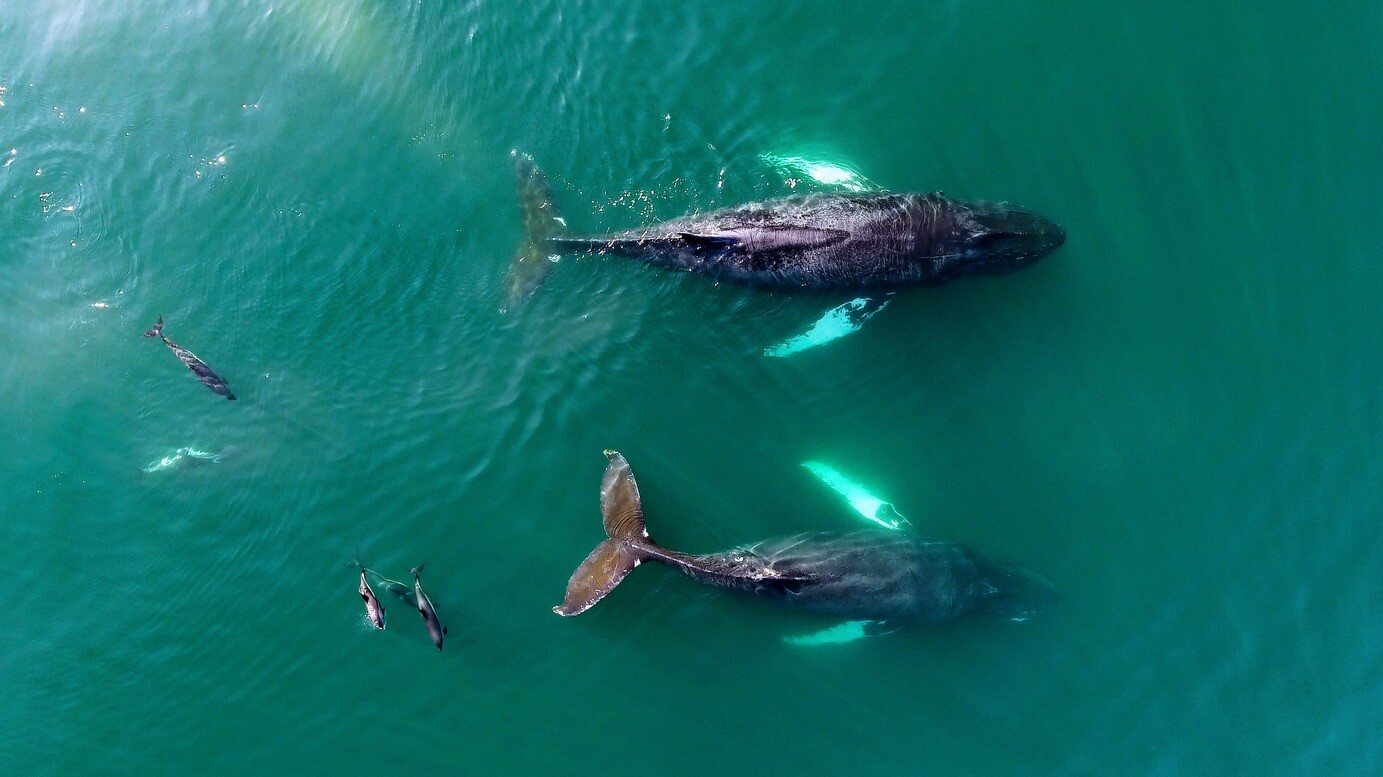
Photo by dji camera c/o Tourism New Brunswick
Grand Manan is the largest island in the Bay of Fundy, positioned where the bay opens into the Gulf of Maine. The island’s cliffs, lighthouses, and network of coastal and inland trails make it a strong choice for those willing to adjust their schedule to the ferry.
Coastal Transport operates several crossings daily from Black’s Harbour (about 45 minutes from Saint John), with the trip taking 90 minutes each way. Once on the island, you’ll find a mix of hiking trails, quiet beaches, and birding spots. The island is on the Atlantic Flyway, so spring and fall bring migrating seabirds, while summer is prime for whale watching from shore or by boat.
Accommodation note: Island lodging ranges from small inns to vacation rentals. Book ahead during July and August, as capacity is limited.
Murray Beach Provincial Park
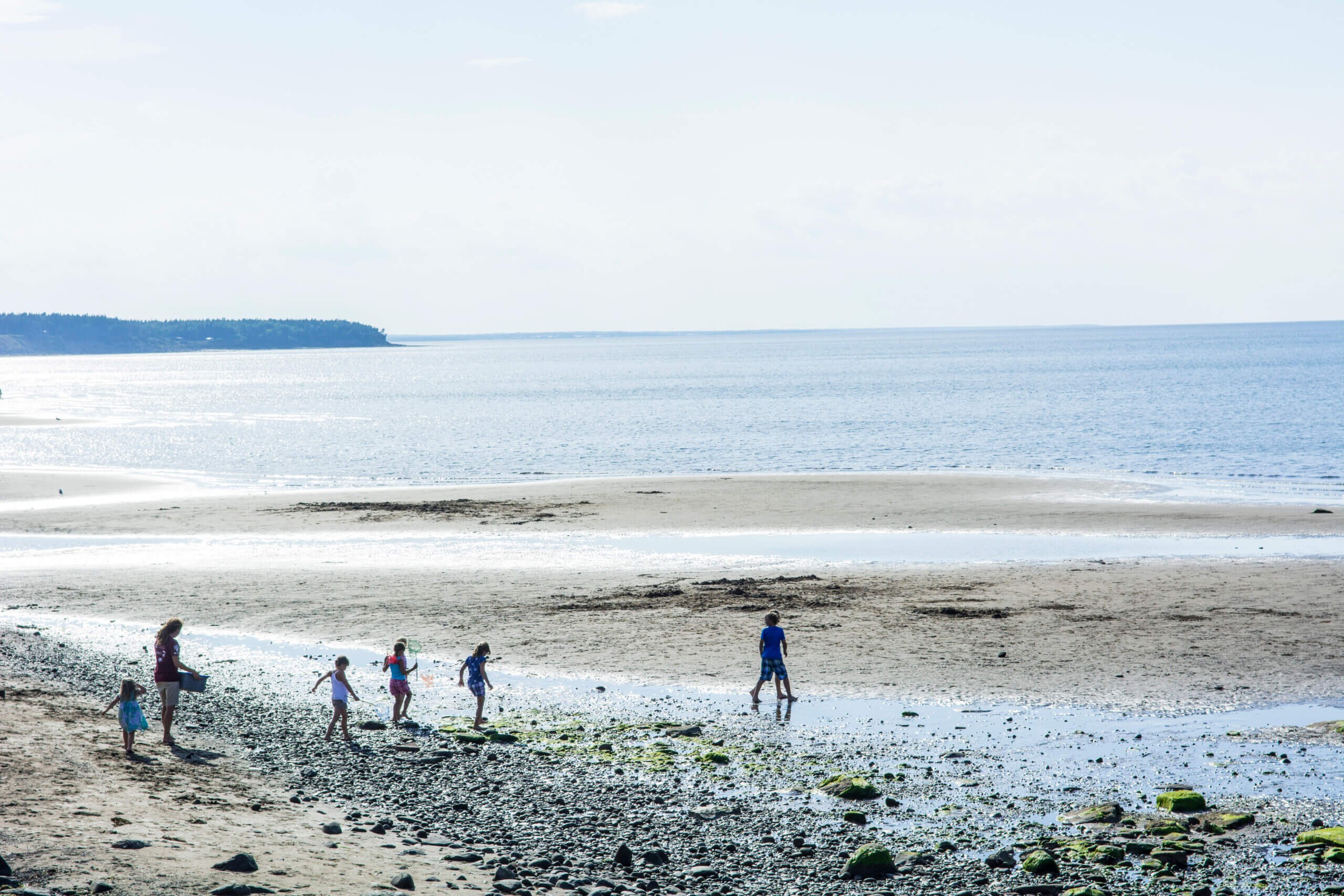
Photo c/o Tourism New Brunswick
Murray Beach Provincial Park sits on the Northumberland Strait, known for having some of the warmest saltwater north of the Carolinas. The park’s wide sandy beach and gradual shoreline make it popular with families, while the Perimeter Trail (6-kilometre loop) offers a longer walk through coastal forest and along the cliffs above the water.
Summer water temperatures can reach 18-20°C in July and August, warm enough for extended swimming. The park has change rooms, picnic areas, and a campground, making it easy to spend a full day or use as a base for exploring the region. It’s also just 10 minutes from the Confederation Bridge to Prince Edward Island, a convenient stop for those travelling between provinces.
Trail note: The Perimeter Trail is well-marked but includes some elevation gain along the cliff sections. Wear sturdy footwear and bring water, especially on warm days.
Mount Carleton Provincial Park
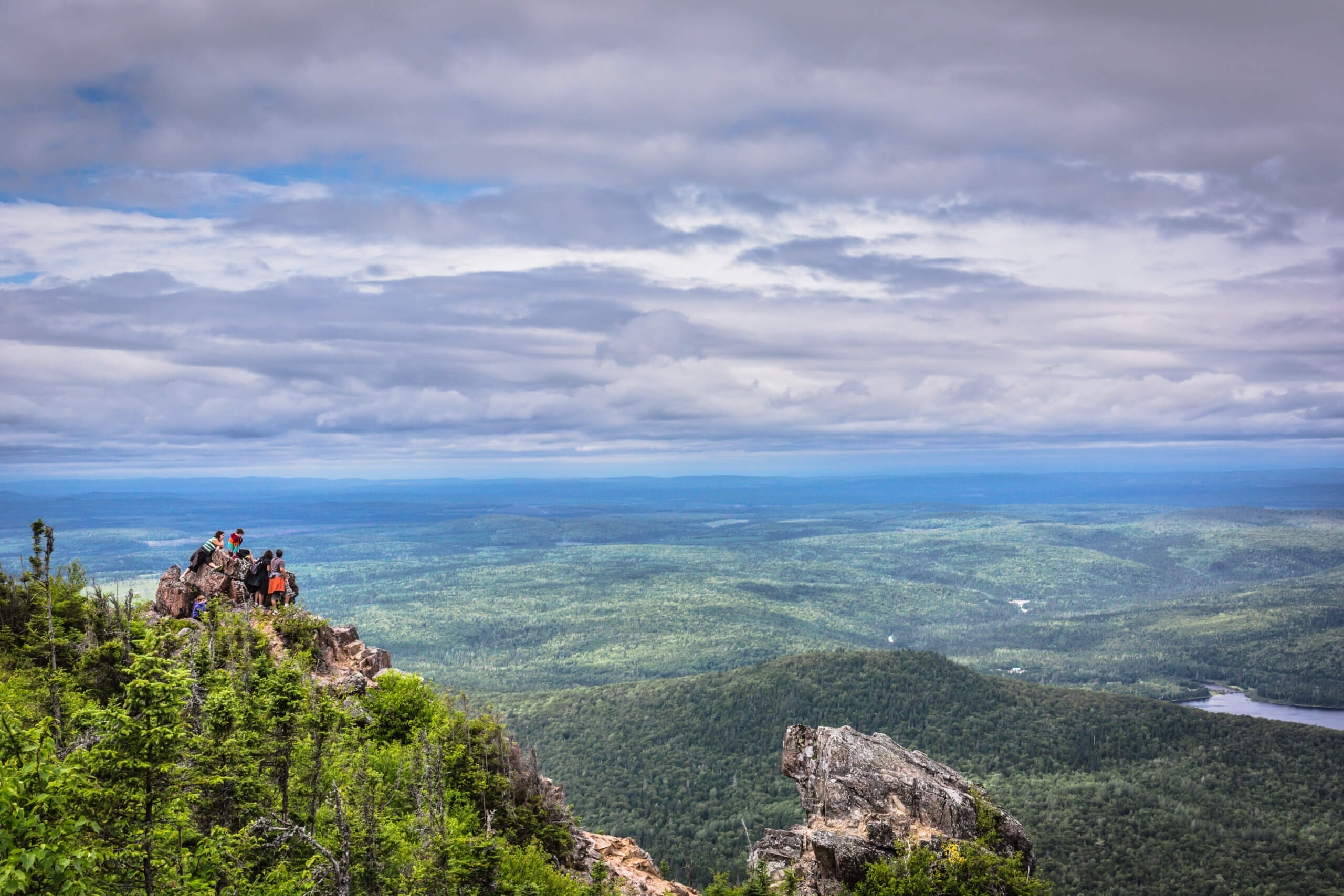
Mount Carleton. Photo c/o Tourism New Brunswick
Carleton rises to 820 metres, making it the highest peak in the Maritimes and the centrepiece of New Brunswick’s most remote provincial park. The landscape here shifts from Acadian forest at lower elevations to exposed alpine barrens near the summit, where views stretch across millions of acres of unbroken forest.
The Mount Carleton Trail (9.6-kilometre loop) is the direct route to the summit and takes about four hours round trip. The climb is steady rather than technical, but the upper section crosses open rock and can be exposed to weather. Bring layers, even in summer, as conditions change quickly at elevation.
The park also includes several lakes and backcountry campsites for those interested in overnight trips. Fishing, canoeing, and wildlife viewing are all common activities, though services within the park are limited. Plan to bring supplies from the nearest towns and be prepared for variable weather.
Access: Saint-Quentin (40km West) is the nearest town with services. Cell service is unreliable. Stop in Saint-Quentin or Campbellton to fuel up and gather any last supplies before heading into the park.
Planning Your New Brunswick Nature Trip
New Brunswick’s varied terrain means you can combine coastal and inland experiences within a single trip. Most visitors base themselves in Saint John, Fredericton, or Moncton and make day trips from there, though staying closer to the parks allows for more time on the trails and better access to sunrise or sunset conditions.
Summer weather is generally stable, with daytime temperatures ranging from 20–25°C. Rain gear is still recommended, especially in the interior highlands where afternoon showers are common. Black flies and mosquitoes peak in late spring and early summer; by mid-July, insect pressure decreases significantly.
For those interested in connecting with local guides or Indigenous-led experiences, organizations like Mi’gmawe’l Tplu’taqnn Inc. offer cultural programming and can provide context on the traditional lands and waterways you’ll be visiting. Supporting these community-led initiatives helps ensure that tourism contributes to regional stewardship and cultural preservation.
Whether you’re looking for a weekend on the coast or a week exploring the province’s backcountry, New Brunswick’s natural spaces offer quiet beauty and trails that reward patience and curiosity.
Questions About Visiting New Brunswick’s Natural Areas
When is the best time to hike in New Brunswick?
July through early September offers the most reliable weather and the least insect pressure. Black flies and mosquitoes peak in late spring and early June; by mid-July, conditions improve significantly. Early September brings cooler temperatures and fewer visitors while trails remain in good condition.
Which park is best for families with younger children?
Murray Beach Provincial Park combines warm, calm water with gentle trails and full amenities. The beach has gradual entry and lifeguards during peak season. The 6-kilometre Perimeter Trail can be walked in sections if the full loop feels too long.
Can you see the Bay of Fundy tides in summer?
Yes. There are many places throughout the Bay of Fundy that offer excellent tide viewing year-round, with differences between high and low tide up to 16 metres. Time your visit with the tide schedule (available at the visitor centre) to see exposed seafloor, tide pools, and dramatic water movement. Low tide reveals rock formations and marine life not visible at other times.
Do I need to book ferries to Grand Manan in advance?
Reservations are strongly recommended in July and August, especially if you’re bringing a vehicle. Coastal Transport operates several daily crossings from Black’s Harbour, but capacity is limited and the ferry fills quickly during summer weekends.
Is Mount Carleton accessible for beginner hikers?
The summit trail requires moderate fitness but isn’t technically difficult. The 9.6-kilometre loop takes about four hours and includes steady elevation gain. The upper section crosses exposed rock where weather can change quickly, so bring layers and check conditions before starting. If you’re comfortable with 4-hour hikes and some elevation, Mount Carleton is within reach.
Are there Indigenous-led experiences available?
Yes. Organizations like Mi’gmawe’l Tplu’taqnn Inc. offer cultural programming and can provide context on traditional lands and waterways throughout the region. The Sentier Nepisiguit Mi’gmaq Trail was developed in partnership with Mi’gmaq communities and follows traditional pathways through the interior.
Related: Best Coastal Towns to Visit in New Brunswick.
*This blog was originally published June 9, 2023. It has been edited for accuracy and consistency*