
Thinking About a Digital Detox? 5 Canadian Trips That Make it Easy to Unplug

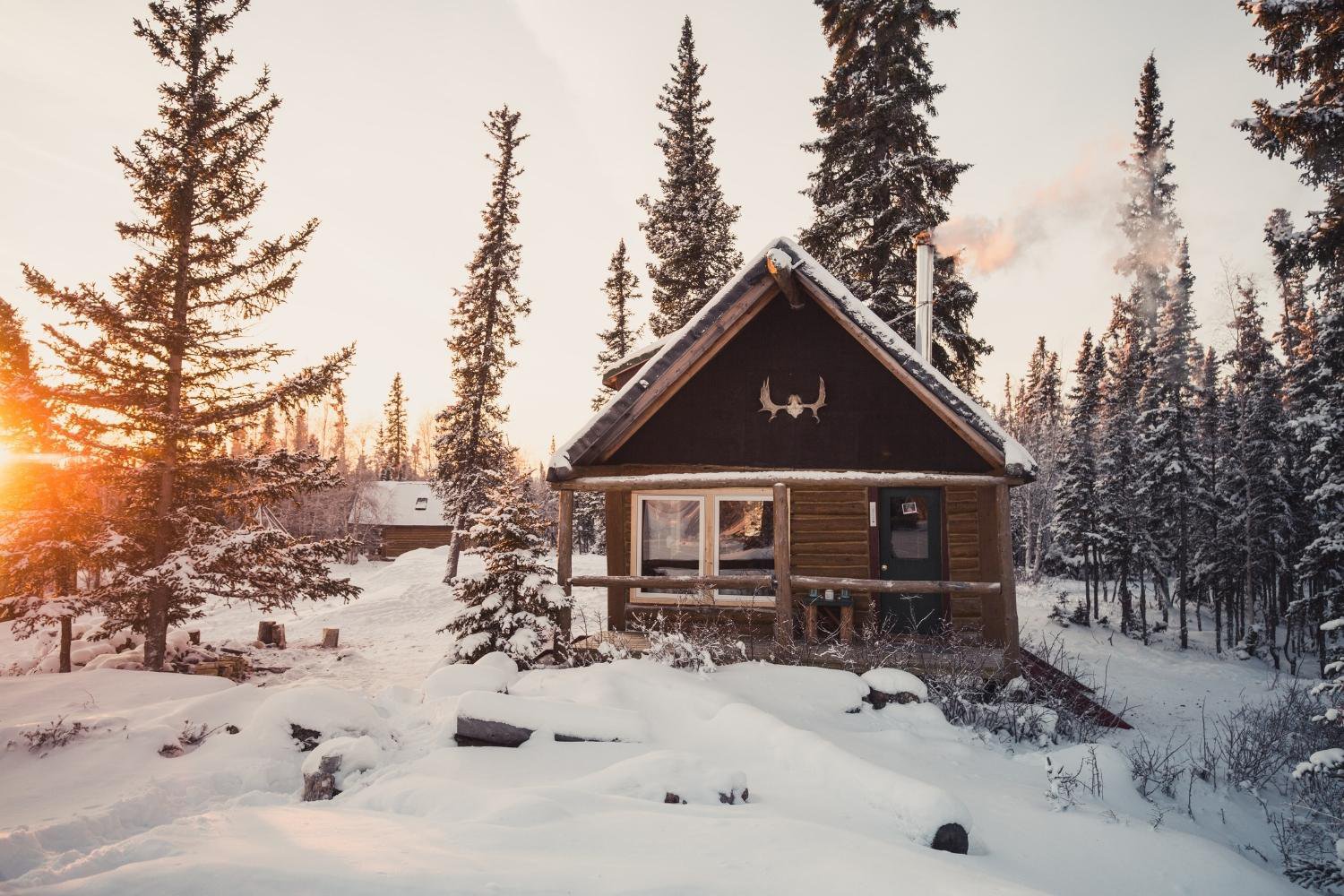
A digital detox often gets reduced to a simple image: sitting in a cabin in the woods, away from Wi-Fi, trying not to check your phone. That’s one option, but it’s not the only one.
The reset comes from changing the stimulus, not removing it. When you replace passive scrolling with experiences that demand attention, your phone becomes irrelevant. Winter travel in Canada naturally creates that shift through movement, sensory contrast, and environments that hold your focus without effort.
Below are five Canadian trips that naturally support digital downtime without forcing anything.
1. Active Immersion: Snowmobiles, Sled Dogs, and Deep Northern Terrain

Physical engagement is the most reliable way to break screen habits because it puts you in flow, not boredom. In Québec’s remote north, that looks like full days on snowmobiles or behind a team of sled dogs, moving through wild spaces that demand your focus.
Trip example:
Quebec’s Great North Snowmobile & Sled Expedition
This multi-day trip combines snowmobiling across frozen landscapes with a full day of dog sledding and nights in quiet, remote environments. You’re not sprinting through a checklist, you’re absorbed in terrain, weather, and animals that don’t care about your notifications.
2. Sensory Reset: Saunas, Geothermal Pools, and Slow Winter Rhythms

Digital overwhelm is often sensory overwhelm. Reversing it isn’t about silence, it’s about stimulus that grounds instead of scatters.
Trip example:
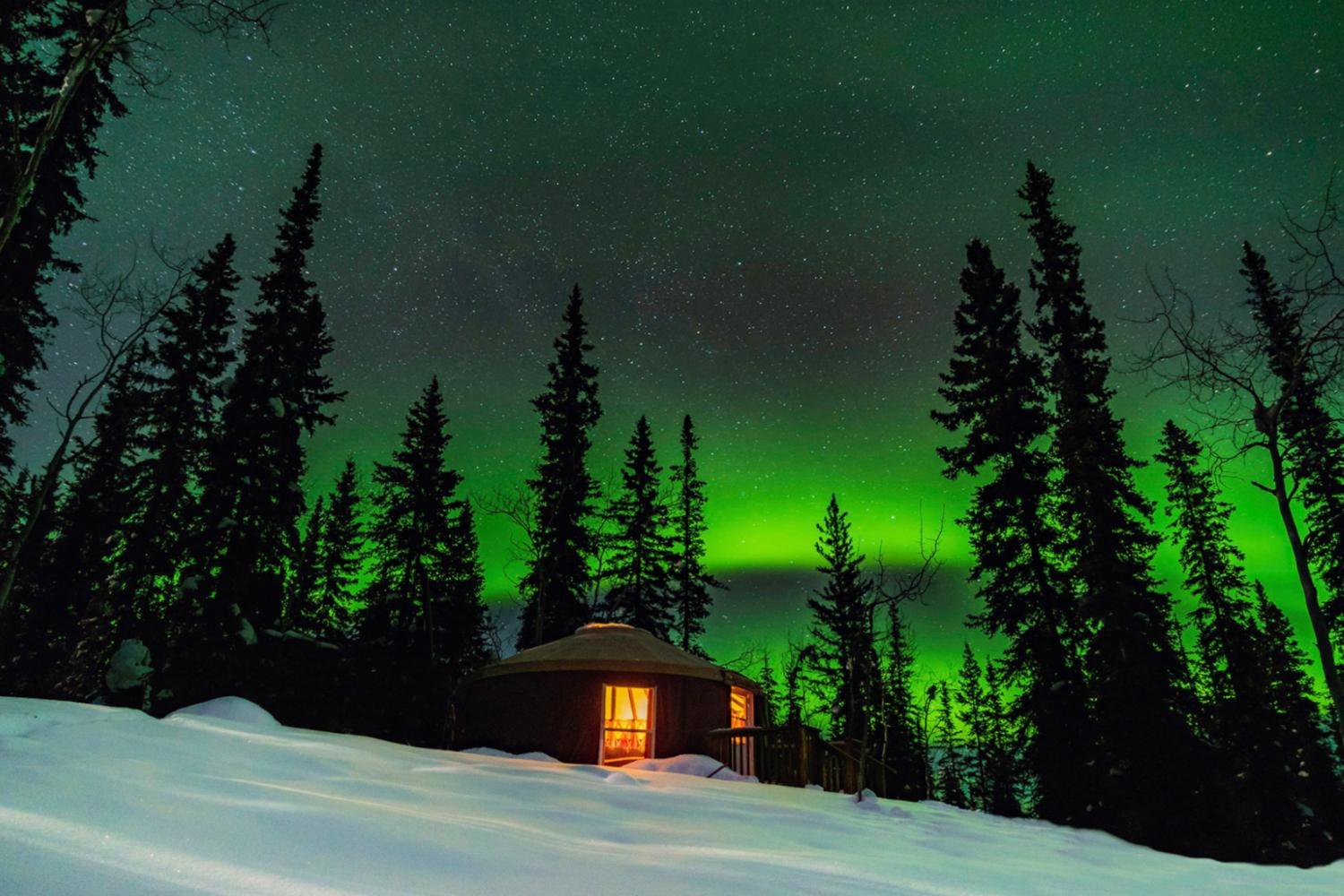
Aurora, Sauna & Hot Springs: Modern Cabin Stay in Whitehorse
Days cycle between cedar saunas, Eclipse Nordic Hot Springs, cultural stops, wildlife viewing, and quiet cabins. There’s no need to “force” a detox here — contrast does the job for you: hot/cold, light/dark, active/still.
3. Culture and novelty that reroute your attention

Screens steal attention because they’re novel. The easiest workaround is more interesting novelty.
Trip example:
Québec Winter Getaway with Hôtel de Glace
Sleeping in an ice hotel is inherently absorbing — sculpted walls, carved rooms, light installations, and the simple question of “what does a night inside ice feel like?” Paired with rail travel to Québec City and winter cultural stops, it’s a different kind of mental engagement that doesn’t need a digital layer to feel rich.
4. Remote mountain travel that rewards presence

Mountains have a way of disciplining your attention without trying. Weather changes quickly, terrain requires awareness, and the scale of it all does most of the heavy lifting.
Trip example:
Off-the-Beaten-Path in the Canadian Rockies
This isn’t a tourist-circuit Rockies trip — it’s a more exploratory journey through quieter valleys, peaks, and ridgelines. Phones become tools (for photos and navigation) rather than escape hatches.
5. Night skies and silence that reset the nervous system

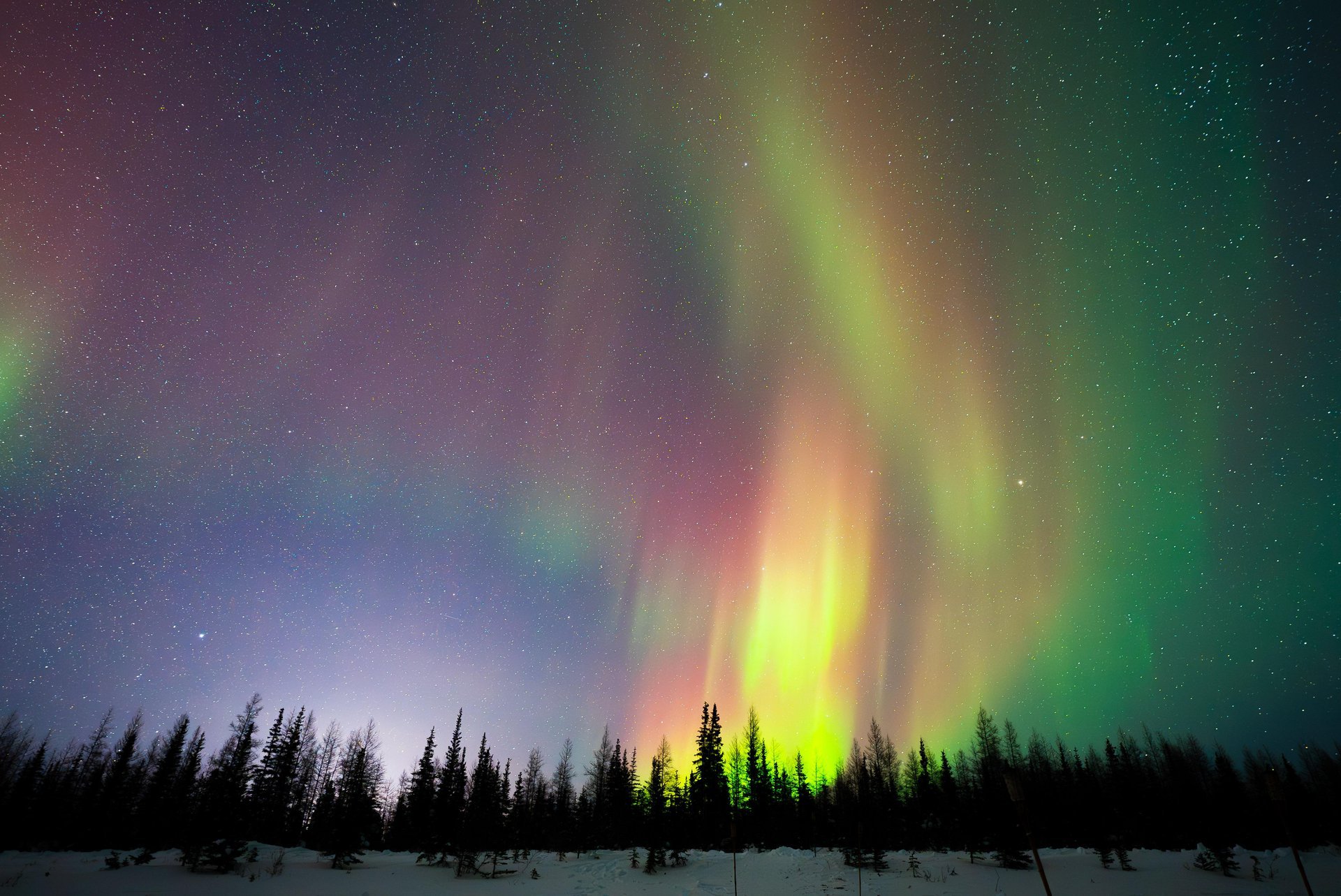
Real quiet is rare. Real darkness is even rarer. In the Yukon, both are built into daily life — especially in winter.
Trip example:
Kluane’s Winter Magic: Aurora, Snowshoeing & Serenity
Days are spent snowshoeing through Kluane’s winter landscapes, evenings are reserved for aurora viewing from a cozy EcoLodge. The rhythm is simple: move, eat, rest, look up. No curated content required.
Unplugging without retreating
The most sustainable kind of “digital detox” isn’t about restriction. It’s about depth — feeling absorbed in where you are and what you’re doing. Winter travel in Canada offers that in a way that feels effortless: less sitting, more moving; less refreshing, more noticing.
If you’re craving that kind of reset this season, winter has options. Check out our winter experiences here.