
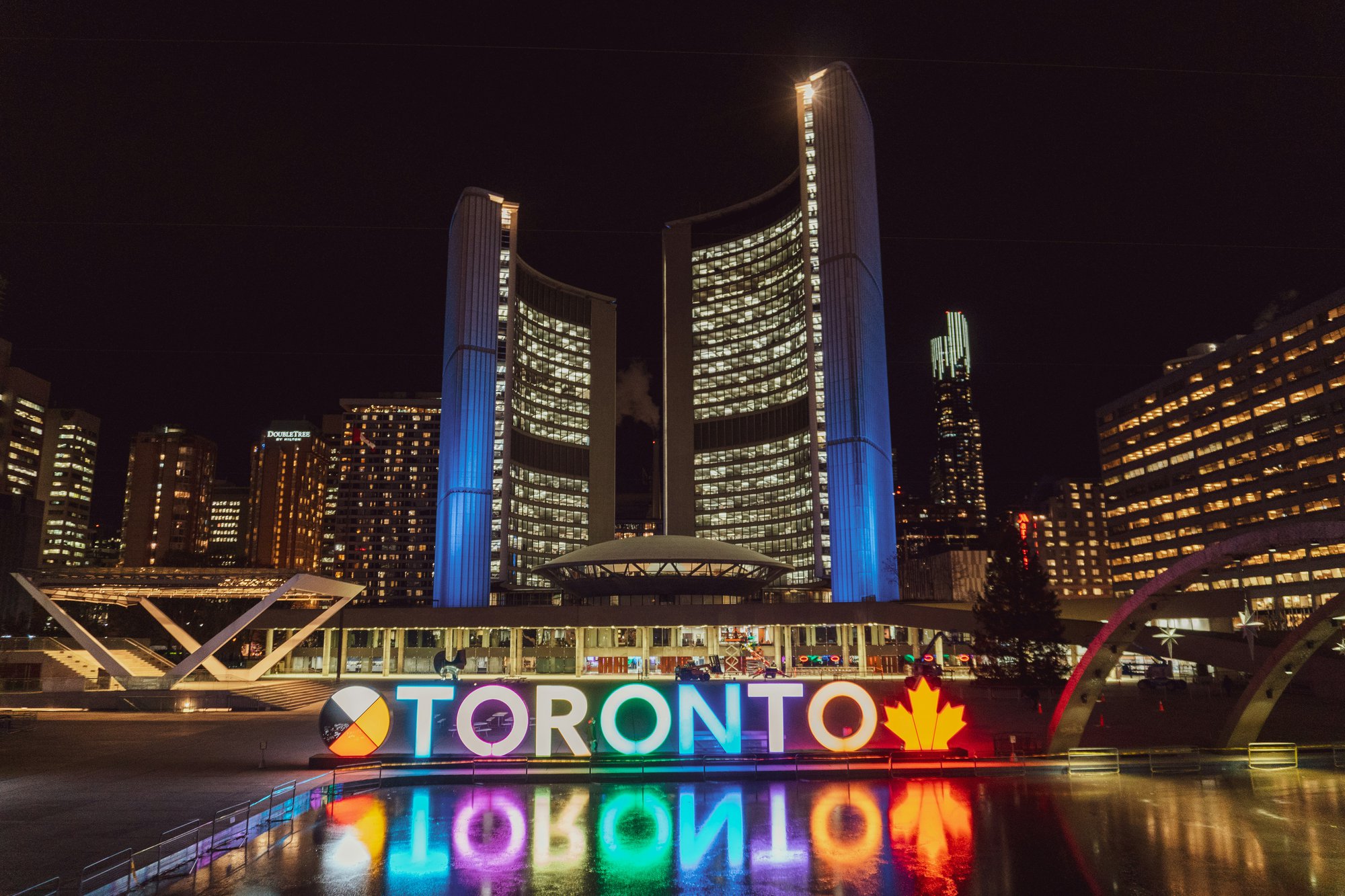

Explore Toronto During FIFA World Cup 2026

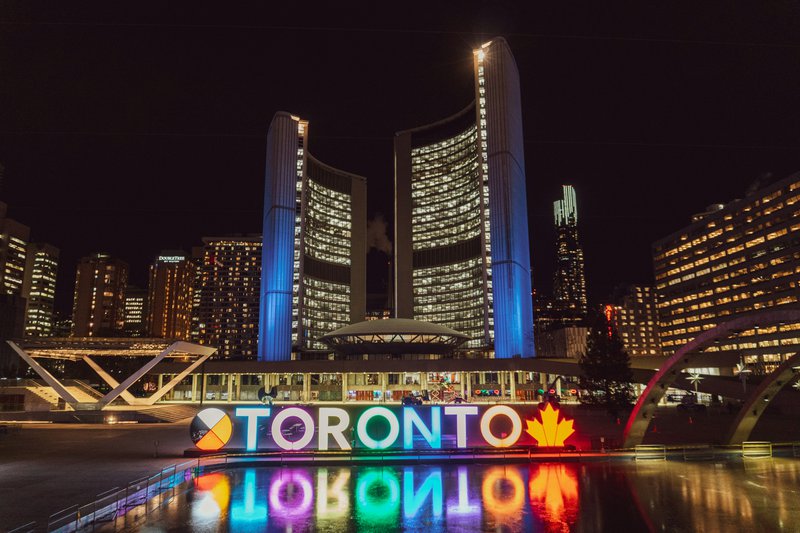
During FIFA World Cup 2026, when supporters from across the globe arrive in Toronto for matches, they'll find a city that already knows how to celebrate different cultures side by side.
People come here from every corner of the world. They bring languages, traditions, recipes, and stories that continue to shape the city today. More than half of Toronto's residents were born outside Canada, making it one of the most multicultural cities anywhere in the world.
On any given day, you can walk from a Portuguese bakery to a Tibetan restaurant, pass a Caribbean patty shop, hear half a dozen languages, and end the evening watching a football match alongside supporters whose families trace their roots to every habitable continent.
In Toronto, you can experience the world without leaving the city. Here’s how to make the most of your visit.
Start in the Neighbourhoods
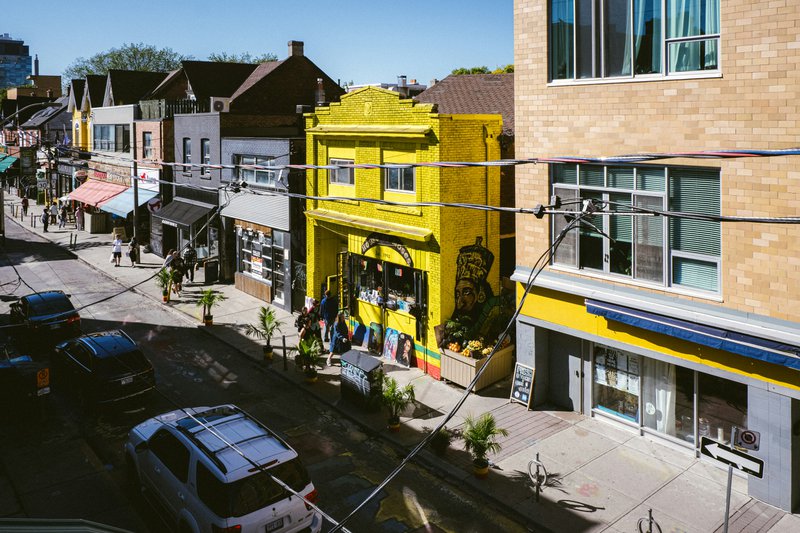
Toronto is best explored one neighbourhood at a time.
Unlike many cities where the downtown core dominates the experience, Toronto's character lives in the communities that spread out from the centre. Every neighbourhood tells a different story about the people who settled there and the cultures they brought with them.
Destination Toronto has great neighbourhood guides that can help you discover something new, but here’s a few areas you might want to visit:
Kensington Market remains one of the best places to begin. Jewish immigrants helped establish the neighbourhood in the early twentieth century, followed by Portuguese, Caribbean, Latin American, Chinese, and South Asian communities. Today, independent grocers, vintage shops, bakeries, cafés, and restaurants create one of the city's most distinctive streetscapes.
Next door, Chinatown reflects another important chapter in Toronto's history. Chinese Canadians built businesses and community institutions here despite decades of exclusionary immigration policies. Today, family-run restaurants, bakeries, herbal shops, and markets continue to make the neighbourhood one of the city's busiest cultural hubs.
For football fans, Little Portugal is a must. Along Dundas Street West, Portuguese bakeries, cafés, restaurants, and social clubs have long served as gathering places for the local community. During major international tournaments, the neighbourhood comes alive as supporters fill patios and cafés to watch matches together.
A short distance away, Little Italy offers another glimpse into the city's soccer culture. The neighbourhood has been shaped by Italian Canadians for generations, and major matches often bring crowds into the streets. Even outside tournament season, College Street remains one of Toronto's most vibrant areas for cafés, restaurants, and evening strolls.
The Distillery Historic District offers another perspective on Toronto's evolution. Once an industrial complex, it has become a pedestrian-friendly district filled with galleries, restaurants, public art, and restored Victorian architecture.
Eat the World in Toronto
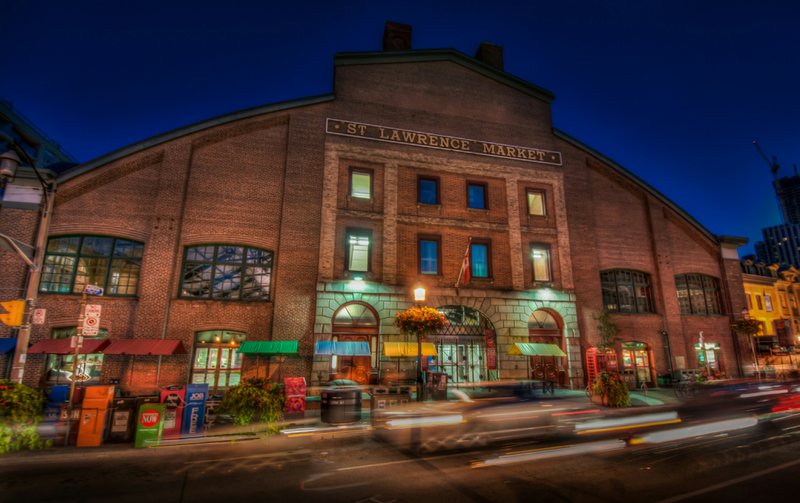
Toronto's food scene tells the story of the city better than almost anything else.
Explore the bustling restaurants and discover Caribbean flavours in Little Jamaica. Sample authentic South Asian cuisine in Scarborough, or wander through the cafés, markets, and family-run eateries that define neighbourhoods such as Greektown. Alongside these long-established communities, a new generation of chefs is reimagining Canadian cuisine through innovative tasting menus, locally sourced ingredients, and creative interpretations of global flavours.
Toronto's food culture extends well beyond its restaurants. Historic markets such as St. Lawrence Market offer everything from artisanal cheeses and fresh produce to iconic local specialties. Seasonal food festivals celebrate the city's cultural diversity throughout the year. The city is a gateway to Ontario's agricultural regions, giving chefs access to fresh ingredients from nearby farms, vineyards, orchards, and fisheries.
You could spend an entire visit exploring Toronto through its food alone and never run out of places to discover.
Spend Time by the Lake
While Toronto is often defined by its urban energy, Lake Ontario provides room to slow down.
Stretching along the shores of Lake Ontario, Toronto's waterfront offers a different perspective on Canada's largest city. Once dominated by industry and shipping, the area has evolved into a vibrant destination where parks, trails, beaches, cultural attractions, and public spaces connect visitors to the water.
A walk or bike ride along the Martin Goodman Trail reveals panoramic views of the lake, passing marinas, green spaces, and neighbourhoods that blend urban energy with a relaxed waterfront atmosphere. Along the way, visitors can stop at waterfront parks, enjoy outdoor patios, or simply watch sailboats and ferries move across the harbour.
One of the most popular ways to experience the waterfront is by taking a ferry to the Toronto Islands, a collection of car-free islands that feel worlds away from the energy of downtown.
Ferries travel regularly to the islands, where visitors can trade the noise of the city for walking paths, gardens and beaches. If you want to photograph the Toronto skyline, take the short ferry ride to Centre Island. You’ll have a great view from the waterfront beside the ferry terminal, or stroll over to Olympic Island for even nicer sightlines. Go before sunset and watch as the city slowly lights up, then take the ferry back and enjoy the nightlife in the city.
Beyond the Match
Toronto's public squares, neighbourhood pubs, restaurant patios, and cultural districts will all become gathering places during the tournament. The city is accustomed to celebrating global events, and FIFA World Cup 2026 will transform large parts of downtown into a shared festival atmosphere.
By staying a few extra days, you'll experience more than the tournament itself. You'll gain a better understanding of the communities that have shaped Toronto and continue to redefine it every day.
Toronto rewards curiosity. Wander a little farther, spend time in a neighbourhood you hadn't planned to visit, and try something new.
Beyond the City
Toronto makes an excellent base for exploring more of Ontario.
Less than two hours from downtown, visitors can stand beside the thundering waters of Niagara Falls, explore the vineyards and wineries of Niagara-on-the-Lake, or spend time cycling and tasting their way through one of Canada's most celebrated wine regions.
To the east, Prince Edward County is always worth a visit. Known for its beaches, farm-to-table restaurants, wineries, and small towns, the region has become one of Ontario's most popular destinations for food and culture. Sandbanks Provincial Park is home to some of the largest freshwater sand dunes in the world and provides a striking contrast to Toronto's urban energy. But, be warned that it does get busy. If you’d like to check it out, we recommend visiting during the week and purchasing a day pass from Ontario Parks (available three days in advance).
Those looking for a classic Canadian cottage-country experience can head north to Muskoka, where forests, rocky shorelines, and interconnected lakes have drawn travellers for generations. Summer visitors can paddle, hike, cruise historic waterways, or simply enjoy life on the dock. Algonquin Provincial Park is a big draw just east of this region.
Indigenous Experiences
Visitors interested in Indigenous experiences can also explore destinations such as Six Nations of the Grand River, home to the largest First Nations community in Canada. Here you’ll discover cultural centres, artisans, and local businesses who offer opportunities to learn more about Haudenosaunee history and contemporary culture.
For travellers looking to venture farther afield, Manitoulin Island offers an opportunity to experience Indigenous culture alongside some of Ontario's most beautiful landscapes. Home to several Anishinaabe communities, the island is known for Indigenous-owned cultural experiences, local art, traditional knowledge sharing, and community events that connect visitors with the history and living cultures of the region. Combined with its hiking trails, freshwater beaches, and scenic drives, Manitoulin makes a rewarding addition to a longer Ontario itinerary.
One of Toronto's greatest advantages during FIFA World Cup 2026 is its location. A few extra days can easily turn a city break into a broader Ontario journey, connecting visitors with everything from wine country and lakeside communities to Indigenous cultural experiences and some of Canada's most iconic landscapes.