

Where Learning Grows: The Landsby Learning Gardens at The Mabin School

At a Toronto elementary school, a small garden is doing more than growing plants. It is shaping how students understand their role in the world.
By Erika Gott, CFRE, Director of Advancement & Alumni Relations at The Mabin School
At The Mabin School, learning follows the questions and curiosities of students in an inquiry-based, emergent curriculum. In 2022, that curiosity led a group of Grade 3 students outdoors ~ and ultimately to a multi-year partnership with Landsby, a Canadian travel company.
Planting the Seeds
The story begins in 2022, when teacher Randall Brown noticed her Grade 3 class becoming curious about forests and what they could do about the wildfires they were seeing in the news.
The students rallied around the idea of funding seedlings to be planted and protected in Canadian forests, and The Mabin School became one of the first 10 schools to join Canada’s Forest Trust’s School Smart Forest Program.
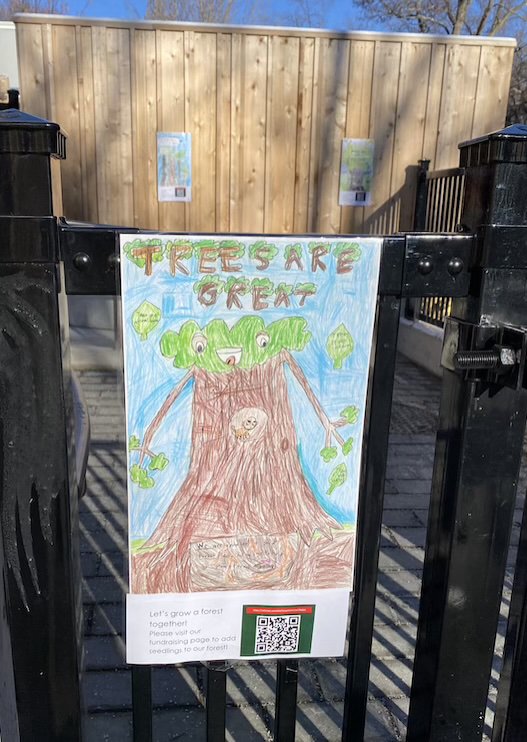
Students created posters throughout the school, inviting their community to help grow a Smart Forest. With the support of Mabin families, more than 350 seedlings were planted and protected in New Brunswick.
One of those students was the daughter of Jason Sarracini, Founder and CEO of Landsby. Inspired by her initiative, Jason connected with Canada’s Forest Trust and helped establish the Landsby Smart Forest, which has since planted 5,000 trees in the Acadian forests of New Brunswick.
Seeing firsthand how learning and changemaking can ripple outward from the classroom, Landsby and the Sarracini family committed to supporting green programs at The Mabin School that allow students to follow their interests in the natural world. The Landsby Learning Gardens were one result of that multi-year commitment.
Landsby’s support helps create and enhance green spaces, while providing access to materials, expertise, and resources so students can take part in hands-on environmental learning — from planting gardens and exploring biodiversity to testing circular systems and learning from Indigenous knowledge-keepers.
As a travel company, Landsby focuses on connecting travellers to places through meaningful, community-rooted experiences. Supporting long-term initiatives like the Landsby Learning Gardens and the Smart Forest reflects a broader commitment to sustainability, education, and the idea that small, local actions can contribute to something larger over time.
Learning Keeps Growing
At The Mabin School the following year, in 2023, Randall Brown’s new Grade 3 class got curious about pollinators. As keen changemakers, they learned how to support a rich and diverse pollinator community and why bees are important.
As one student, Max (‘27) shared, “One third of our food is pollinated by pollinators. They also pollinate cotton, which is used to make clothes!”
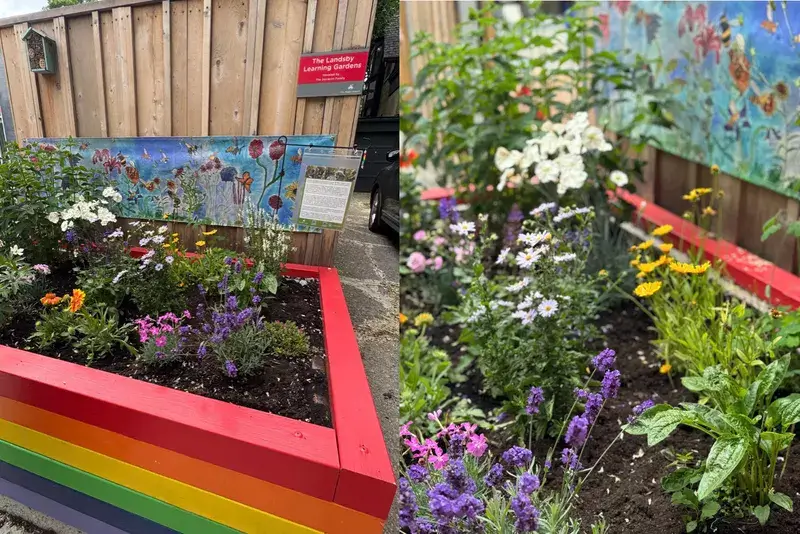
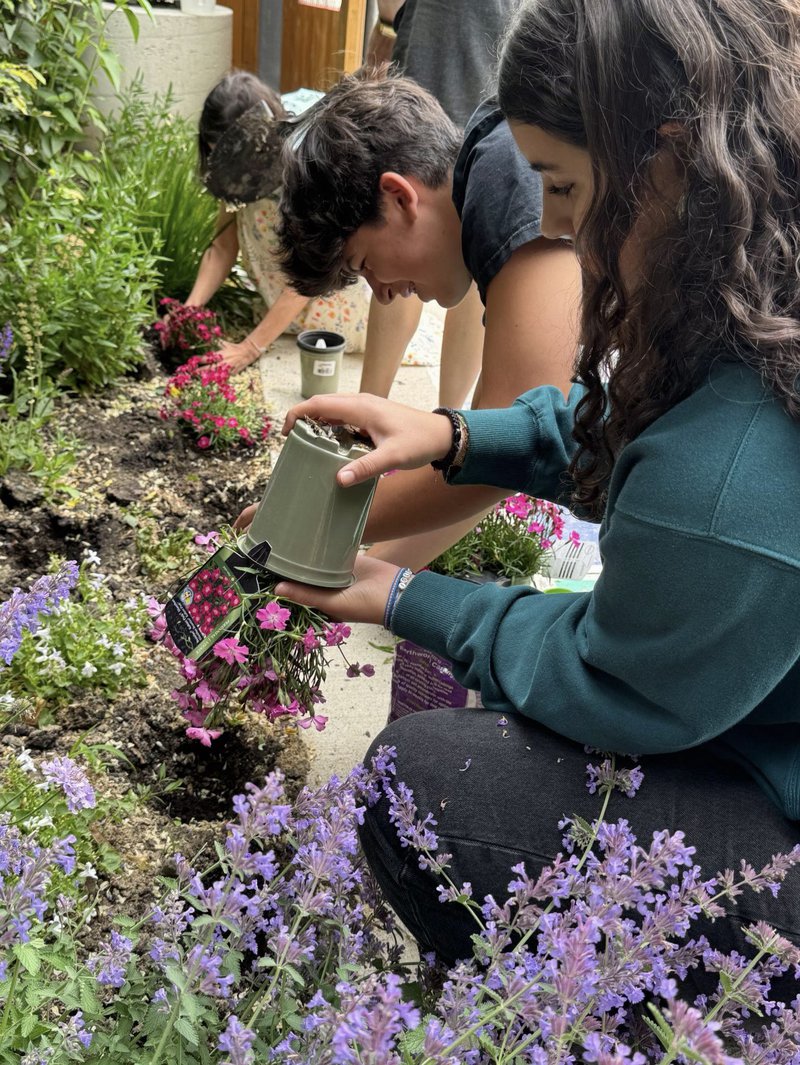
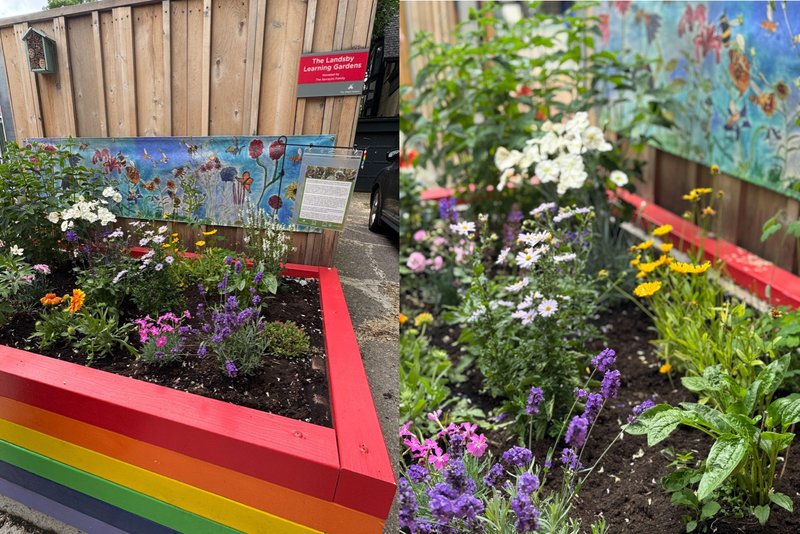
The funding provided by Landsby allowed Mabin students to enrich their inquiry by securing weekly workshops with pollinator expert, Audrey Gabay, to revitalize a street-facing garden. In collaboration with the Mabin Gardening Club, students designed, planted, and maintained the Landsby Learning Gardens as havens for local pollinators using native Ontario wildflowers like Echinacea and bee balm, prioritizing perennial flowers that would bloom from Spring to Fall and regrow each year.
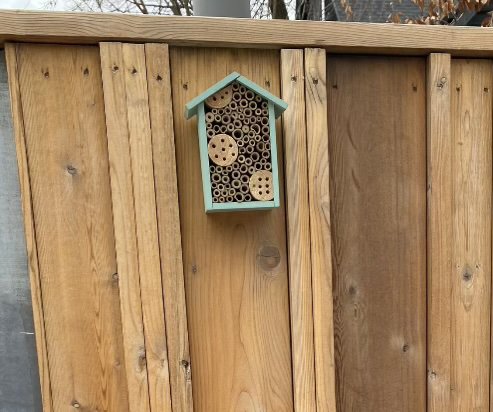
As part of their pollinator inquiry, the Grade 3 class installed a bee hotel above the Landsby Learning Gardens, to act as a safe nursery for Toronto’s solitary (sting-less!) bees.
“Yesterday [we] went to check on our bee hotel…and we saw a mud cap and a bee flying in and making one and we got a video of a bee coming in and out!” said Lolo (‘27). “That means that new bees are being made and growing up!”
This brought their lessons about how native plant gardening can support bee lifecycles to life.
In 2024, the Grade 6 students connected with the Landsby Learning Gardens as part of their Biodiversity Inquiry. Thanks to the funds available, the Grade 6s were able to welcome Dr. Doug Anderson, a Métis educator, to explore Indigenous teachings about land-based learning and environmental reciprocity.
They were also inspired by the sacred Fisher Story as told by Isaac Murdoch (Ojibwe) as they explored the interconnectedness of all living beings and the responsibility we share in caring for the land. Supported by Mabin’s STEM Teacher, Nigel Goodfellow, students assessed local environmental needs and selected plants to help restore biodiversity as part of a Biodiversity Corridor project.
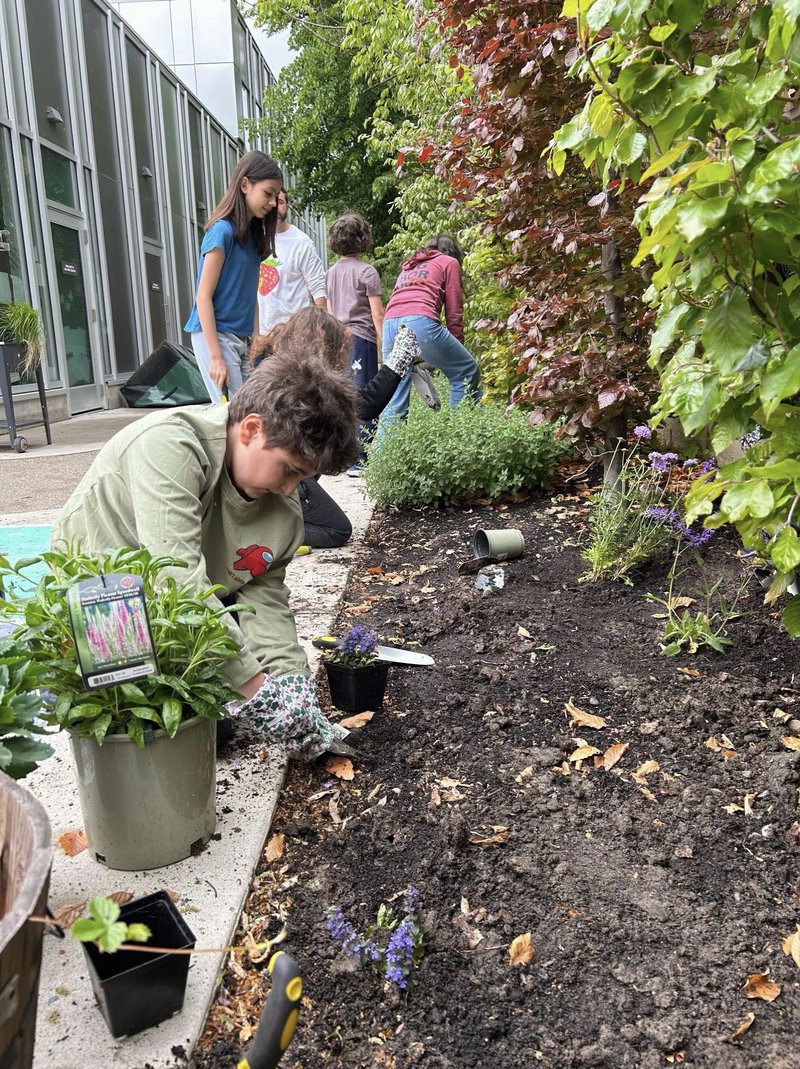
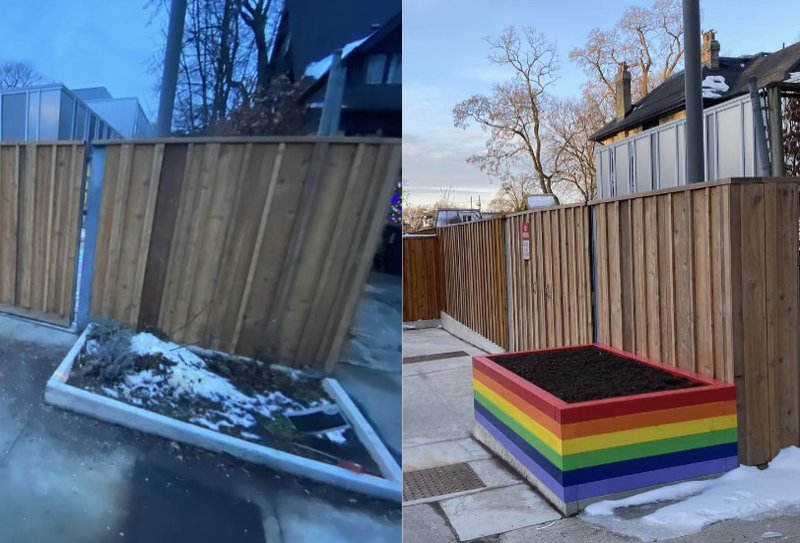
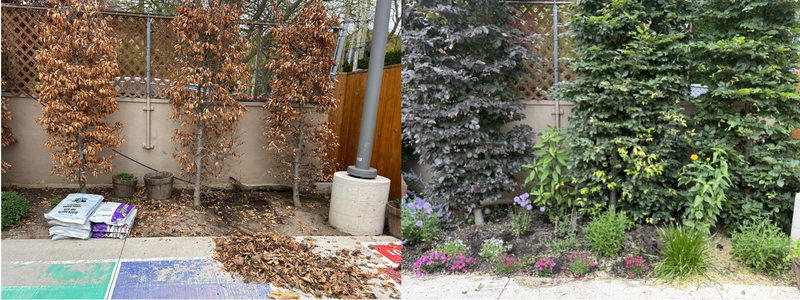
In addition, the funds made it possible to restore another garden that was damaged by winter snowstorms and purchase an in-house worm “hotel” where red wiggler worms transform daily lunch leftovers into nutrient-rich castings that feed the gardens. This complemented Mabin’s Zero-Waste Lunch initiative, allowing students to see the impact of circular systems. These programs emerged because teachers had the freedom to say “yes” when student curiosity pointed in a new direction, and the resources to make it happen.
Roots of Change
Having dedicated green programming funds has allowed The Mabin School to pursue ambitious environmental initiatives and think beyond immediate needs. In 2023-2024, the school applied for their first EcoSchools certification and was awarded Gold. The following year, with support from Landsby’s funding to tackle more projects, they achieved Platinum, the highest possible distinction. A multi-year funding commitment enables innovation and continuous improvement by encouraging teachers to consider “what more could we do this year”?
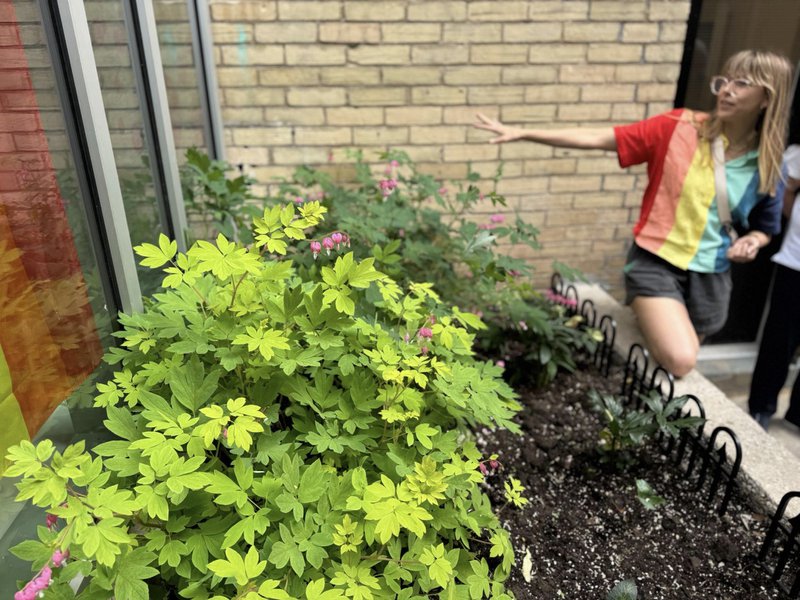
Supporting green programs teaches the explicit lessons about how plants grow, why we should care for the environment, and how to value Indigenous worldviews. But supporting their inquiries also teaches implicit lessons: your questions matter, your ideas have value, you can be a force of positive change no matter how old you are. That’s learning growing alongside the Landsby Learning Gardens at The Mabin School.