

Explore Vancouver During FIFA World Cup 2026


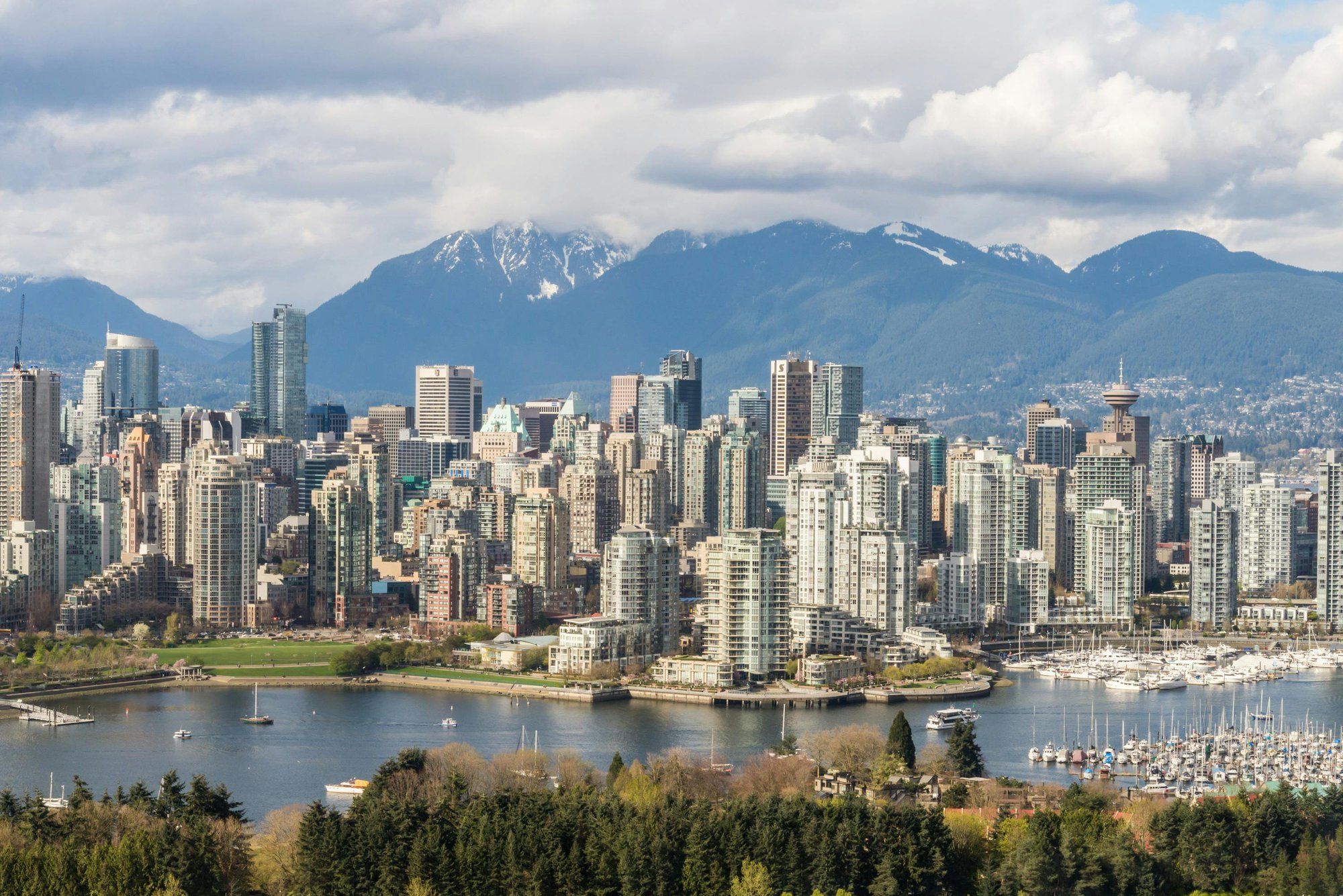
During FIFA World Cup 2026, supporters from around the world will arrive in Vancouver for matches at BC Place, but the city offers far more than the stadium itself.
Set between the Pacific Ocean and the Coast Mountains, Vancouver has long been shaped by movement through trade, migration, and the communities that settled along the coast over generations. Today, that influence is visible across the city, from Richmond’s late-night restaurants and Commercial Drive cafés to historic Chinatown streets and waterfront parks that stay busy long after sunset.
In Vancouver, you can start the morning cycling the seawall through Stanley Park, stop for dim sum in Richmond, spend the afternoon browsing independent shops along Main Street, and end the evening watching a football match beside supporters from every corner of the world.
During the tournament, the city’s public spaces, patios, neighbourhood cafés, and waterfront parks will become gathering places for visitors and locals alike. Here’s how to make the most of your time and properly explore Vancouver.
Start With the Waterfront
Vancouver’s relationship with the water shapes nearly everything about the city. Long before modern Vancouver existed, these shores and forests were part of the traditional territories of the Musqueam, Squamish, and Tsleil-Waututh Nations, whose communities and trade networks extended throughout the coast.
Today, the waterfront remains part of daily life. Stanley Park’s seawall stretches nearly nine kilometres around the peninsula, with views across Burrard Inlet, the North Shore Mountains, and the downtown skyline. Renting a bicycle near Denman Street and circling the park remains one of the best ways to experience the city.
Along the route, Brockton Point’s totem poles reflect the artistic traditions of coastal Indigenous Nations, while Prospect Point offers sweeping views across Lions Gate Bridge toward the mountains beyond.
The Museum of Anthropology at UBC houses one of Canada’s most important collections of Indigenous art and cultural works, including monumental carvings and sculptures by Haida artist Bill Reid. Visitors looking to learn more about the living cultures and histories of the coast can also explore Indigenous-owned experiences through the Indigenous Tourism BC network.
Closer to downtown, Granville Island offers a very different atmosphere. Once an industrial area filled with factories and rail yards, it was redeveloped in the 1970s into a public market and cultural district. Today, produce vendors, fishmongers, bakeries, breweries, artist studios, and waterfront patios fill the island throughout the day.
If you’re looking to explore Vancouver beyond downtown on foot, the Seawall connects many of the city’s waterfront neighbourhoods through one continuous path.
Explore Vancouver’s Historic Neighbourhoods
Gastown & Chinatown

A short walk east of downtown, Gastown and Chinatown tell two different chapters of Vancouver’s history.
Gastown grew rapidly after the arrival of the Canadian Pacific Railway in 1887 transformed Vancouver into a major Pacific port city. Victorian brick buildings and warehouse spaces from that era still line the streets today, now filled with cafés, restaurants, cocktail bars, galleries, and independent shops.
A few blocks south, Chinatown tells another chapter of the city’s history. Chinese labourers helped build the Canadian Pacific Railway in the nineteenth century before facing decades of discriminatory policies, including the Chinese Head Tax and exclusionary immigration laws.
Despite those barriers, Chinatown became one of Vancouver’s cultural and economic foundations. Family associations, herbal shops, grocers, schools, restaurants, and businesses helped establish a community that continues to shape the city today.
The Dr. Sun Yat-Sen Classical Chinese Garden remains one of the neighbourhood’s quietest spaces, while nearby bakeries, barbecue shops, and restaurants continue long culinary traditions that stretch across generations.
Visitors who want to explore Vancouver and its architectural history can also follow the city’s Heritage Walking Tours through Gastown and Chinatown.
Commercial Drive
About fifteen minutes east of downtown, Commercial Drive remains one of Vancouver’s most recognizable neighbourhoods.
Italian immigrants helped shape the area throughout the twentieth century, establishing cafés, bakeries, grocers, and social clubs that still define much of the street today. Espresso bars spill onto the sidewalks, patios stay busy late into the evening, and football matches regularly appear on televisions throughout the neighbourhood.
Over time, newer communities added their own influence. Latin American restaurants sit alongside Vietnamese pho shops, Ethiopian cafés, Japanese izakayas, and longstanding Italian institutions.
During the World Cup, Commercial Drive will likely become one of the city’s busiest places to watch a match among locals.
Richmond
About twenty minutes south of downtown on the Canada Line, Richmond has become internationally recognized for its Chinese food culture.
Large waves of immigration from Hong Kong, Taiwan, and mainland China transformed the suburb throughout the 1980s and 1990s, particularly ahead of Hong Kong’s 1997 handover. Restaurants, malls, and businesses followed, helping create one of the strongest regional Chinese dining scenes outside Asia.
Dim sum remains the obvious starting point, but Richmond extends far beyond that alone. Along Alexandra Road and No. 3 Road, visitors can move between Sichuan hotpot, Xi’an noodles, Cantonese barbecue, Taiwanese desserts, and Shanghainese soup dumplings within a few city blocks.
Summer visitors should also make time for the Richmond Night Market, where food stalls, live performances, and long evening crowds create one of the liveliest atmospheres in the region.
The city’s Dumpling Trail is another good way to explore Richmond’s regional food traditions beyond the better-known restaurants. Read more about the Dumpling Trail in our Northern Soul story.
Punjabi Market & Main Street
Along Main Street near East 49th Avenue, the Punjabi Market remains one of Vancouver’s most distinctive cultural districts.
South Asian communities established businesses here throughout the 1960s and 1970s, creating one of the first Punjabi commercial districts in North America. Today, sari boutiques, spice shops, jewellers, sweet stores, and restaurants continue to give the neighbourhood its identity.
Visitors can explore regional Indian cooking through dosas, chaat, curries, mithai, and thali plates while spending time in a neighbourhood that still feels rooted in everyday community life.
Farther north along Main Street, independent cafés, breweries, vintage shops, galleries, and restaurants have helped turn the corridor into one of Vancouver’s busiest neighbourhoods for shopping and nightlife.
Indigenous Experiences
Visitors can explore contemporary and traditional Indigenous art at the Bill Reid Gallery of Northwest Coast Art in downtown Vancouver, where exhibitions highlight both historic and emerging Indigenous artists from across the Northwest Coast.
In Stanley Park, Talaysay Tours offers Indigenous-led walking tours that share the cultural history of the land through storytelling, plant knowledge, oral histories, and Coast Salish perspectives that many visitors would otherwise miss.
Food also offers an opportunity to connect more deeply with Indigenous culture. Salmon n’ Bannock is Indigenous-owned and operated and serves dishes inspired by ingredients and culinary traditions from Nations across the country.
Visitors looking to explore farther beyond the city can also discover Indigenous-owned wildlife tours, cultural centres, lodges, and community-led experiences throughout British Columbia through the Indigenous Tourism BC network or by reaching out to our team.
Spend Time Outdoors
Even during the tournament, much of Vancouver’s daily life happens outside.
English Bay fills with swimmers and volleyball games on summer evenings. Runners and cyclists move steadily along the seawall throughout the day. Kayaks and paddleboards cross False Creek beneath the skyline, while seaplanes continue landing in Coal Harbour every few minutes.
Visitors can also take small passenger ferries across False Creek, explore Kitsilano Beach, or spend the afternoon hiking forest trails on the North Shore mountains just outside the city.
For those looking to explore Vancouver farther, the Sea-to-Sky Highway connects Vancouver with Squamish and Whistler through one of British Columbia’s most scenic coastal routes.
Experience Match Day Beyond BC Place
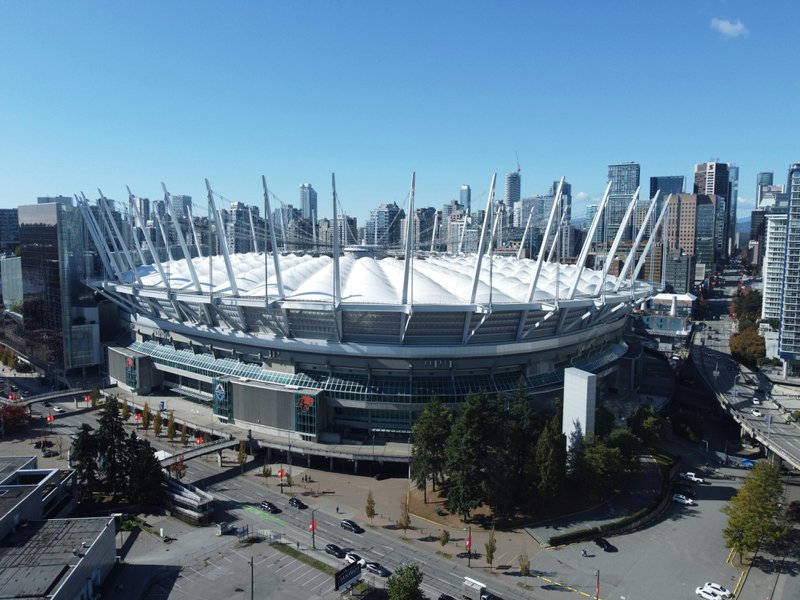
Not every World Cup memory will come from inside the stadium.
Throughout the tournament, Vancouver’s bars, patios, plazas, and public spaces will fill with supporters from around the world. Commercial Drive will likely become one of the city’s busiest football hubs, while the official FIFA Fan Festival is expected to host live screenings, concerts, and public viewing events throughout the tournament.
Visitors staying downtown can easily move around the city using Vancouver’s SkyTrain system, which connects BC Place with Richmond, Commercial Drive, Burnaby, and beyond.
Extend the Journey Beyond the City
One of Vancouver’s greatest advantages during FIFA World Cup 2026 is how quickly the landscape changes beyond the city limits.
Within an hour, visitors can be hiking North Shore trails, taking ferries toward Vancouver Island, kayaking along the coast, or driving toward mountain towns along the Sea-to-Sky corridor.
British Columbia also offers opportunities to experience Indigenous tourism beyond Vancouver itself, from cultural centres and guided wildlife tours to Indigenous-owned lodges and community-led experiences throughout the province.
For travellers looking to continue exploring after the tournament, our collection of British Columbia journeys includes coastal adventures, rail journeys, wildlife experiences, and Indigenous-led travel experiences across Western Canada.
A few extra days to explore Vancouver can easily turn into a much broader journey through British Columbia.