
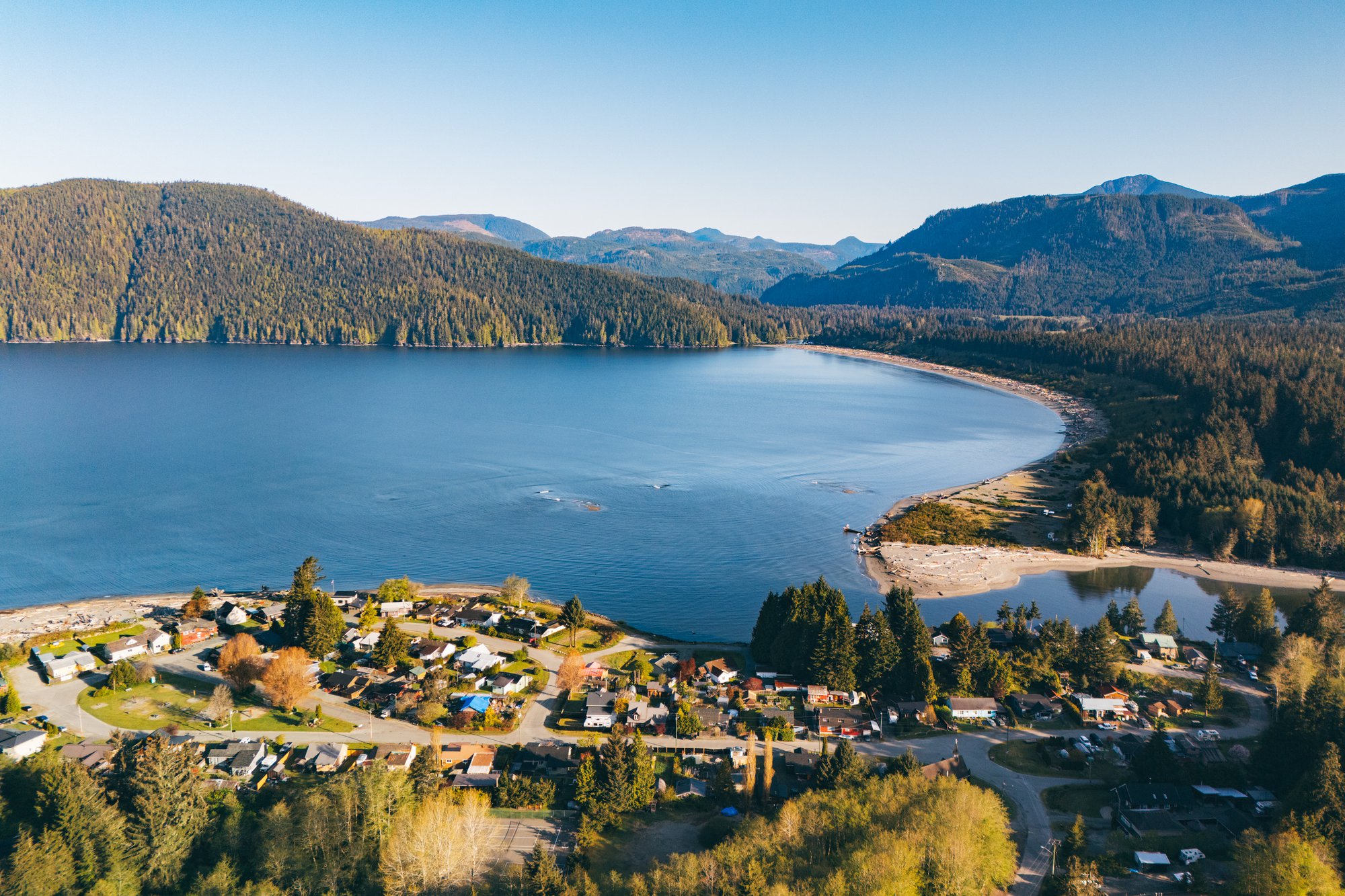

Canada’s Most Beautiful Coastlines, Lakes & Rivers

Canada is a country of natural beauty, with mountainscapes, grasslands, and vast tundra in abundance. But the country’s most defining feature is water and some of the most beautiful coastlines, lakes, and rivers.
Water surrounds us with three oceans, and fills more than two million lakes (that’s more than the rest of the world combined). It has carved valleys, canyons and coastlines over thousands of years. It has carried Indigenous Nations, fur traders, immigrants and explorers. Water feeds communities, shapes cultures, and creates some of the country’s most memorable journeys.
From rugged coastlines to quiet lakeshores, it’s hard to imagine a journey in Canada that doesn’t embrace water. Here are some of the most beautiful coastlines, lakes and rivers to explore in Canada:
British Columbia
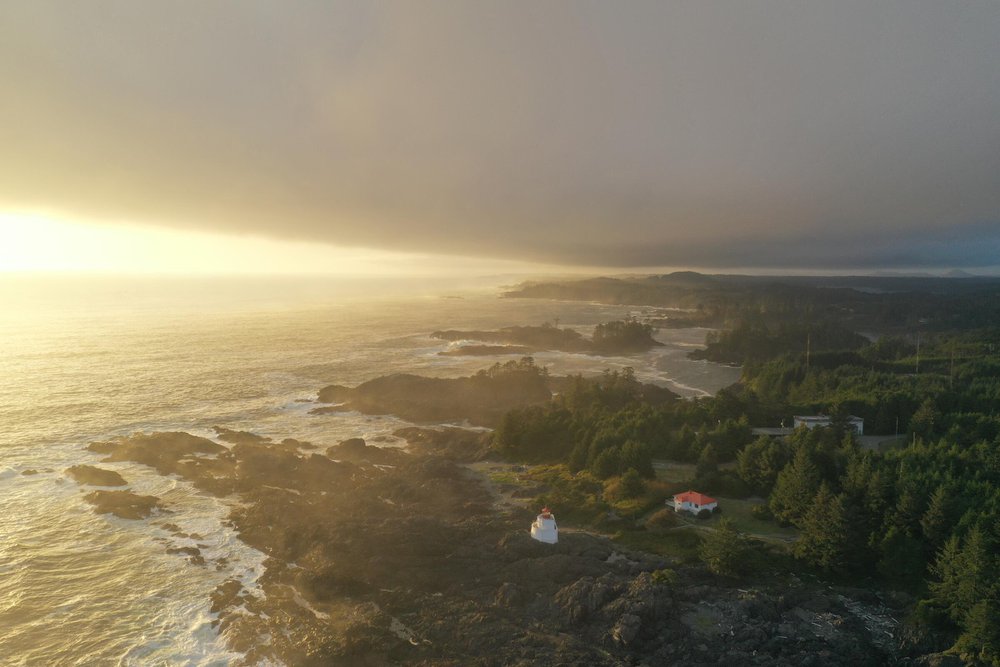
Rainforests stretch to the ocean's edge, mist clings to ancient cedar forests, and remote islands shelter wildlife found nowhere else in the country. Along Vancouver Island's west coast, powerful surf draws visitors year-round. The Inside Passage reveals a quieter world of sheltered channels, whales, sea otters and coastal First Nations communities.
Coastal British Columbia is Canada’s most biodiverse region. It is home to deep, mountainous fjords, rich estuaries, and thousands of islands, most of which remain uninhabited.
The ocean here feels both immense and deeply intimate.
Yukon
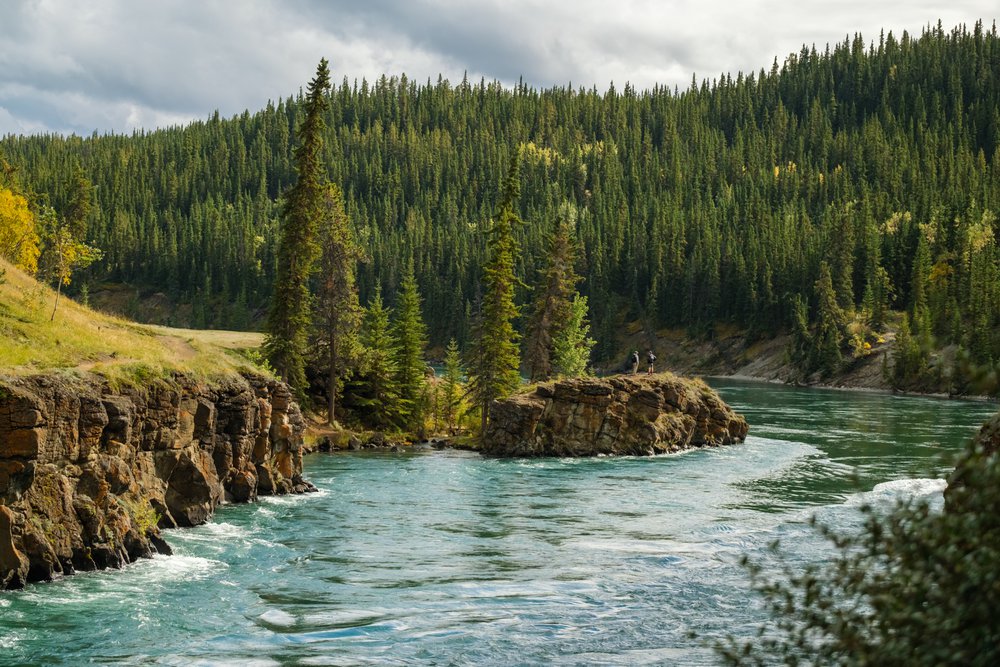
Water has always been the lifeblood of the Yukon. Long before the Klondike Gold Rush, rivers served as travel routes for Indigenous Peoples, connecting communities across a landscape shaped by glaciers and mountains.
Today, the territory's waterways still define the journey. The mighty Yukon River winds for more than 3,000 kilometres through the heart of the territory, while glacier-fed lakes reflect some of Canada's highest peaks.
Northwest Territories
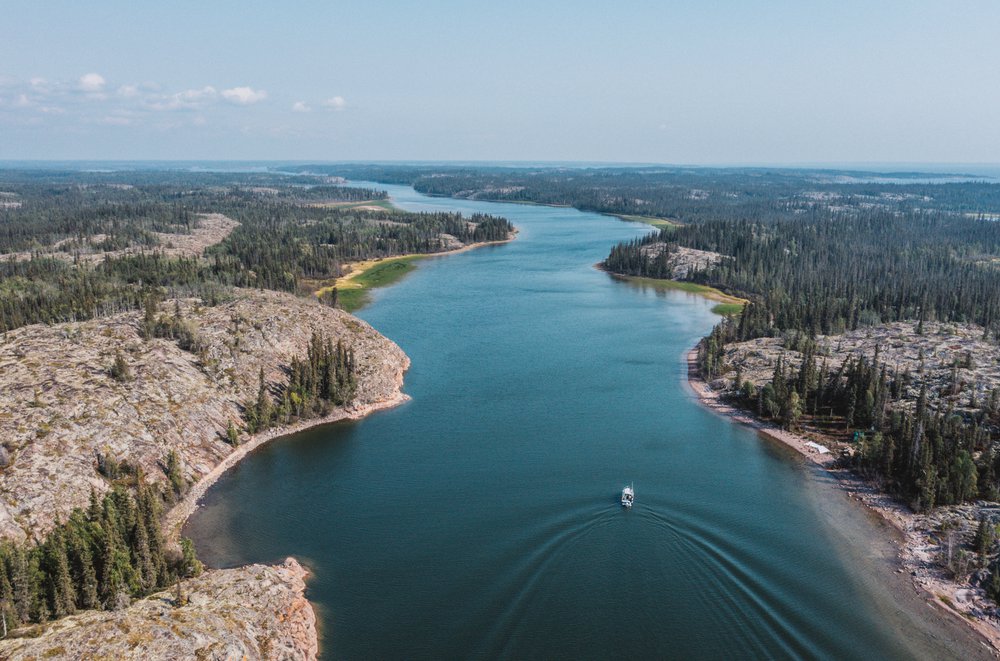
Great lakes stretch to horizons that resemble inland seas, while some of Canada's most powerful rivers carve through canyons, boreal forest and tundra on their journey to the Arctic Ocean. Protected as part of Thaidene Nëné National Park Reserve, the East Arm of Great Slave Lake is one of Canada's most spectacular freshwater landscapes. Ancient granite cliffs, crystal-clear water and hundreds of islands create a wilderness that feels both timeless and profoundly remote.
The territory is also home to some of Canada's most legendary rivers. The South Nahanni River flows through deep canyons and past towering waterfalls in Nahanni National Park Reserve, a UNESCO World Heritage Site that has become one of the world's great wilderness paddling destinations.
Alberta
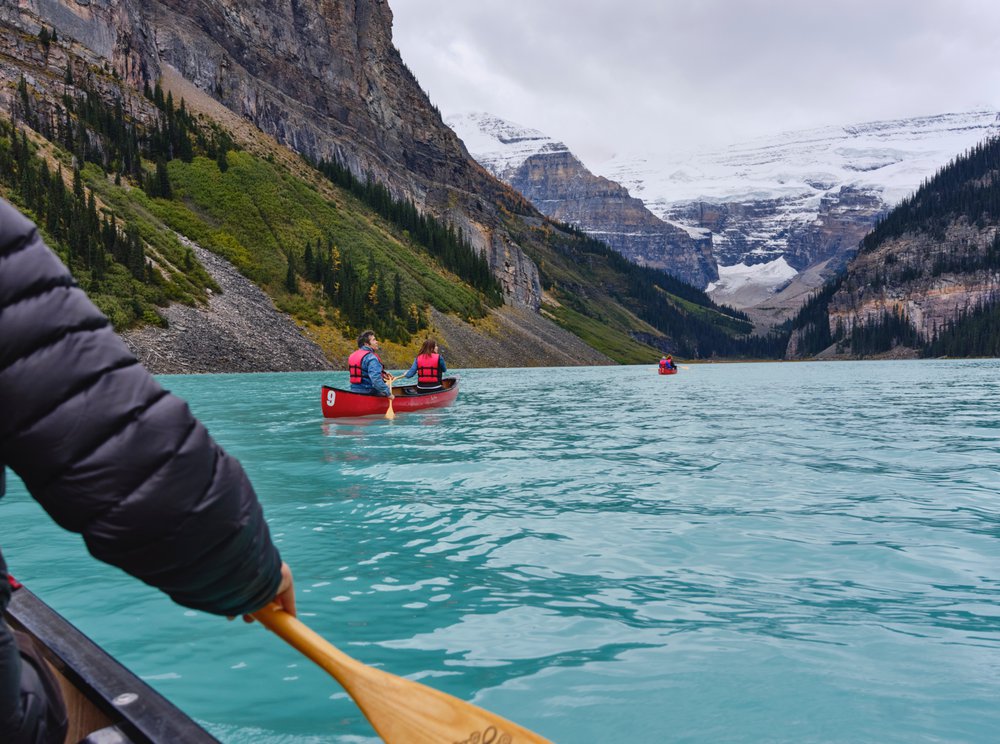
In Alberta, water begins high in the mountains. Snowfields and glaciers along the Continental Divide feed brilliant turquoise lakes before spilling into rivers that travel thousands of kilometres across the Prairies and beyond.
From the Bow and Athabasca to the North Saskatchewan, these waterways have shaped ecosystems, sustained Indigenous communities for millennia and helped define the province's history. Glacial lakes, braided rivers and thundering waterfalls reveal a landscape that is constantly in motion, reminding visitors that every great river has a beginning.
Saskatchewan
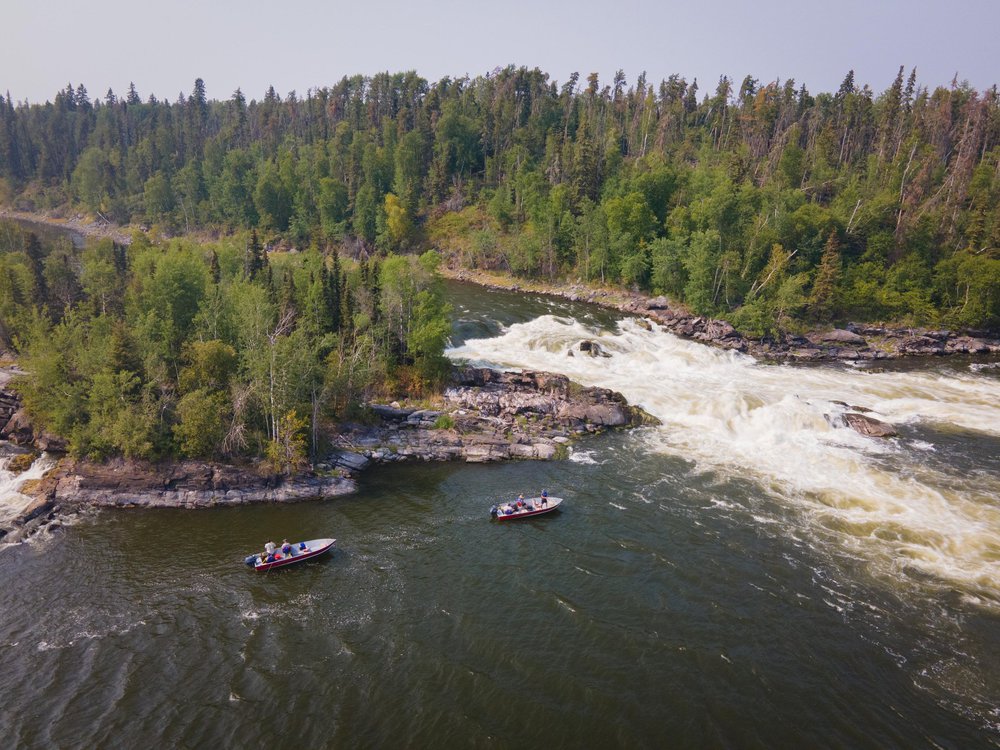
For many travellers, Saskatchewan conjures images of endless prairie. Venture north, however, and the landscape transforms into a vast network of lakes, rivers and boreal forest. With more than 100,000 lakes and countless kilometres of shoreline, water is every bit as much a part of the province's identity as its open skies.
Ancient canoe routes weave through the Canadian Shield, linking quiet bays, rocky islands and stretches of wilderness that remain largely unchanged. It's a side of Saskatchewan that surprises many visitors, and one that rewards those willing to venture beyond the familiar.
Manitoba
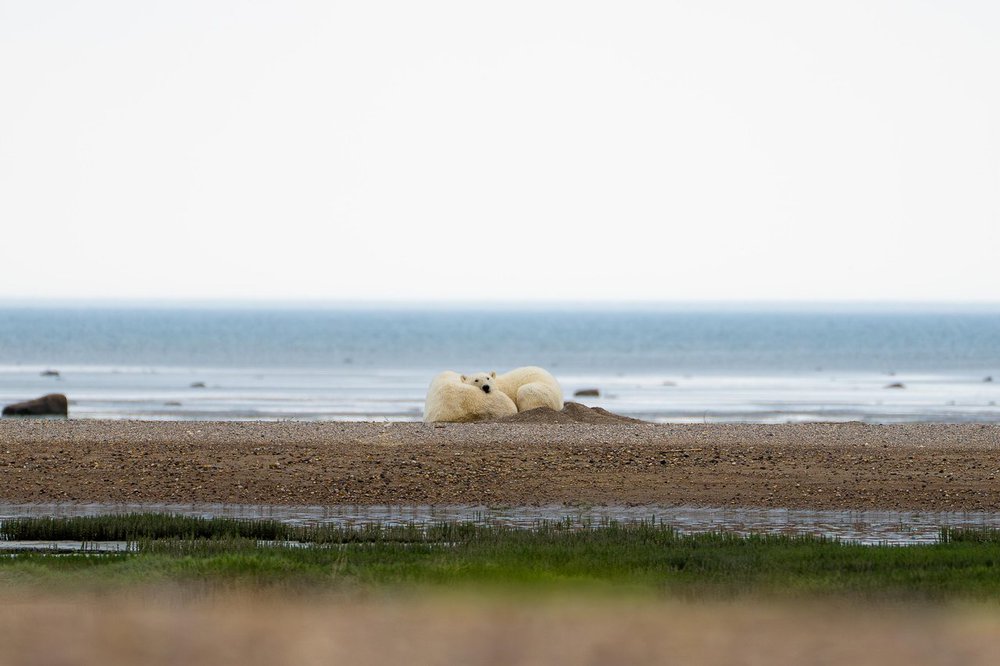
Water connects every corner of Manitoba. Great rivers flow north through the province before emptying into Hudson Bay, while vast inland lakes shape everything from prairie beaches to northern wilderness. At its northern edge, fresh water meets the sea, creating one of Canada's most remarkable wildlife habitats. From quiet days on Lake Winnipeg to the tundra coastline of Hudson Bay, Manitoba's waterways reveal landscapes that feel both expansive and unexpectedly diverse.
Where the Churchill River meets Hudson Bay, Churchill offers one of Canada's most extraordinary wildlife experiences. Visit in summer to kayak or cruise alongside thousands of beluga whales, or return in autumn when polar bears gather along the coast before the sea ice forms.
Nunavut
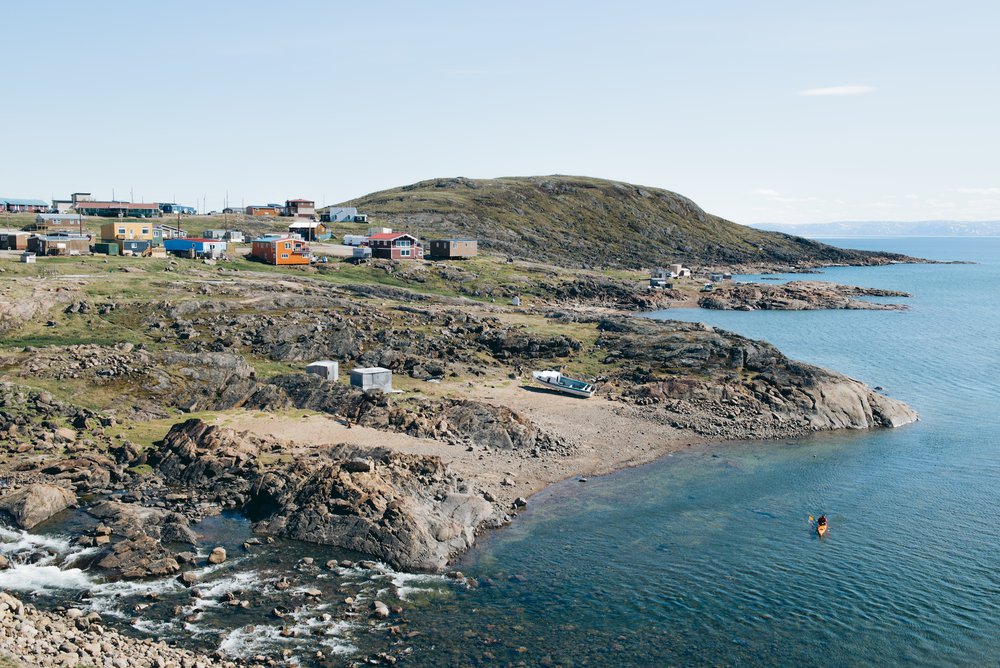
No province or territory is more defined by water than Nunavut. Its coastline stretches for tens of thousands of kilometres across the Arctic Ocean, Hudson Bay and Baffin Bay, encompassing towering fjords, drifting sea ice and islands that seem to disappear into the horizon. On Baffin Island, dramatic granite peaks rise above deep fjords carved by glaciers over thousands of years.
In summer, the waterways come alive with whales, seabirds and the midnight sun, while winter transforms the sea into a frozen highway.
Ontario
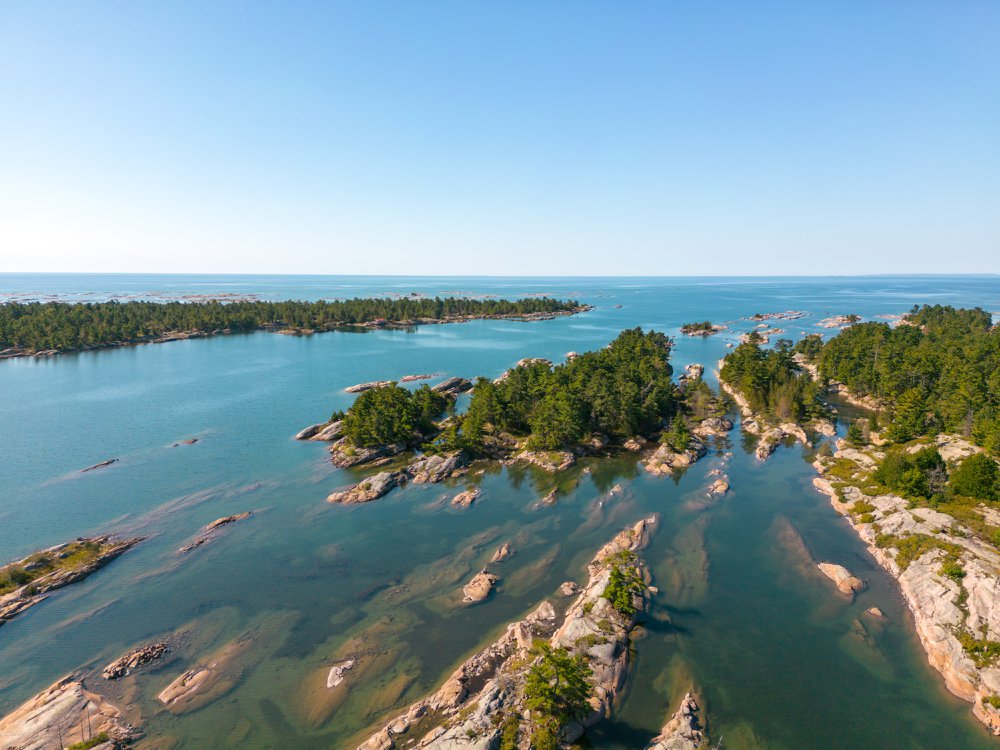
Home to four of the five Great Lakes, Ontario is shaped by freshwater on a scale few places in the world can match. Inland seas stretch beyond the horizon, while thousands of smaller lakes weave through the Canadian Shield, creating a landscape of granite cliffs, windswept pines and quiet bays.
Along the way, rivers tumble over waterfalls, carve deep valleys and connect communities from the northwest to the St. Lawrence. Whether you're drawn to wild shorelines or peaceful lakeside retreats, Ontario offers an endless variety of ways to experience the water. Georgian Bay in particular is one of Canada's defining freshwater landscapes. Paddle between windswept pines and pink granite islands, cruise the rugged shoreline or watch the sunset from the smooth rock of the Canadian Shield.
Québec
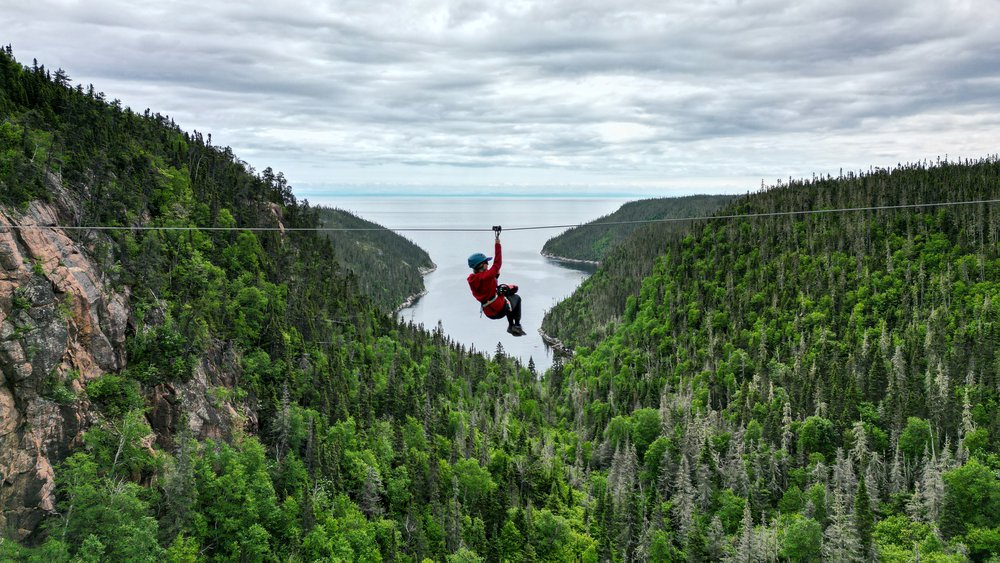
In Québec, nearly every journey is connected in some way to the St. Lawrence River. Flowing more than 1,000 kilometres through the province before widening into one of the world's largest estuaries, the river has shaped its landscapes, communities and culture for centuries.
As it flows eastward, forested hills give way to rugged shores, picturesque villages and the salty waters of the Gulf of St. Lawrence. Nowhere is its beauty more striking than in the Saguenay–St. Lawrence Marine Park, where the dramatic Saguenay Fjord meets the estuary, creating a landscape of towering cliffs, deep waters and remarkable marine life. It's a place that captures the scale and spirit of Québec's most iconic waterway.
New Brunswick
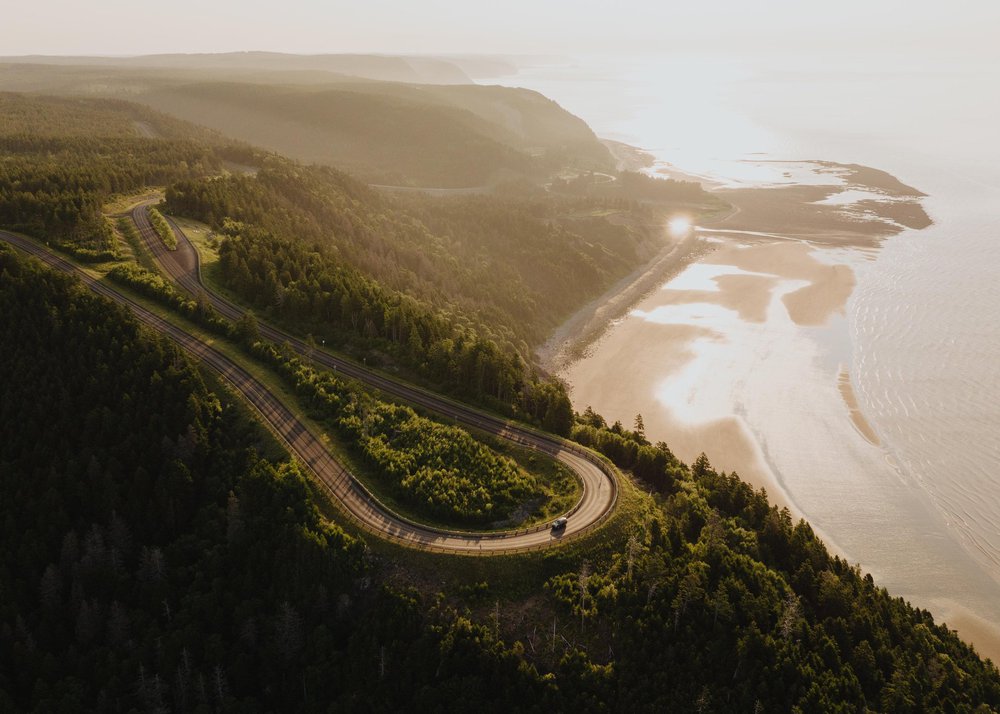
New Brunswick's coastline is defined by movement. Along the Bay of Fundy, the world's highest tides transform the landscape twice each day, revealing sea caves, rugged cliffs and stretches of ocean floor before swallowing them again beneath the sea.
Inland, rivers thread through forests and fertile valleys on their journey to the coast, creating a landscape where fresh and salt water are closely intertwined. The Fundy Trail Parkway brings it all together, tracing the rugged shoreline past dramatic lookouts, hidden beaches, waterfalls and stretches of Acadian forest that tumble toward the sea.
Nova Scotia
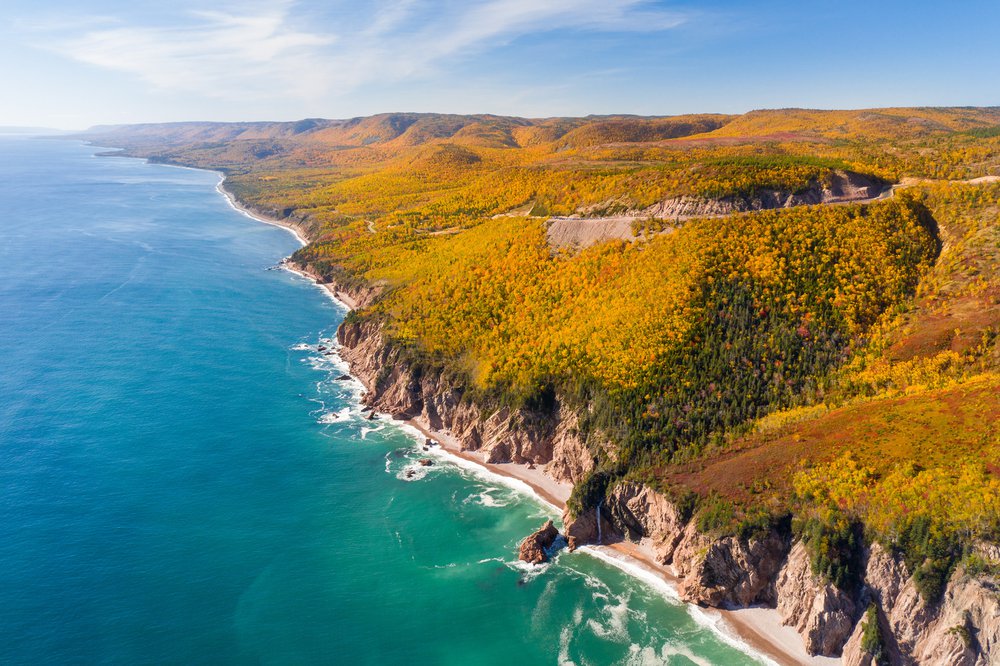
With nearly 13,000 kilometres of coastline, the ocean is never far away in Nova Scotia. Fishing villages, sandy beaches, rugged headlands and historic lighthouses tell the story of a province whose identity has long been tied to the water. Along the Bay of Fundy, the world's highest tides sculpt dramatic cliffs and sea stacks, while the South and Eastern Shores offer long stretches of sandy beaches, sheltered coves and quiet seaside communities.
The Cabot Trail brings these elements together in spectacular fashion, tracing the edge of Cape Breton Highlands where mountains meet the Gulf of St. Lawrence. It's one of the few places in Canada where every turn in the road seems to reveal a new meeting point between land and sea.
Prince Edward Island
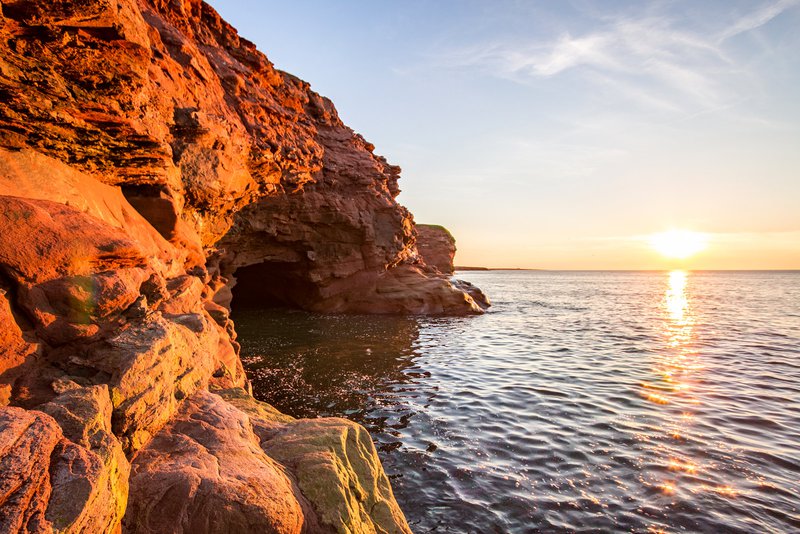
Red sandstone cliffs, wide sandy beaches and gently rolling dunes give Prince Edward Island a coastline unlike anywhere else in Canada, while warm summer waters make its beaches some of the country's most inviting. Inland, rivers and estuaries wind through salt marshes and farmland before meeting the sea, creating rich coastal habitats and ever-changing tidal landscapes.
On the island's north shore, Prince Edward Island National Park protects some of its most iconic scenery, from the striking red cliffs of Cavendish to the towering dunes and floating boardwalk at Greenwich.
Newfoundland and Labrador
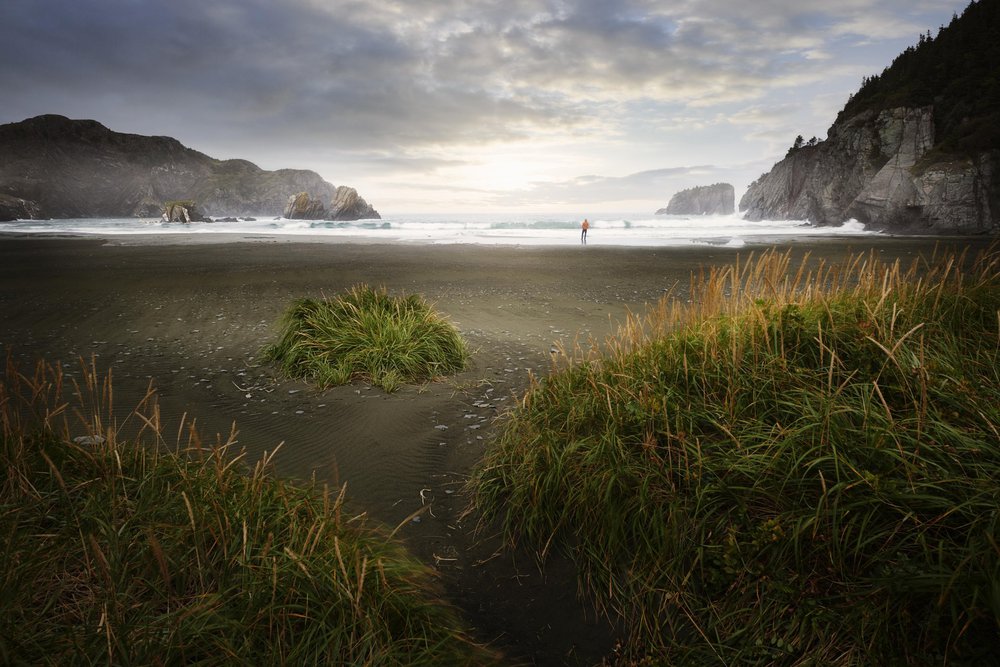
Icebergs, whales and towering cliffs are all part of the same season in Newfoundland and Labrador. Along a coastline stretching more than 29,000 kilometres, the Atlantic has shaped dramatic fjords, rugged headlands and countless sheltered coves where colourful outports have looked to the sea for generations.
In spring and early summer, icebergs drift south through Iceberg Alley as humpback whales arrive to feed in the same cold waters, creating one of the world's great wildlife spectacles. Inland, Gros Morne National Park reveals another story of water, where the freshwater fjord of Western Brook Pond cuts deep into ancient mountains.
Across Canada, water is more than a backdrop. It shapes the places we visit, the experiences we remember and the stories that stay with us long after we've returned home.