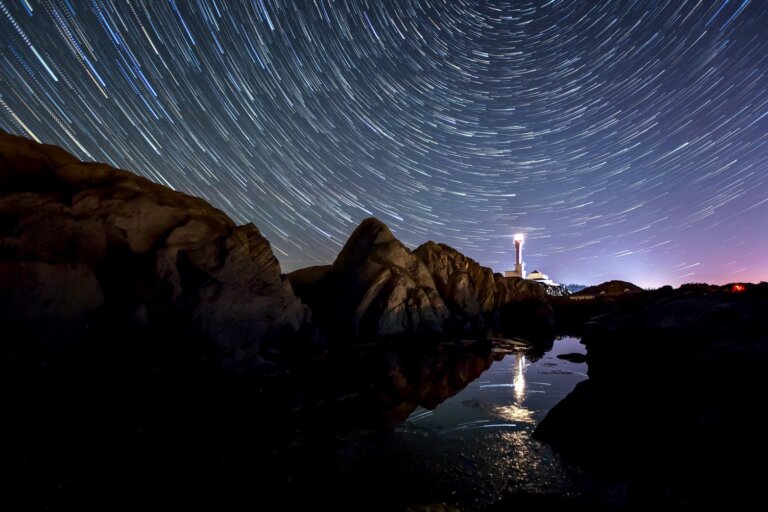
Labrador

After Dark in Atlantic Canada: Where to Stargaze in Each Province
Dark-Sky Preserves across three provinces, plus PEI’s open beaches: where to see Atlantic Canada’s night sky and how to plan for it.


Dark-Sky Preserves across three provinces, plus PEI’s open beaches: where to see Atlantic Canada’s night sky and how to plan for it.
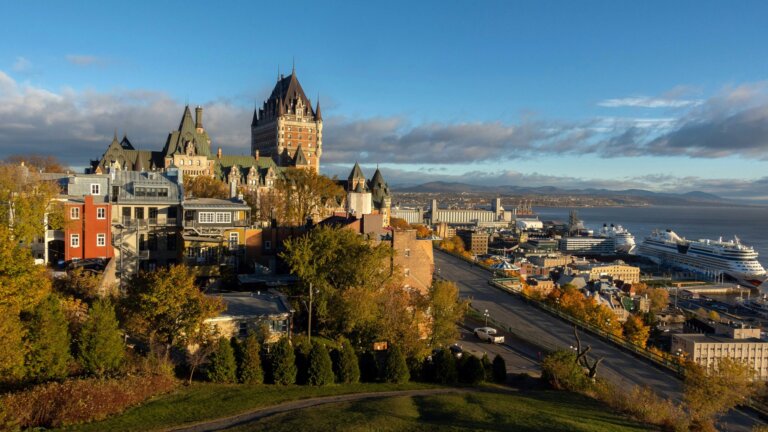
Travel through Canada’s history with 12 itineraries designed for culture lovers, from Indigenous cultural sites and historic cities to coastal communities, archaeological sites, and landscapes.
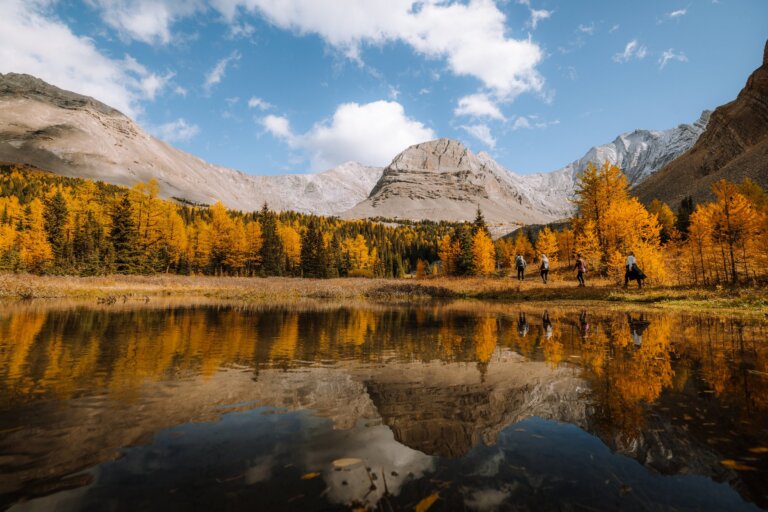
Planning Kananaskis fall hiking this season? Here’s where to catch the golden larches, from easy family trails to full-day ridge routes in Alberta’s Rockies.
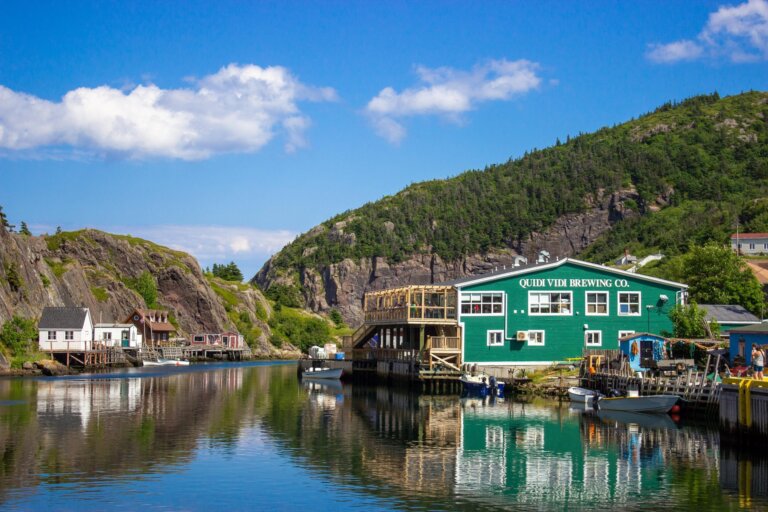
Some of Newfoundland and Labrador’s best experiences happen between the headline attractions. These seven small towns offer history, wildlife, culture, and stories that deserve a place on your route.
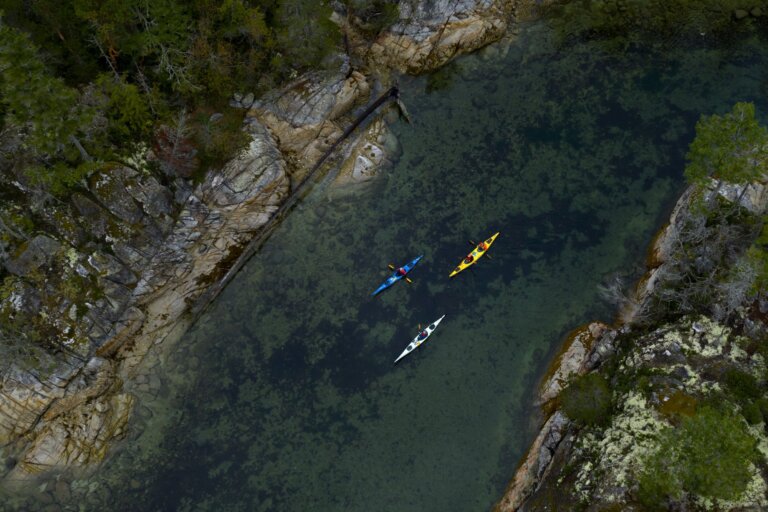
From paddling remote coastlines to riding glacier-fed rapids and surfing cold Pacific waves, discover five unforgettable water adventures in Canada.
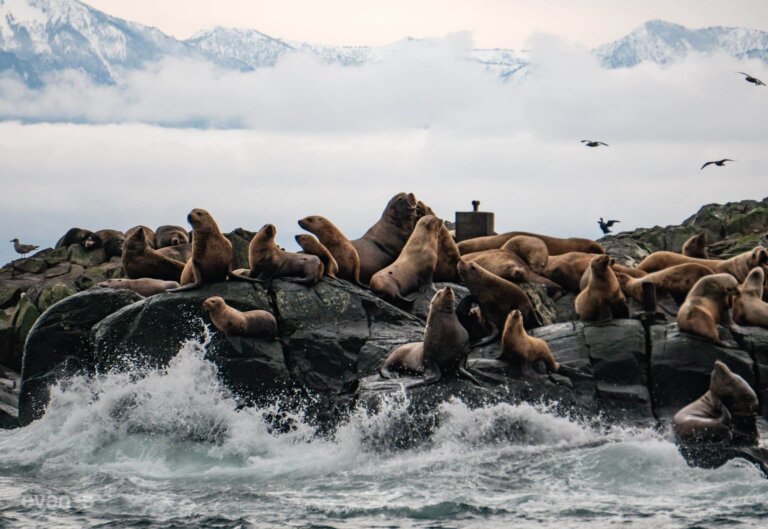
From polar bears and beluga whales in Churchill to puffins in Newfoundland and spirit bears in British Columbia, these are some of the most unforgettable wildlife experiences you can have in Canada.

Discover walkable Canadian cities where historic neighbourhoods, waterfronts, local markets, and cultural landmarks are all best experienced on foot.
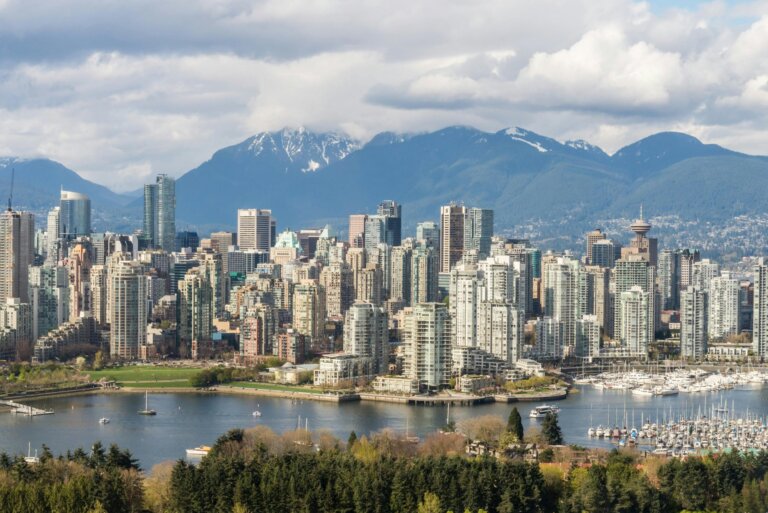
Explore Vancouver beyond the World Cup through food, history, neighbourhoods, and coastal culture.