
Cape Breton Island Travel Guide: What to See, Do, and Experience


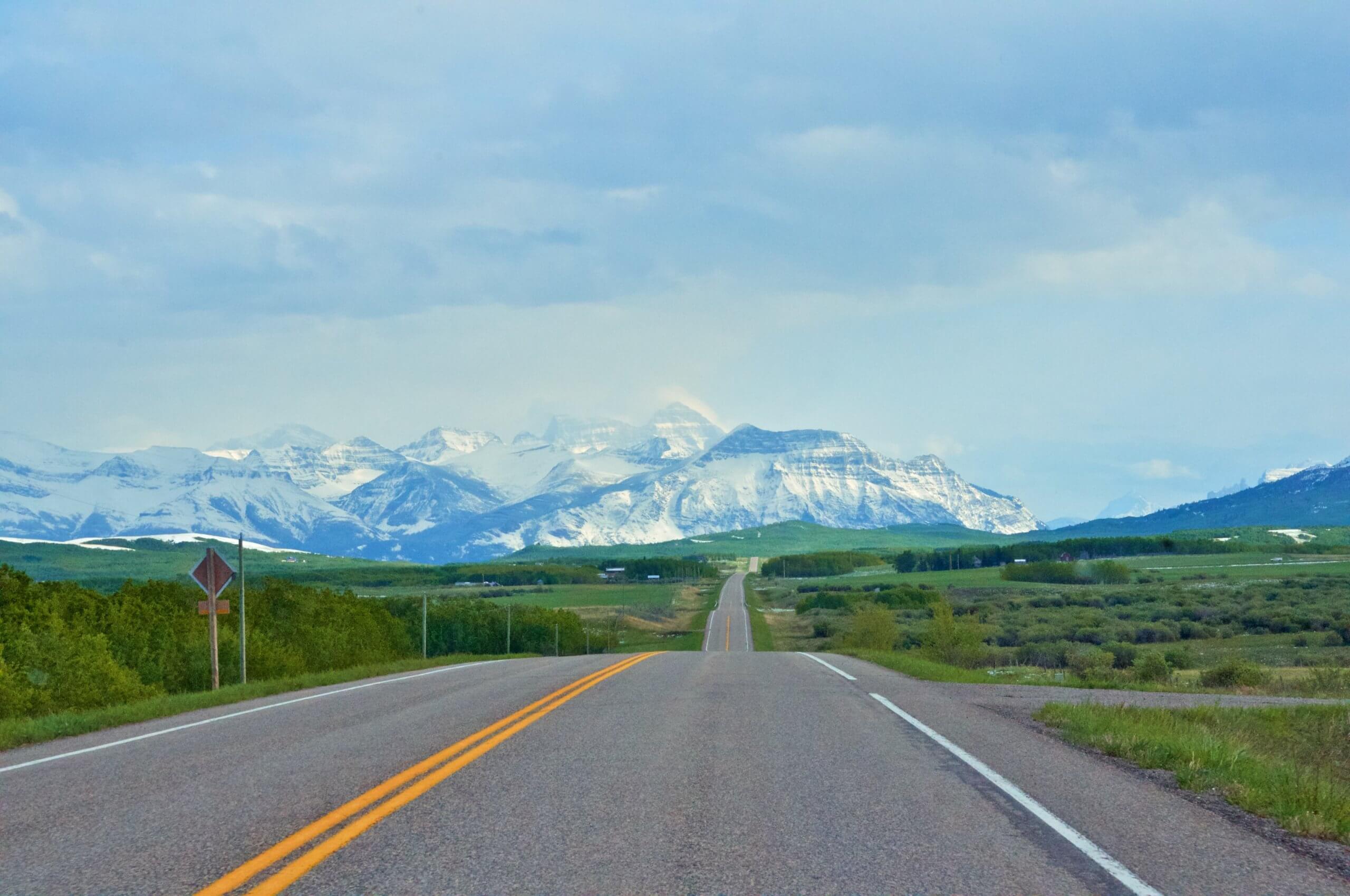
Motorists drive the Cabot Trail on North Mountain. Photo c/o Tourism Nova Scotia, Photographer Adam Hill
Cape Breton Island sits on Nova Scotia’s Atlantic coast, a 175-kilometre stretch of highland, coastline, and living culture. Originally known as Unama’ki, it has been home to Mi’kmaq peoples for thousands of years. Today, five Mi’kmaq communities call it home: Wagmatcook, We’koqma’q, Potlotek, Membertou, and Eskasoni. Layered on top of that deep history is a mix of Acadian and Celtic heritage that shows up in the food, the music, and the pace of daily life.
Most visitors come for the Cabot Trail. Many leave surprised by how much else there is. This guide covers the landscape, the culture, the best times to visit, and the places worth making time for.
Why Visit Cape Breton Island
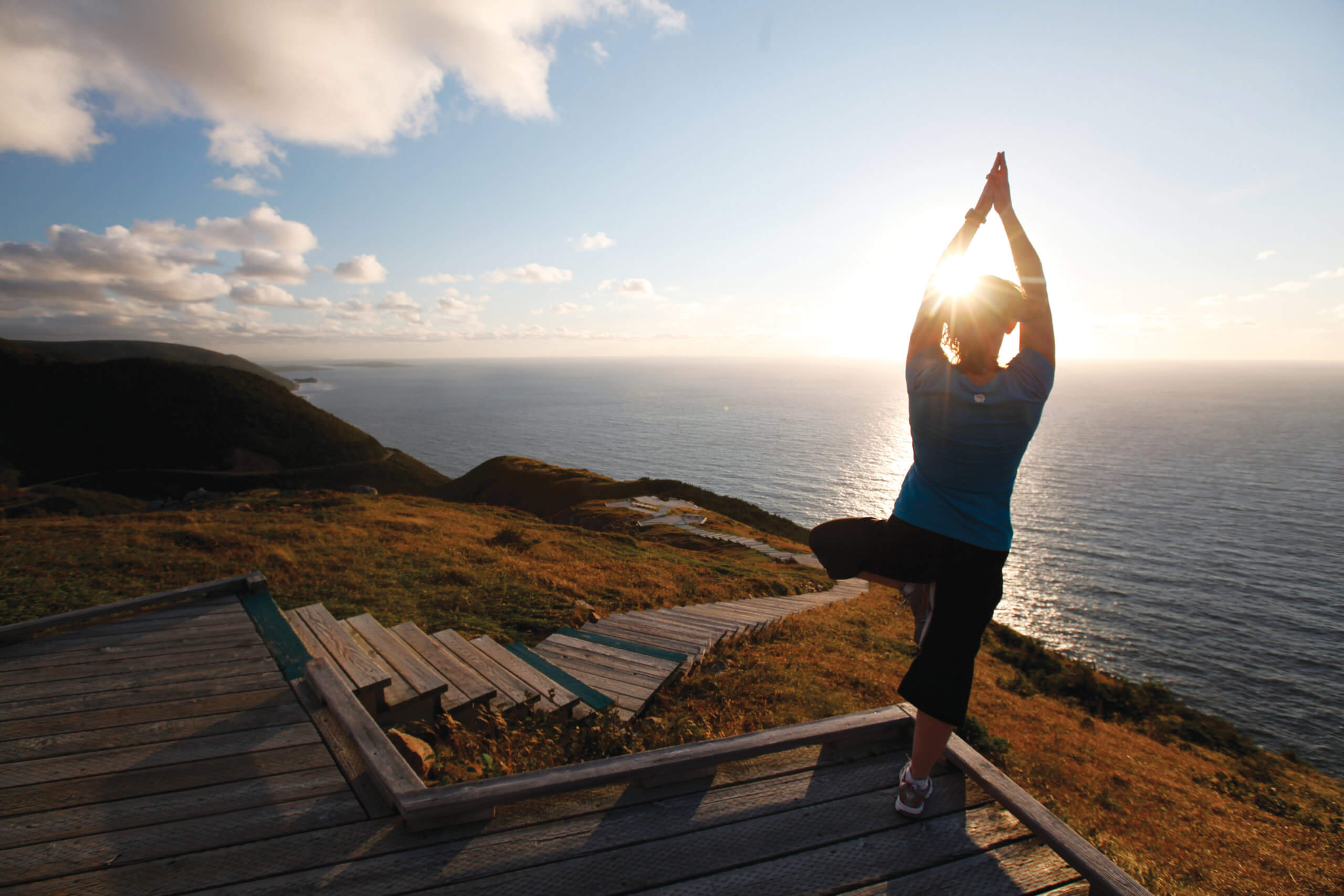
Skyline Trail, Cape Breton Island
Scenic Landscapes
The Cabot Trail alone draws visitors from around the world. This 298-kilometre scenic drive winds through the Cape Breton Highlands with the Atlantic Ocean on one side and mountain terrain on the other. But the island’s natural range goes further than that single road. Waterfalls cut through lush forest.
The vast Bras d’Or Lake, a saltwater inland sea covering nearly a third of the island, stretches between communities on quiet shores. The Mabou Highlands rise steeply from the coast, crisscrossed with trails that most visitors never find.
Enjoy Cape Breton Island on a road trip through the Maritimes.
Cultural Heritage
Cape Breton is steeped in traditions, and the best way to experience them is to show up. Attend a live music session in a local pub, visit a museum, or wander through one of the island’s historic villages and let the place tell you what it knows.
The island’s Celtic music tradition runs deep. Live performances happen regularly in pubs and music halls throughout the summer, and the Celtic Colours International Festival each October draws musicians from around the world for 10 days of concerts and sessions.
To connect with Mi’kmaq history and traditions, visit the Membertou Heritage Park in Sydney. Workshops in beading, wooden flower making, and hand drumming are led by community members. It’s one of the most direct and respectful ways to understand the culture of the people who have called Unama’ki home for thousands of years.
Acadian culture gets its own stage along the Chéticamp coast. Stop into the Centre de la Mi-Carême for locally crafted masks and exhibits on one of the oldest Acadian traditions. Mask making and rug hooking workshops are offered for those who want to try it themselves.
Outdoor Activities
The island is built for people who want to move through a landscape, not just look at it. Hiking trails thread through national park backcountry and coastal headlands. Sea kayakers paddle the Bras d’Or and the Atlantic shore. Cyclists ride the Celtic Shores Coastal Trail. Anglers fish the rivers and lakes. Golfers come from across the country to play Cabot Links and Cabot Cliffs, two of the most acclaimed courses in the world.
A hiker’s paradise, Cape Breton has numerous trails in the spectacular Mabou Highlands and within the sprawling Cape Breton Highlands National Park. The world-famous Skyline Trail is a must-do if you’re in the area.
Best Time to Visit Cape Breton Island

Cape Mabou Highlands. Photo c/o Tourism Nova Scotia, Photographer Adam Hill
The island is worth visiting in any season, but each one offers something different.
Summer (June to August) is the warmest period, with average temperatures in the mid-20s. It’s peak season for hiking, paddling, and coastal exploration, and the busiest time on the Cabot Trail. Book ahead if you’re travelling in July or August.
Autumn (September to October) is when the island shifts into something quieter and more dramatic. The highlands turn red and gold. Crowds thin. The light changes. Many people who’ve visited in summer return in fall and say it’s the better trip.
Winter (December to February) is slow and still. Some businesses close, but the island has a different kind of appeal: snowshoeing through the national park, warming up beside a fire, and a genuine sense of the island’s year-round life.
Top Things to Do in Cape Breton Island
Drive the Cabot Trail

Photo c/o Tourism Nova Scotia / Photographer: Adam Hill
The Cabot Trail is the reason most people come, and it earns its reputation. The 298-kilometre loop begins and ends in Baddeck, passing through the Cape Breton Highlands, along sea cliffs, and through fishing villages before returning south. Most people drive it in one or two days, but three gives you time to stop, hike, and eat fresh seafood in Chéticamp or Ingonish without rushing.
Read our Top 10 Scenic Stops Along the Cabot Trail.
Hike the Celtic Shores Coastal Trail
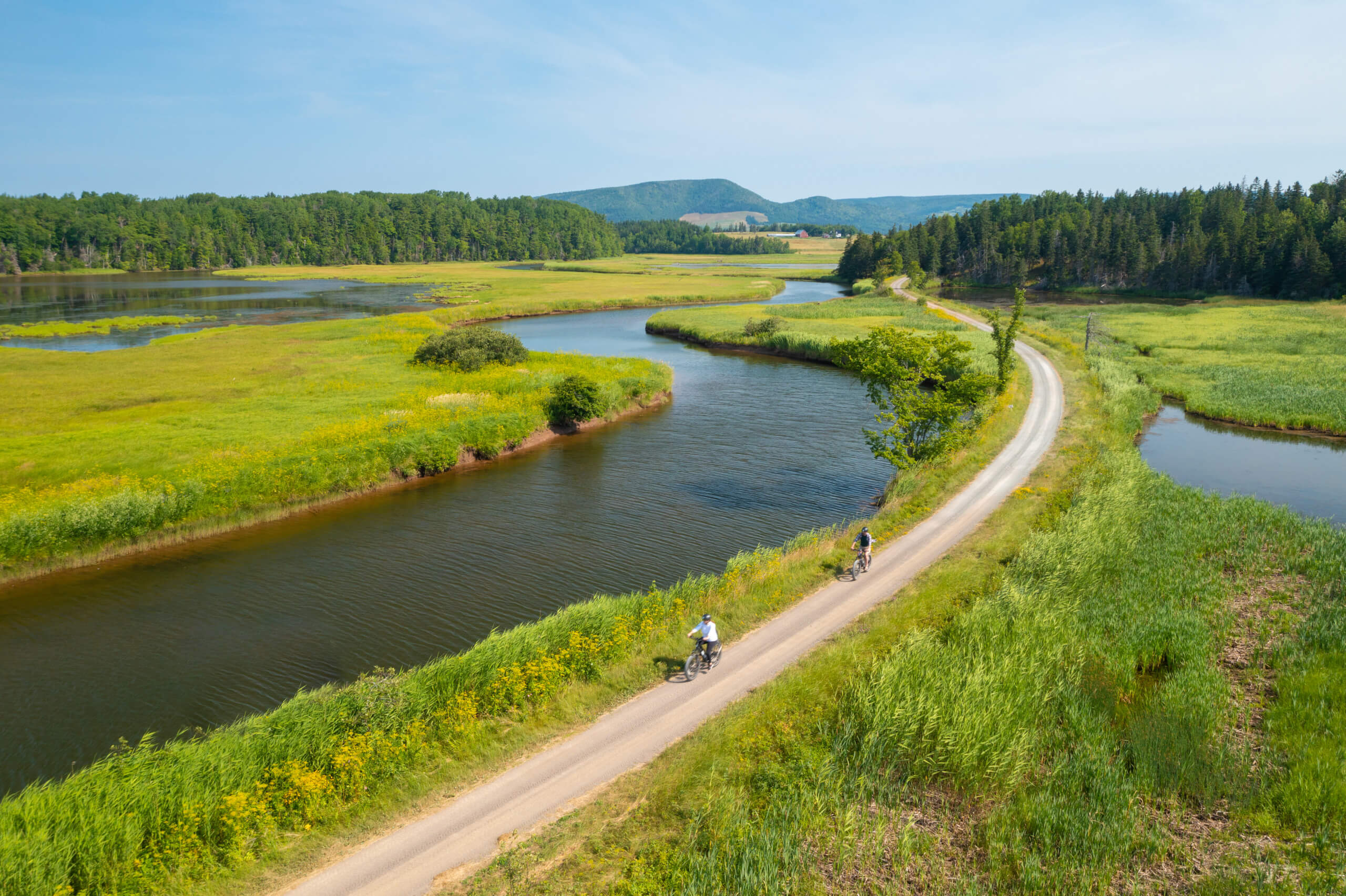
An aerial view of the Celtic Shores Coastal Trail. Photo c/o Tourism Nova Scotia/ Photographer Adam Hill
The Celtic Shores Coastal Trail is a meandering 92-km multi-use trail along the rugged west coast of Cape Breton Island, stretching from Port Hastings to Inverness. Part of both the TransCanada Trail and the International Appalachian Trail, the Celtic Shores Coastal Trail is a prime location for nature lovers and outdoor enthusiasts.
The trail winds through lush wilderness, connecting several communities and attractions that showcase the area’s vibrant Celtic culture. As you traverse the trail, keep your eyes peeled for sightings of pilot whales, bald eagles and a host of sea birds that call the coastline home.
With more than thirty trailheads and access points, this trail is the perfect way to experience the natural beauty of the area while immersing yourself in its rich culutral heritage. If you’re an avid cyclist, a seasoned hiker or simple looking for a relaxing day trip while in Cape Breton, this trail is a must-do.
Explore the Fortress of Louisbourg
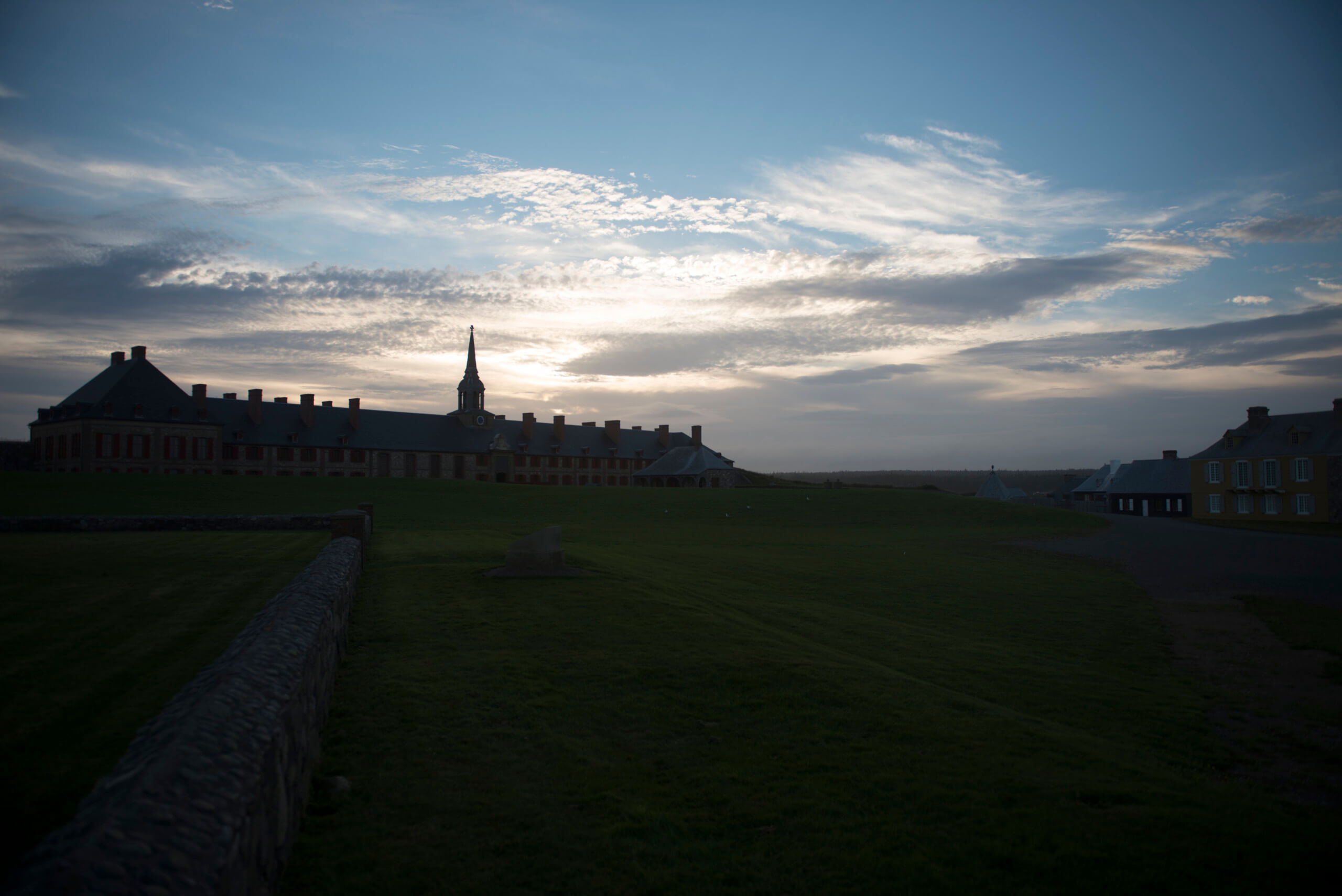
Ghost Walks in Fortress of Louisbourg National Historic Site. Photo c/o Tourism Nova Scotia
The Fortress of Lousibourg National Historic Site is a restored 18th century French colonial town that offers an example of what life was like in the area in the 1700s.
A visit here will give you a glimpse into the daily life of soldiers, sailors and settlers. Visitors can explore the well-preserved fortifications, including the King’s Basion and the Dauphin Gate, as well as the many historic buildings within the town, such as the chapel, the bakery and the blacksmith shop. The site also offers a range of educational programs, inclduing guided tours, living history demonstrations and historical reenactments, providing an immersive experience.
Engage with Mi’kmaq Culture at Membertou Heritage Park

Drum making workshop at Membertou Heritage Park | Credit: Destination Cape Breton Association
The Membertou Heritage Park in Sydney offers hands-on workshops in beading, wooden flower making, and hand drumming. It’s one of the most direct ways to learn about the traditions of the Mi’kmaq, who have lived on Unama’ki for thousands of years. The experience is led by community members and grounded in their own telling of their own story.
Alexander Graham Bell National Historic Site
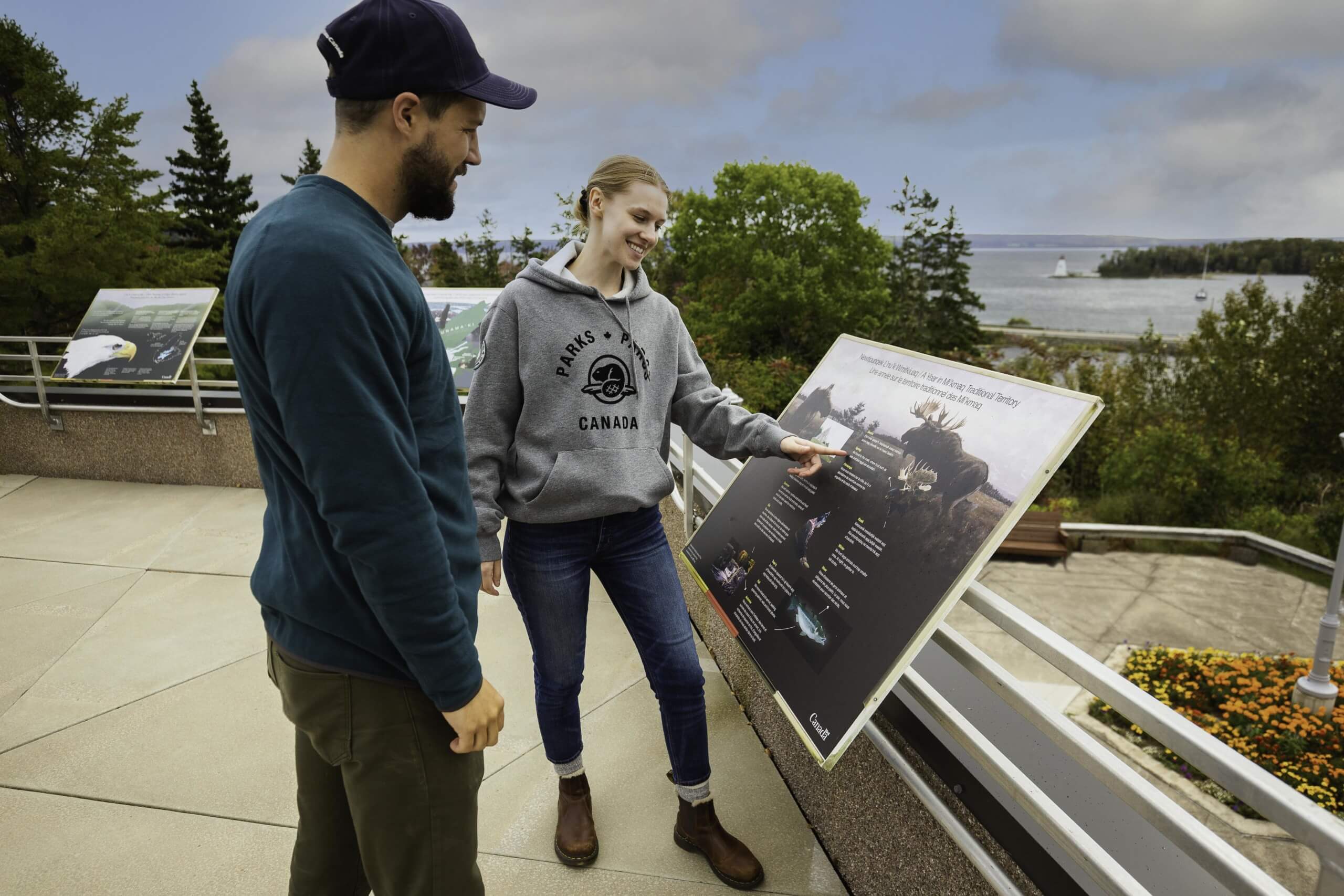
Alexander Graham Bell National Historic Site. Photo c/o Tourism Nova Scotia/ Photo by Kyler McGregor
Located in Baddeck, the Alexander Graham Bell National Historic Site is dedicated to the life and work of Alexander Graham Bell, the inventor of the telephone. Visitors can explore the restored home of Bell and his family, which was used as a summer retreat and a laboratory for his experiments.
The museum showcases numerous artifacts and exhibits related to Bell’s work, including his original laboratory equipment, photographs and personal items. The site also offers interactive displays and hands-on activities for visitors of all ages.
Discover Cape Breton Highlands National Park
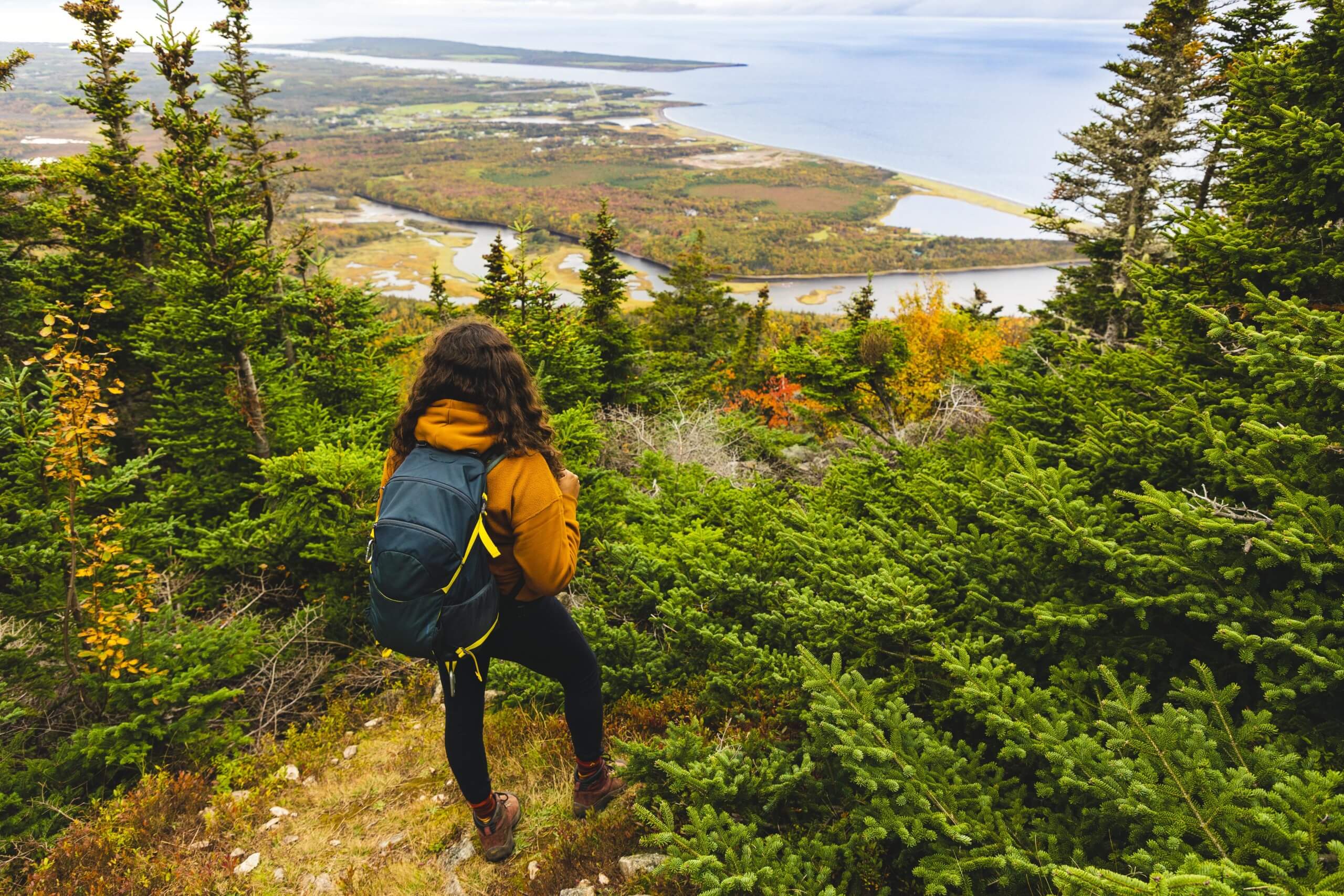
Acadian Trail Lookout. Photo by Tourism Nova Scotia / Photographer: Ashley MacDonald
Cape Breton Highlands National Park covers the northern tip of the island and holds some of the most dramatic terrain in Atlantic Canada. Trails range from short coastal walks to multi-day backcountry routes. Moose sightings are common. Bald eagles circle the river valleys. The Skyline Trail, a 9-kilometre loop above the Gulf of St. Lawrence, is the most visited hike in the park, and for good reason: the views at sunset are something most people remember for a long time.
Experience Celtic Music at the Interpretive Centre

Celtic Music Interpretive Centre. Photo by Tourism Nova Scotia / Photographer: Scott Munn
The Celtic Music Interpretive Centre is a museum, a performance space, and a community hub. It traces how Cape Breton’s fiddle tradition developed its own character, distinct from its Scottish roots, shaped by the isolation and particulars of this island. Workshops run regularly for visitors who want more than a passive listen. If you’re here in October, the Celtic Colours International Festival draws musicians from across the world for 10 days of concerts and sessions.
Paddle Bras d’Or Lake
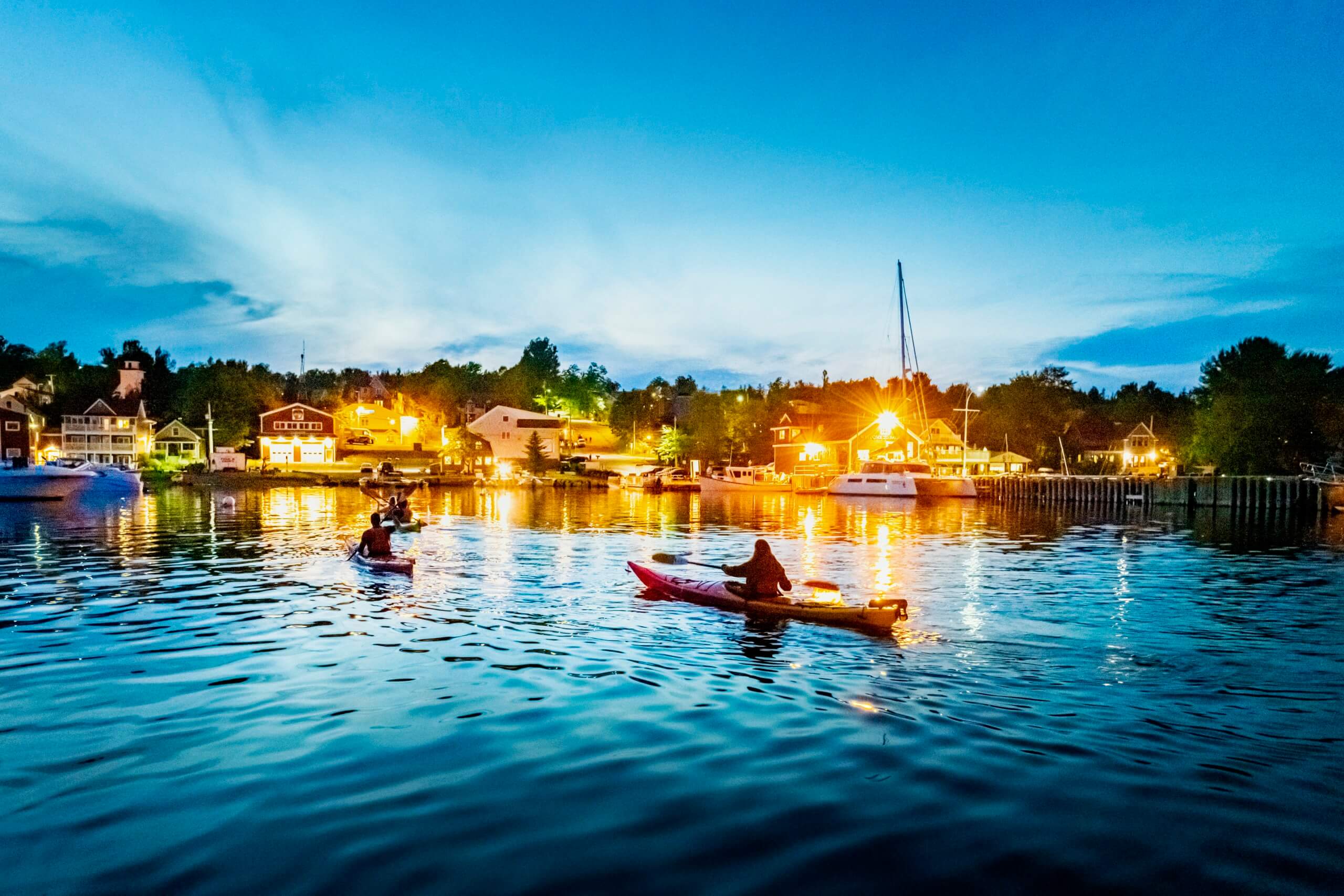
Kayaking on the Bras d’Or Lake. Tourism Nova Scotia / Photographer: Dean Casavechia
Bras d’Or Lake is technically an inland sea: tidal, vast, and salt-influenced. It covers nearly a third of Cape Breton and sits at the geographic centre of the island. Kayaking its shores is one of the quieter pleasures of a Cape Breton trip: calm water, unhurried communities on the banks, and the occasional bald eagle overhead. Sailing and fishing are equally popular, and several operators offer guided paddles for those who want local knowledge on the water.
Frequently Asked Questions About Cape Breton Island
What is Cape Breton Island known for?
Cape Breton is best known for the Cabot Trail scenic drive, its Celtic music tradition, and Cape Breton Highlands National Park. It’s also home to five Mi’kmaq communities with deep roots in the land, and a mix of Acadian and Scottish heritage that shapes everything from the food to the local festivals.
How long does it take to drive the Cabot Trail?
The Cabot Trail is 298 kilometres and can be driven in a single day, but two to three days gives you time to stop, hike, and eat well along the way. Most travellers recommend driving it counterclockwise to keep coastal views on the passenger side.
What is the best time to visit Cape Breton Island?
Summer is warmest and busiest. Autumn offers spectacular foliage and fewer crowds. Spring is quiet and green. Winter is slow but rewarding for those who prefer the island without tourists. Each season has its own character.
Is Cape Breton Island worth visiting?
Yes. It’s one of the most varied and culturally rich destinations in Canada. The landscape is genuinely dramatic, the communities are welcoming, and the mix of Mi’kmaq, Acadian, and Celtic traditions gives it a depth that takes more than one trip to fully appreciate.
Plan Your Cape Breton Island Trip
Cape Breton moves at its own pace. The landscape rewards those who slow down, take the side roads, and listen. Whether you’re drawn by the Cabot Trail, the music, or the quiet of the Bras d’Or, it’s a place that tends to stay with you after you leave.
Landsby offers guided and self-drive itineraries through the Maritimes, including routes that put Cape Breton at the centre. If you’re ready to start planning, we’re here to help you find the right journey.
Explore Cape Breton itineraries with Landsby →