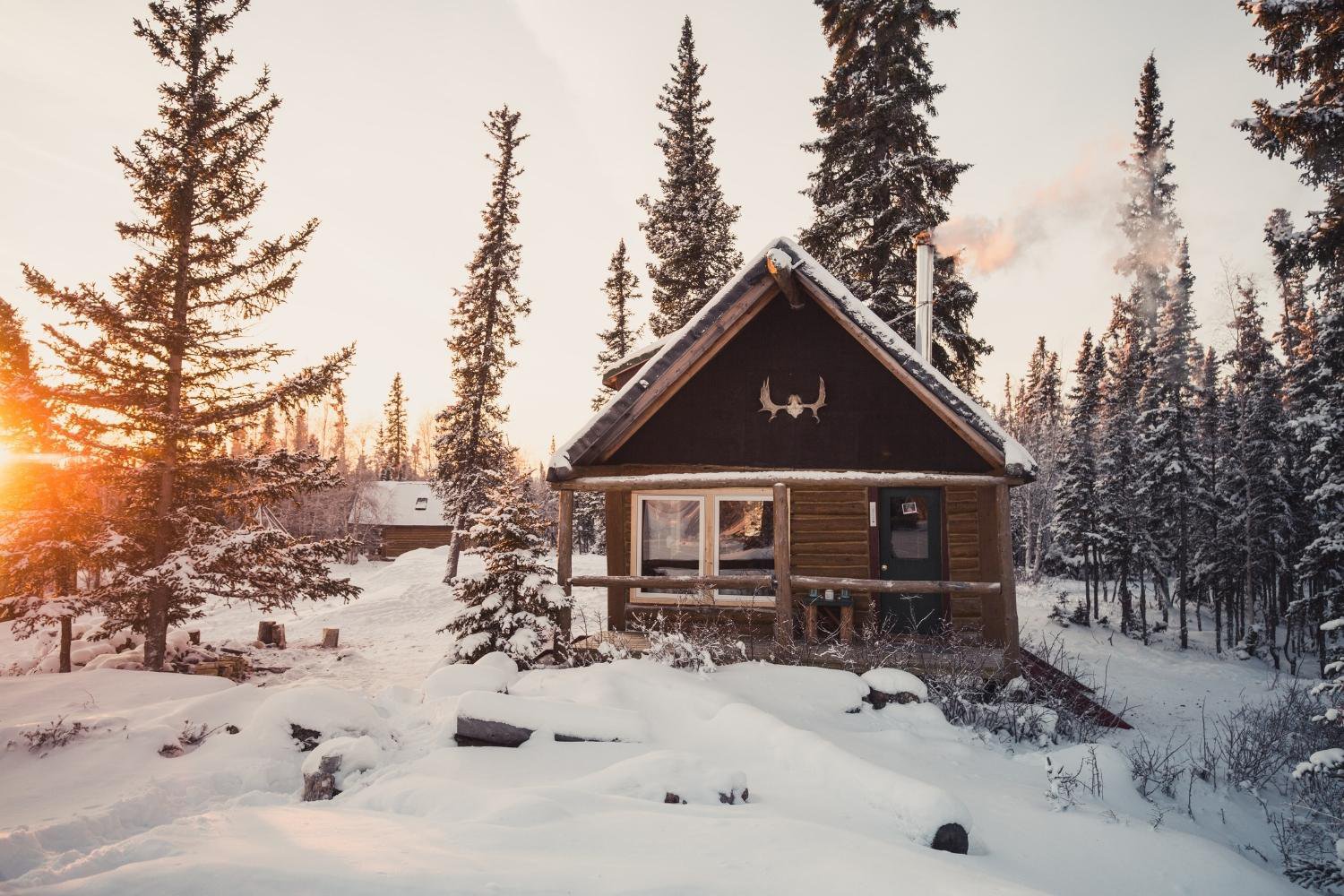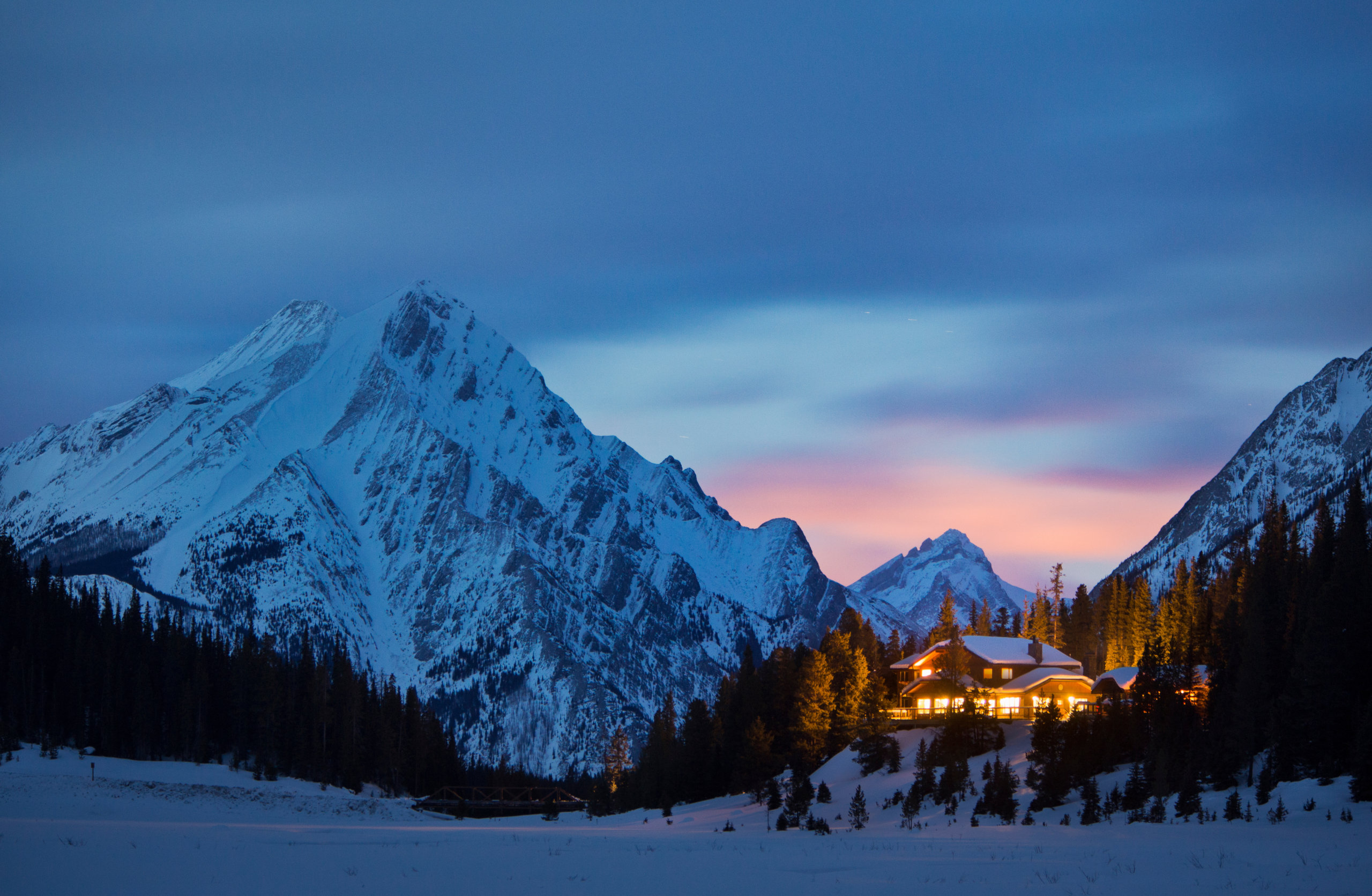
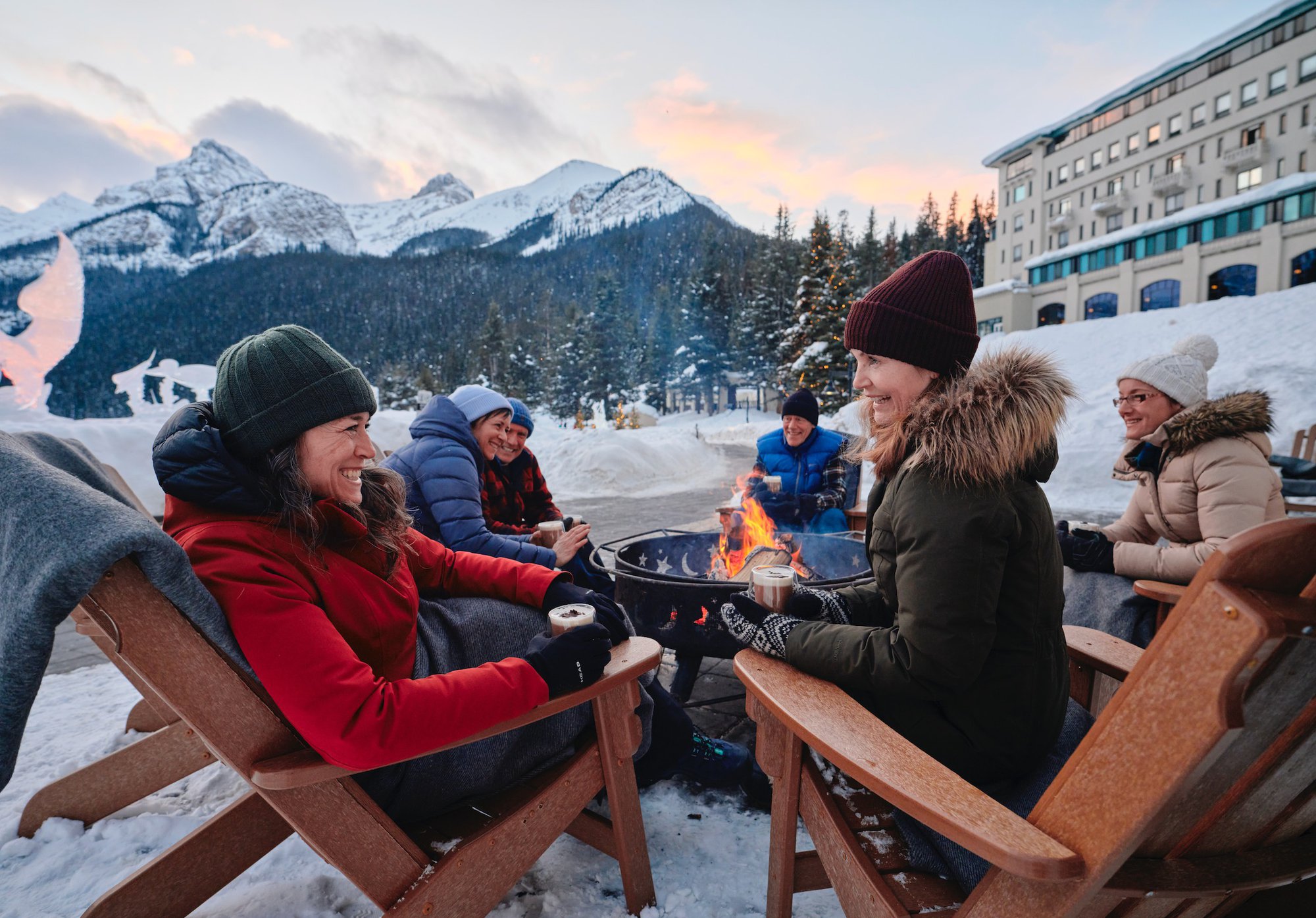

Is Winter Travel for You? What Makes This Season Different Across Canada


Winter travel in Canada works differently than travel at any other time of year. Climate, daylight, logistics, and daily rhythm all shift once winter sets in. When travellers plan with the season in mind, winter can feel calm, intentional, and deeply rewarding. When they don’t, it often feels harder than expected.
This guide is about setting realistic expectations. It looks at how winter travel actually works across different regions, what days tend to look like, and the questions travellers usually ask before deciding whether winter is the right season for their trip.
If you’re looking for curated, experience-led winter journeys, you can explore Landsby’s winter travel experiences.
If you’re looking for curated, experience-led winter journeys, you can explore Landsby’s winter travel experiences.
What winter travel in Canada looks like
Across the country, winter consistently affects travel in five ways:
- Cold shapes how long you spend outdoors
- Daylight defines when activities happen
- Weather influences transport reliability
- Infrastructure determines comfort and ease
- Pace shifts from full days to focused experiences
Understanding these factors early prevents most winter travel frustrations.
Canada’s winter regions explained
Canada does not have one winter. Here, regional differences matter more in winter than in summer.
Pacific Coast
Winter on the Pacific Coast is defined by milder temperatures, frequent rain, and damp cold. Snow is unpredictable, and outdoor plans often depend on weather windows. Urban infrastructure remains strong, though storms can cause occasional delays.
Best for travellers who want a winter atmosphere without extreme cold.
Have a look at these Pacific Coast itineraries and ask our team how you can customize for the winter season:
Northern Vancouver Island Explorer
Journey to the Great Bear Rainforest & West Chilcotin
Vancouver Coast & Mountains Experiences
Prairies
The Prairies experience long, dry winters with sustained cold and clear skies. Distances between destinations are large, and exposure matters, but conditions are often predictable.
Best for travellers comfortable with cold who value wide-open landscapes, snow-covered scenery, and quiet.
Explore Alberta experiences with varying activity levels
Thinking about Saskatchewan? Chat with our team to build your custom itinerary.
Planning ahead for a Polar Bear experience in Churchill? Find out more.
Central Canada
Central Canada is known for consistent cold, regular snowfall, and strong winter infrastructure. Cities operate reliably, public transportation continues to function well, and winter is well integrated into daily life.
Best for travellers seeking structure, culture, and balance.
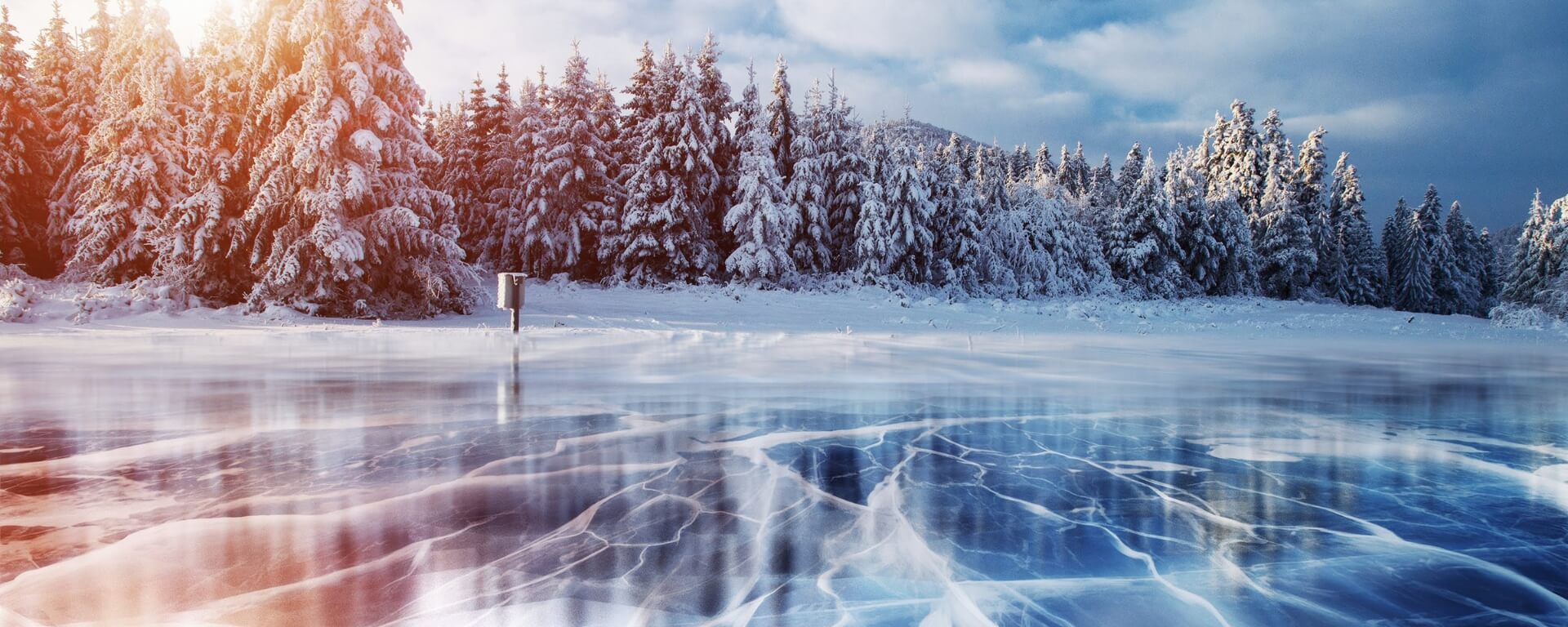
See what Quebec offers for winter travellers
Atlantic Canada
Winter in Atlantic Canada brings variable conditions: wind, snow, freeze–thaw cycles, and storms. Travel is very possible, but flexibility is essential.
Best for travellers comfortable adapting plans who enjoy coastal communities and food-led experiences.
Explore Newfoundland and Labrador experiences
Nova Scotia on your mind? Stay cozy by train from Halifax to Montreal
Northern Canada
The North experiences extreme cold, limited daylight, and long periods of darkness. Winter travel here depends heavily on local expertise, guided activities, and careful planning.
Best for travellers seeking immersive, experience-led winter journeys.
Looking to see the northern lights?
See Northwest Territories itineraries
Discover Yukon itineraries
How cold is winter travel in Canada, really?
Cold varies widely by region, but winter travel rarely means being outdoors all day.
Outdoor experiences are usually intentional and time-bound, with warming breaks built in. Even active itineraries balance time outside with rest, meals, and warmth indoors. Cold tolerance matters, but itinerary design matters more.
What a winter travel day looks like
Winter days prioritize timing over volume.
Most days revolve around one or two anchor experiences planned around daylight. Evenings tend to start earlier and move indoors. Meals, conversation, and rest aren’t filler — they’re part of the experience.
Travellers who value focus over pace often find this rhythm grounding.
Daylight, darkness, and energy
Daylight varies dramatically across Canada in winter.
Southern regions offer short but workable days. Northern regions may have very limited daylight. Reduced light can affect activity timing, mood, and energy, making it one of the most important planning considerations for winter travel.
Packing for winter travel in Canada
Essentials
- Insulated, waterproof boots
- Windproof outer layers
- Warm mid-layers
- Hat, gloves, and neck coverage
Some guided winter experiences provide specialized gear, but everyday winter clothing is usually the traveller’s responsibility.
See our full winter packing list
Transportation and reliability in winter
Canada has a fairly strong winter infrastructure, but weather can still disrupt plans.
For the most part, flights operate reliably, with some delays during storms. Roads can be well-maintained in populated areas, while remote regions might need more buffer time.
Building contingency time into plans reduces stress.
Flexibility and expectations
Winter requires flexibility.
Activities may shift or cancel for safety. Transport schedules may change. Travellers who are adaptable tend to enjoy winter more than those who expect rigid plans.
Who winter travel in Canada suits best
Winter travel often works well for travellers who:
- Prefer fewer, more meaningful experiences
- Value atmosphere and seasonality
- Are comfortable with early nights and quiet evenings
- Adapt easily when plans change
- Prepare carefully rather than winging it
Travellers who prefer constant activity or strict schedules may prefer another season.
Is winter travel in Canada worth it?
Winter reveals a quieter, more focused version of the country. Landscapes slow down. Communities shift inward. Experiences feel less crowded and more intentional.
The goal of winter travel is not endurance. It is alignment with season, place, and expectations.
Planning winter travel with clarity
A successful winter trip to Canada starts with choosing the right region, setting realistic expectations, and planning for conditions rather than resisting them.
For travellers looking for thoughtfully designed winter journeys with local insight and logistical support, explore Landsby’s winter travel experiences.
Other resources for your winter travel:
- Government of Canada travel advisories
- Government of Canada weather information
- Parks Canada winter visitation guides