
Six Slow-Travel Towns to Visit in Atlantic Canada


Coastal communities where the pace is set by tides, not timelines. Landscapes in Atlantic Canada are dramatic, but the moments that stay with you are small. Picture yourself watching the fog lift off a harbour, chatting with a maker in their studio, or timing your walk to the rhythm of the tides.
If you’re looking for places where it feels good to stay a while, these towns across Nova Scotia, New Brunswick, Prince Edward Island and Newfoundland & Labrador are built for it. They’re compact, walkable and rooted in communities that still move at a human pace.
Below, you’ll find six slow-travel towns in Atlantic Canada, plus a few ideas for building a personalized itinerary that fits your style.
Looking for expert guidance? Chat with our team about travel experiences made just for you!
What “slow travel” looks like in Atlantic Canada
In this region, travelling slowly isn’t about doing nothing. It’s about:
- Staying in a place long enough to understand how the tides, seasons, and working life shape each place
- Choosing smaller centres over big cities, and walking or cycling instead of always driving
- Spending money locally on family-run inns, independent restaurants, artists and guides
- Travelling in shoulder seasons when you’re sharing cafés and trails with locals, not tour buses
With that lens, here are six towns that reward an unhurried stay.
Lunenburg, Nova Scotia: Colour, Craft and Harbour Life

Old Town Lunenburg is one of the best-surviving examples of a planned British colonial town in North America, laid out in a tidy grid back in 1753. It’s now a UNESCO World Heritage Site, recognized for its intact street plan and distinctive wooden architecture.
Down on the waterfront, you’re reminded that this is still a working harbour. Tall ships, schooners, fishing vessels and small boats sit side by side, reflecting Lunenburg’s deep boatbuilding and seafaring traditions.
Why it’s perfect for slow travel
- You can explore almost everything on foot. Climb from the harbour up through the grid of streets, stopping into galleries, cafes, and neighbourhood pubs as you go.
- Spend a long afternoon at the Fisheries Museum of the Atlantic or on a locally guided walking tour to experience the town’s maritime history.
- Build in a quiet day that’s just about taking in the facades and harbour instead of chasing another attraction.
Stay a few nights, pick a boat trip or guided experience, and let the rest of your time slow. It can be all about repeated walks, familiar faces and getting to know “your” coffee spot.
Wolfville, Nova Scotia: Tides, Vineyards, and Valley Trails

Wolfville sits on the shores of the Minas Basin, part of the Bay of Fundy – home to the highest tides in the world. You can watch the water level rise and fall dramatically from the town’s waterfront park just steps from Main Street.
Behind town, orchards and vineyards spread across the Annapolis Valley. The Harvest Moon Trailway is a former railway line turned multi-day trail. It runs for over 100 km through the valley between the UNESCO World Heritage Site of Grand-Pré and the historic town of Annapolis Royal, passing right through Wolfville.
Why it works for slow travel
- Use Wolfville as a base to cycle or walk sections of the Harvest Moon Trailway, linking small communities at a human speed.
- Spend unhurried afternoons at nearby wineries, many of which produce Tidal Bay, a crisp white wine that must follow strict regional standards and uses Nova Scotia–grown grapes.
- Anchor your days around the tide cycle – morning low-tide walks, high-tide viewpoints in the afternoon.
Wolfville feels like a place where you can balance activity with stillness: one day on the trail, the next lingering over a long lunch overlooking vines and the Basin.
St. Andrews by-the-Sea, New Brunswick: Gardens, Tides and a Classic Resort Town

Saint Andrews – known as St. Andrews by-the-Sea – is a historic town on Passamaquoddy Bay, at the mouth of the St. Croix River. Its core is a designated National Historic Site, thanks to its 18th-century grid layout and well-preserved architecture.
With an off-season population around 1,700 that swells in summer, it’s very much a resort town, but the pace stays gentle.
Slow-travel highlights
- Kingsbrae Garden: a 27-acre horticultural garden on the edge of town with themed areas, ponds and more than 50,000 perennials – easy to revisit at different times of day and in different weather.
- Ministers Island: a tidal island reached via a gravel road across the ocean floor at low tide. Access is only possible for a few hours at a time, which naturally forces you to slow down and plan around the Bay of Fundy’s cycle.
- Waterfront wandering along the harbour and historic streets, with time built in to sit on a bench and just watch the changing colour of the bay.
St. Andrews is a good candidate for a “stay put” stop: three or four nights give you room for repeated garden visits, a tidal island excursion and at least one day with nothing scheduled.
Victoria-by-the-Sea, Prince Edward Island: A Tiny Village to Catch Your Breath
On Prince Edward Island’s south shore, Victoria-by-the-Sea is a historic fishing village with a year-round population of under 200 people.
It’s small – a neat grid of streets running down to the harbour – but over the last few decades it’s been revitalised by artists and makers who have turned old buildings into studios, galleries and eateries.
Why it works for slow travel
- You can walk the entire village in an hour – and then spend the rest of the day returning to places that caught your eye.
- Kayak tours from the harbour put you right on the water at sunrise or sunset, when the light is soft and the pace is naturally slower.
- Even at the height of summer, it still feels like a lived-in community rather than a theme park.
This is a place where a “busy” day might mean coffee, a gallery visit, reading on a bench by the lighthouse and a long dinner with a view of the harbour.
Twillingate, Newfoundland & Labrador: Icebergs, Whales and Outport Calm
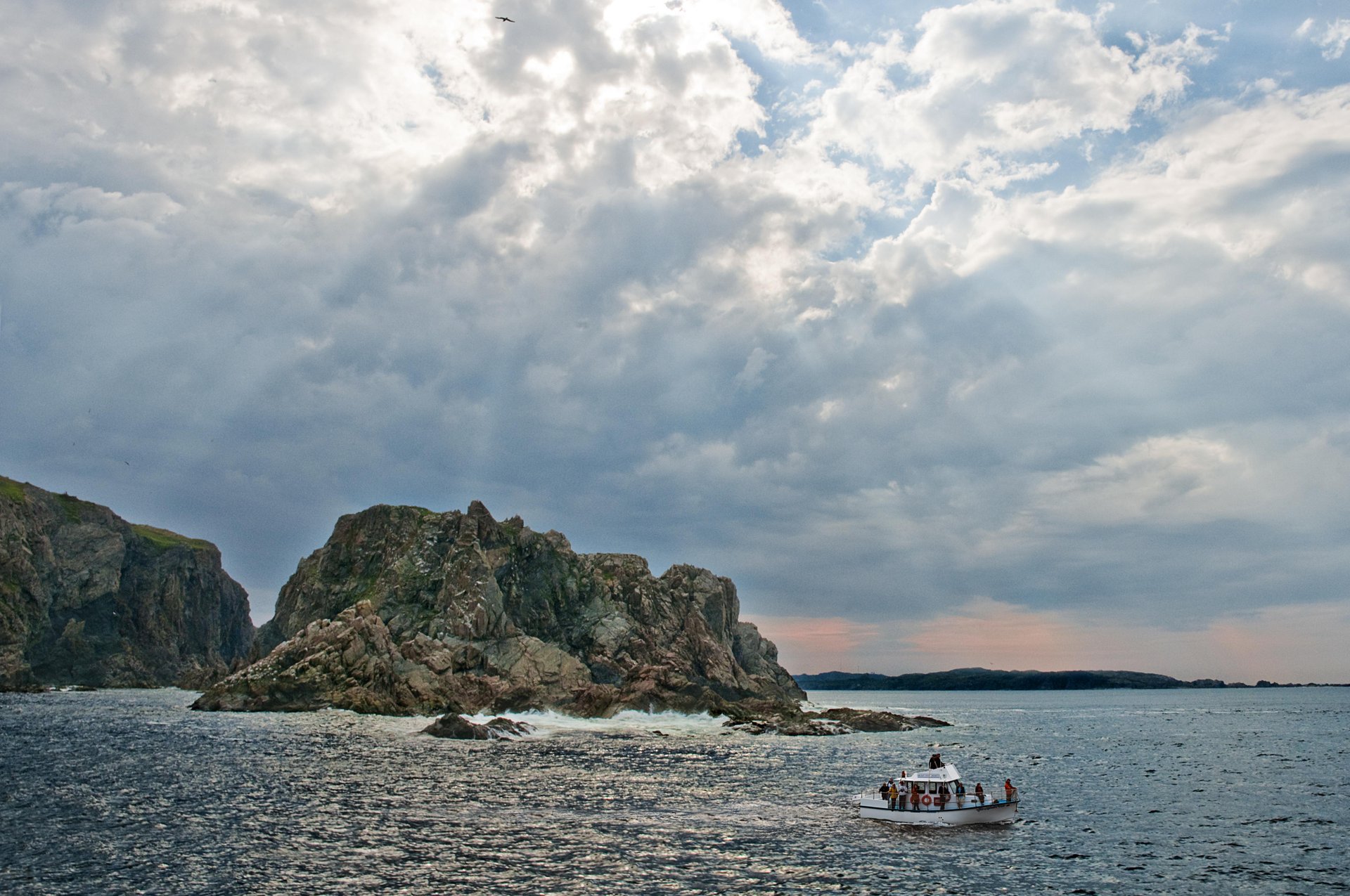
Twillingate sits in the heart of “Iceberg Alley” off Newfoundland’s northeast coast. From late spring into early summer, icebergs drift past the headlands, and local operators run boat tours to get you closer to the ice and to whales that feed in the surrounding waters.

Many tours last a couple of hours and include local storytelling, music and snacks – the kind of slower, layered experience that fits naturally with this landscape.
Why it works for slow travel
- Rather than racing to tick off “see an iceberg”, you can stay several nights and watch how the seascape changes day to day.
- Walking paths along the cliffs and through town give you room to wander between viewpoints, wharves and small museums at your own pace.
- Evenings tend to be about community events and local pubs, which means slower, more grounded nights than in larger centres.
Twillingate rewards travellers who can accept that the North Atlantic sets the schedule – especially for iceberg viewing, where prime season typically runs from mid-May to mid-July and sightings vary with conditions.
Fogo Island, Newfoundland & Labrador: culture, crafts and wild edges

Fogo Island is a remote outport community off Newfoundland’s northeast coast, reached by ferry. Historically sustained by the cod fishery, it’s now known for a blend of cultural resilience, contemporary architecture and community-led tourism.
Generations of Fogo Islanders have kept skills like boatbuilding, furniture-making, quilting and rug hooking alive. In recent years, initiatives such as Fogo Island Arts and Fogo Island Workshops have connected these traditions with global design and artist communities, while keeping the work rooted in place.
Why it works for slow travel
- This is not a quick stop. Just getting there involves ferries and logistics, which makes it ideal for travellers ready to stay several nights.
- You can spend full days walking to the island’s architect-designed studios, hiking coastal trails and visiting small galleries and craft shops, with plenty of time to talk to makers.
- The island’s community-led tourism model is intentionally designed to favour longer, more meaningful stays over rapid turnover.
A slow-travel approach here means travelling respectfully: learning about the island’s fishing history, buying directly from local artisans and leaving space in your schedule for weather days and chance encounters.
How to plan a slow-travel itinerary in Atlantic Canada
You don’t need to hit all six towns in one go. In fact, slow travel is usually better when you edit.
A few practical principles:
1. Choose fewer bases and stay longer
Instead of six towns in ten days, think about:
- Two to three bases (for example: Wolfville + St. Andrews + Twillingate),
- Three to four nights in each, with at least one day in every town where you deliberately plan nothing.
This gives you time for repeat walks, second visits to a favourite cafe and weather-dependent experiences like whale watching or tidal island crossings.
2. Travel with the tides and seasons
The Bay of Fundy’s tidal range is one of the largest in the world, reshaping shorelines and exposing sea floors twice each day.
Use that to your advantage:
- Time visits to Ministers Island or other tidal experiences around low tide windows.
- In places like Wolfville, structure your day so you see the harbour at both high and low tide.
Shoulder seasons (late spring and early autumn) are often ideal for slow travel: quieter streets, more time to talk to locals, softer light for long walks.
3. Prioritize walking, cycling and local operators
Where possible:
- Use multi-use trails like the Harvest Moon Trailway to move between nearby villages at human speed.
- Book small, locally owned tours – from whale watching in Twillingate to kayaking in Victoria-by-the-Sea – to deepen your understanding rather than simply “consuming” an attraction.
4. Build your days around real life, not just sights
In towns this size, everyday rhythms are part of the appeal:
- Farmers’ markets, community events and live music nights
- Long breakfasts instead of rushed hotel buffets
- Time for conversations – with innkeepers, guides, gallery owners
That’s where slow travel in Atlantic Canada really lives: in the space you leave for the unscripted moments.
Not sure where to start? We’ll shape the route around you. Plan a tailor-made trip with our experts.
Looking for inspiration? Have a look at our recommended Atlantic Canada itineraries:
Explore the rugged coastline, cultural highlights and natural wonders of Newfoundland’s Viking Trail at your own pace with this self-guided journey.